
Shipping — History & Facts
In the delicate interplay of light and color, fragility unfolds, revealing the tension between nature’s power and human endeavor. Look to the center, where the tumultuous waves clash against the sturdy hull of a ship, laboring against the elements. The swirling strokes of blue and white create a sense of movement, imbuing the sea with an almost palpable energy. Notice how Turner masterfully uses dashes of gold and ochre to illuminate the clouds, casting a fleeting moment of warmth against the backdrop of an impending storm.
This contrast captures both the beauty and the peril of maritime life, inviting the viewer to feel the urgency of the scene. Beneath the surface, the painting conveys a deeper narrative about humanity’s vulnerability in the face of nature’s might. The ship’s struggle symbolizes the fragile balance between civilization and the untamed world, while the turbulent sky looms ominously, suggesting an inevitable confrontation. The juxtaposition of light and dark enhances this emotional tension, reflecting the dual nature of hope and despair, while the fluidity of Turner's brushwork evokes the unpredictability of fate. Between 1828 and 1830, Turner painted this piece during a period of experimentation, pushing the boundaries of traditional landscape art.
Living in London, he was deeply influenced by the Romantic movement, which celebrated the sublime aspects of nature. This work emerged amidst significant technological advancements in shipping, as well as growing admiration for the majesty of the sea—elements that inspired his exploration of fragility and resilience in the human experience.
More Artworks by Joseph Mallord William Turner
Browse all →
Dort or Dordrecht- The Dort Packet-Boat from Rotterdam Becalmed
Joseph Mallord William Turner
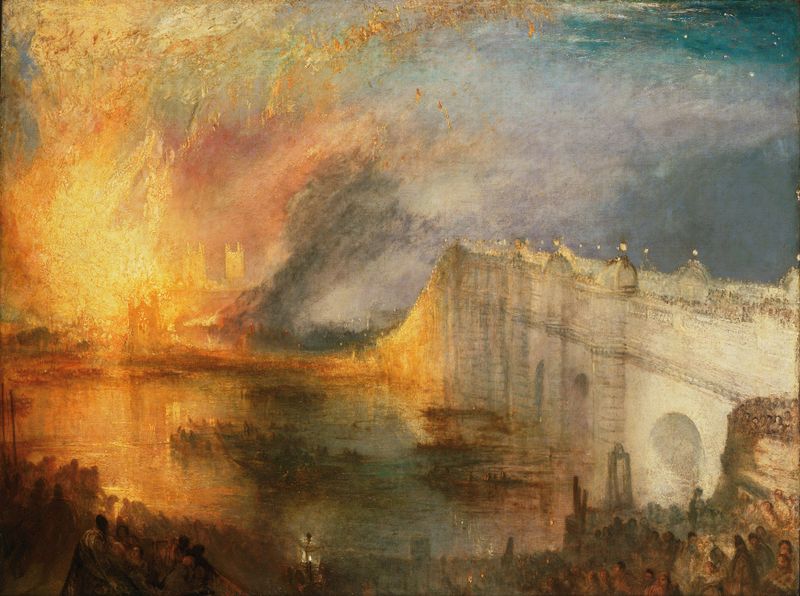
The Burning of the Houses of Lords and Commons, October 16, 1834
Joseph Mallord William Turner
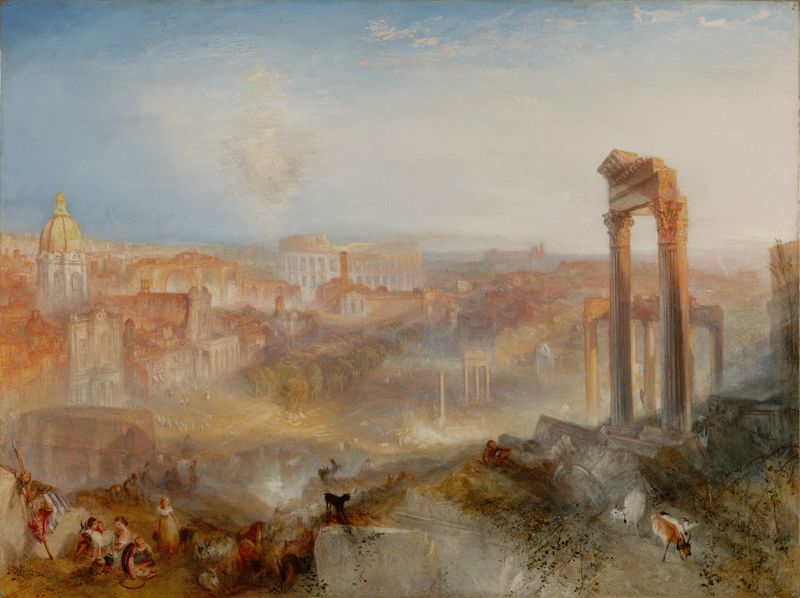
Modern Rome – Campo Vaccino
Joseph Mallord William Turner
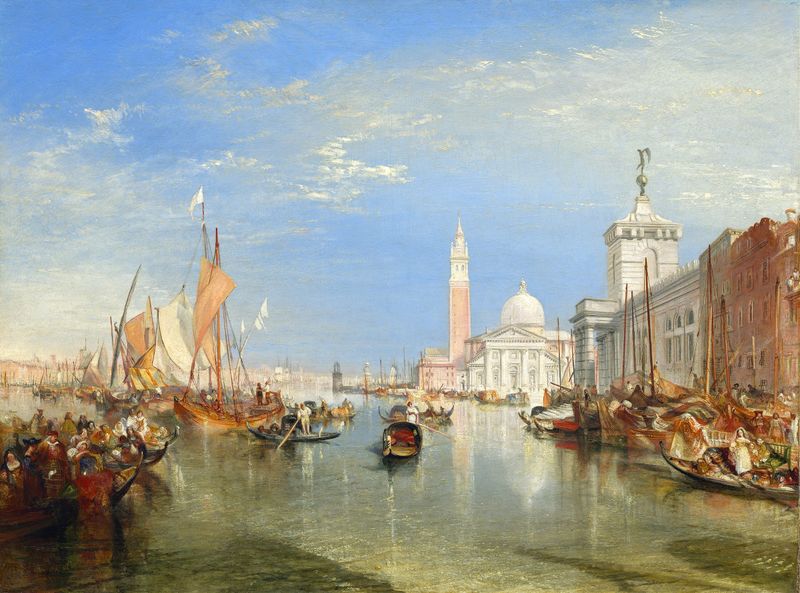
Venice – The Dogana and San Giorgio Maggiore
Joseph Mallord William Turner

The Burning of the Houses of Lords and Commons, 16 October 1834
Joseph Mallord William Turner
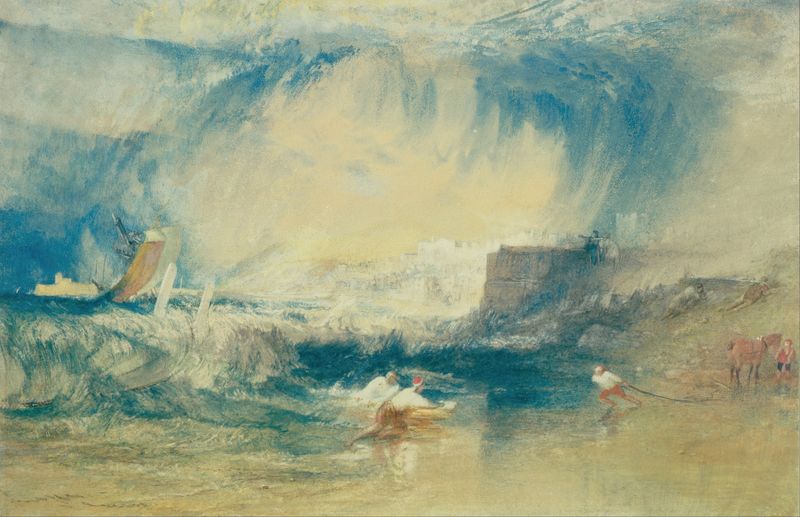
Lyme Regis, Dorsetshire, England
Joseph Mallord William Turner
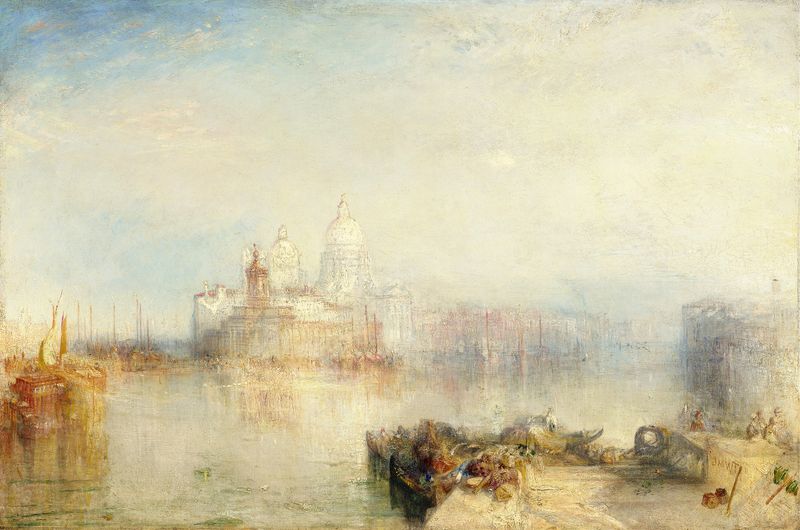
The Dogana and Santa Maria della Salute, Venice
Joseph Mallord William Turner
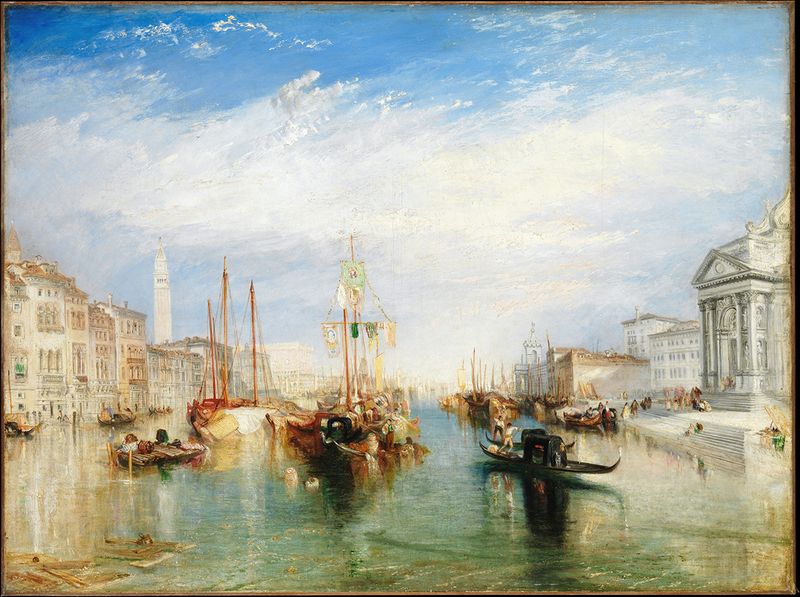
Venice, from the Porch of Madonna della Salute
Joseph Mallord William Turner
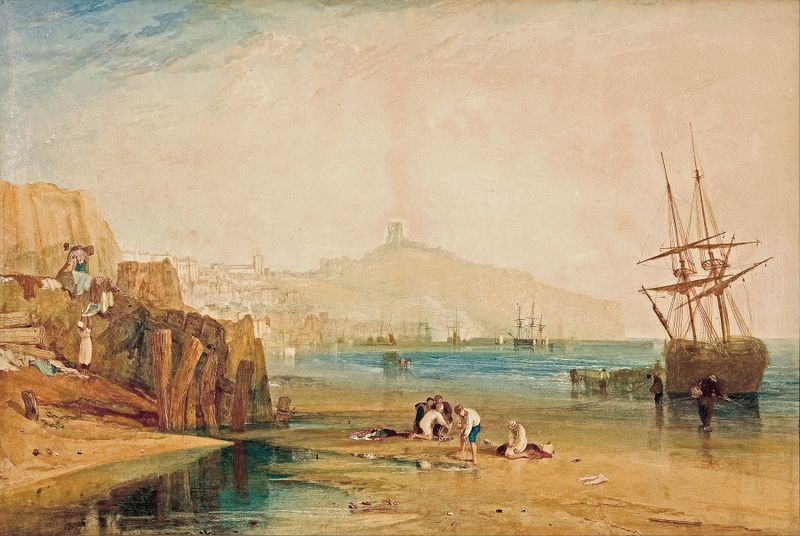
Scarborough town and castle; morning; boys catching crabs
Joseph Mallord William Turner
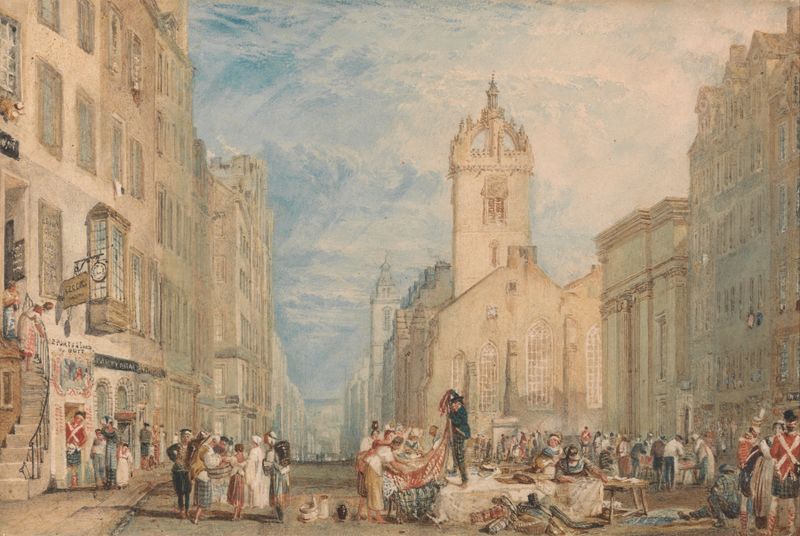
High Street, Edinburgh
Joseph Mallord William Turner




