
Shipping on a stormy sea — History & Facts
What grips the viewer first in Shipping on a stormy sea by Abraham Salm is the precarious angle of the ship in the foreground, its mast pitched wildly as if moments from disaster. The eye is drawn from the foaming, restless water to the figures clinging to the rocks and the vessel, each one a study in desperation and resolve. The sky, rendered with a pale, almost bleached wash, presses down on the scene, amplifying the sense of exposure and uncertainty.
Every line etched into the waves and rigging serves a purpose—heightening the tension between human ambition and the indifferent might of the sea. The distant ship, steadier but still battered, offers a faint echo of hope or perhaps a reminder of how quickly fortune can turn. Works like this belong to a long tradition of maritime art in the Low Countries, where the sea was both livelihood and threat. Artists such as Salm were often commissioned by merchants or shipowners eager to commemorate their ventures, or by collectors fascinated by the drama of the ocean.
The image here, auctioned at Sotheby’s London in July 2011, stands as a testament to the enduring hold these seascapes exerted over viewers of the period. Few facts have survived about this particular work, but its energy and detail place it firmly within the world of 18th- and 19th-century marine painting, when artists balanced documentary precision with a taste for spectacle. Let your gaze linger on the figures at the water’s edge—their gestures still speak across centuries of the thin line between disaster and survival.
More Artworks by Abraham Salm
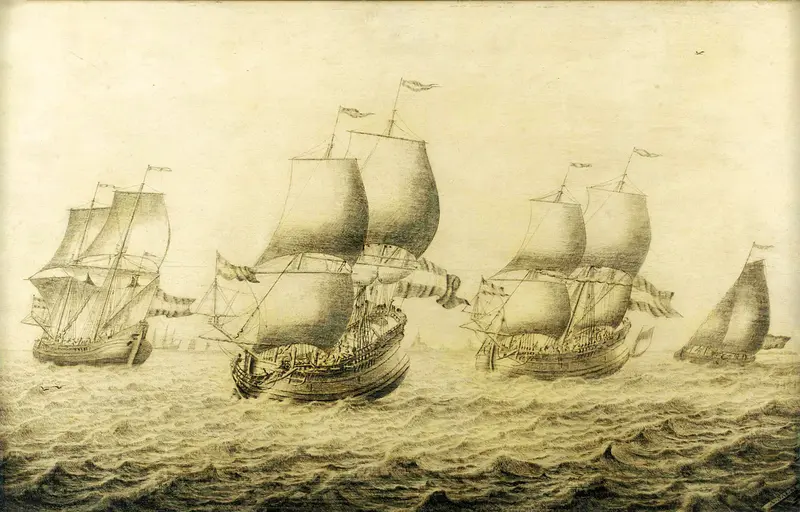
A Fleet of Whalers
Abraham Salm
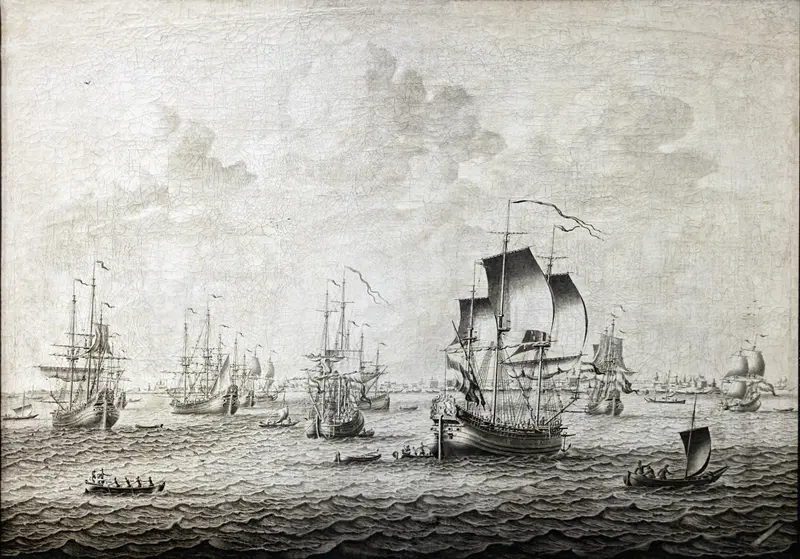
Marine with calm Sea
Abraham Salm
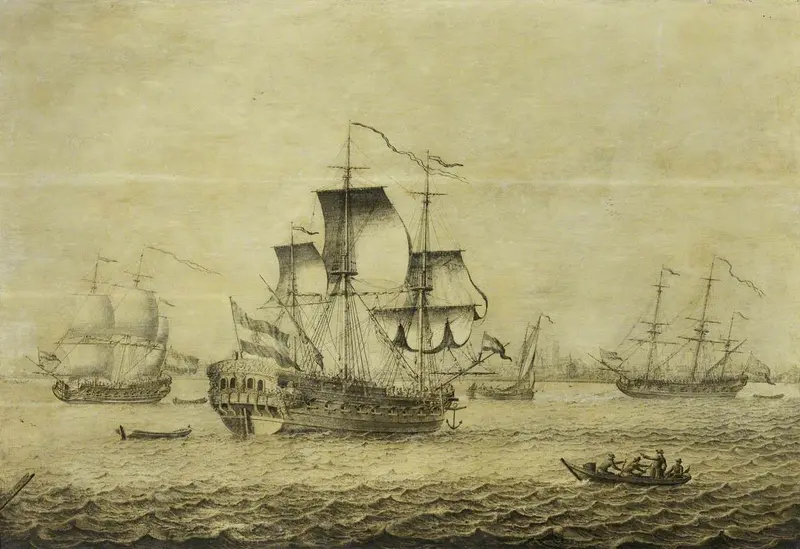
A Dutch frigate off Rotterdam
Abraham Salm

A DUTCH MAN-OF-WAR WITH A FLOTILLA OF FISHING BOATS AND OTHER SHIPS: A PENSCHILDERIJ
Abraham Salm
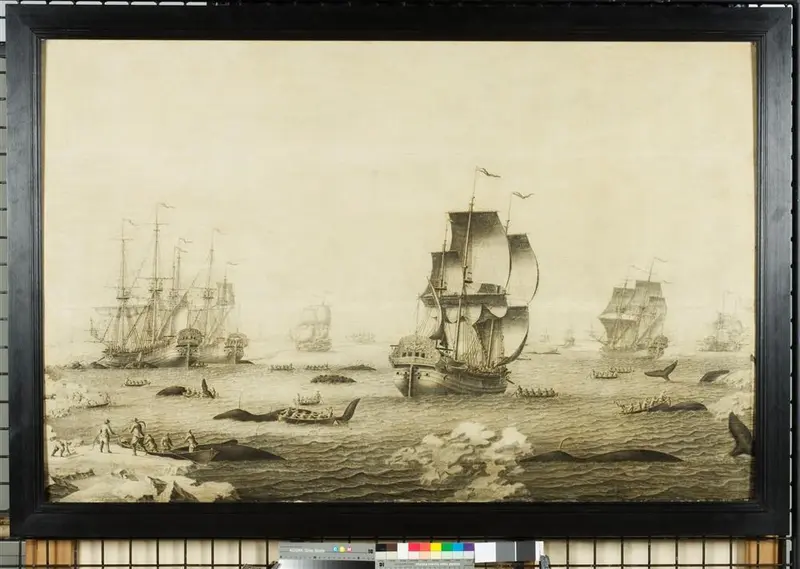
Adriaen Cornelisz (van der) Salm Walvisvaarders in bedrijf P1293 Maritime Museum Rotterdam
Abraham Salm
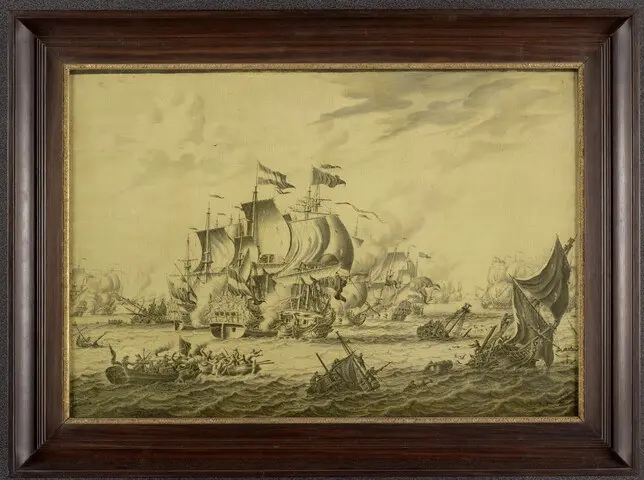
Adriaen Cornelisz. van Salm Een zeegevecht tussen Nederlandse, Engelse, en Franse oorlogsschepen A.2766 Het Scheepvaartmuseum
Abraham Salm
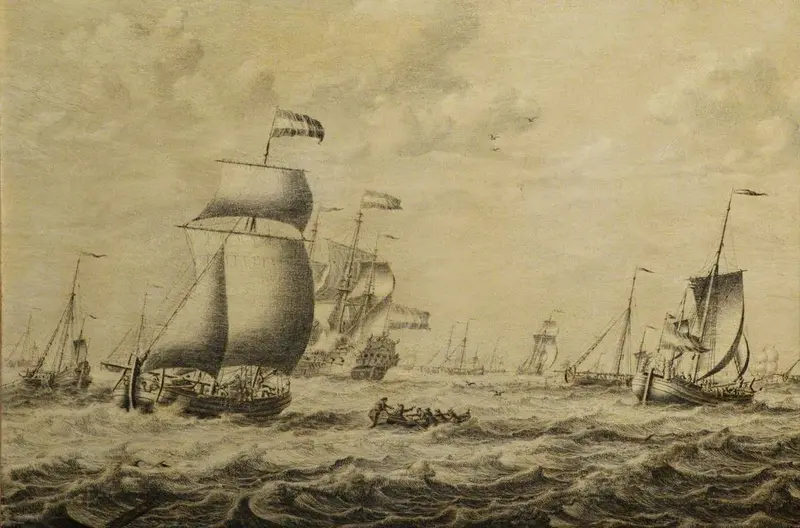
Dutch herring fishery
Abraham Salm
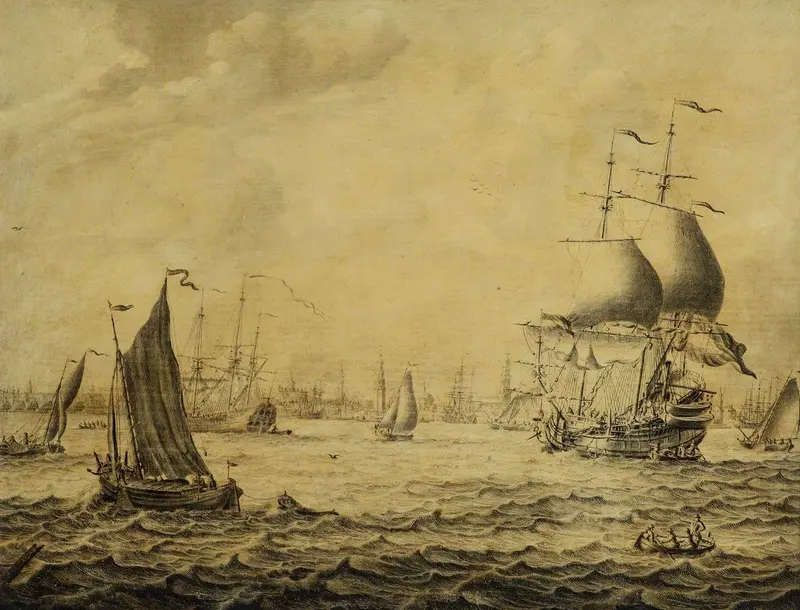
Dutch merchantmen and small craft in a roadstead
Abraham Salm
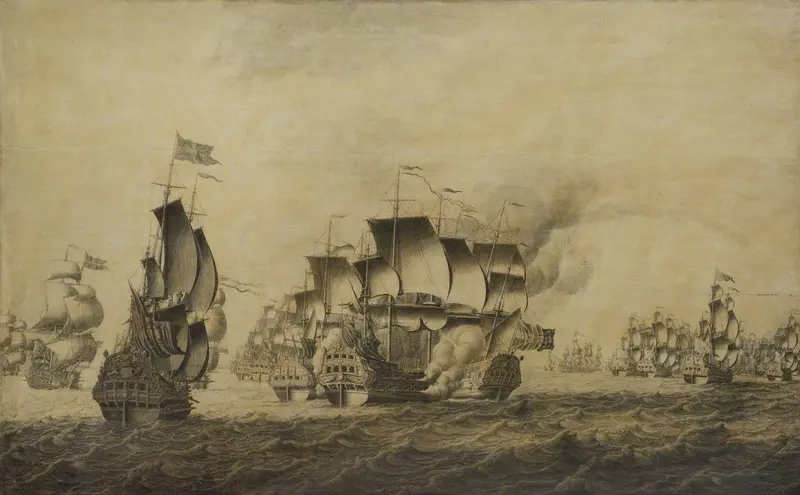
Forbin's Attempt Against Scotland, 13 March
Abraham Salm

Abraham van Salm Een walvisvaarder en twee fluitschepen A.4152 Het Scheepvaartmuseum
Abraham Salm





