
Shugetsu no Urayasu (Urayasu in early autumn) — History & Facts
When did color learn to lie? In a world where innocence resides, the subtlety of hues can evoke both truth and illusion, blurring the lines between memory and imagination. Begin your exploration by focusing on the gentle blend of blues and browns that define the tranquil landscape. Look closely at the soft strokes that convey the fluidity of water, mirroring the surrounding autumn foliage. Notice how the dappled sunlight dances upon the surface, casting a serene glow that invites you to linger.
This is an intimate moment captured, where nature whispers secrets through the tranquil composition. The interplay of light and shadow reveals deeper emotional currents beneath the surface. The distant trees, with their autumnal hues, suggest a fleeting passage of time, evoking nostalgia and a bittersweet sense of longing. Meanwhile, the serene water reflects not just the landscape but also the innocence of a simpler existence, hinting at the beauty found in ephemeral moments.
Each brushstroke serves as a reminder of nature's transient grace. In 1931, Kawase Hasui created Shugetsu no Urayasu during a period of profound change in Japan, as traditional art forms met modern influences. Living amidst the shift towards urbanization, Hasui’s work encapsulated the enduring allure of the natural world, seeking solace in its beauty. His prints were celebrated for their masterful technique and emotional depth, marking him as a pivotal figure in the shin-hanga movement, which aimed to harmonize Western styles with Japanese aesthetics.
More Artworks by Kawase Hasui
Browse all →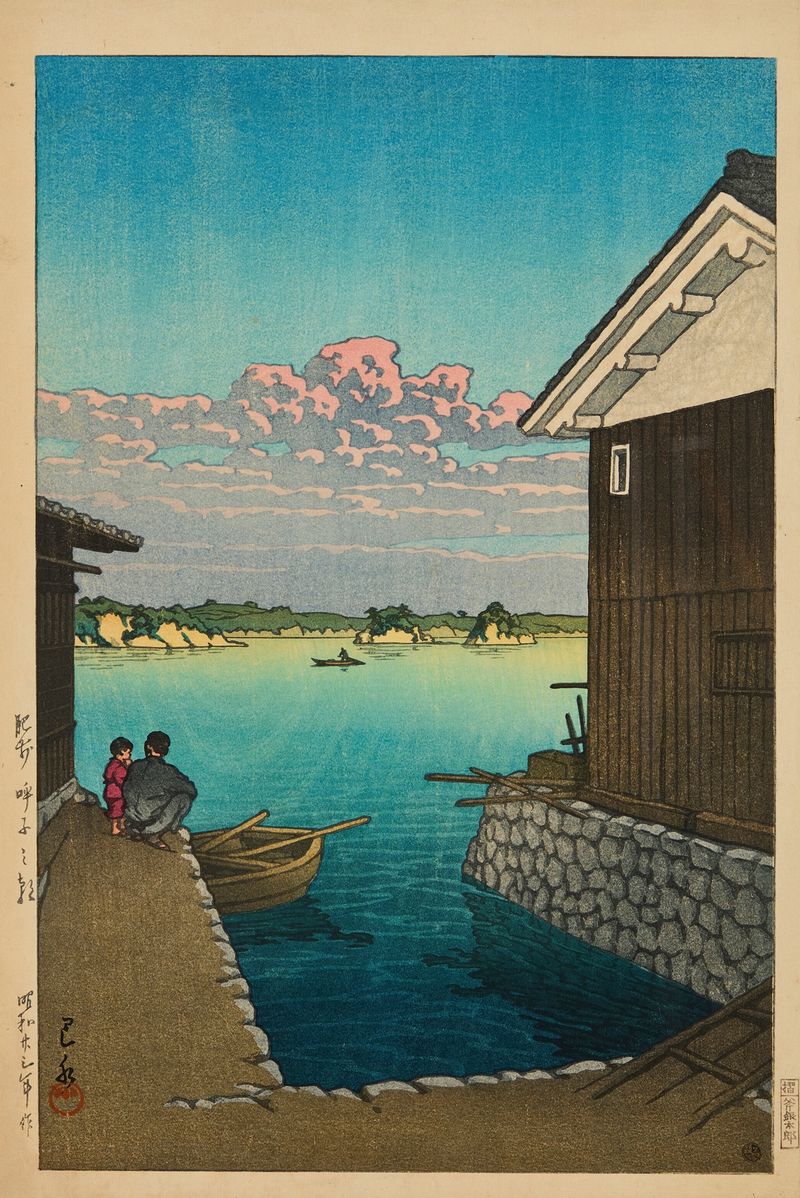
Hizen Yobuko no asa (Morning in Yobuko, Hizen)
Kawase Hasui
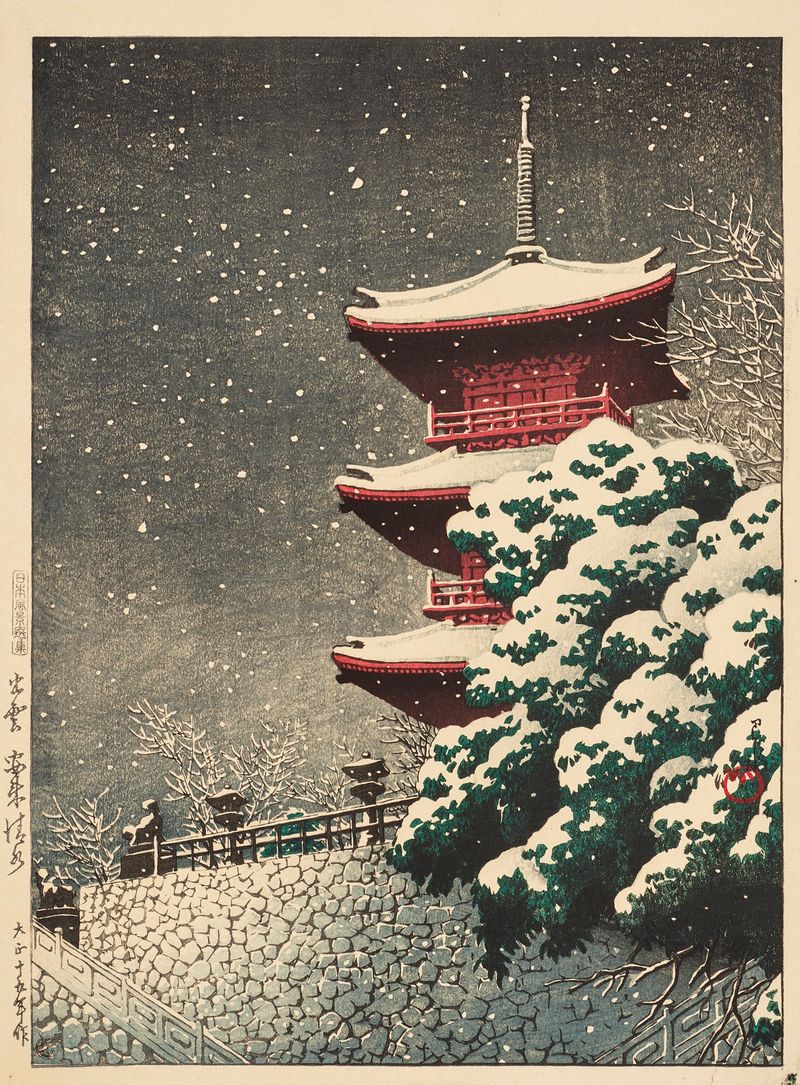
Izumo, Yasugi Kiyomizu (Yasugi Kiyomizu Temple at Izumo)
Kawase Hasui
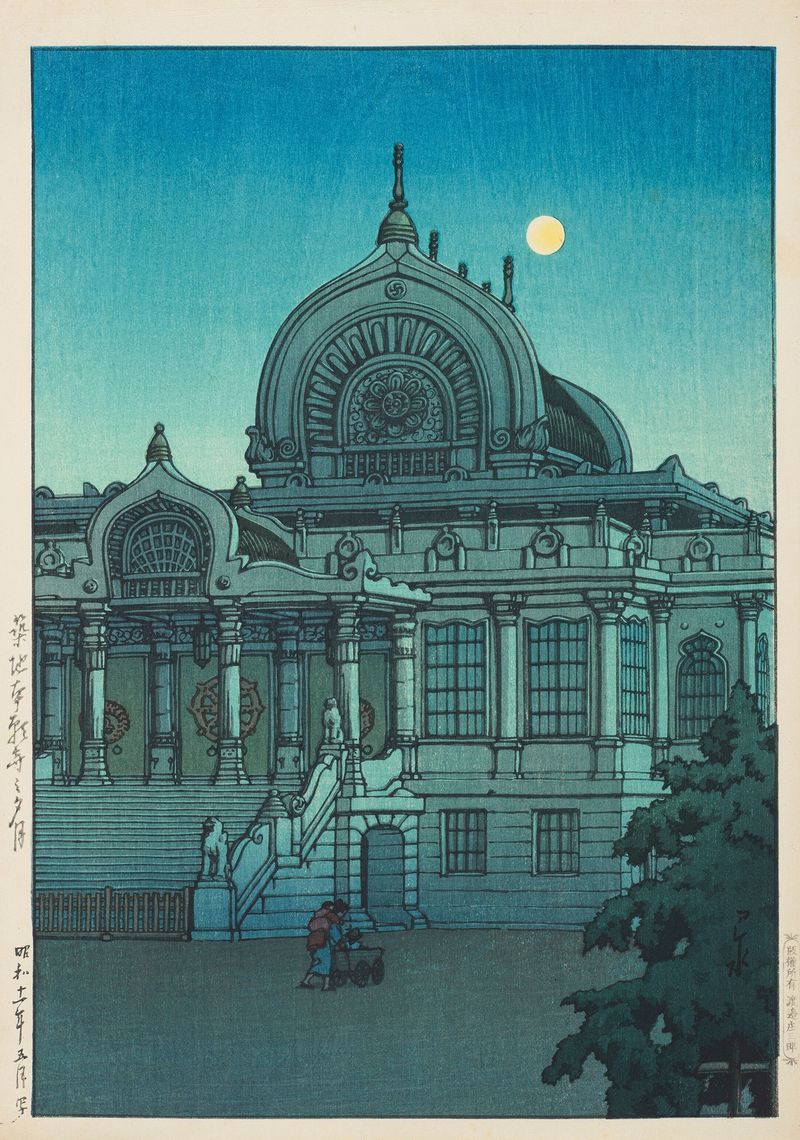
Tsukiji Honganji no yuzuki (Evening moon at Honganji Temple in Tsukiji)
Kawase Hasui
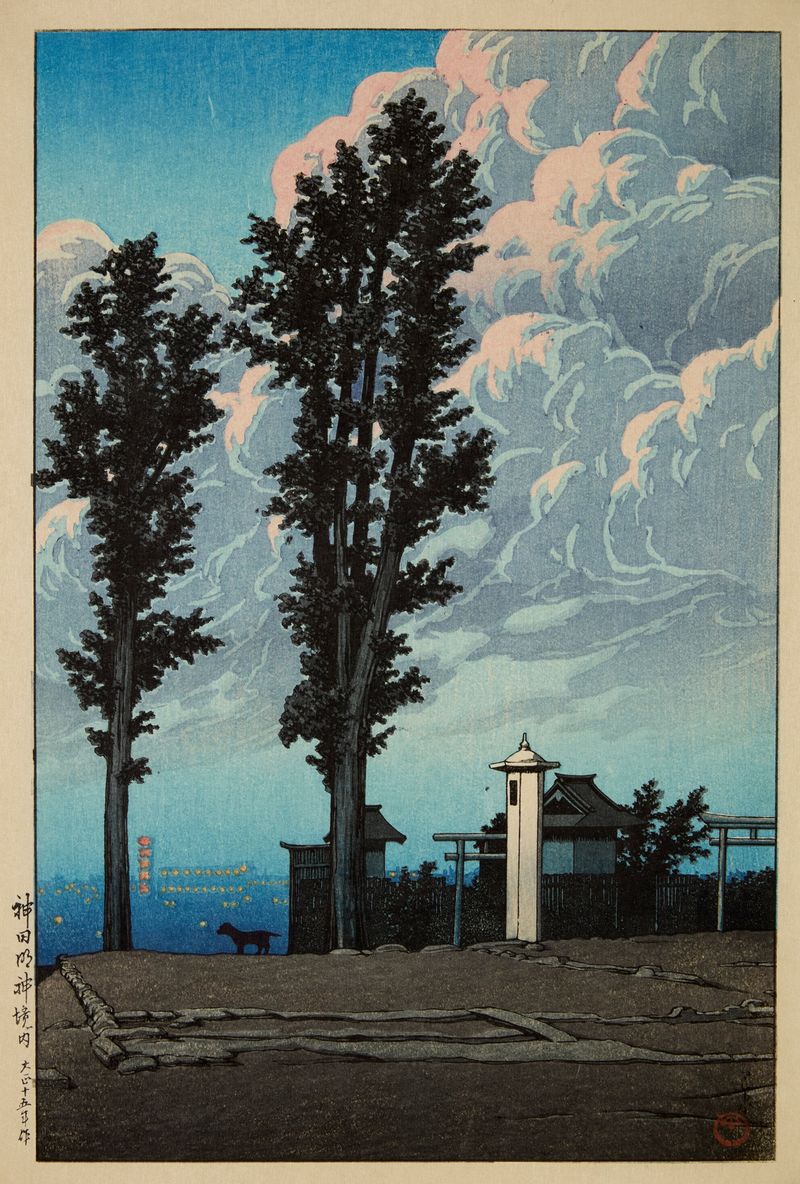
Kanda Myojin keidai (Kanda Myojin Shrine precent)
Kawase Hasui
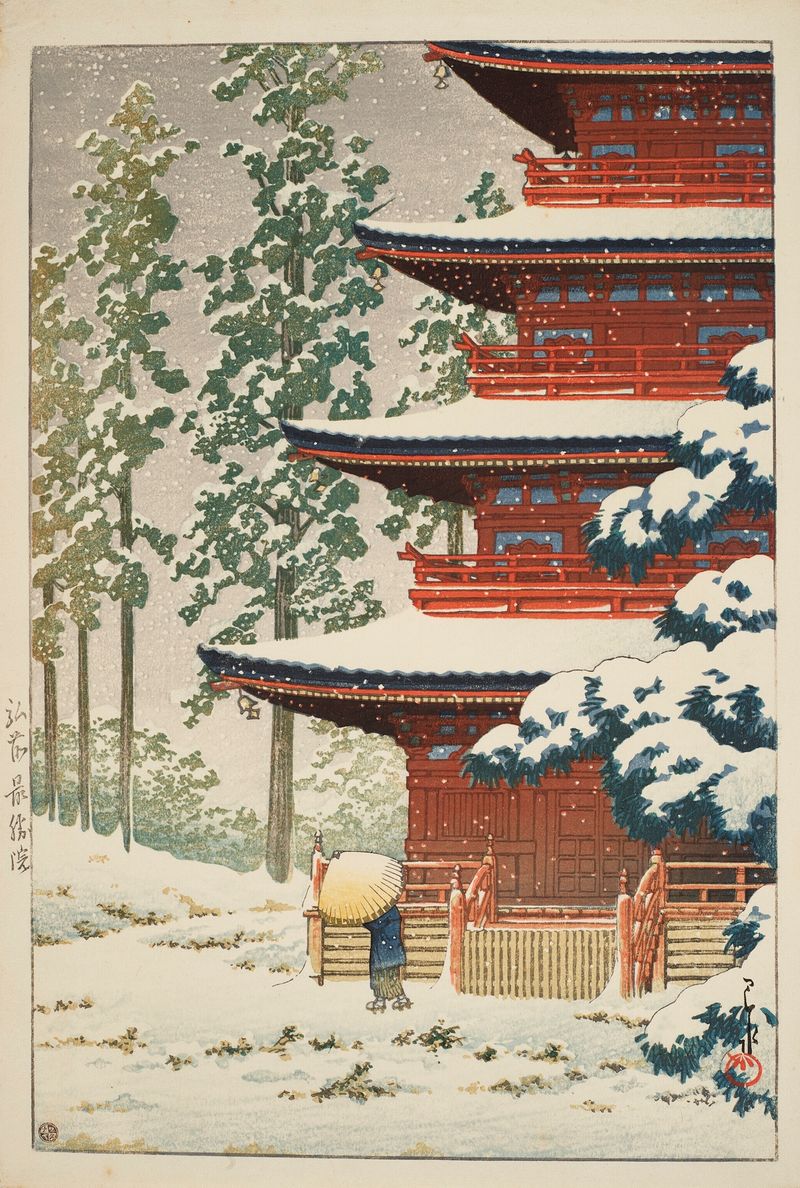
Saisho-in Temple, Hirosaki
Kawase Hasui
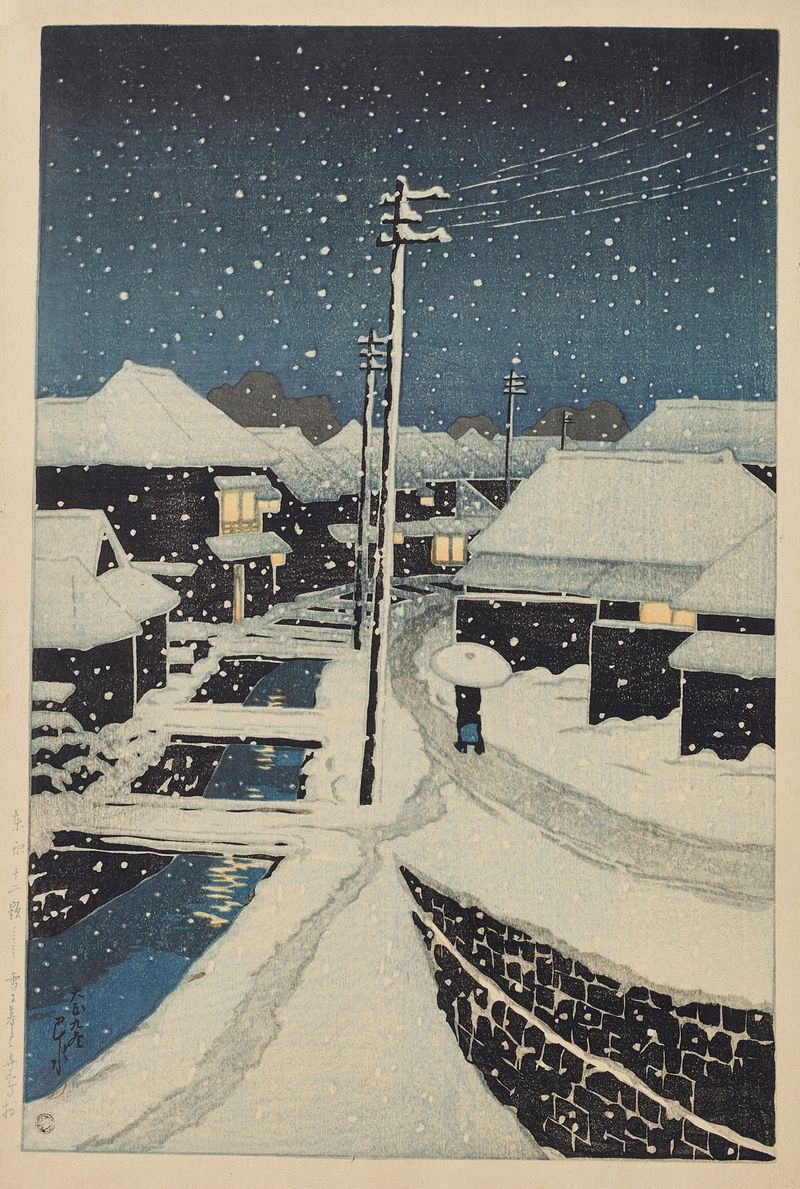
Yuki ni fururu Terajima mura (Evening snow at Terajima Village)
Kawase Hasui
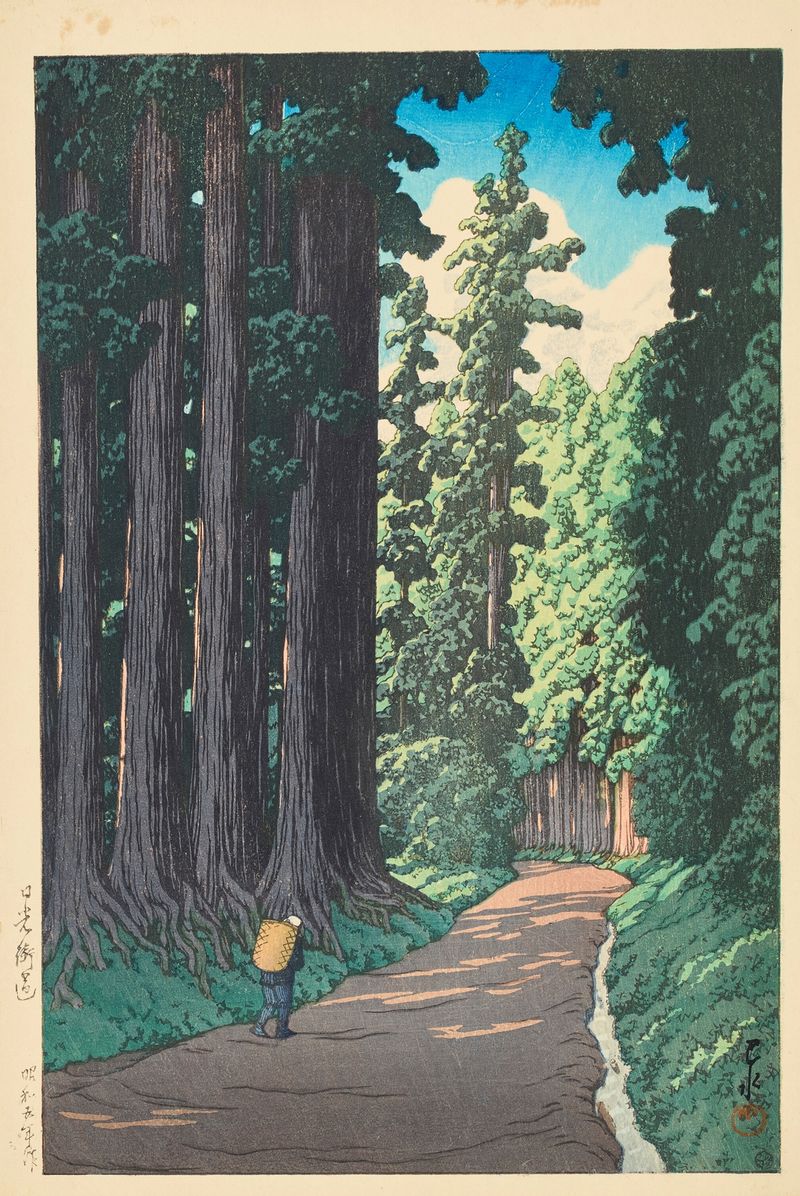
Nikko gaido (The Road to Nikko)
Kawase Hasui
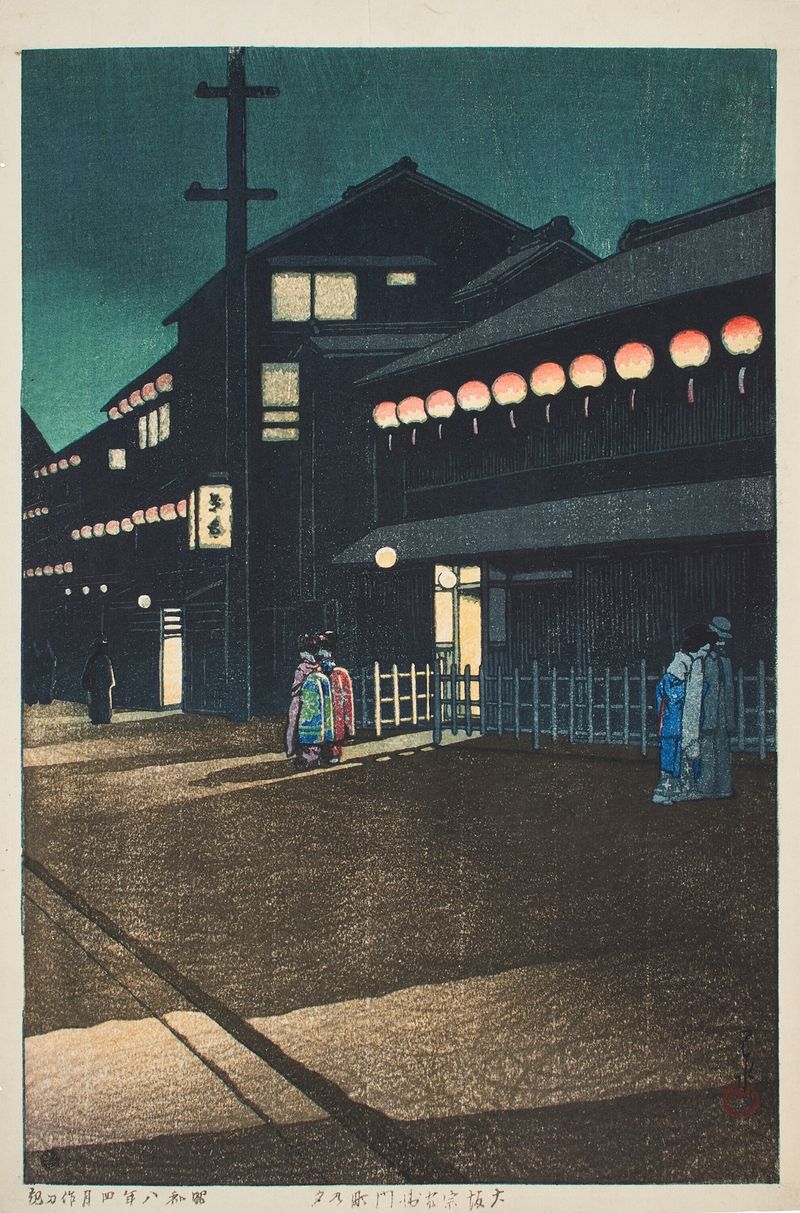
Osaka Soemon-cho no yu (Evening in Soemon-cho, Osaka)
Kawase Hasui
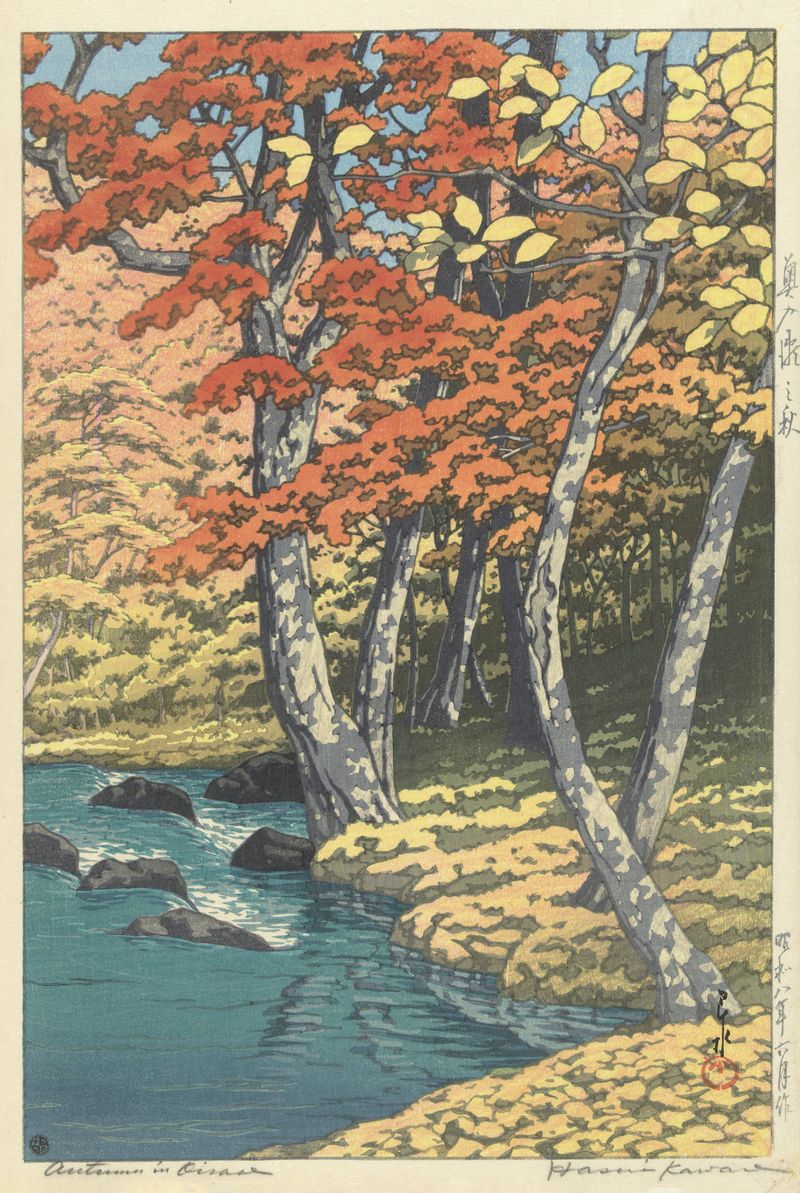
Autumn In Oirase
Kawase Hasui
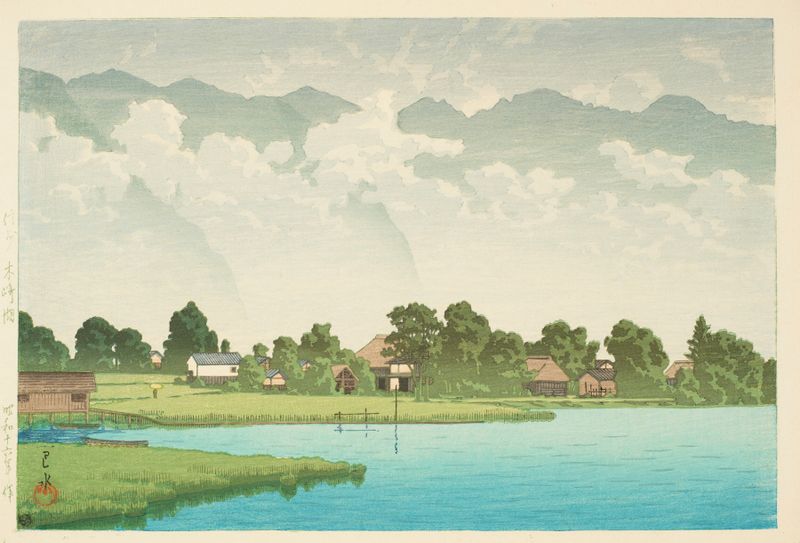
Shinshu Kizakiko (Kizaki Lake in Shinshu)
Kawase Hasui





