Sień Domu Baryczków — History & Facts
When did color learn to lie? In the interplay of hues, the surface can conceal the deepest traumas, crafting a world where beauty masks violence. Focus on the vivid greens that dominate the scene, drawing your eye to the lush foliage enveloping the domestic space. Notice how the sunlight dapples through the trees, illuminating the contours of the house while casting long shadows that hint at secrets just beyond reach. The warm earth tones of the structure contrast sharply with the vibrant colors of nature, creating a tension that invites scrutiny of what lies beneath the surface. Yet beneath this picturesque facade, a sense of unease lurks.
The sharp angles of the roof and the ominous darkness of the door suggest an invitation and a warning, a duality present in every brushstroke. The gentle tranquility of the garden clashes with the oppressive weight of the architecture, echoing a history of silence concealing violence. Each detail, from the twisted branches to the subtle distortions in perspective, reflects an emotional landscape where harmony and discord coexist. In 1930, Tadeusz Cieślewski crafted Sień Domu Baryczków during a time of great political and social upheaval in Poland.
As the encroaching shadows of conflict began to darken European landscapes, art became a medium through which complex truths were expressed. This piece stands as a testament to a period in which beauty and violence were inextricably linked, revealing the artist's awareness of the fragility of peace in a world on the brink.
More Artworks by Tadeusz Cieślewski
Browse all →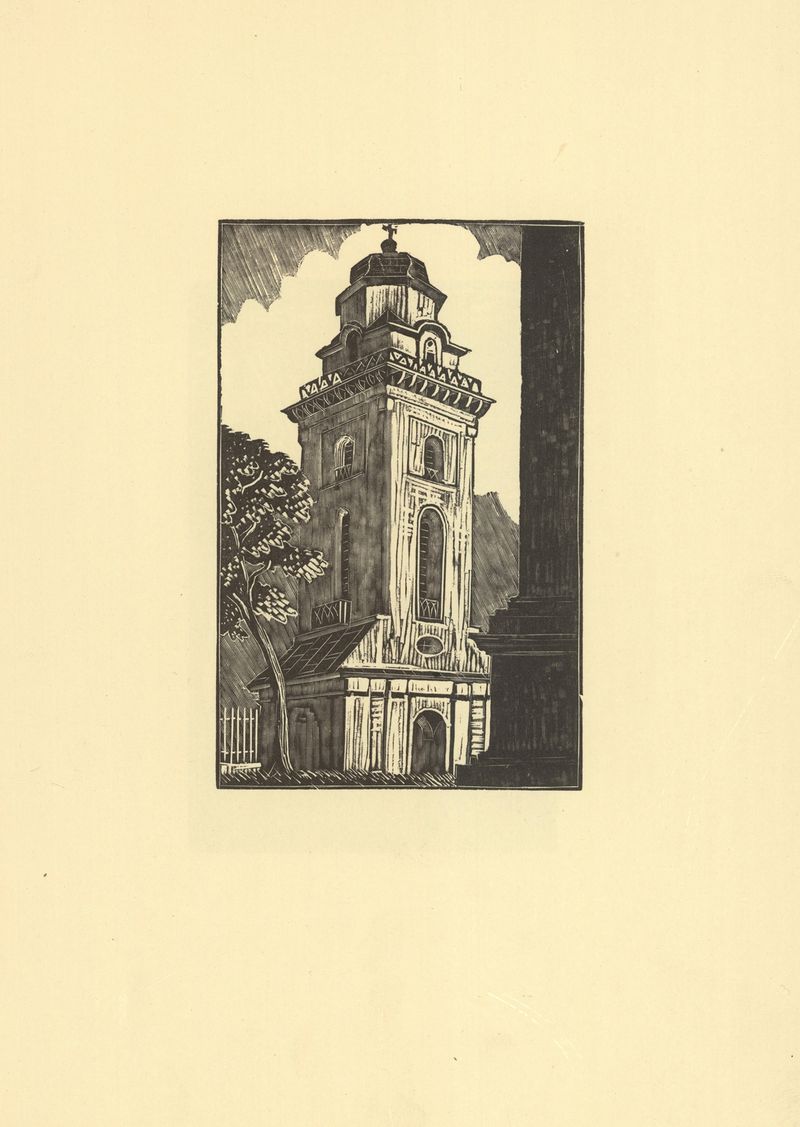
Zamość Pl.2
Tadeusz Cieślewski

Dwanaście widoków Warszawy – Title page
Tadeusz Cieślewski
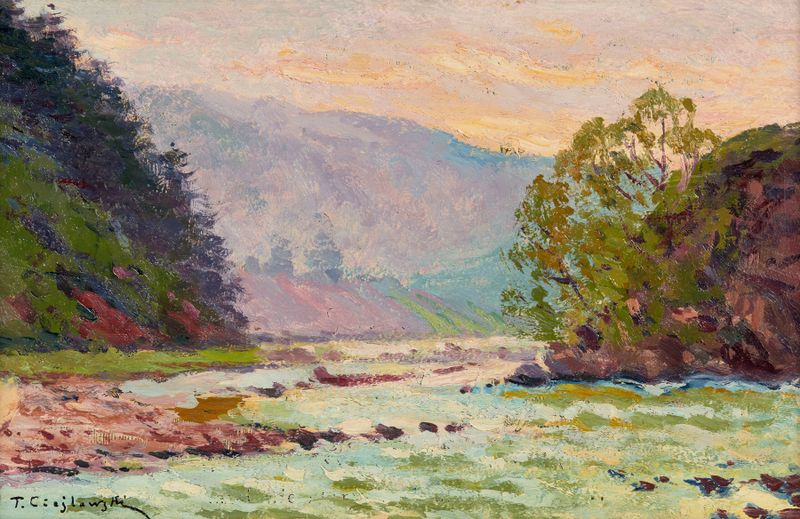
Mountainous landscape with a river
Tadeusz Cieślewski
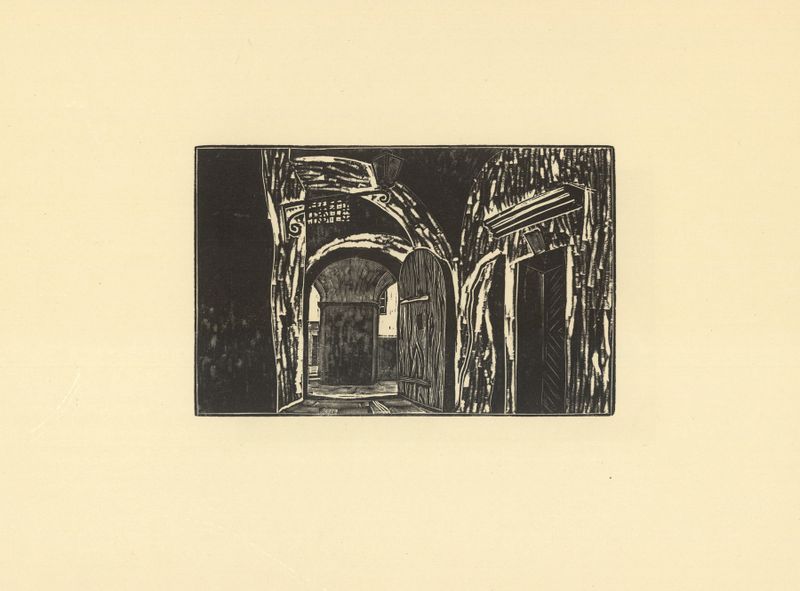
Zamość Pl.3
Tadeusz Cieślewski
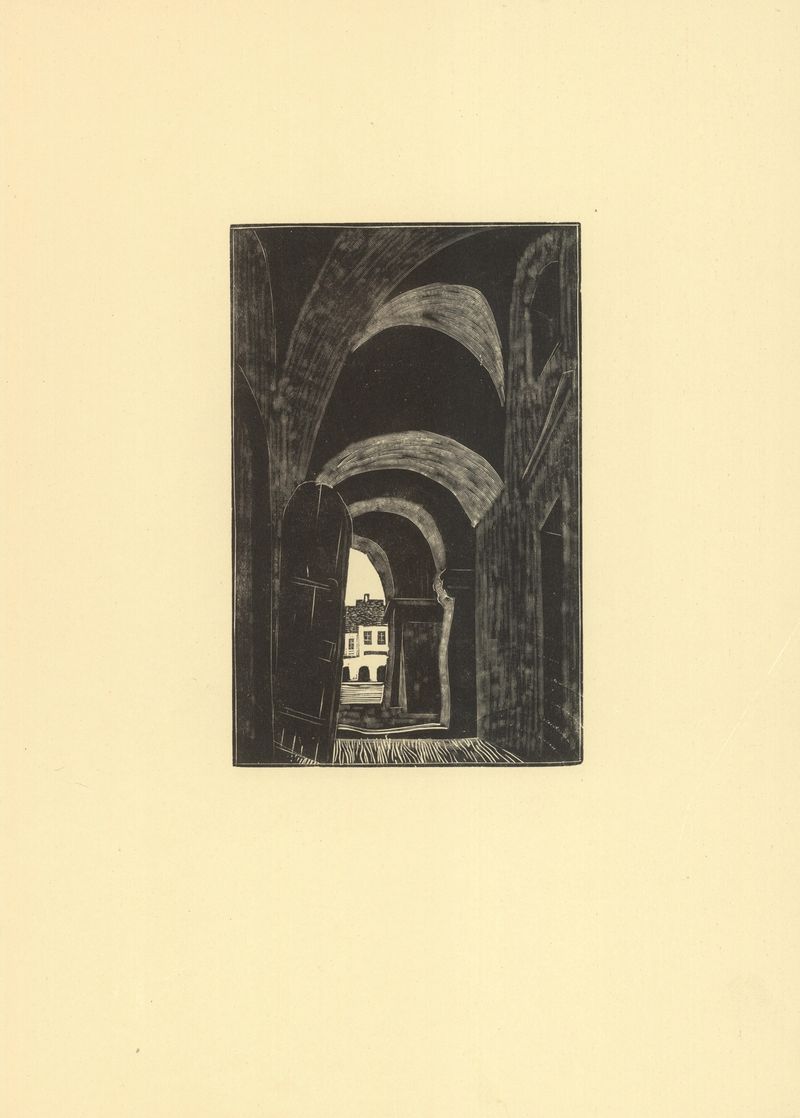
Zamość Pl.5
Tadeusz Cieślewski
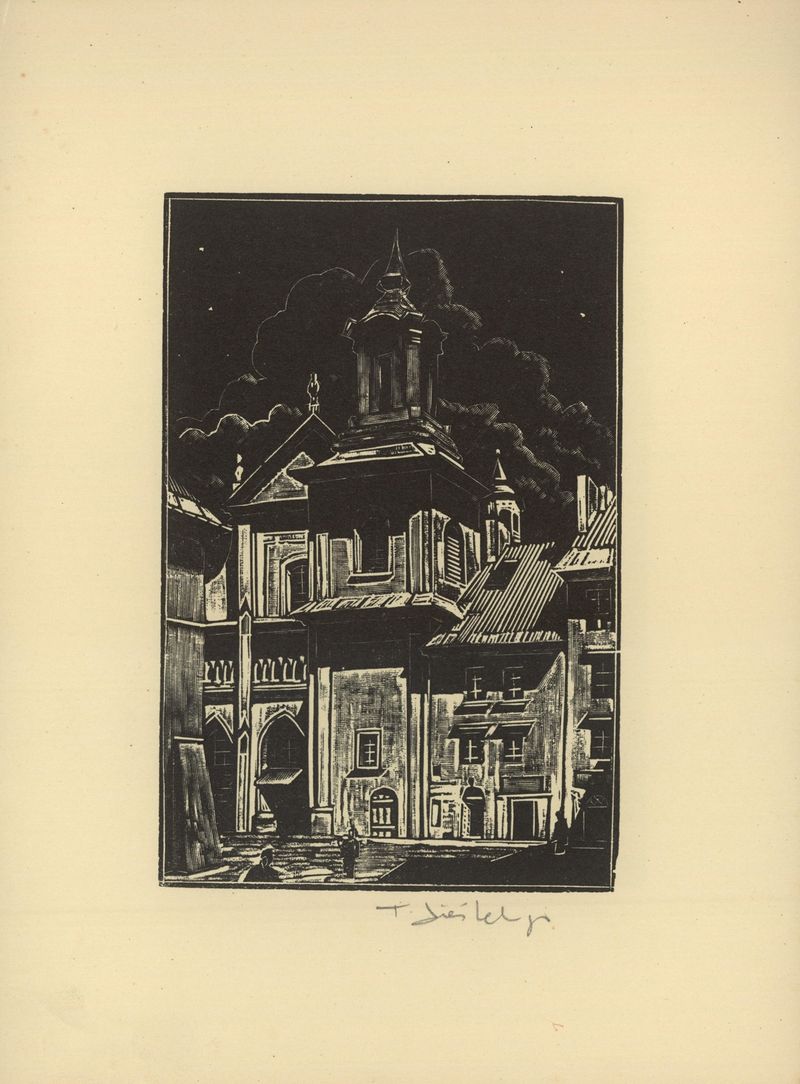
Kościół Dominikanów
Tadeusz Cieślewski

Pomnik Kopernika
Tadeusz Cieślewski
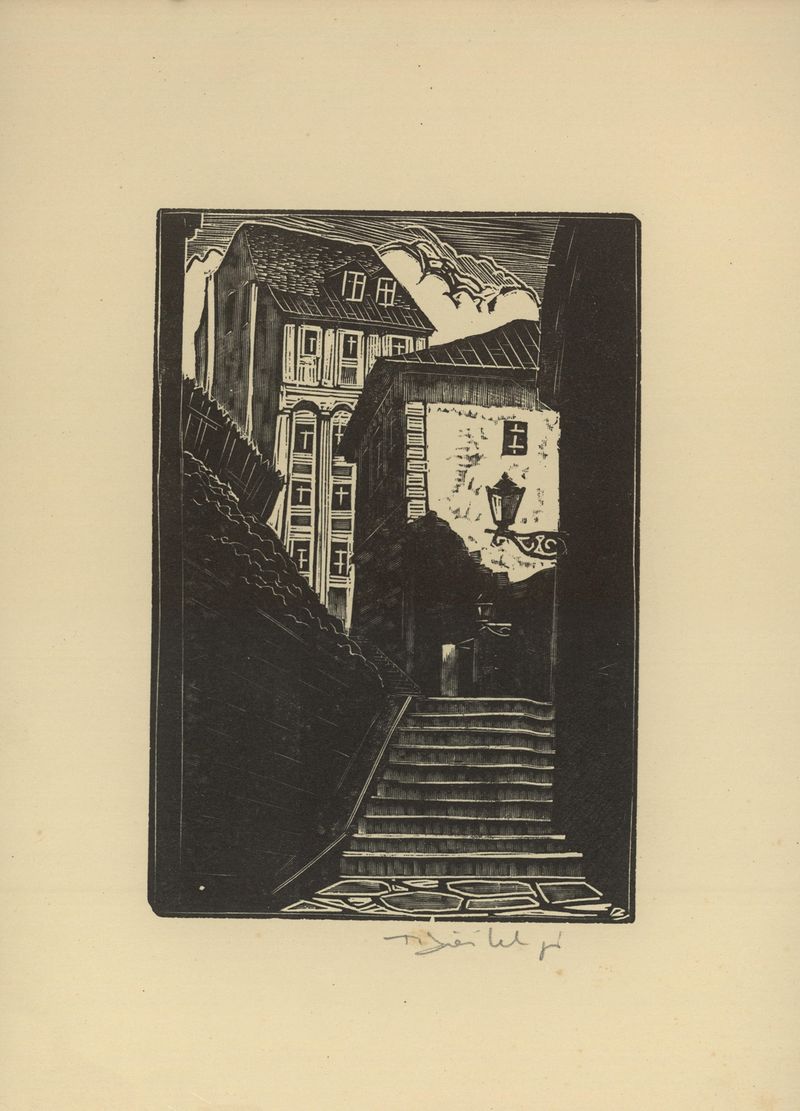
Kamienne Schodki
Tadeusz Cieślewski
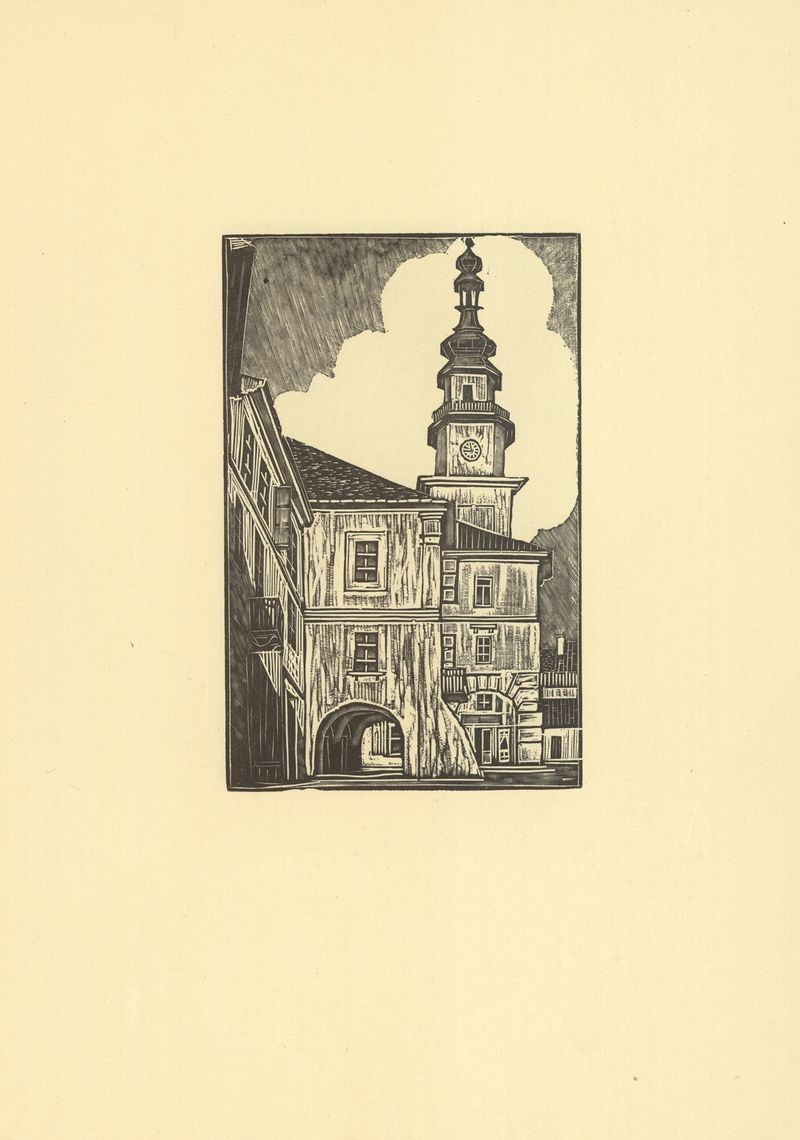
Zamość Pl.4
Tadeusz Cieślewski
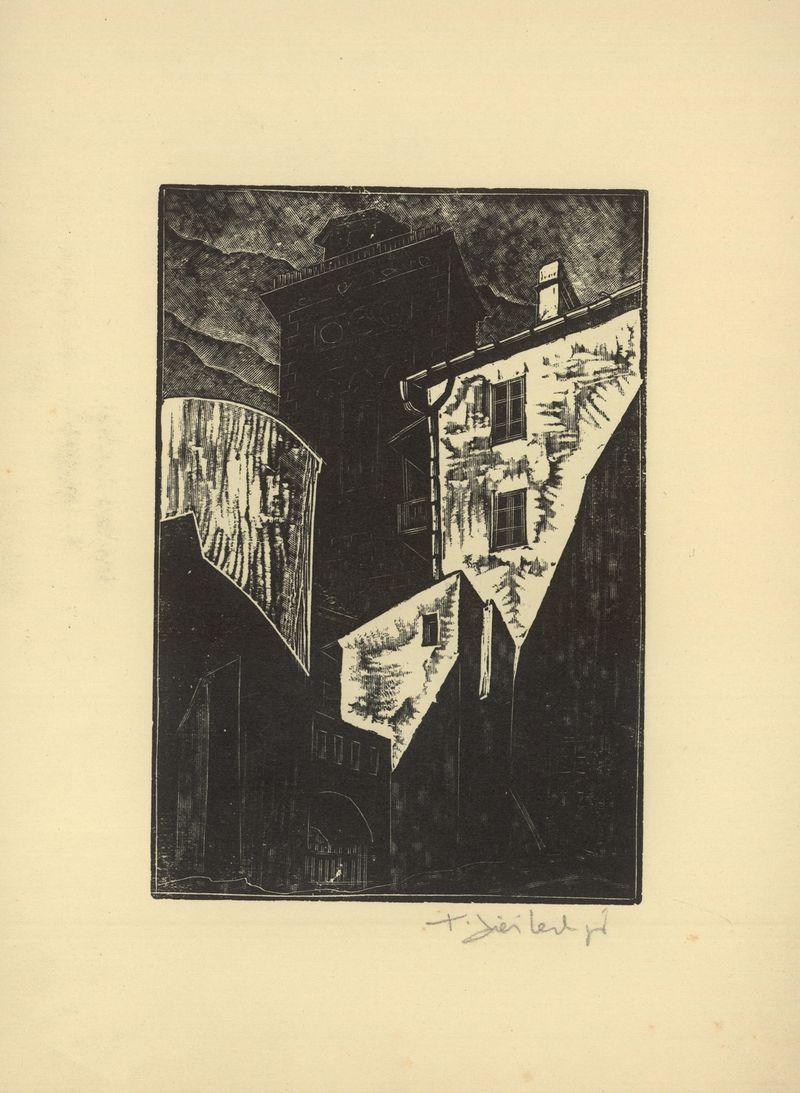
Wieża Bernardynów
Tadeusz Cieślewski