
Sigismund III Vasa — History & Facts
Few portraits in Polish art have sparked as much discussion about royal image as Sigismund III Vasa by Jan Matejko. The painting’s subject, Sigismund III, was a king whose reign (1587–1632) saw the Polish-Lithuanian Commonwealth at its height, yet his ambitions to unite Sweden and Poland led to decades of war and controversy. Matejko’s decision to paint Sigismund was not merely historical—it was political: in the late nineteenth century, as Poland languished under partition, Matejko’s portraits of past rulers became acts of cultural resistance, reminders of lost sovereignty and national pride. The king appears at the height of his power, draped in sumptuous robes and crowned with the distinctive Polish closed crown, his hand resting on the hilt of a ceremonial sword.
Matejko’s eye for detail is relentless: the heavy gold chain signals royal authority, while the deep, searching gaze hints at Sigismund’s complex legacy—both a devout Catholic and a ruler whose policies divided his realm. The background, often dark and undefined in Matejko’s portraits, throws the figure into sharp relief, making the king’s presence almost confrontational. Unlike the idealized, distant monarchs painted by earlier artists, such as Marcello Bacciarelli’s courtly Stanisław August Poniatowski, Matejko’s Sigismund is a man of flesh and blood, marked by the burdens of rule. The exact origins of this painting remain uncertain—no commission record survives, and its early history is obscure, as is its original medium.
What is clear is that Sigismund III Vasa belongs to Matejko’s celebrated series of royal portraits, painted in the late nineteenth century to fill the imagined “Gallery of Kings” at Kraków’s Wawel Castle. Over the years, the painting has become an icon of Polish historical memory, reproduced in textbooks and commemorative prints. Today, it is housed in the collections of the Royal Castle in Warsaw, a testament to both the enduring power of Matejko’s vision and the complicated legacy of the king he chose to immortalize.
More Artworks by Jan Matejko
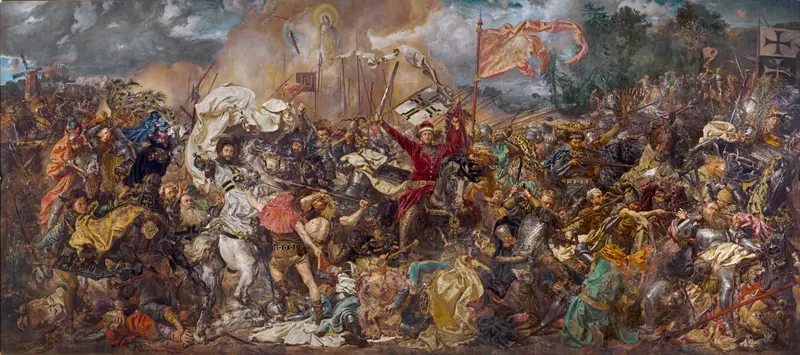
Battle of Grunwald
Jan Matejko

Stańczyk
Jan Matejko

Battle of Raclawice
Jan Matejko
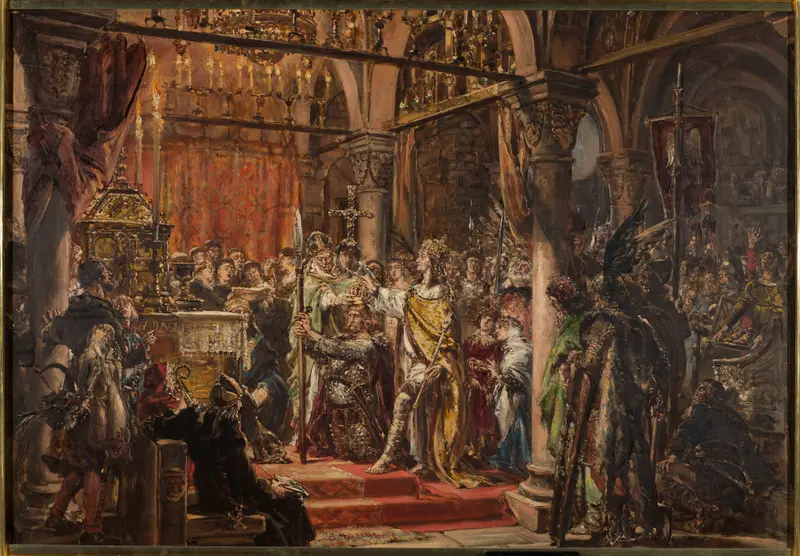
Coronation of the First King, 1001 AD, from the series “History of Civilization in Poland”
Jan Matejko
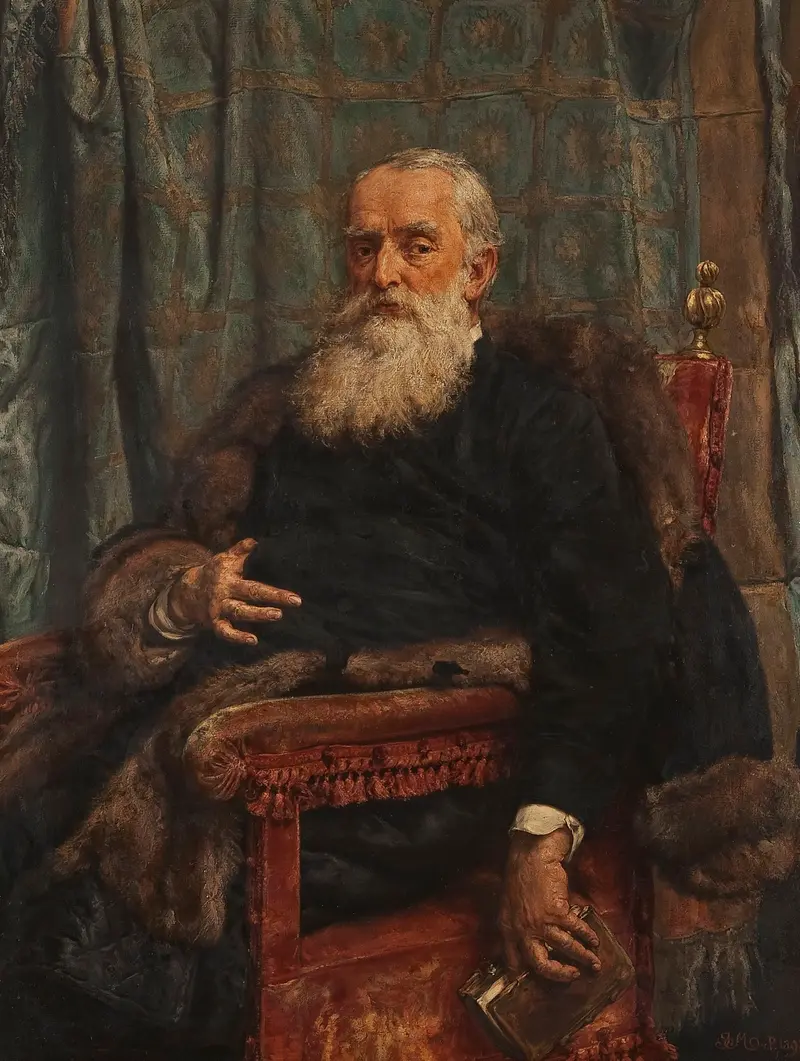
Portrait of Henryk Krajewski
Jan Matejko
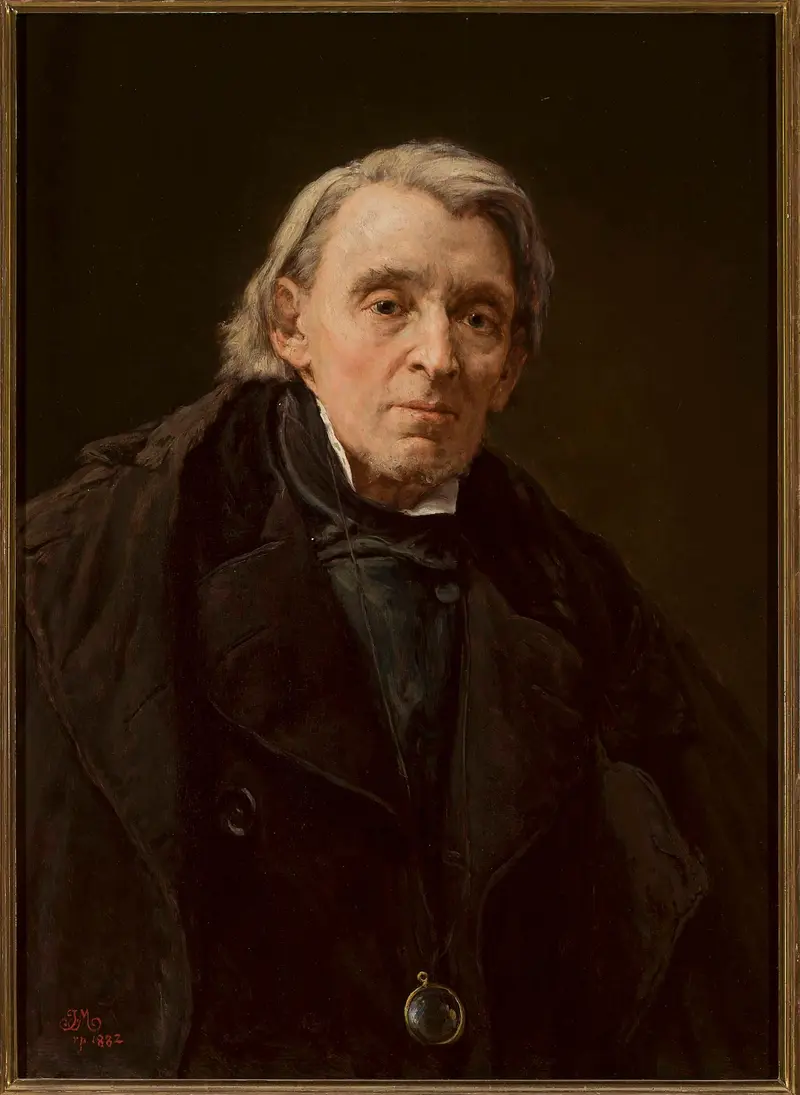
Portrait of Karol Podlewski
Jan Matejko
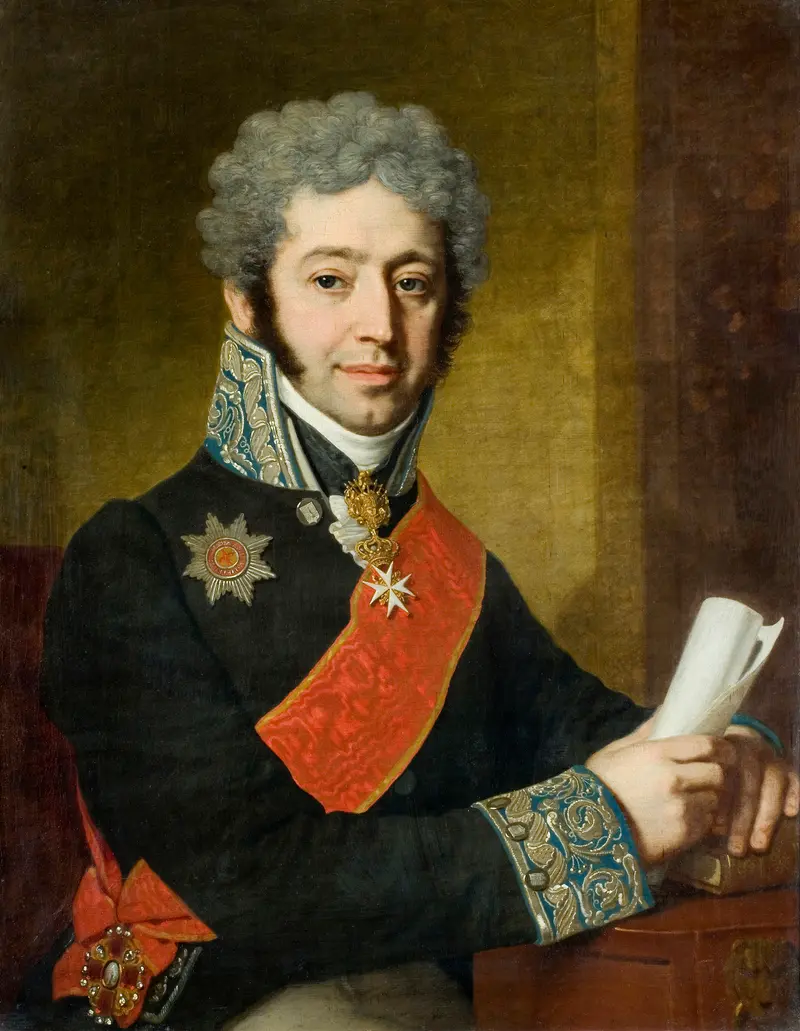
Portrait of Potocki and Poninski
Jan Matejko
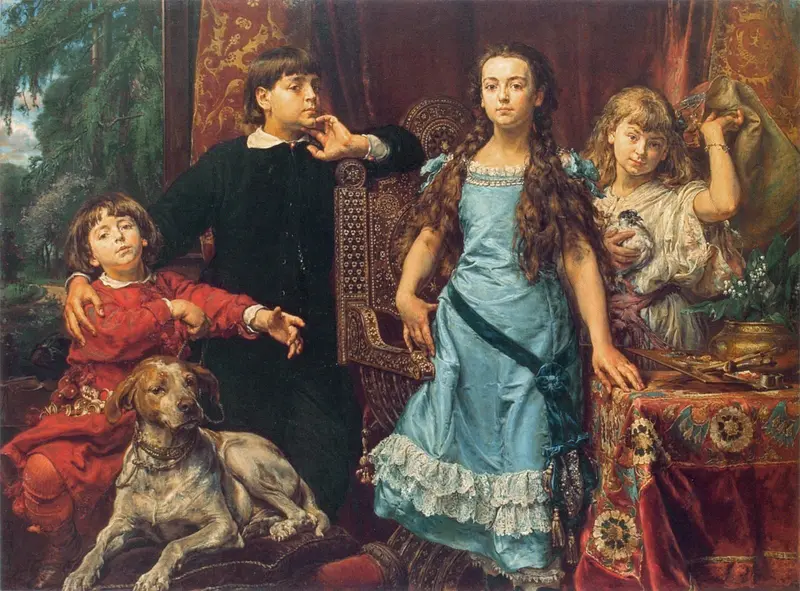
Portrait of the artist's four children
Jan Matejko
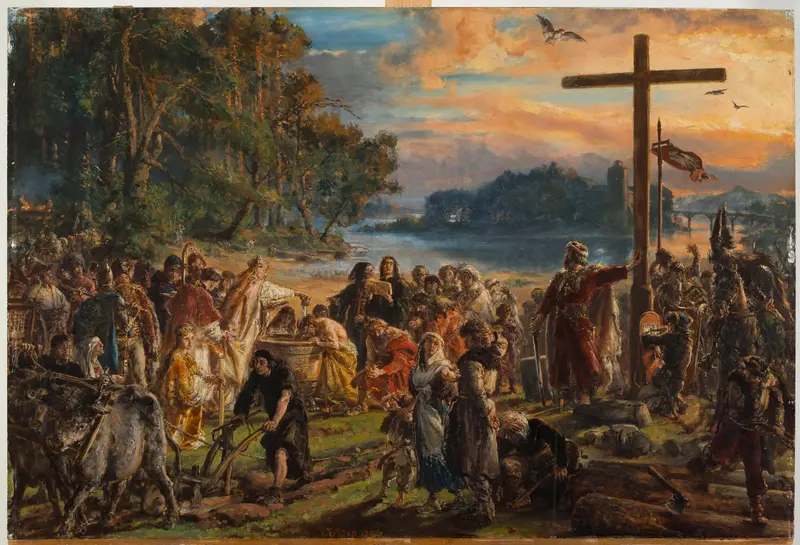
Introduction of Christianity in Poland
Jan Matejko
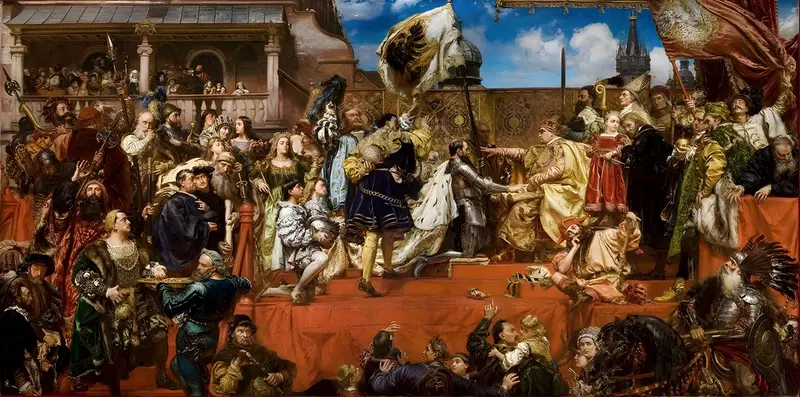
Prussian Homage
Jan Matejko





