
Simon Zelotes doormidden gezaagd — History & Facts
Did the painter know this moment would outlive them? In a time marked by profound transformation, the moment captured in Simon Zelotes doormidden gezaagd resonates deeply, inviting contemplation of rebirth amidst sacrifice. Focus on the figure at the center, where Simon Zelotes stands resolute, his posture conveying both power and vulnerability. The dramatic division down the middle of the canvas draws your eyes to the striking contrast between light and shadow, illuminating the tension of his impending fate. Notice how the deep reds and golds envelop him, creating an atmosphere of both reverence and foreboding, while delicate brushwork captures the nuanced expressions of those surrounding him. Within this striking composition lies a multitude of layers; the split down the middle symbolizes not just physical dismemberment but a transformative journey from life to martyrdom.
The figures around Simon, cloaked in muted tones, represent the collective breath of society, caught between despair and hope. The contrasting emotions encapsulated in their expressions evoke the broader struggle for faith and identity that defined the era. Lucas Cranach (I) created this work between 1510 and 1514, a period when the German Reformation was gaining momentum. Working in Wittenberg, he was deeply involved in the theological debates and artistic revolutions of the time, reflecting the shifting narratives of faith and power.
His art often mirrored these transformations, capturing pivotal moments of both human suffering and divine promise.
More Artworks by Lucas Cranach (I)
Browse all →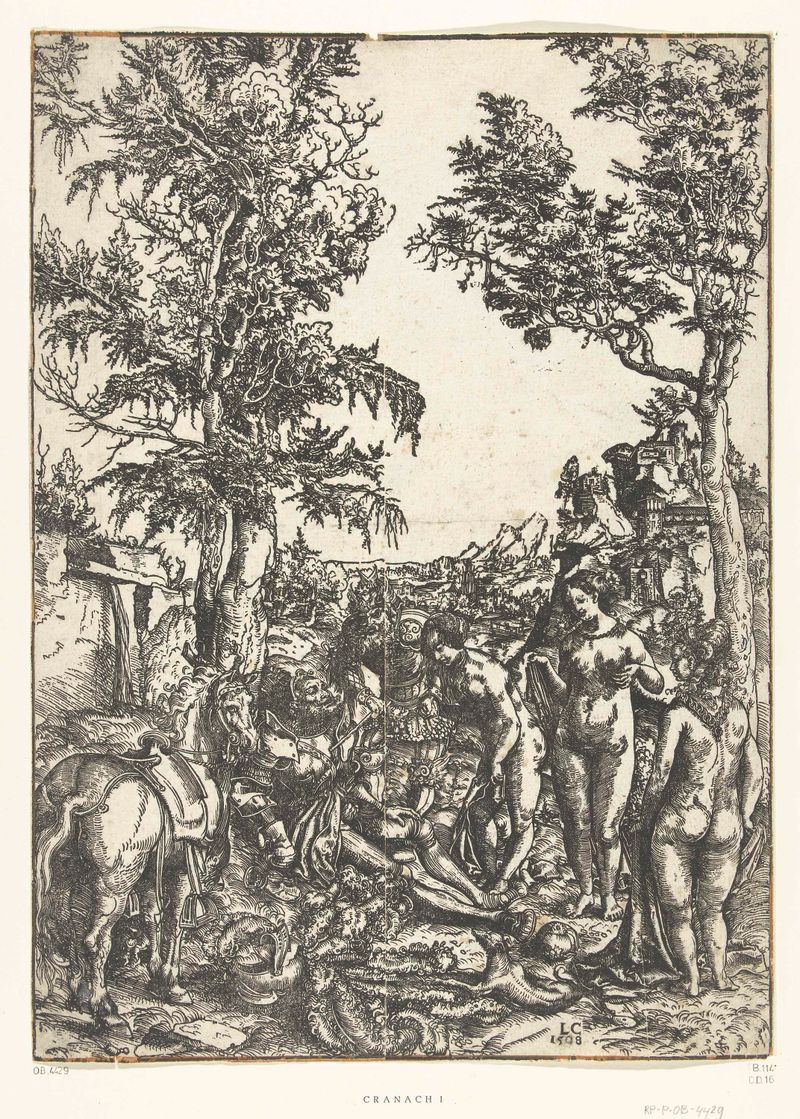
Oordeel van Paris
Lucas Cranach (I)
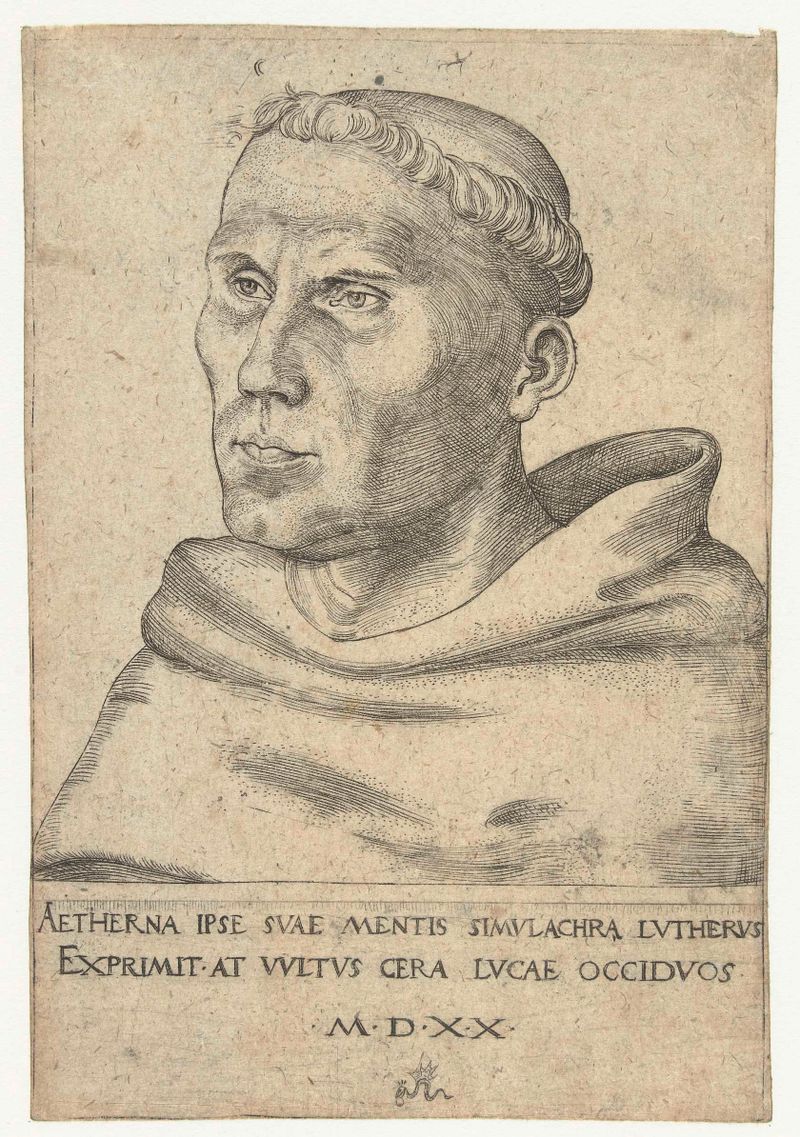
Portret van Martin Luther als Augustijner monnik
Lucas Cranach (I)
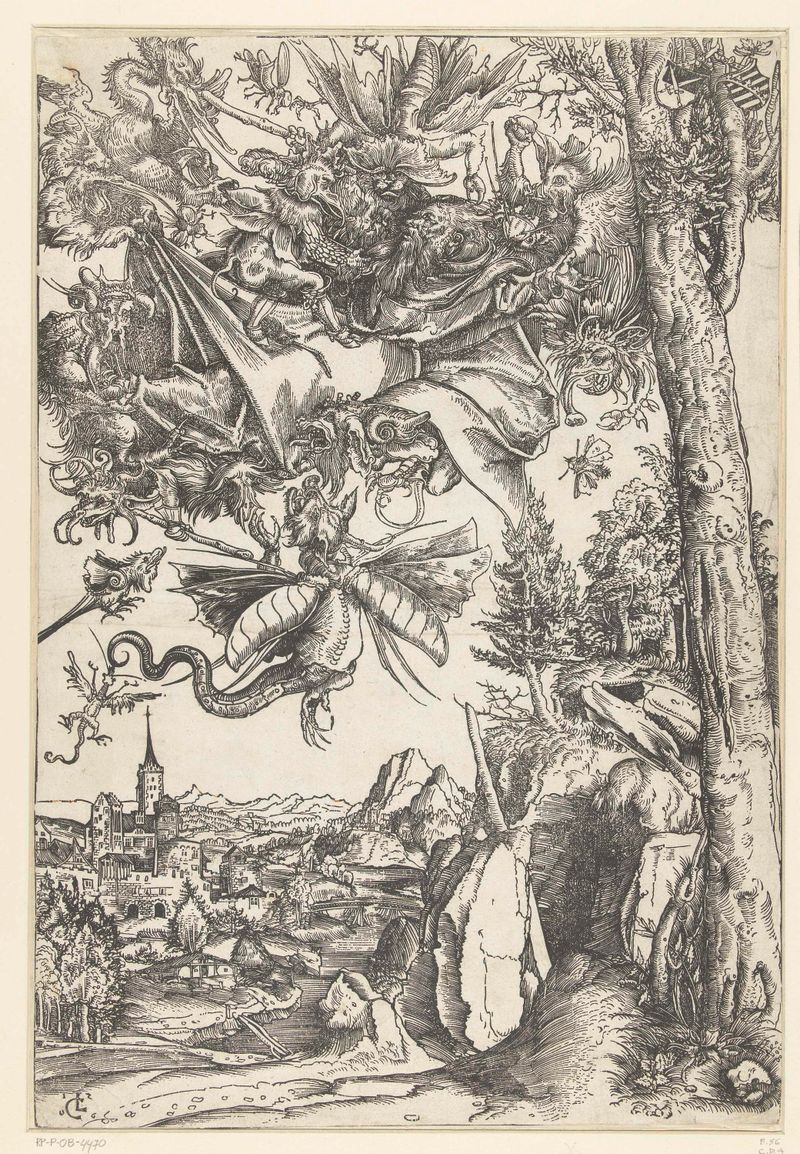
Verzoeking van Antonius met aanval door demonen
Lucas Cranach (I)

Christus en de Samaritaanse vrouw
Lucas Cranach (I)

Duits toernooi met twee edelmannen als ridders te paard
Lucas Cranach (I)
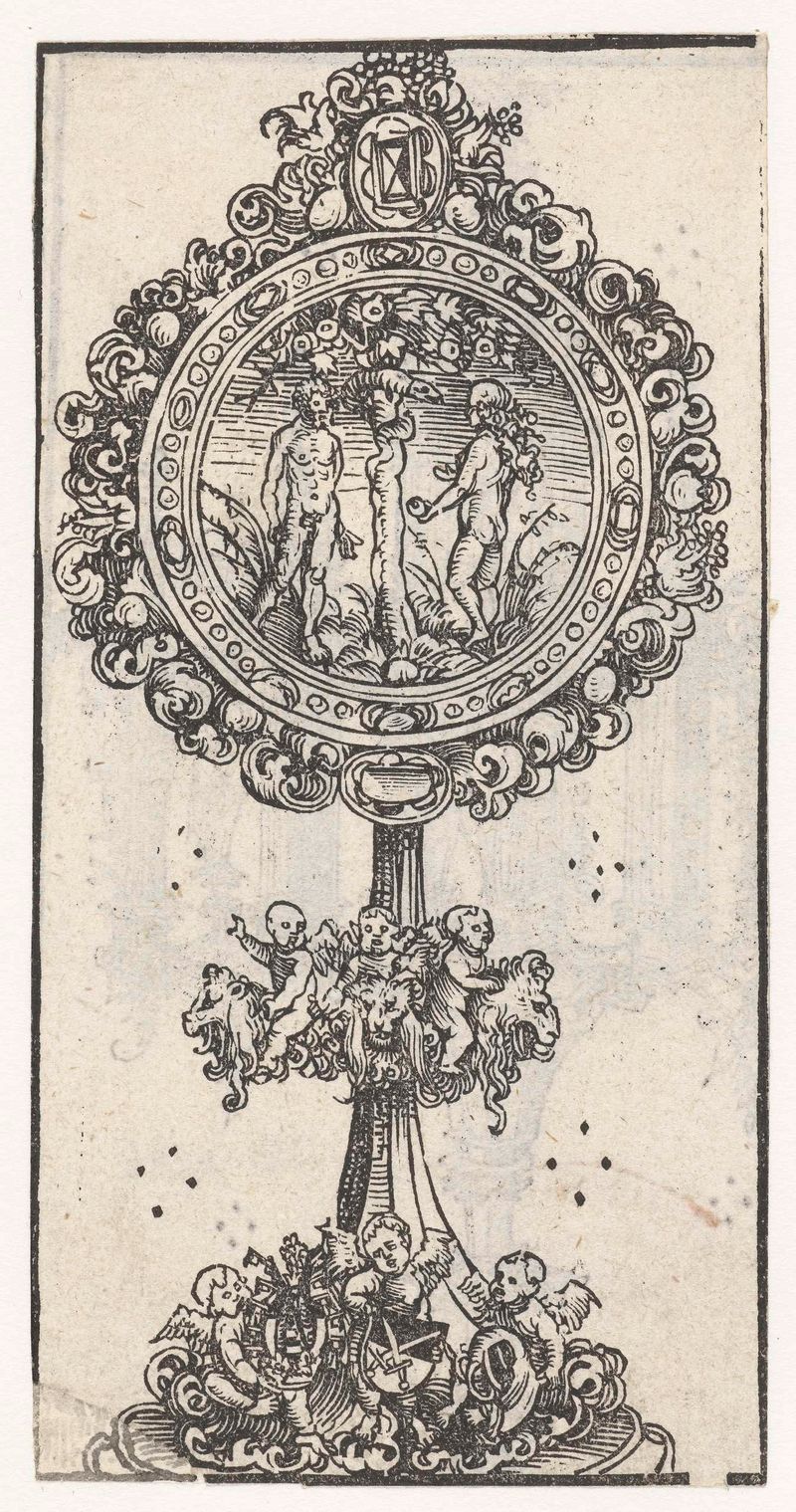
Reliekhouder met de verzoeking van Adam en Eva
Lucas Cranach (I)

Intocht van Christus in Jerusalem
Lucas Cranach (I)
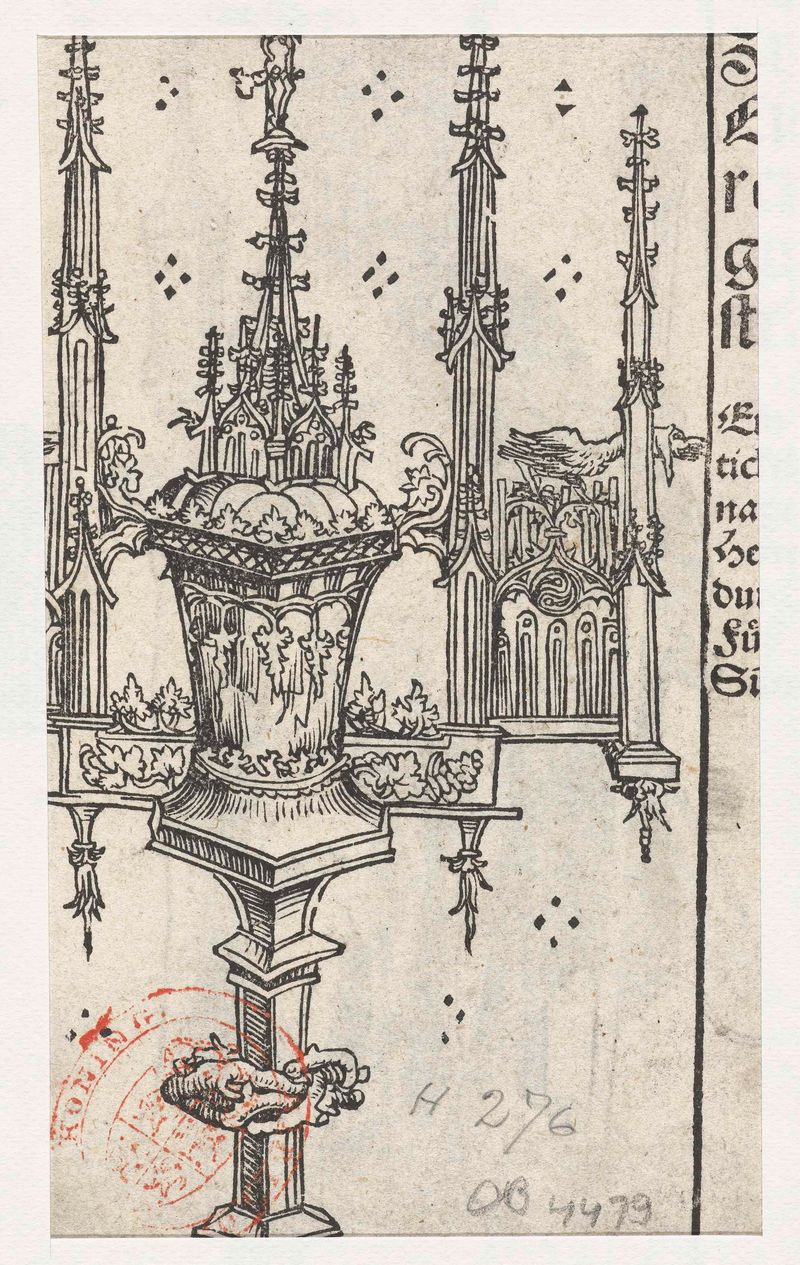
Monstrans met vogel (pelikaan)
Lucas Cranach (I)
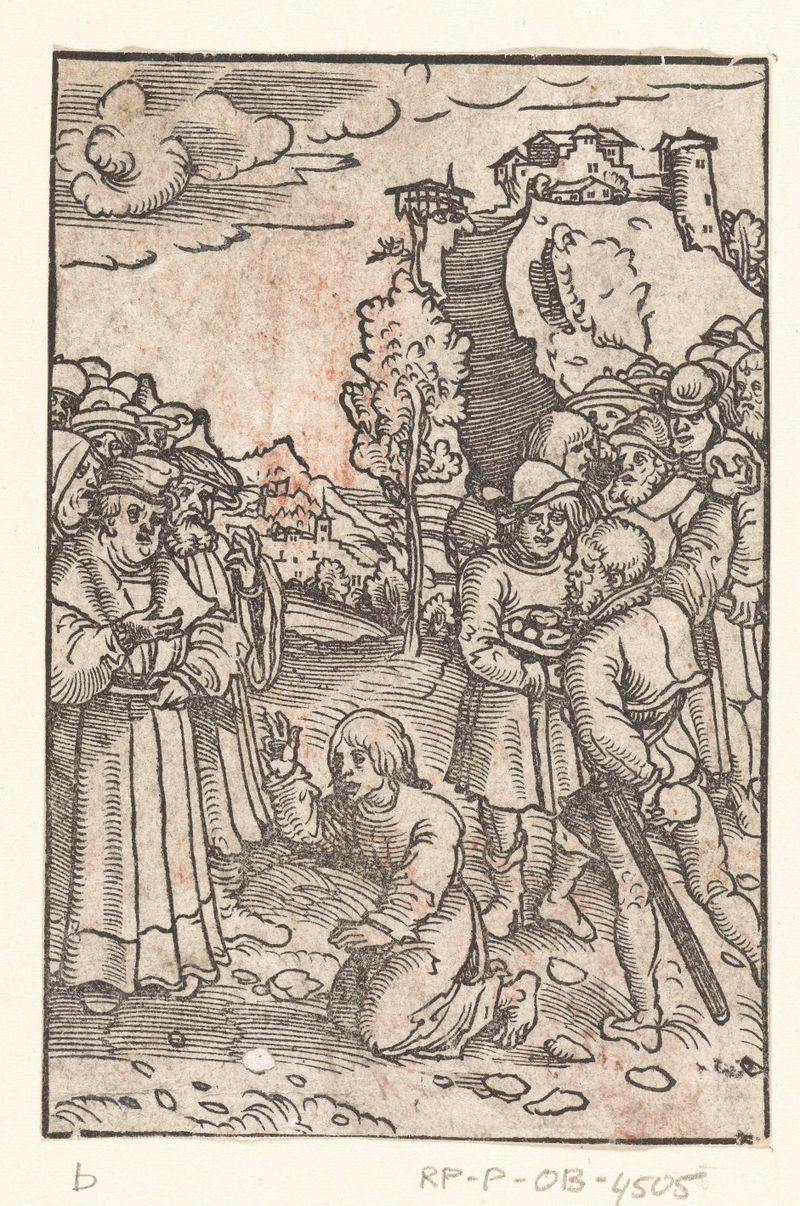
Steniging van Stefanus
Lucas Cranach (I)
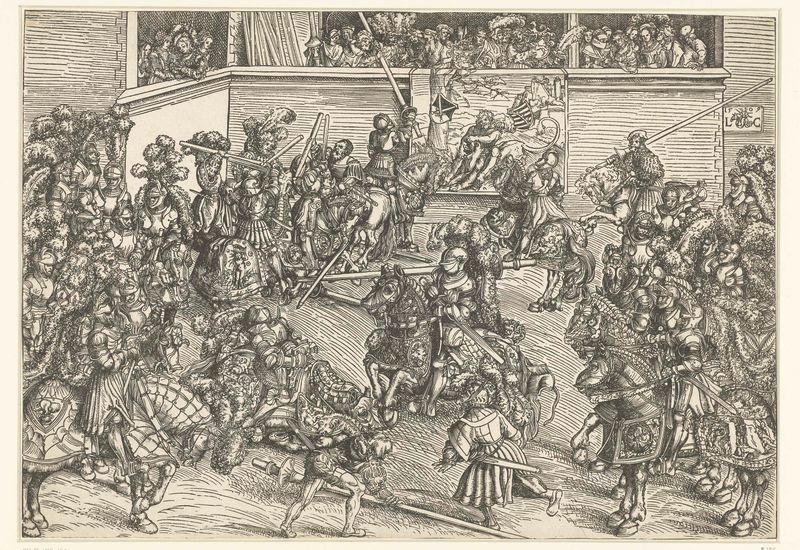
Toernooi van het keurvorstelijk hof van Saksen met wandtapijt Simson doodt de leeuw
Lucas Cranach (I)
More Religious Art
Browse all →
The Return of the Prodigal Son
Rembrandt van Rijn

The Garden of Earthly Delights
El Bosco

Count Orgaz’ funeral
El Greco

The Hundred Guilder Print: the central piece with Christ preaching, the plate arched
Rembrandt van Rijn

The Descent from the Cross
Rogier van der Weyden

The return of the prodigal son
Rembrandt van Rijn