
Sinte Aelwaer — History & Facts
In moments of solitude, we often confront our deepest fears and desires, grappling with the question of who we are in the absence of others. Focus on the figure at the center, draped in somber attire, their solemn expression a poignant reflection of isolation. The muted color palette, dominated by shades of gray and brown, enhances the feeling of stillness, while the subtle play of light accentuates the contours of the figure's face, drawing the viewer's attention. Notice how the background softly dissolves, suggesting a world beyond that remains just out of reach, amplifying the sense of loneliness encapsulated within the composition. As you explore the details, consider the juxtaposition of the figure's stillness against the vibrant tapestry in the background.
This rich textile, adorned with intricate patterns, serves as a stark contrast to the figure's emotional barrenness, hinting at lives once lived, now overshadowed by solitude. The subtle gestures of the hands, placed carefully yet awkwardly, suggest a yearning for connection, while the gaze, directed downwards, carries the weight of unfulfilled longing. Cornelis Anthonisz. created Sinte Aelwaer between 1541 and 1546 in Amsterdam, during a time when the city was flourishing as a center of trade and art.
This period saw a shift in portraiture, with artists exploring individual identity and human emotion. Anthonisz. was influenced by the emerging Northern Renaissance, capturing the complex interplay between the self and its surroundings, reflecting the societal tensions of his time.
More Artworks by Cornelis Anthonisz.
Browse all →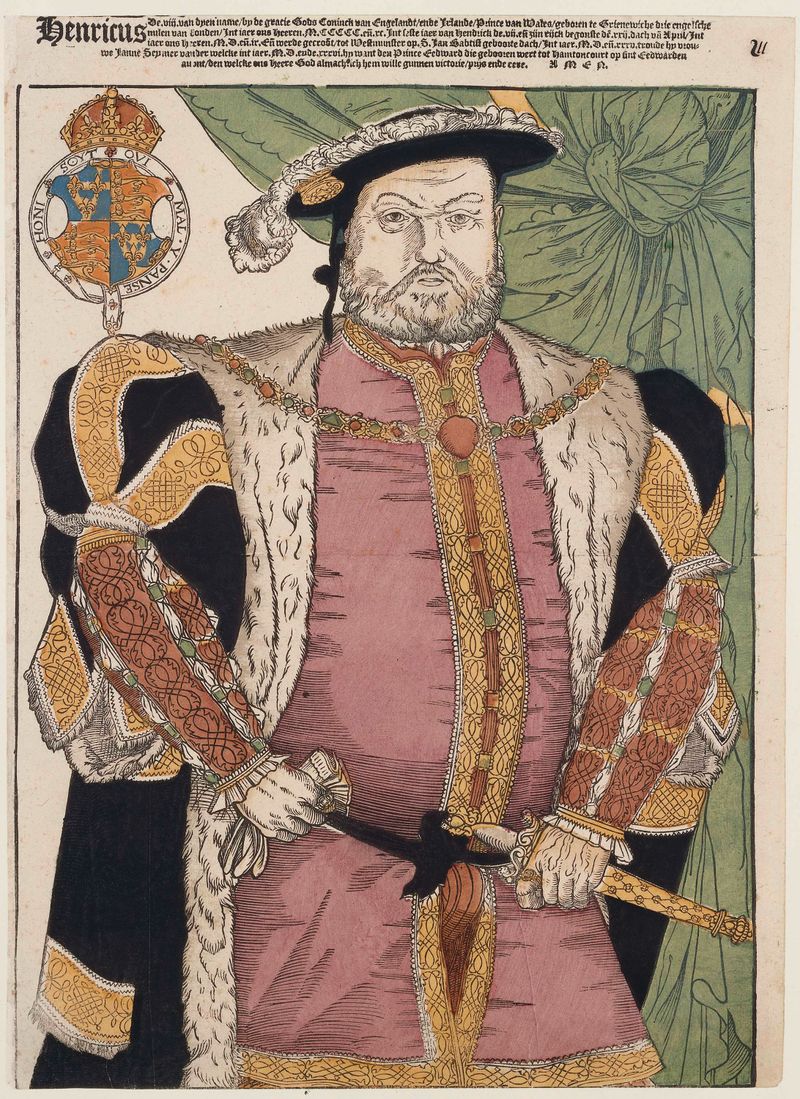
Portret van Hendrik VIII van Engeland
Cornelis Anthonisz.

Portret van Hendrik VIII van Engeland
Cornelis Anthonisz.

Portret van Maarten van Rossum te paard
Cornelis Anthonisz.
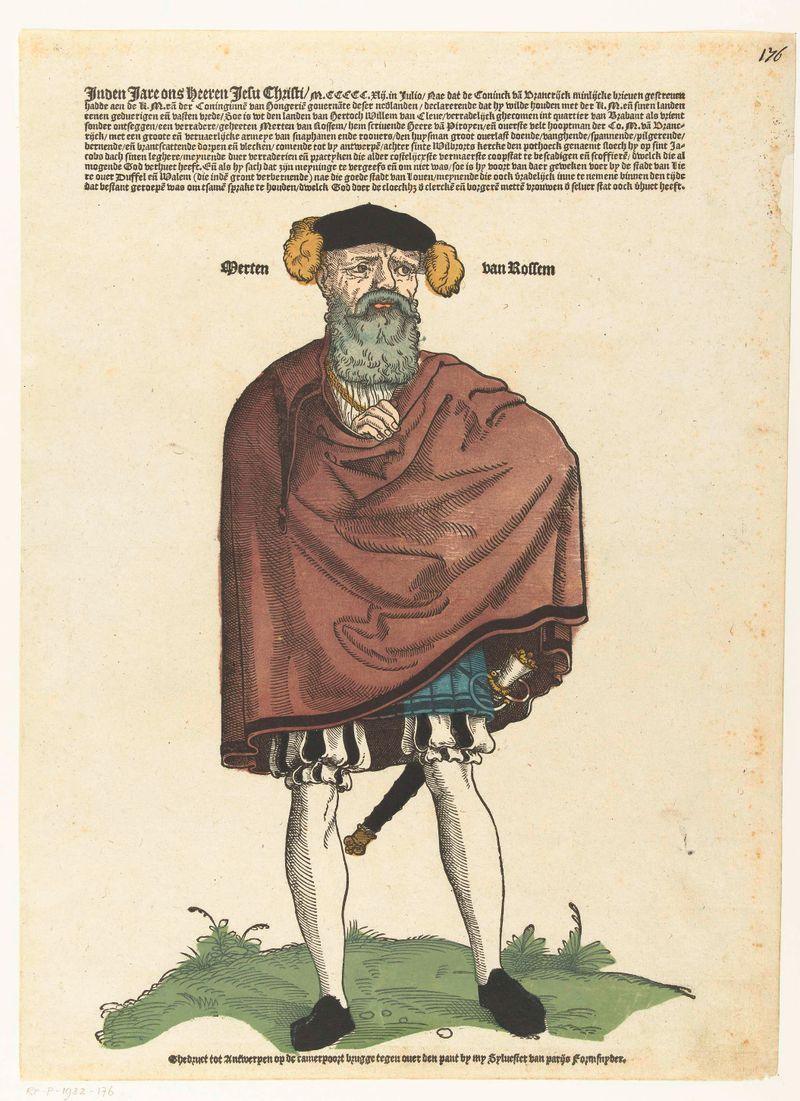
Portret van Maarten van Rossum
Cornelis Anthonisz.

De verloren zoon eet uit de varkenstrog
Cornelis Anthonisz.
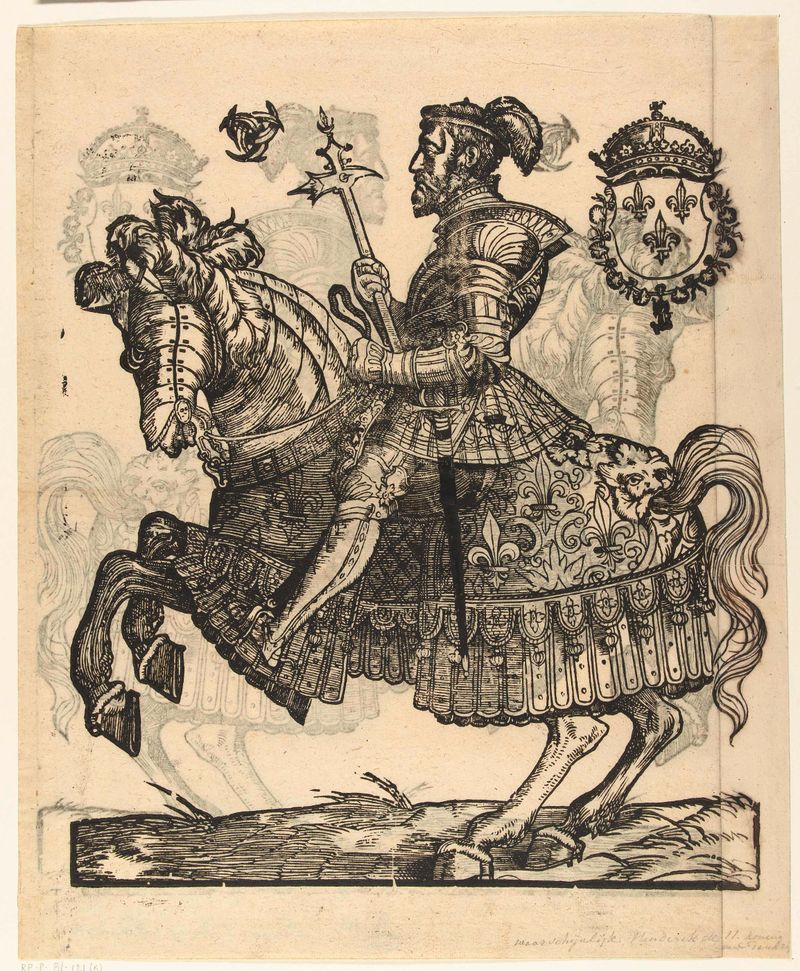
Portret van Hendrik II van Frankrijk te paard
Cornelis Anthonisz.

Portret van hertog Willem van Kleef, Gulik en Berg, graaf van Mark, heer van Ravenstein te paard
Cornelis Anthonisz.

Portret van Karel V te paard
Cornelis Anthonisz.

Portret van Maria van Hongarije te paard
Cornelis Anthonisz.
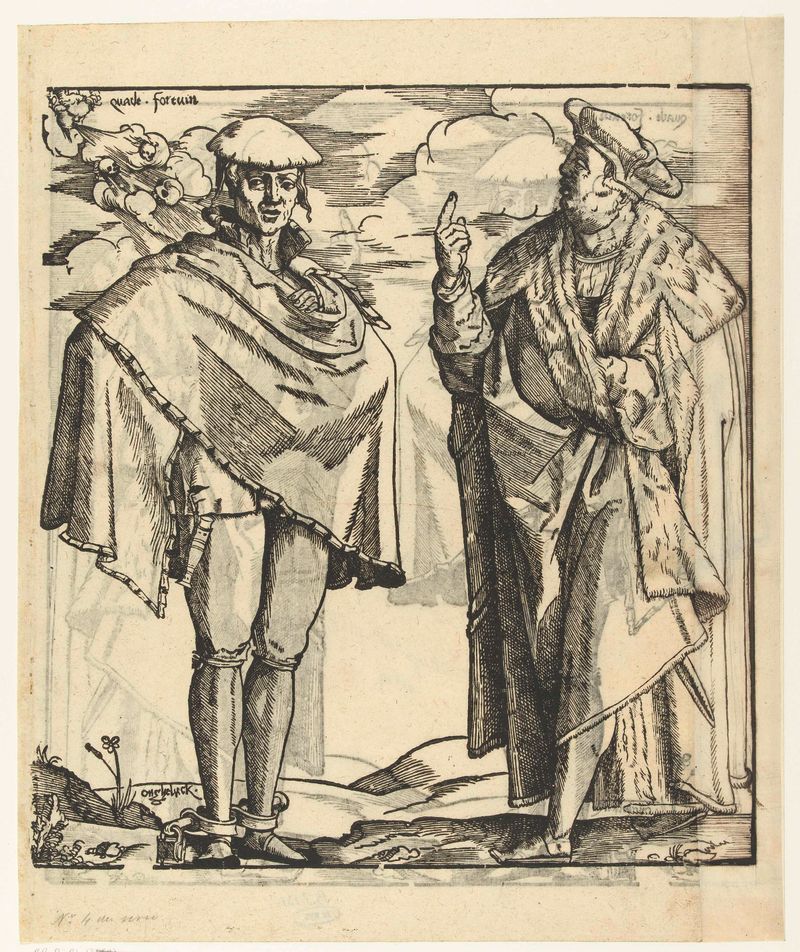
De lichtzinnige jeugd
Cornelis Anthonisz.
More Portrait Art
Browse all →
Las meninas
Diego Velázquez

Self-portrait with a Bandaged Ear and Pipe
Unidentified artist

Girl with a Pearl Earring
Johannes Vermeer

The Sampling Officials of the Amsterdam Drapers’ Guild, Known as ‘The Syndics’
Rembrandt van Rijn

The Hundred Guilder Print: the man seen on the back in the lower left corner
Rembrandt van Rijn

Portrait of Dr Gachet
Vincent van Gogh