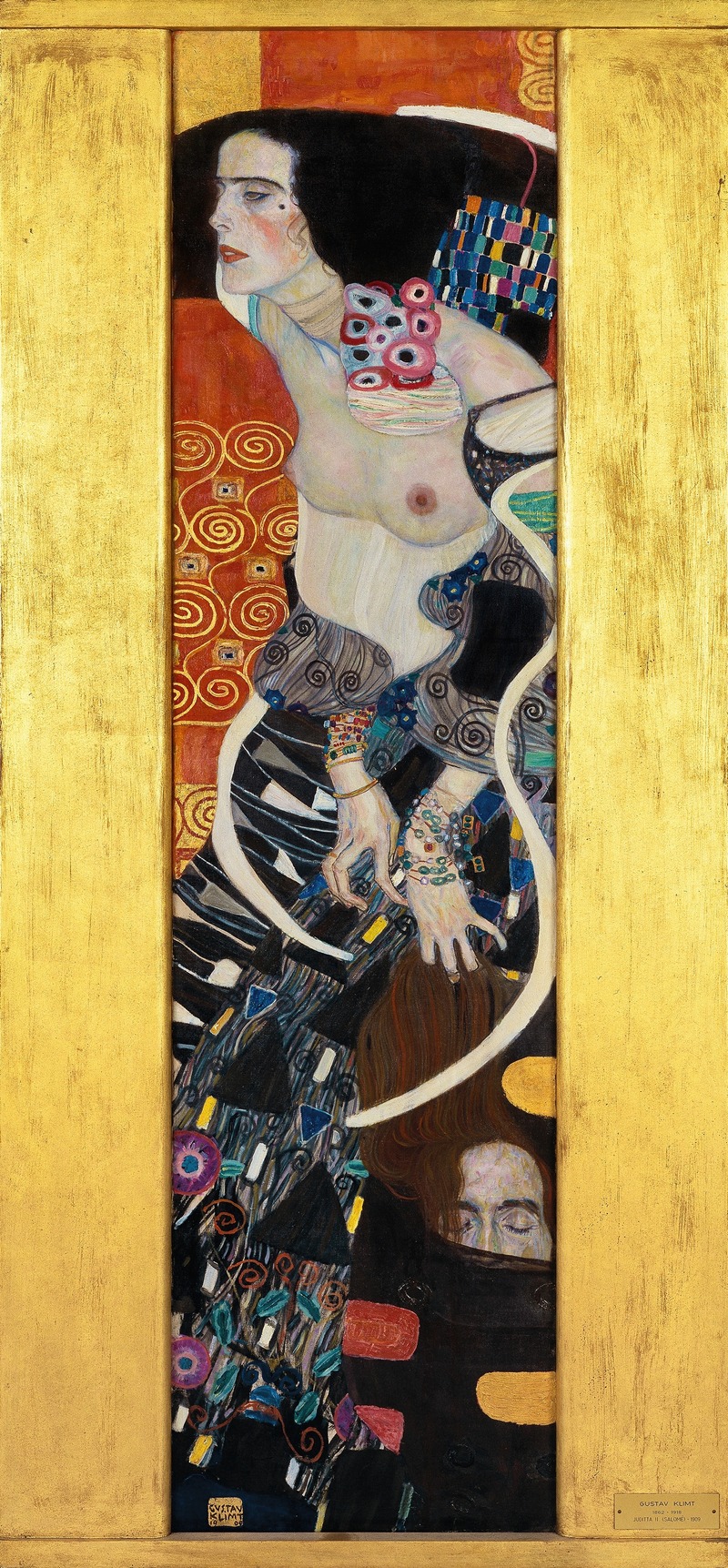
Discover insights about this artwork
Six male figures — History & Facts
In Six male figures, Peter Paul Rubens presents a dynamic arrangement of six male figures. The colors are rich and vibrant, with deep reds, golds, and earthy tones dominating the palette. Each figure is distinct, showcasing a variety of poses and expressions that convey a sense of movement.
The background is likely a neutral tone, allowing the figures to stand out prominently. The painting is executed in oil on canvas, a common medium for Rubens, known for its ability to create depth and texture. The figures are rendered with a high level of detail, highlighting Rubens' skill in anatomy and drapery. The composition is balanced yet dynamic, typical of the Baroque style, with a strong sense of movement.
Viewers can appreciate the intricate play of light and shadow across the figures. Peter Paul Rubens was a leading figure of the Baroque movement, known for his energetic compositions and vivid colors. This work, created in the early 1610s, reflects his mastery of the human form and ability to convey emotion. An interesting fact about this painting is that it may have been part of a larger series or a study for a more complex composition, showcasing Rubens' process as an artist.
More Artworks by Peter Paul Rubens
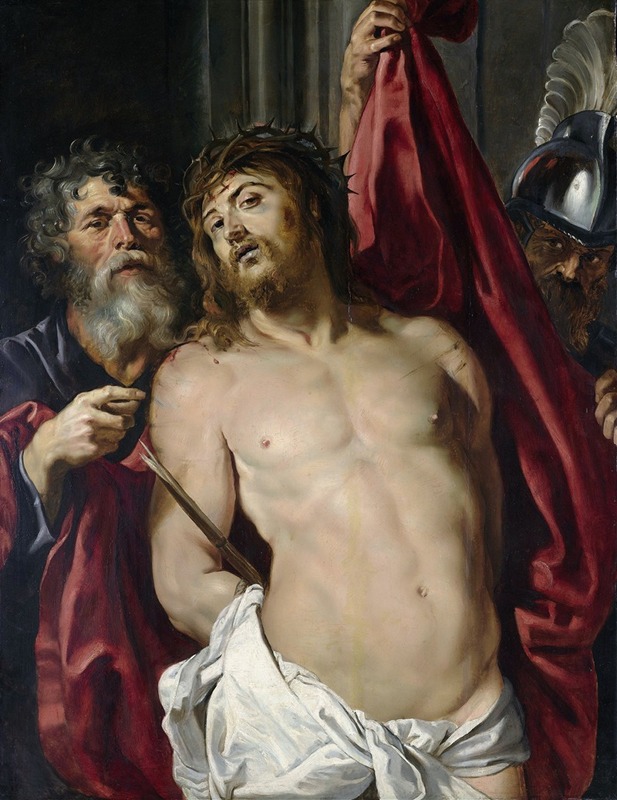
Ecce homo
Peter Paul Rubens
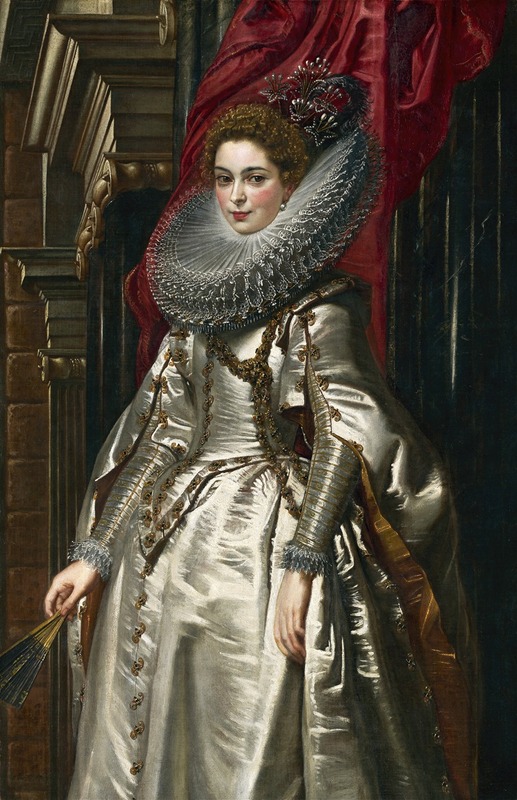
Marchesa Brigida Spinola Doria
Peter Paul Rubens
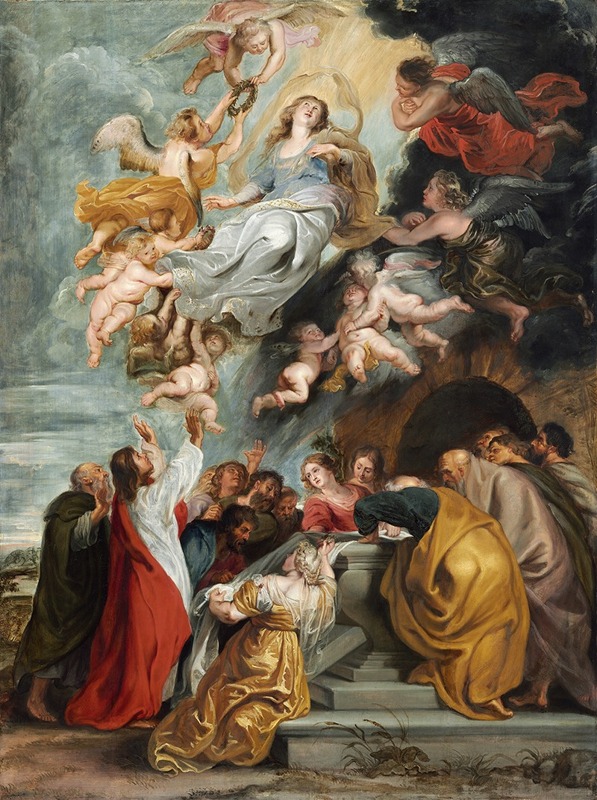
The Assumption of the Virgin
Peter Paul Rubens

Saint Teresa of Ávila Interceding for Souls in Purgatory
Peter Paul Rubens
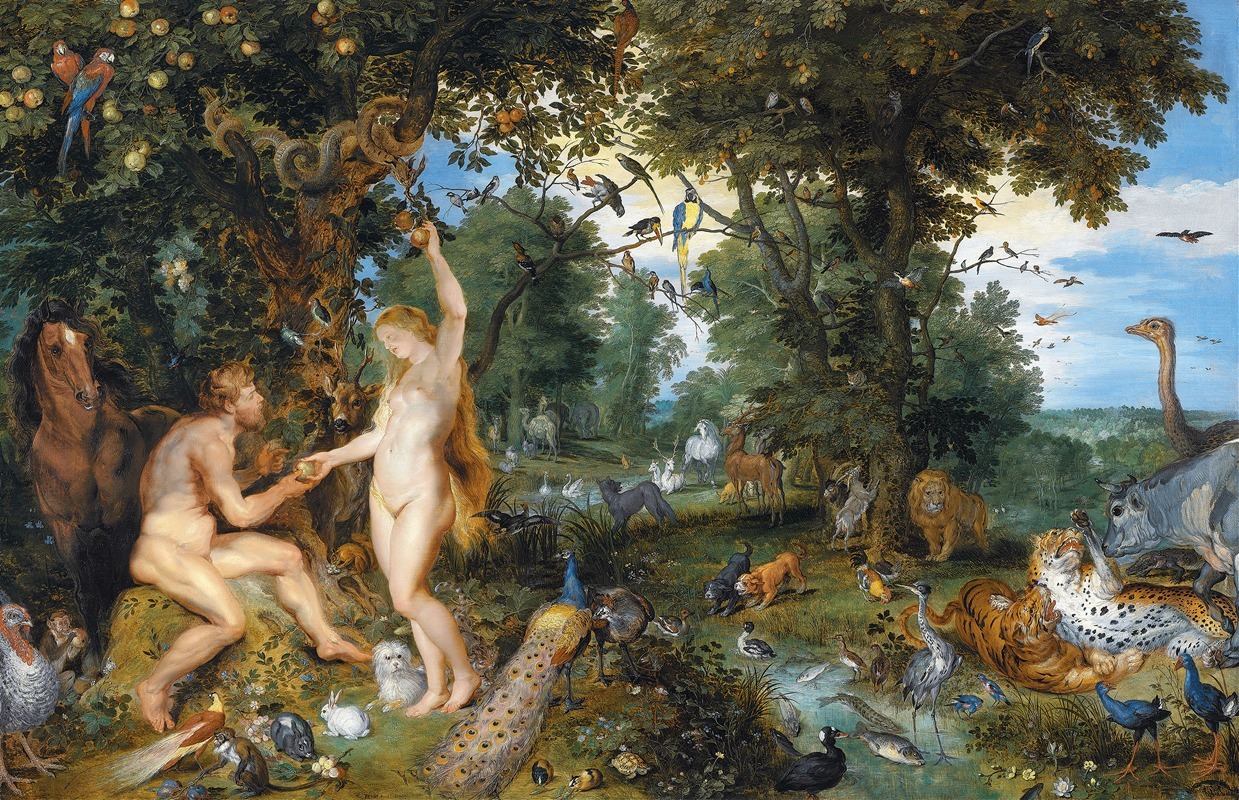
The Garden of Eden with the Fall of Man
Peter Paul Rubens
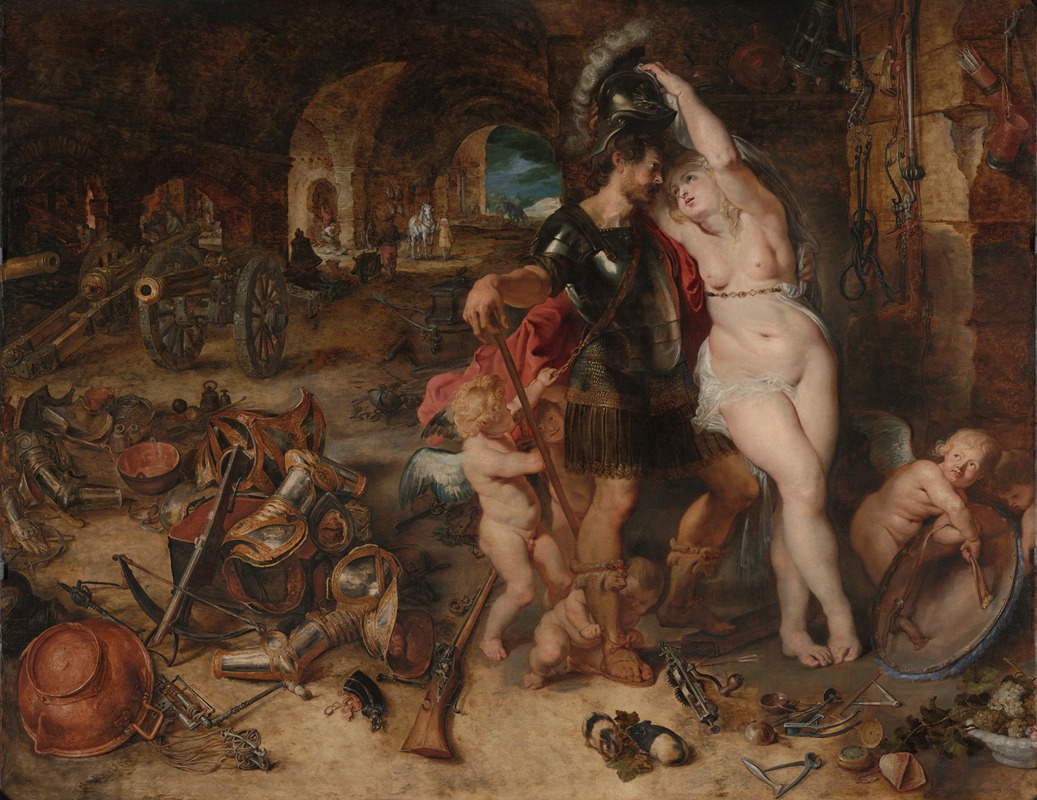
The Return From War,Mars Disarmed By Venus
Peter Paul Rubens
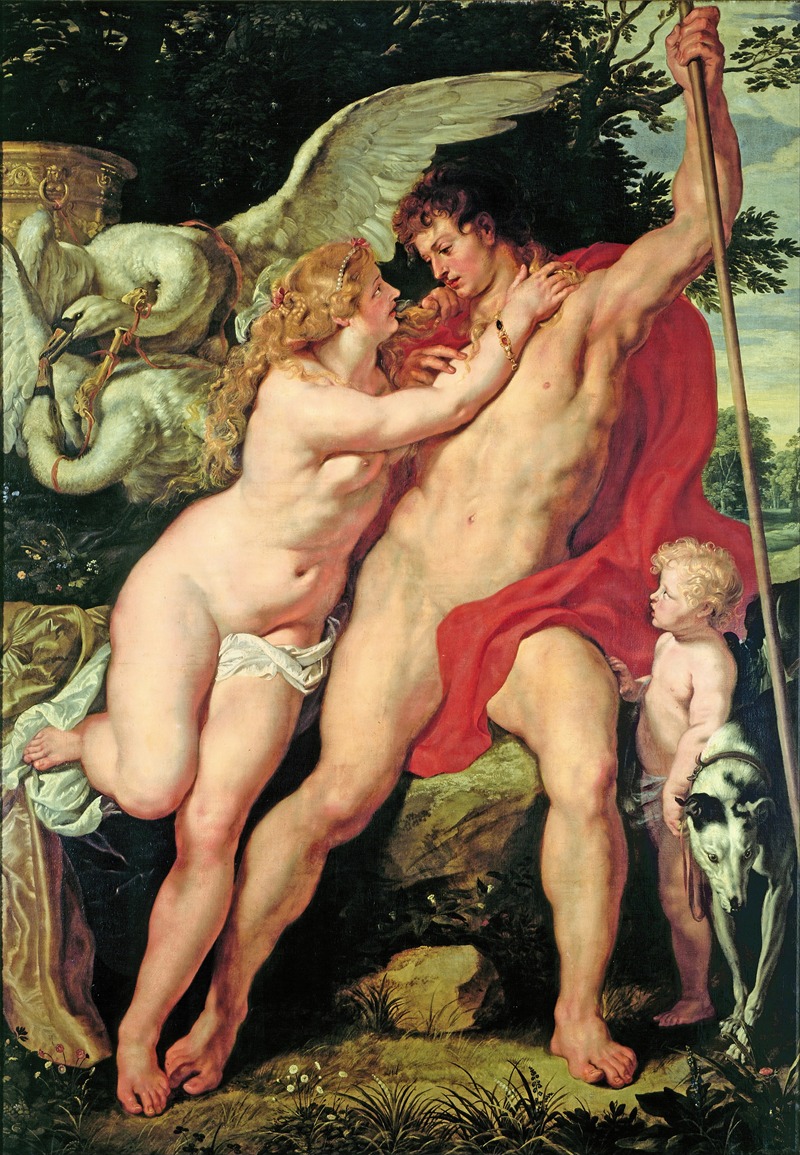
Venus and Adonis
Peter Paul Rubens
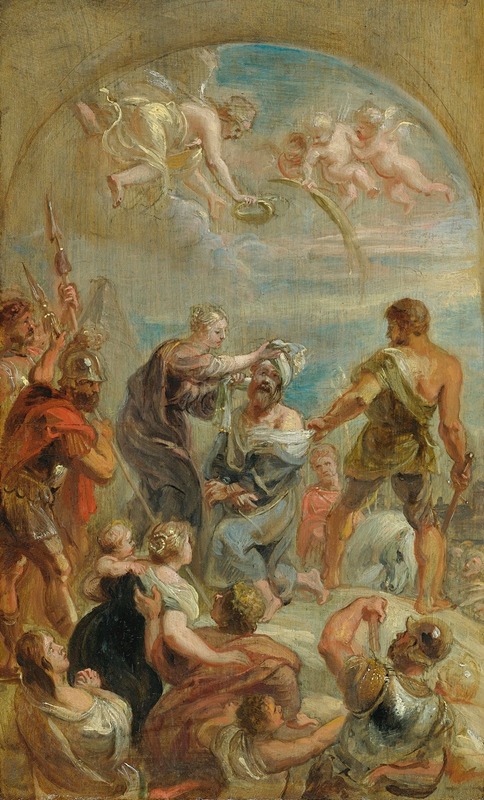
The Martyrdom Of Saint Paul
Peter Paul Rubens
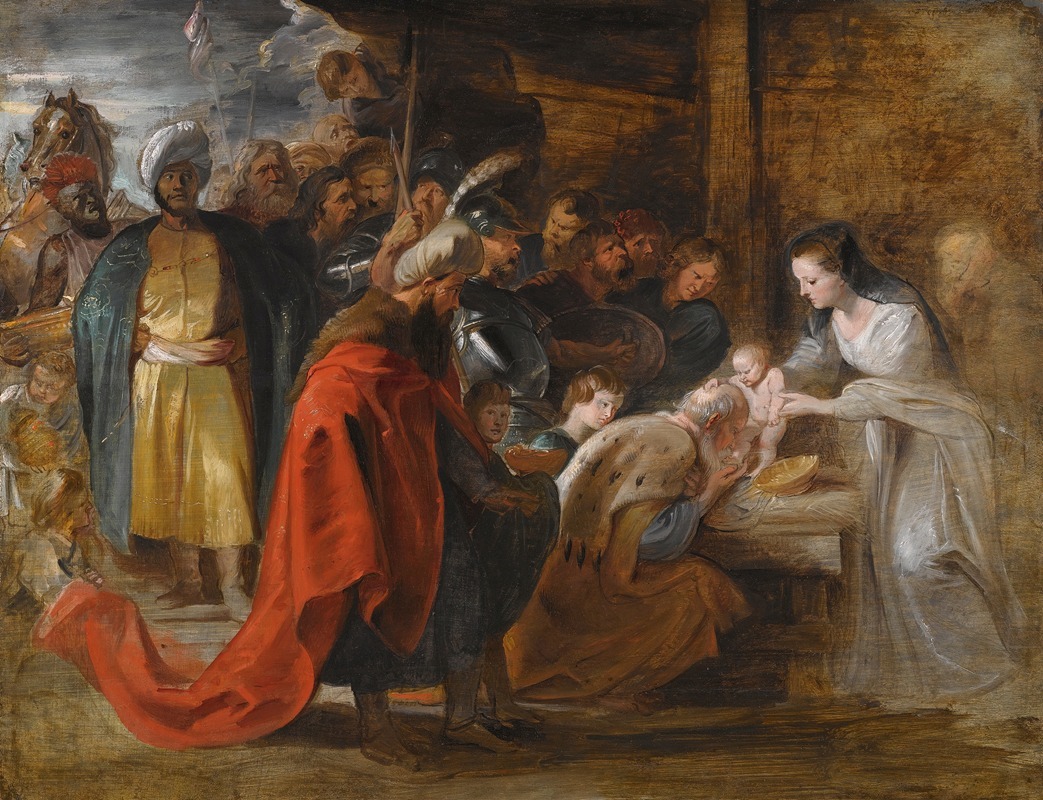
The Adoration Of The Magi
Peter Paul Rubens
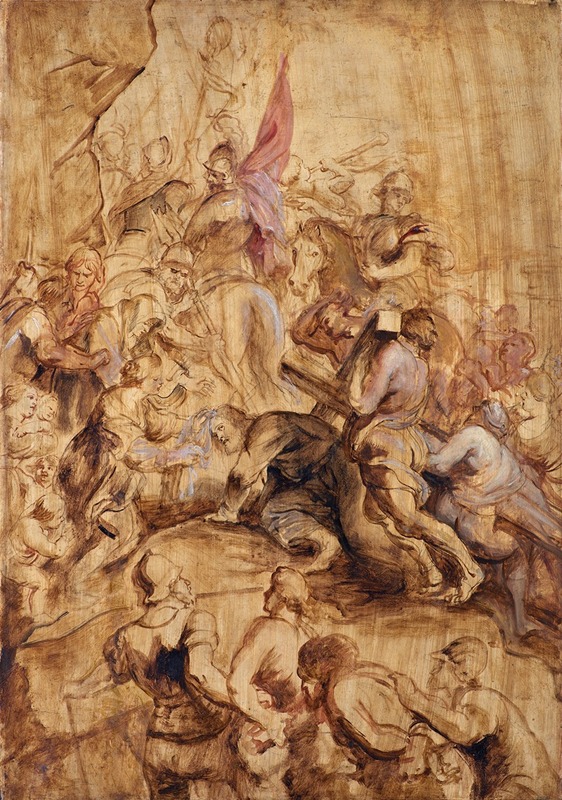
The Ascent to Calvary. The Bearing of the Cross
Peter Paul Rubens