
Sketch for the painting “Wernyhora” — History & Facts
When Jan Matejko unveiled his vision for Wernyhora in 1875, he was drawing from the living pulse of Polish legend and national longing. The figure of Wernyhora, a mythical Ukrainian bard, had become a symbol of prophecy and hope for a country partitioned and erased from the map by foreign powers. Matejko’s sketch captures the moment before the artist embarked on his monumental final canvas—a work that would stir debate and fascination for its bold rendering of a Slavic oracle foretelling Poland's resurrection.
The sketch is not merely a preparatory study; it is a window into the fevered imagination of a nation seeking its future in the words of a legendary seer. At the heart of the composition stands Wernyhora himself, his arm raised in a sweeping gesture that commands the attention of the gathered Polish nobles and peasants. The painter selects the instant when the bard, eyes alight with vision, proclaims a coming rebirth: his outstretched hand and the listening crowd encode both urgency and hope. The light falls dramatically on Wernyhora’s white beard and flowing garments, isolating him as a beacon amid the shadowed throng.
Matejko, unlike Juliusz Kossak—who also depicted Wernyhora but favored a more intimate, pastoral mood—opts for theatricality and collective emotion, making prophecy a public event. Every figure in the sketch, from the kneeling supplicant to the anxious noble, becomes a participant in the drama of national destiny. The precise medium of this sketch is uncertain, but its energetic lines and bold contrasts suggest a rapid, searching hand, typical of Matejko’s preparatory works. While the finished painting would go on to hang in Kraków’s National Museum, the sketch remains a prized artifact of the artist’s process, sometimes displayed alongside other studies to illuminate his working method.
Wernyhora marks a pivotal point in Matejko’s career, as he moved from chronicling Poland’s past to invoking its possible future through myth and allegory. The sketch, less polished but more immediate, allows viewers to witness the birth of an idea that would resonate far beyond the studio.
More Artworks by Jan Matejko
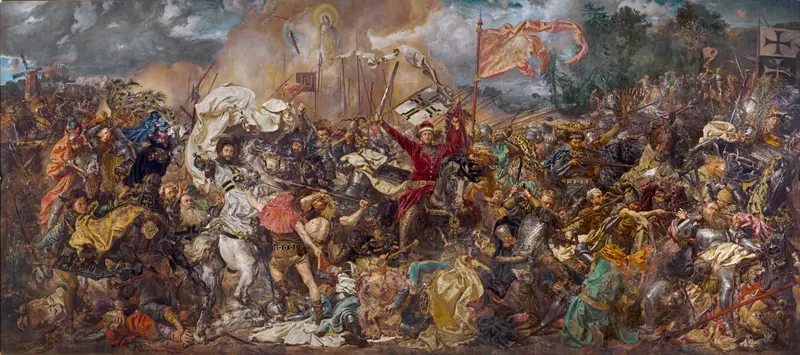
Battle of Grunwald
Jan Matejko

Stańczyk
Jan Matejko

Battle of Raclawice
Jan Matejko
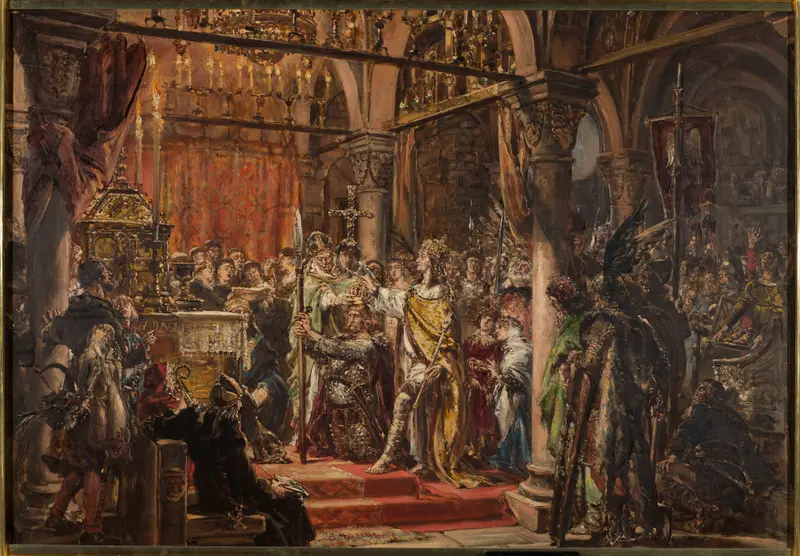
Coronation of the First King, 1001 AD, from the series “History of Civilization in Poland”
Jan Matejko
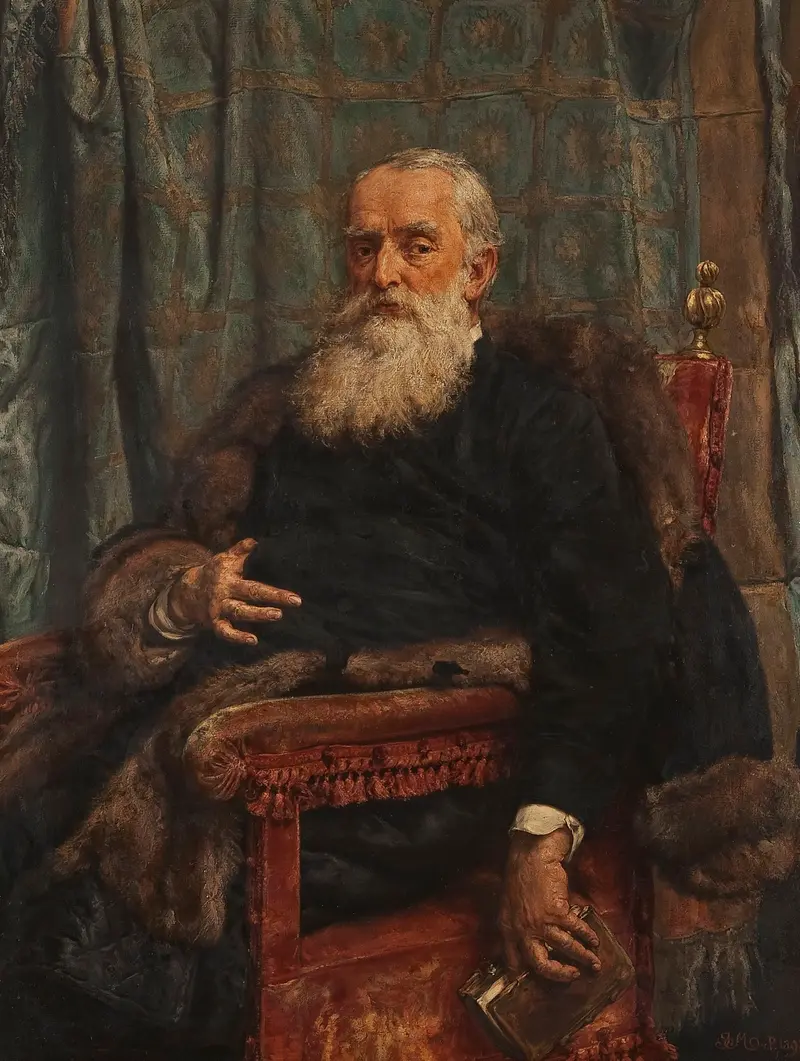
Portrait of Henryk Krajewski
Jan Matejko
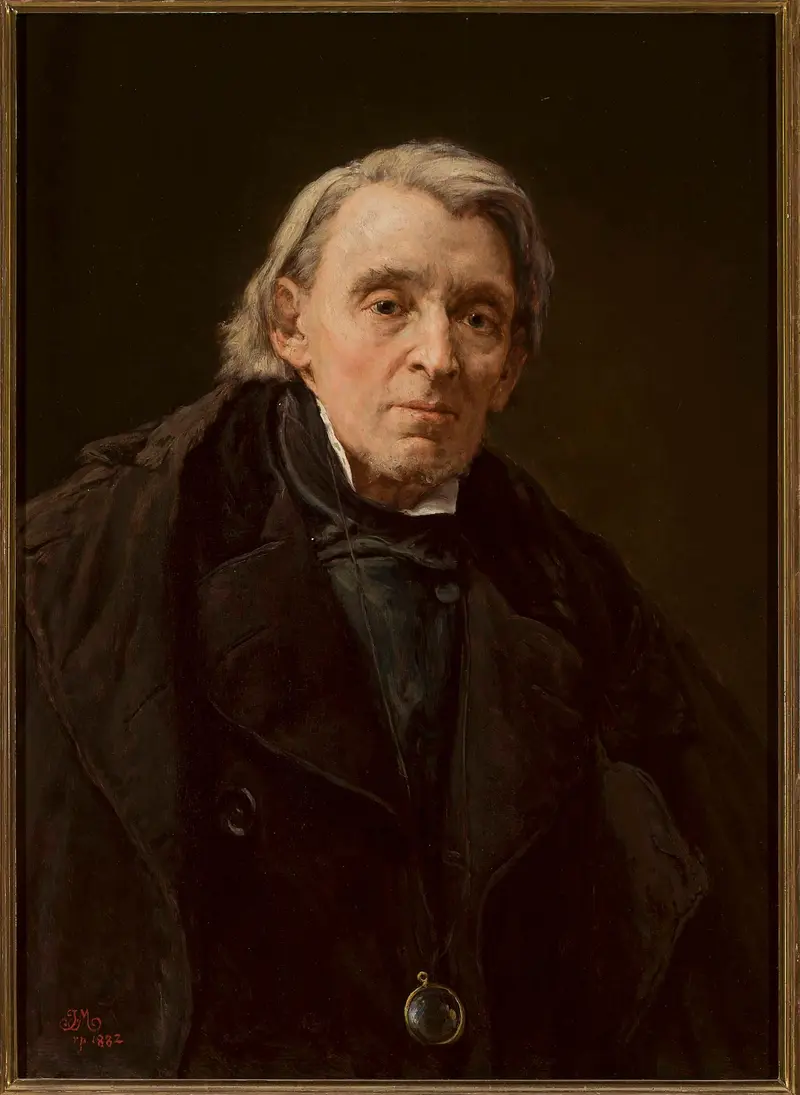
Portrait of Karol Podlewski
Jan Matejko
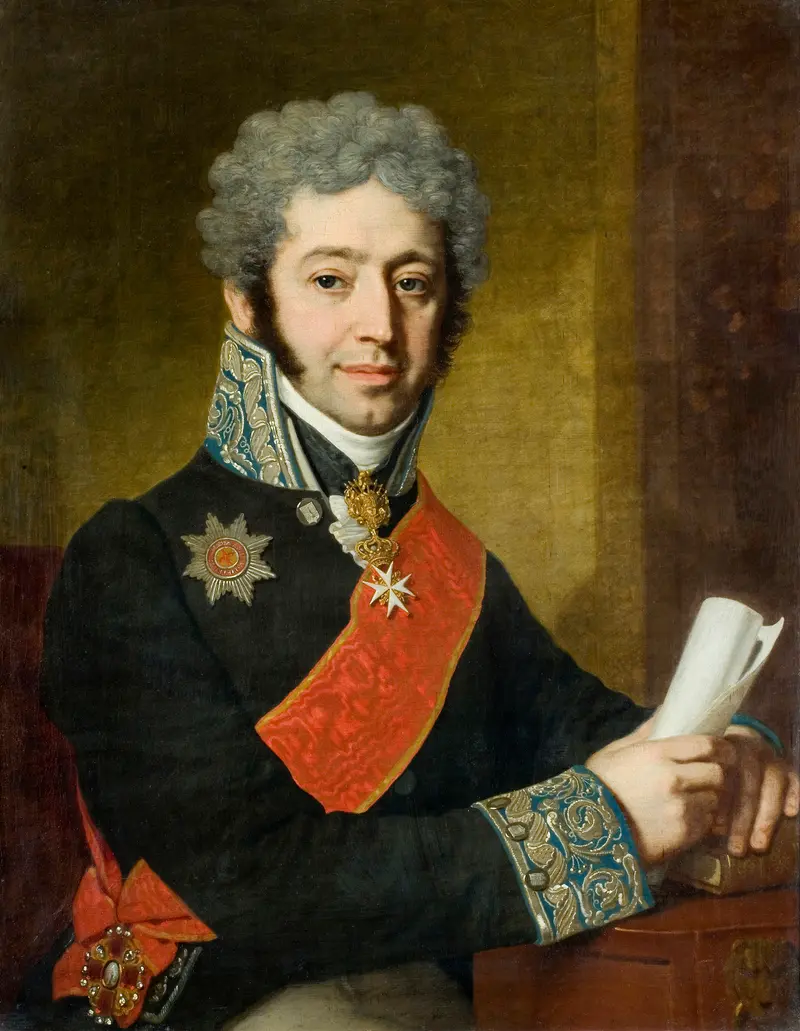
Portrait of Potocki and Poninski
Jan Matejko
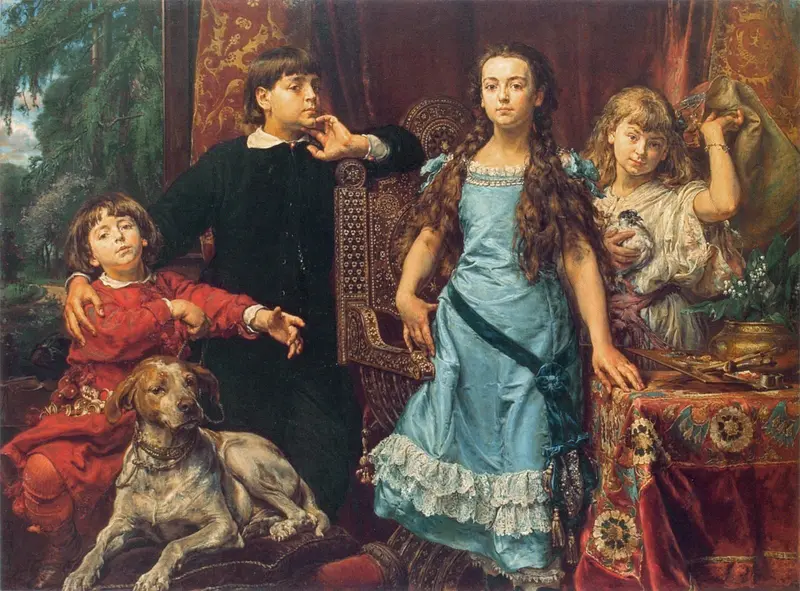
Portrait of the artist's four children
Jan Matejko
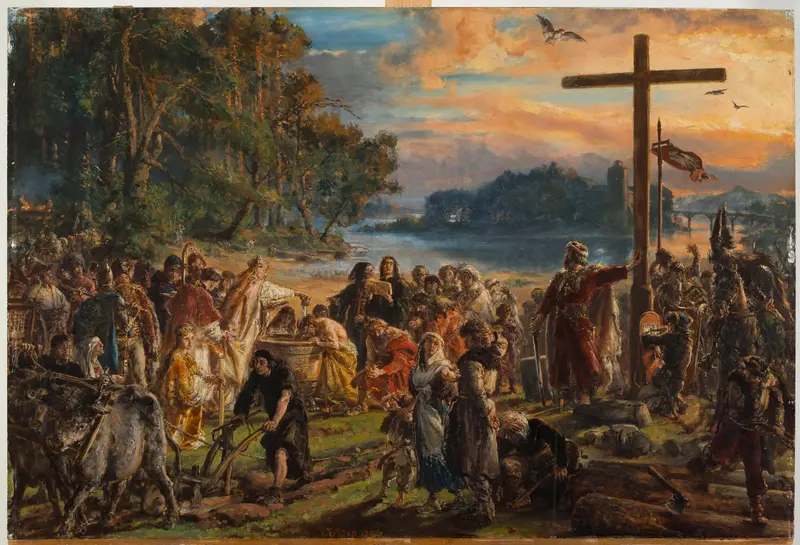
Introduction of Christianity in Poland
Jan Matejko
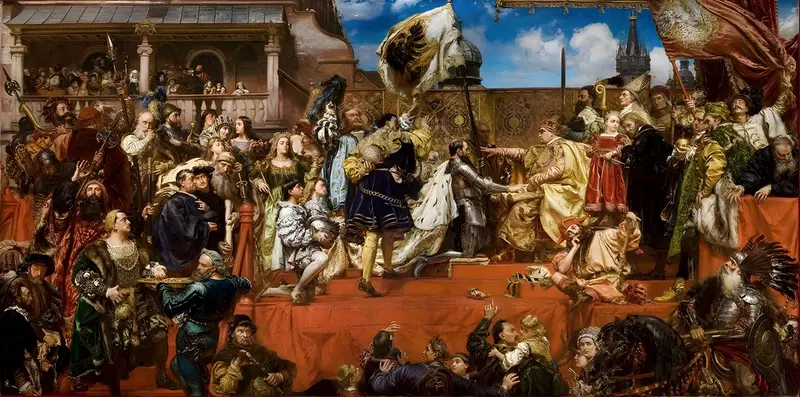
Prussian Homage
Jan Matejko




