
Sleeping Peasants near Fields (Parable of the Weeds) — History & Facts
This thought lingers in the air, evoking the shadows that cradle the slumbering figures in the painting. Sleeping Peasants near Fields captures a moment that feels both eternal and achingly fleeting, reminding us that even in rest, the weight of the world presses heavily upon us. Focus on the gentle contoured lines that lead your eye to the resting bodies sprawled on the ground. The soft, earthy tones of brown and green invite you in, while the deft brushwork reveals subtle textures of fabric and skin.
Notice how the light filters through the trees, casting delicate patterns that dance across the scene, emphasizing the contrast between the peacefulness of sleep and the struggles that lie beyond the fields. The moment is serene, yet the overarching atmosphere hints at deeper narratives waiting to unfold. Delve deeper into the details: the way the peasant's hand loosely grasps the grass, suggesting a fragile connection to the earth; or the weeds that rise defiantly around them, symbolizing both resilience and neglect. The juxtaposition of sleep and the harsh realities of labor paints a poignant image of vulnerability, as the lush fields serve as a silent witness to life’s relentless cycle.
Here, beauty and despair entwine, revealing the complexities of existence. In the early 1650s, Simon de Vlieger painted this work during a time of significant socio-economic change in the Netherlands, marked by both agricultural prosperity and hardship. Working amidst the rising tide of Dutch landscape painting, he explored themes of rural life and labor through a lens that emphasized both tranquility and the weight of reality. This piece is reflective of a broader narrative that resonates with viewers even centuries later.
More Artworks by Simon de Vlieger
Browse all →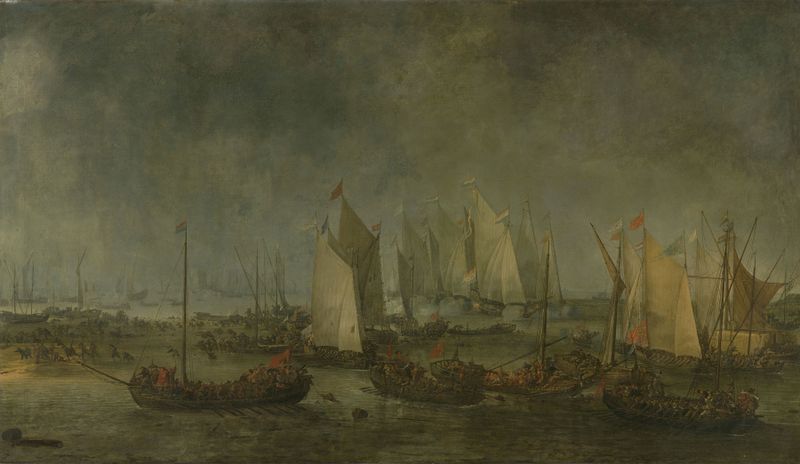
The Battle on the Slaak between the Dutch and Spanish Fleets during the Night of 12-13 September 1631
Simon de Vlieger

Stretch of coast by the Zuiderzee
Simon de Vlieger

Seaside in Scheveningen with fishing boats
Simon de Vlieger
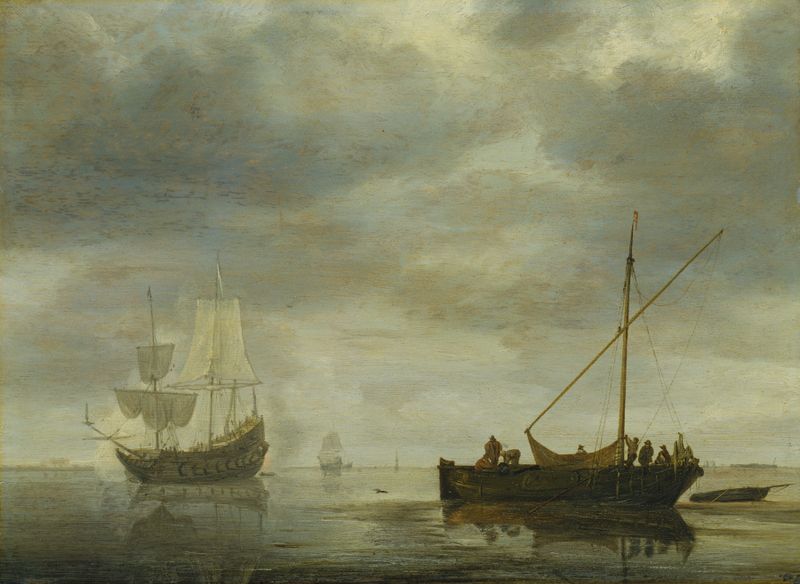
Single-Master and Frigate Firing Salute on a Calm Sea
Simon de Vlieger
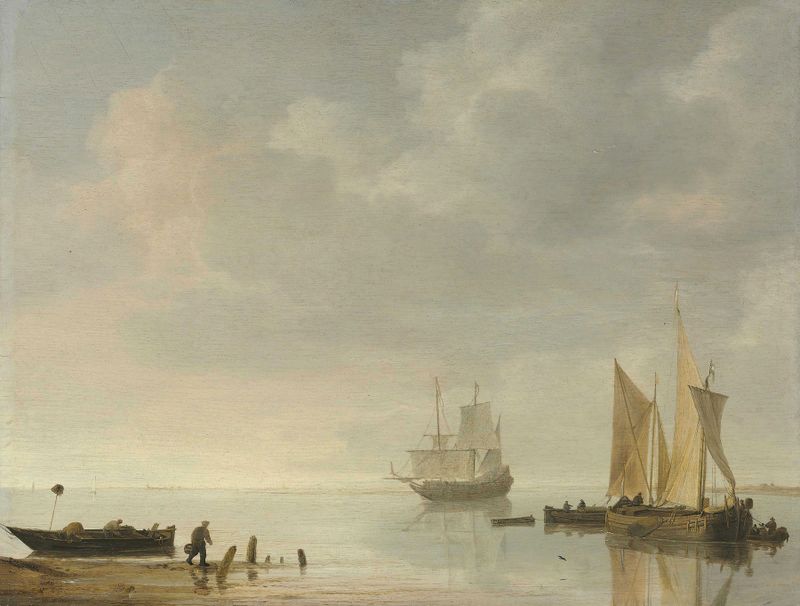
Coastal Scene With Ships Resting On Calm Waters
Simon de Vlieger

A calm estuary with a smalschip and a waterschip at anchor, with other ships in the distance
Simon de Vlieger
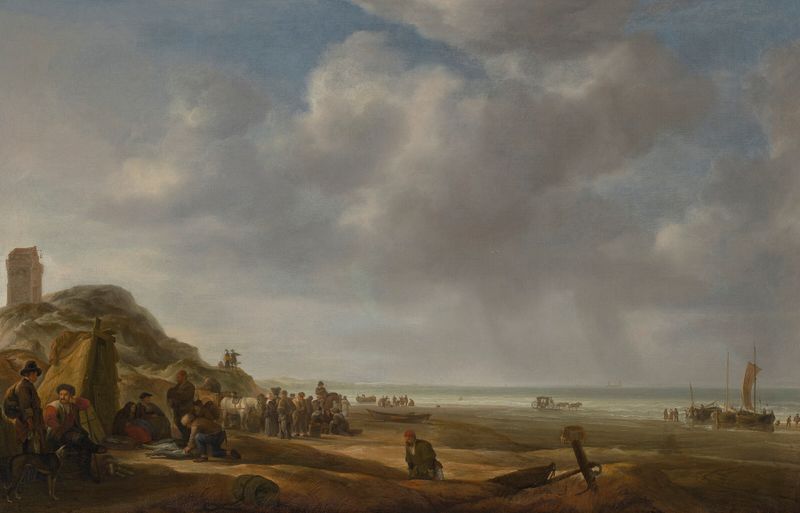
A beach scene with fishermen displaying their catch
Simon de Vlieger

Ship in Distress off a Rocky Coast
Simon de Vlieger
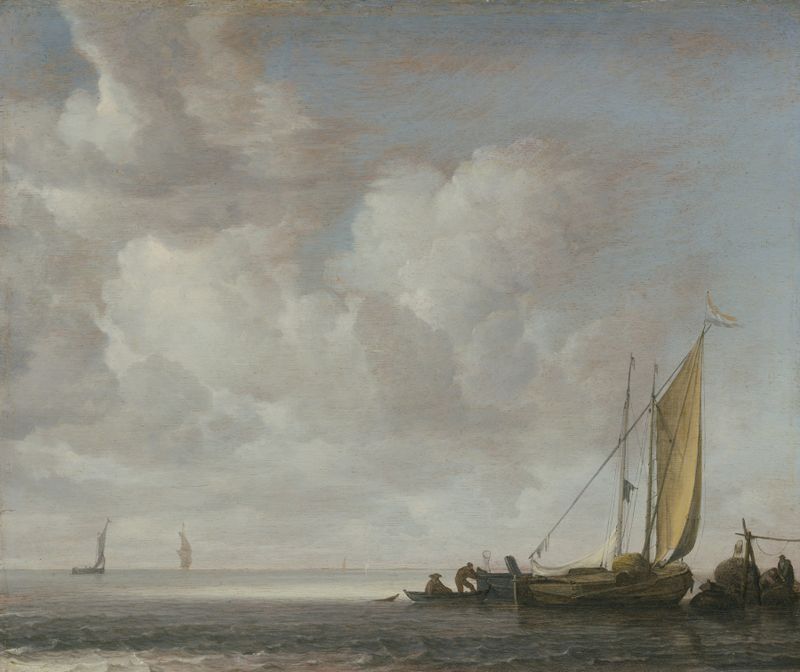
Calm Sea
Simon de Vlieger
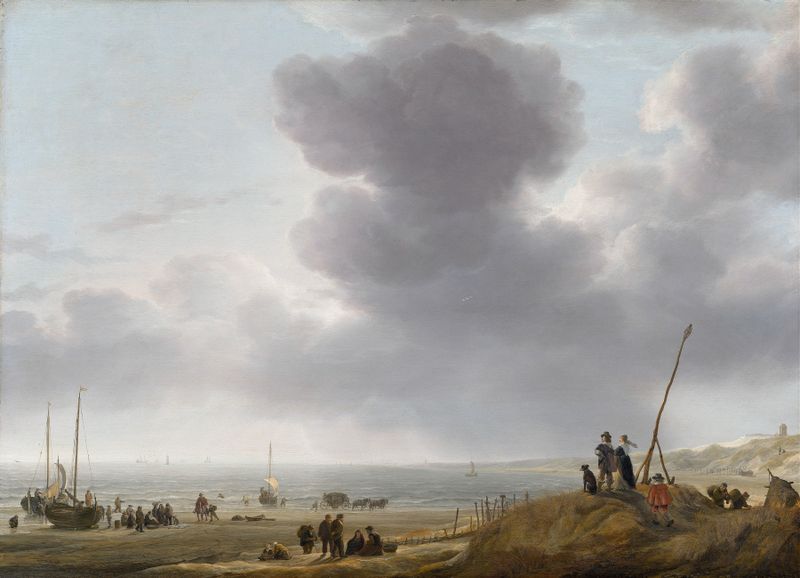
Beach View
Simon de Vlieger





