
Smolensk, tomb of Gogoliński — History & Facts
What if silence could speak through light? In the quiet, ethereal glow of Smolensk, tomb of Gogoliński, the interplay of illumination captures a moment of awakening, both spiritual and introspective. Look to the center of the canvas, where the tomb stands solemn and unadorned, cradled by shadows and faint rays of light. Notice how the textures of the stone evoke a sense of age, the subtle blues and grays blending seamlessly to create a tranquil yet haunting atmosphere. The soft light filtering through creates a halo effect, illuminating the surrounding darkness, inviting the viewer to linger and reflect on the sacredness of the space. As you explore this composition, small details reveal deeper emotional tensions — the contrast between light and dark symbolizes the transient nature of life and memory.
The stonework, though weathered, emanates a sense of reverence, while the encroaching shadows suggest the inevitability of loss. This duality reflects not just a physical space but a metaphor for the human experience, where moments of grief coexist with the beauty of remembrance. In 1896, when this piece was created, Jan Ciągliński was navigating the complexities of his artistic identity in a rapidly changing world. Working in Paris and influenced by both Polish heritage and the Symbolist movement, he sought to convey profound themes through his art.
The cultural and political climate of the time, marked by a longing for national identity amidst upheaval, imbues the work with a deeper resonance, reflecting not only individual contemplation but also collective memory.
More Artworks by Jan Ciągliński
Browse all →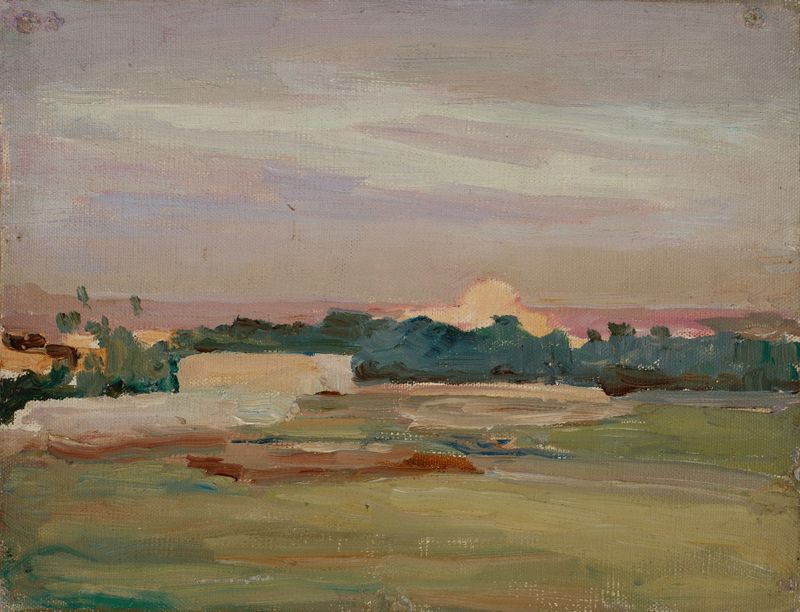
The Sirocco
Jan Ciągliński
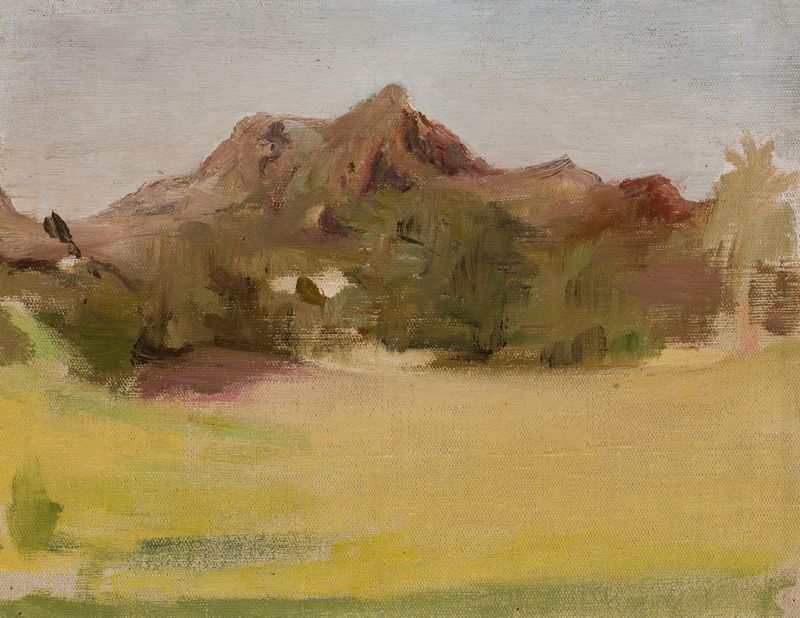
Mountain landscape. From the journey to India
Jan Ciągliński
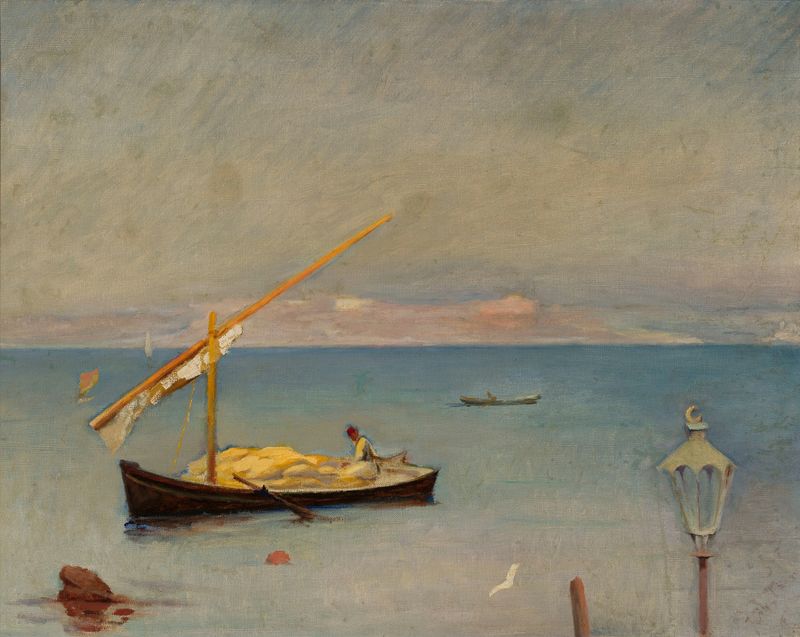
At Bosporus
Jan Ciągliński
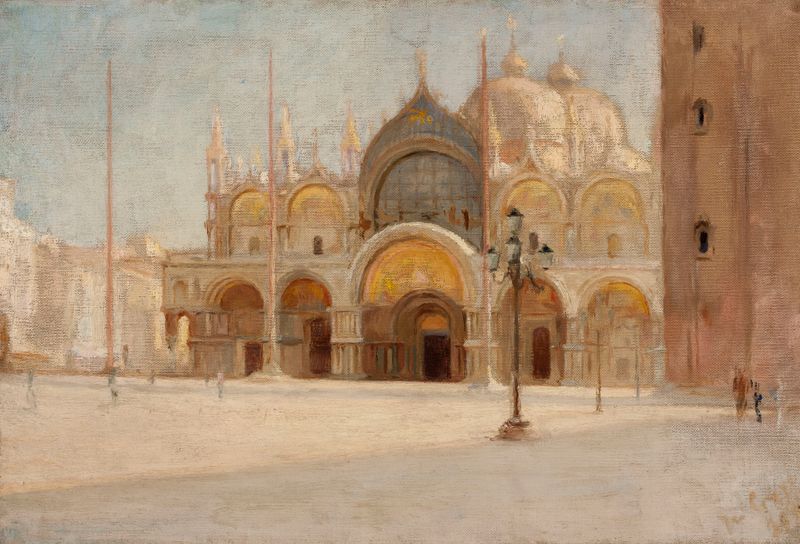
St Mark’s Square in Venice
Jan Ciągliński
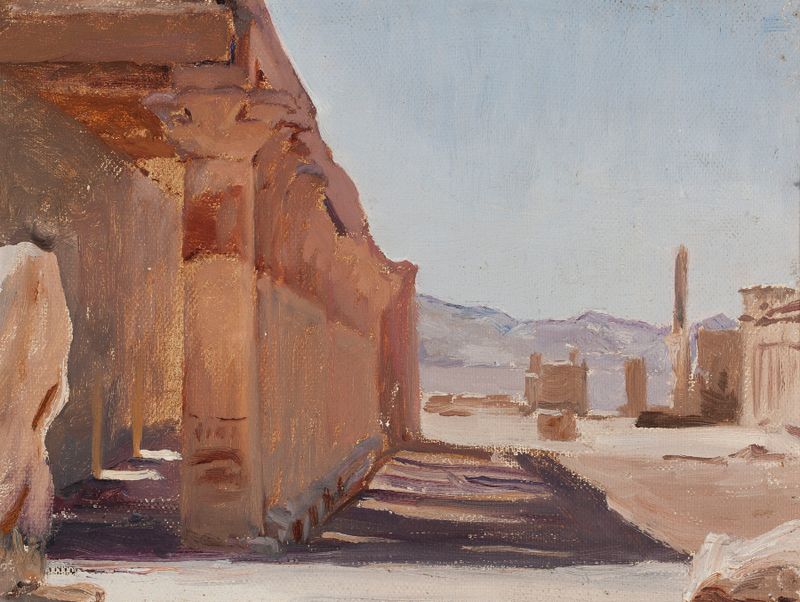
Temple. From the journey to Egypt
Jan Ciągliński
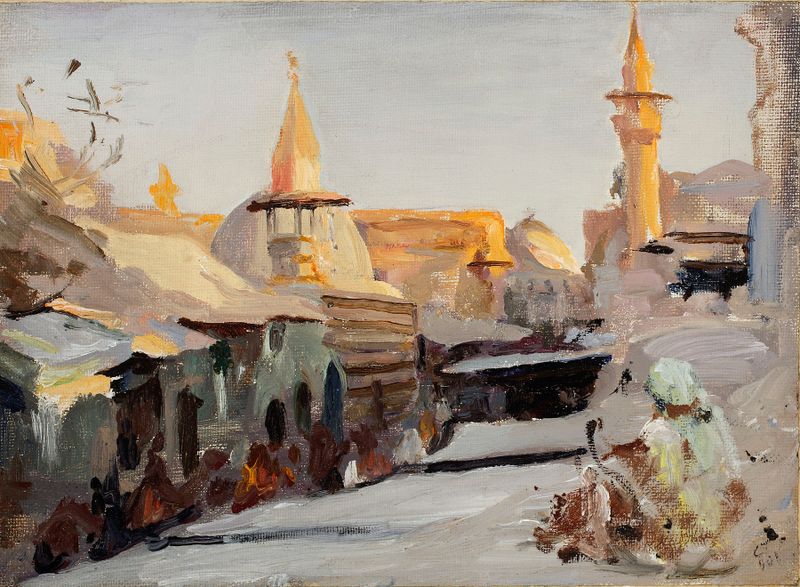
Street in Damascus. From the journey to Palestine
Jan Ciągliński
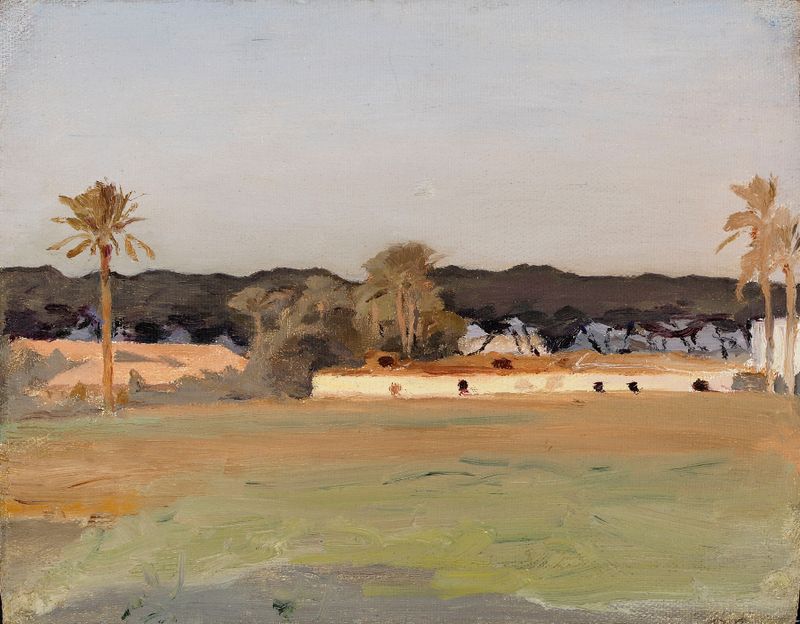
Evening. From the journey to Egypt
Jan Ciągliński
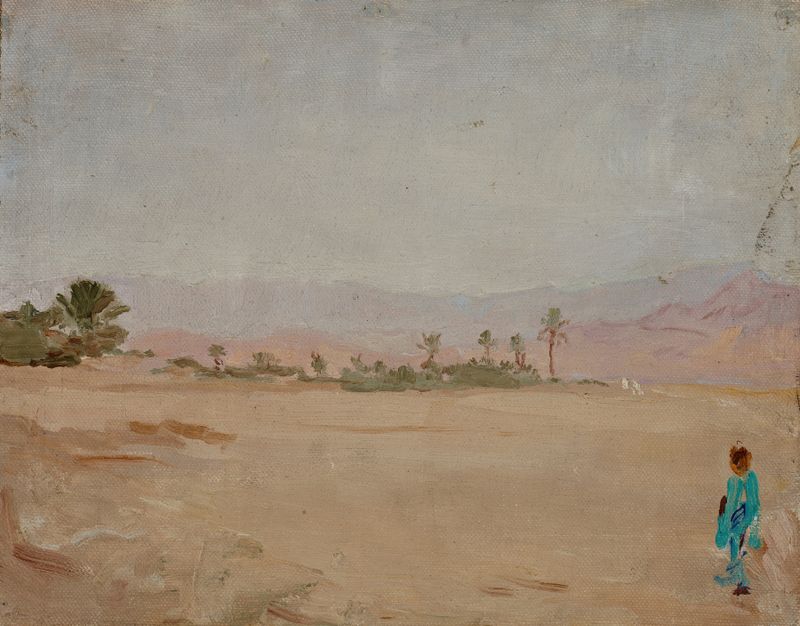
Sahara (Desert)
Jan Ciągliński
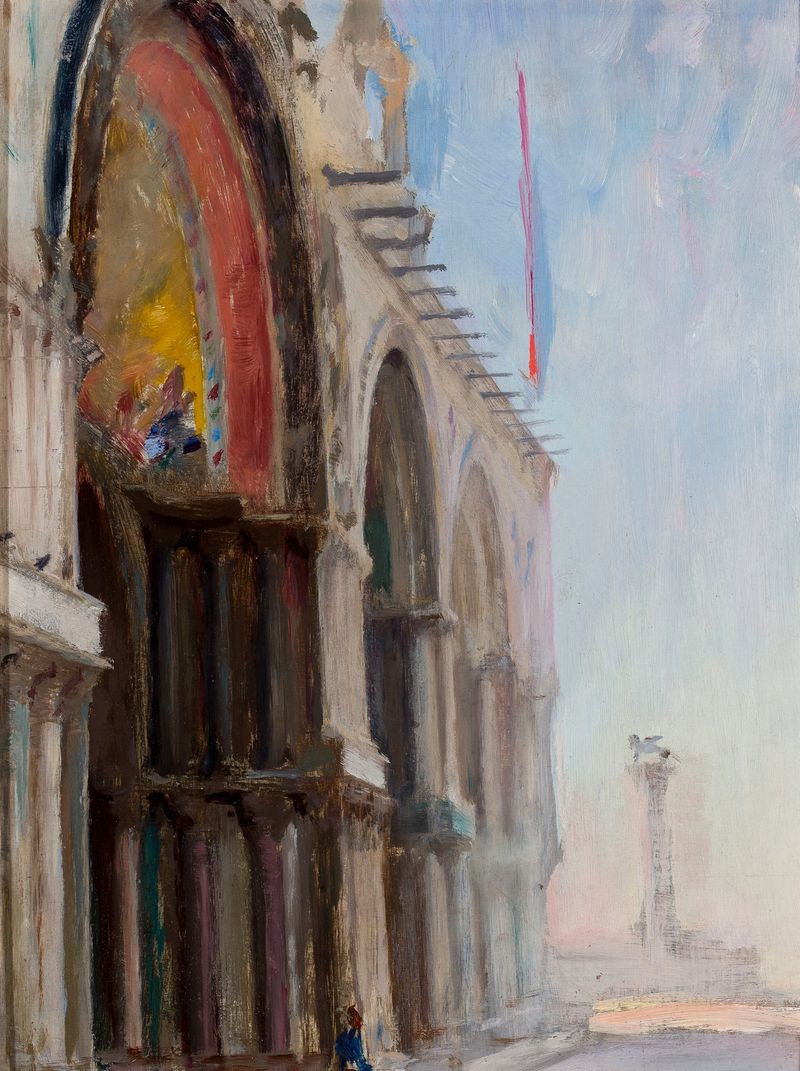
Venice – San Marco. From the journey to Italy
Jan Ciągliński
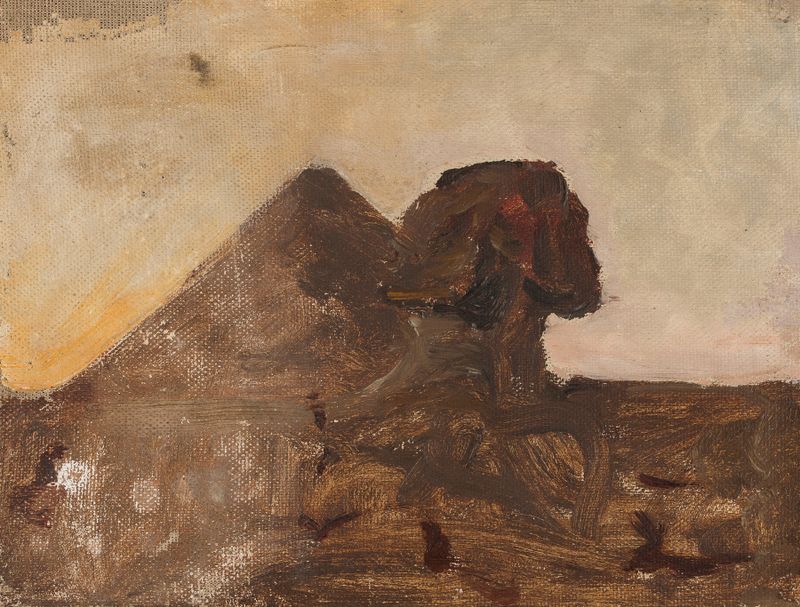
Evening in the desert – Sphinx and pyramid. From the journey to Egypt
Jan Ciągliński
More Historical Art
Browse all →
The Night Watch Militia Company of District II under the Command of Captain Frans Banninck Cocq
Rembrandt van Rijn

Lincoln Memorial
Henry Bacon

The Third of May 1808
Francisco de Goya

Isaac and Rebecca, Known as ‘The Jewish Bride’
Rembrandt van Rijn

The Charge of the Mamelukes (1814)
Francisco de Goya

De vier ruiters van de apocalyps
Albrecht Dürer