
Sneeuw in de stad — History & Facts
In the stillness of a world blanketed in white, the void of winter reveals a tranquility that is both haunting and beautiful. Look to the center of the composition, where the canvas blooms with soft, swirling whites and cool blues, evoking the gentle fall of snow. Notice how the light interacts with the surface, refracting through the delicate flakes, creating a shimmering effect that dances upon the rooftops and cobblestones. The subtle variations in texture suggest movement, as if the snow itself breathes and shifts across the cityscape, inviting the viewer to dwell within its serene embrace. Yet beneath this peaceful exterior lies an emotional tension.
The soft contours of the buildings, softened by the snow, stand in stark contrast to the sharp angles of the shadows lurking in the alleys, hinting at a sense of isolation amidst the beauty. This duality invites contemplation about the void that winter can evoke—a moment of reflection on absence, silence, and the quiet weight of the season. It evokes a feeling of nostalgia, as if the canvas captures not just a scene, but a fleeting moment in time. During the years he painted this work, from 1888 to 1934, Grondhout was immersed in an era of artistic experimentation and social change.
Living in the Netherlands, he witnessed the evolving landscape of urban life and its complex relationship with nature. His mastery of light and shadow during this period reflects not just his technical skill but also a deep engagement with the themes of solitude and the passage of time, resonating with the broader movements in art and society of his day.
More Artworks by Willem Adrianus Grondhout
Browse all →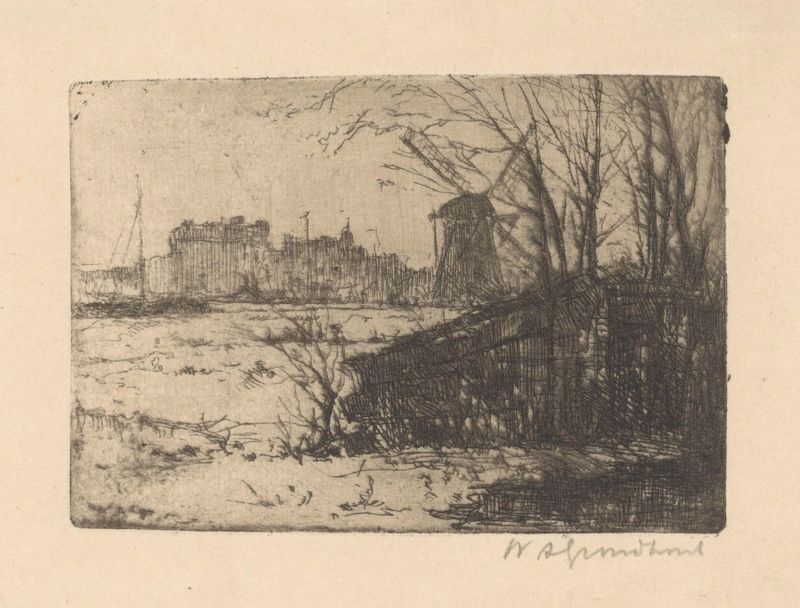
Landschap met molen in de Binckhorst in Den Haag
Willem Adrianus Grondhout
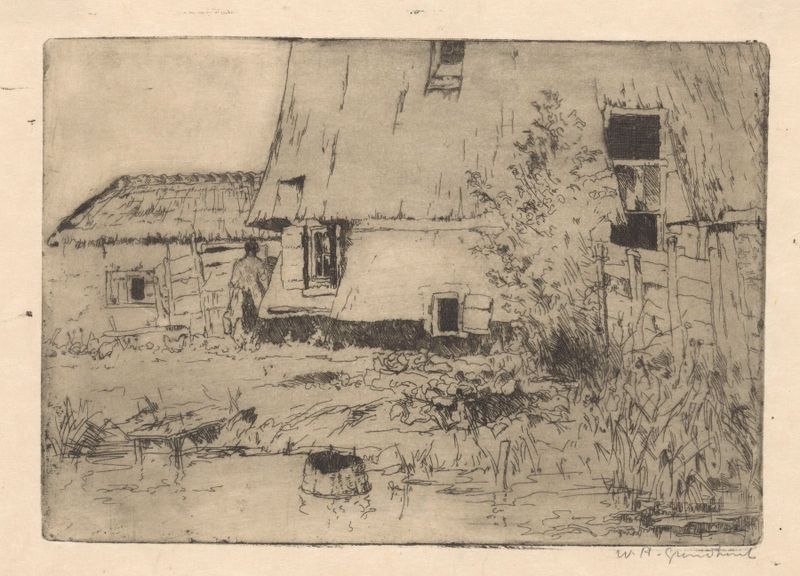
Voet van een molen in Voorburg
Willem Adrianus Grondhout
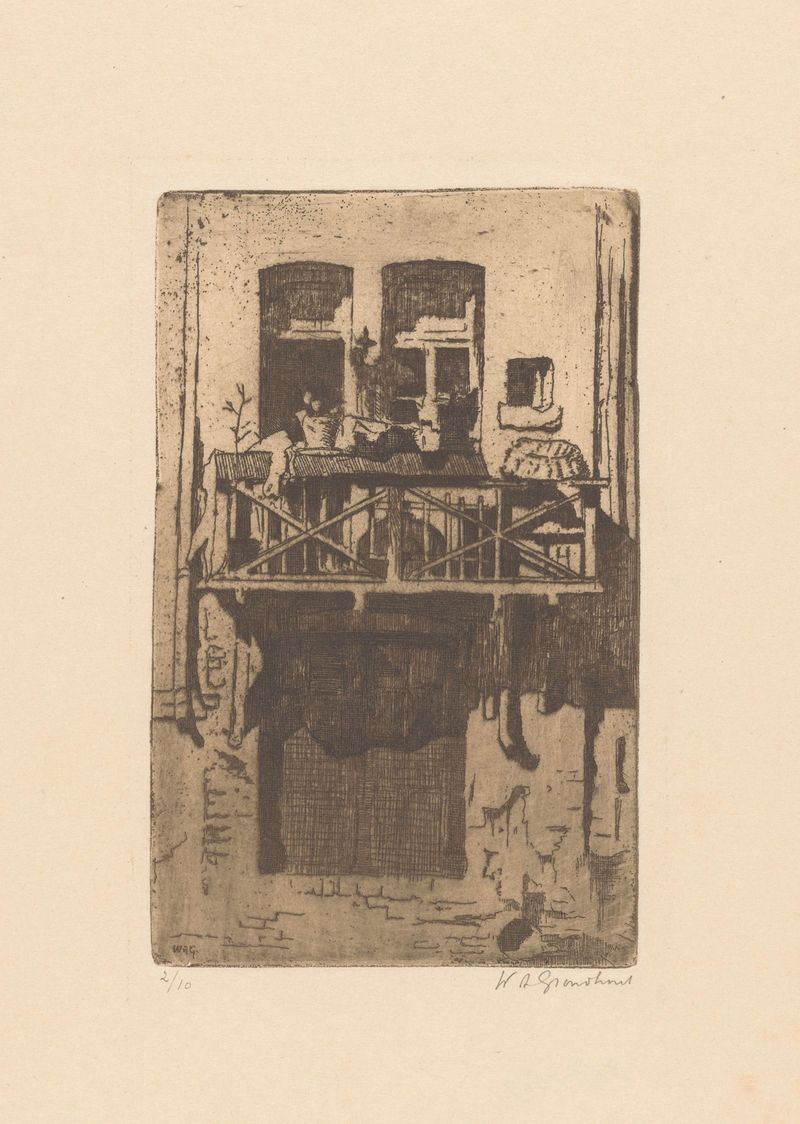
Balkon van een huis aan de Oudezijds Kolk in Amsterdam
Willem Adrianus Grondhout
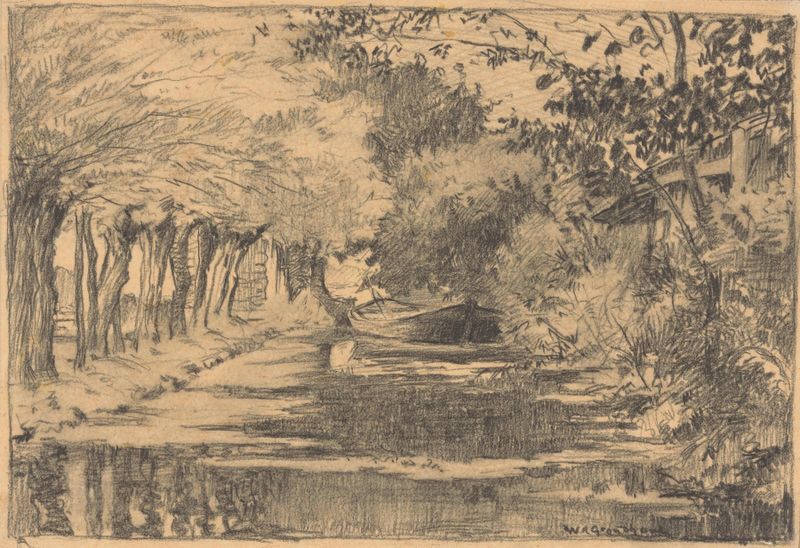
Broeksloot bij Voorburg
Willem Adrianus Grondhout
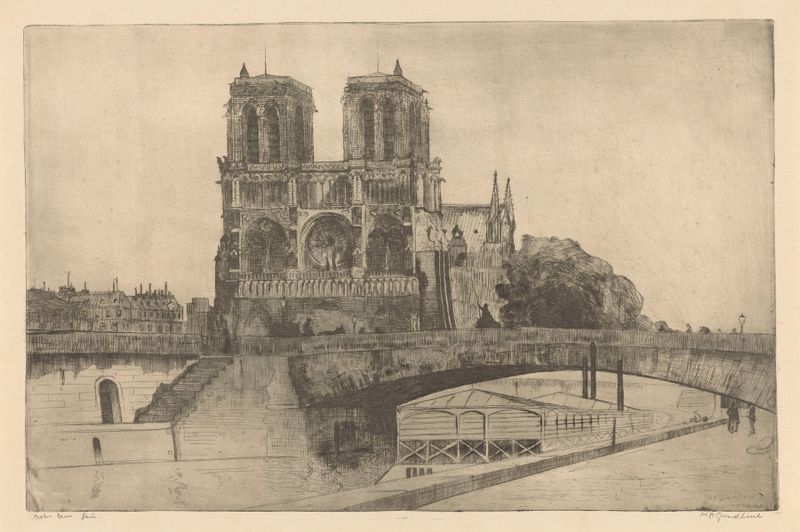
Notre-Dame, Paris
Willem Adrianus Grondhout
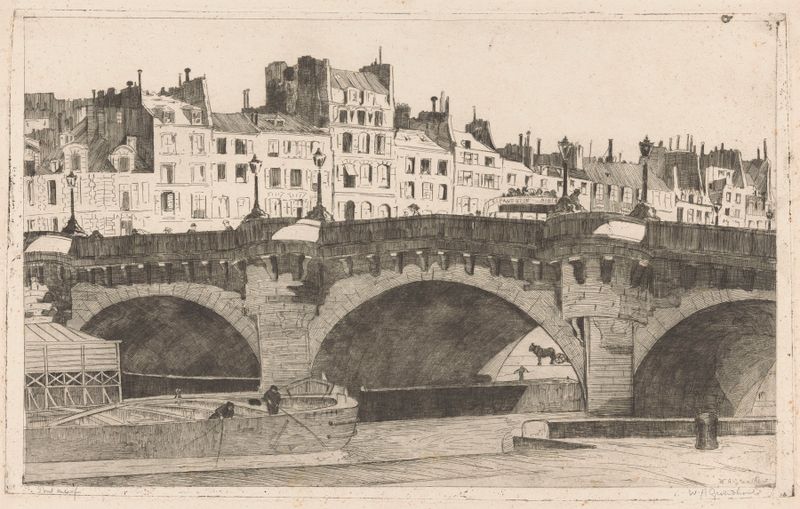
Pont Neuf
Willem Adrianus Grondhout
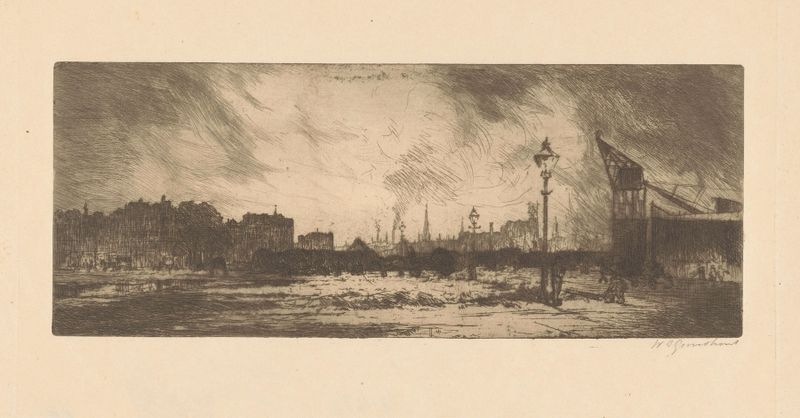
Havenkade met lantaarnpalen in Rotterdam
Willem Adrianus Grondhout
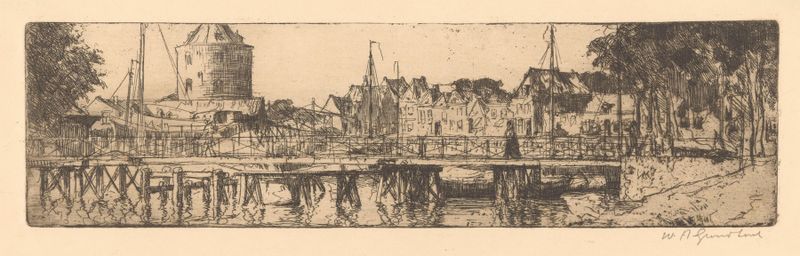
Enkhuizen
Willem Adrianus Grondhout
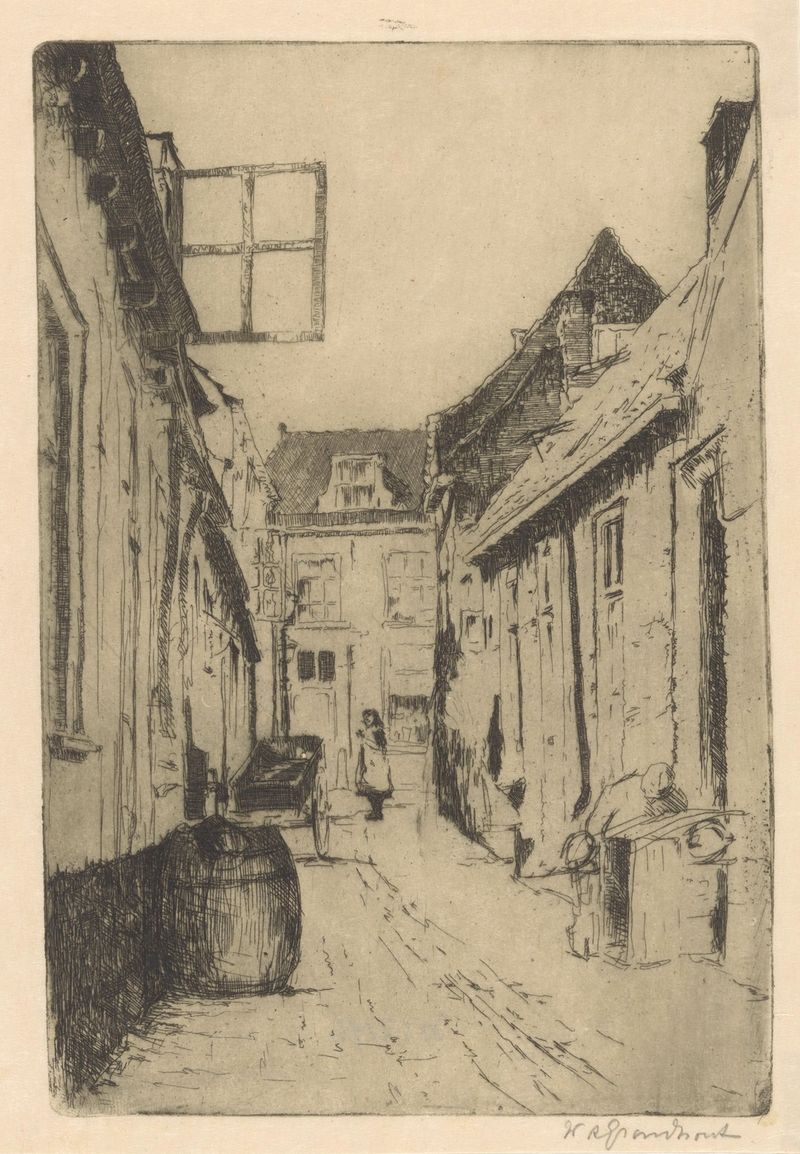
Straatje in Voorburg.
Willem Adrianus Grondhout
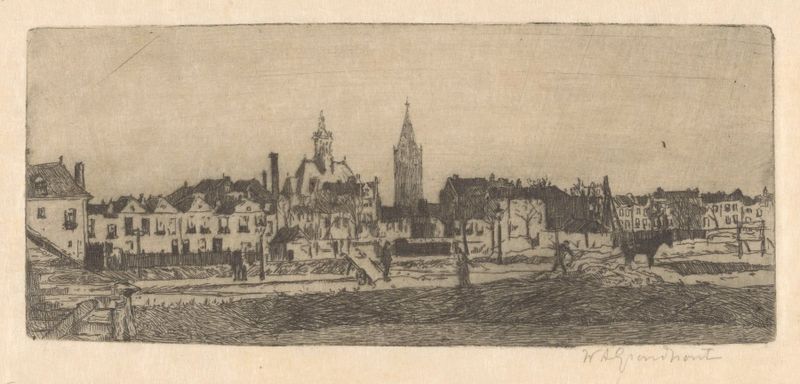
Delft
Willem Adrianus Grondhout





