
Snow — History & Facts
Is this a mirror — or a memory? The boundary between the two blurs as one gazes into a world cloaked in white, evoking layers of nostalgia and tranquility. First, the viewer’s gaze is drawn to the serene expanse of snow, stretching across the canvas like a soft, unbroken blanket. The gentle brushstrokes capture the delicate texture of the snowflakes, each one a fleeting moment in time, shimmering with the light of a low winter sun. Look to the left, where the cool blues and soft whites seamlessly blend, creating a quiet atmosphere that invites introspection.
The contrast of the vivid sky against the muted landscape compels the viewer to linger and explore the depth of this frozen realm. Hidden in this seemingly simple scene lies a profound emotional dichotomy. The stillness of the snow invokes a sense of peace, yet the absence of human presence stirs feelings of solitude. The distant trees, their branches heavy with snow, seem to whisper stories of isolation and resilience, echoing the quiet struggles of life.
This tension between serenity and solitude creates a poignant reflection on the ephemeral nature of existence. In 1907, during a period of artistic transition in Europe, the artist painted this work while immersing himself in the beauty of the natural world. Falat was drawn to the landscapes of Poland, deeply influenced by the Impressionists’ focus on light and atmosphere. At this time, the art world was grappling with modernism, yet his dedication to capturing the essence of nature and emotion set him apart, allowing Snow to resonate with timelessness.
More Artworks by Julian Falat
Browse all →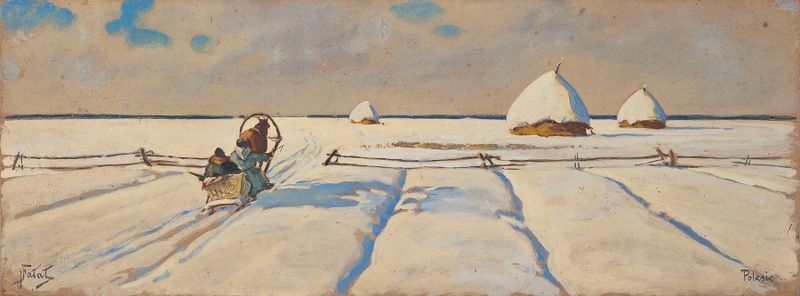
Sleigh in a snowy field – Polesia
Julian Falat
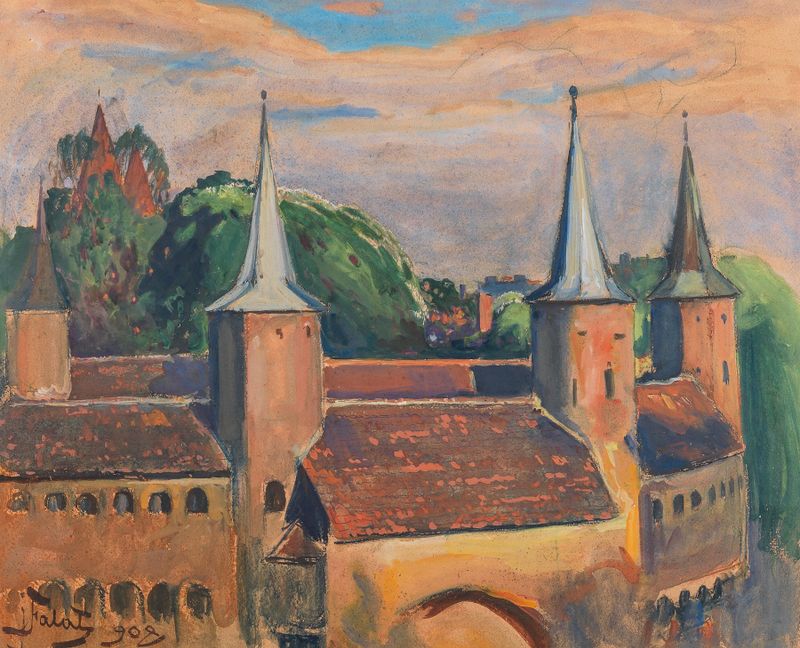
The Kraków Barbican
Julian Falat
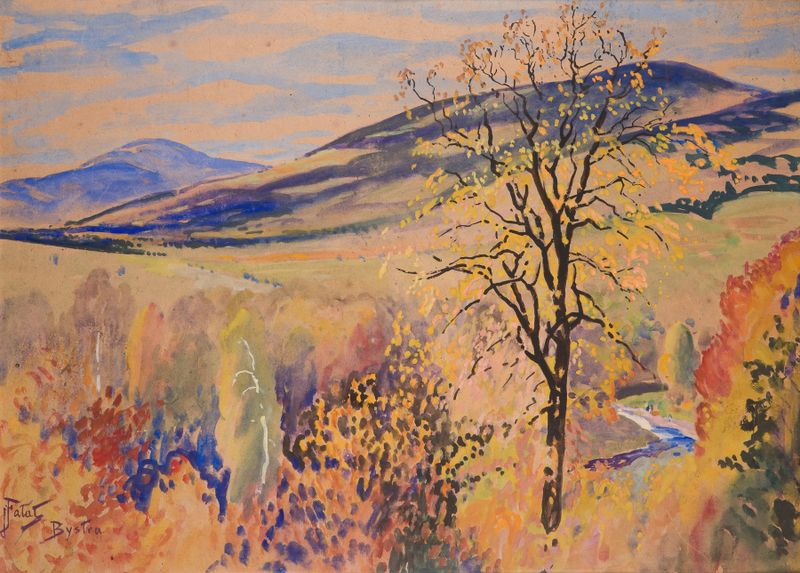
Pejzaż jesienny z Bystrej
Julian Falat
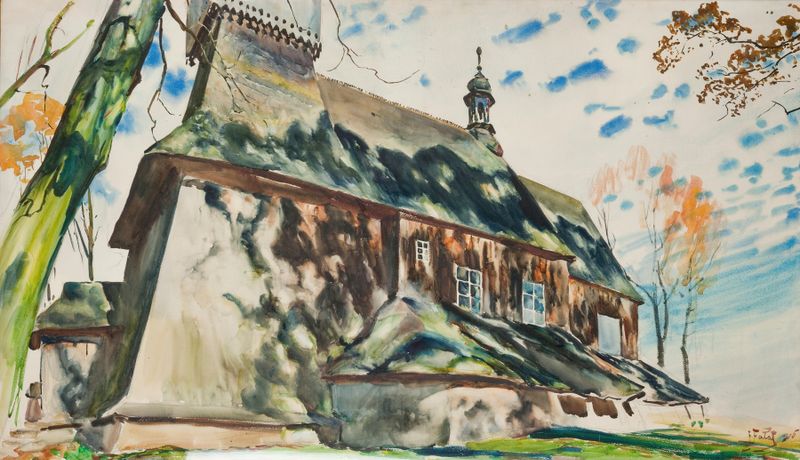
Church in Osiek
Julian Falat
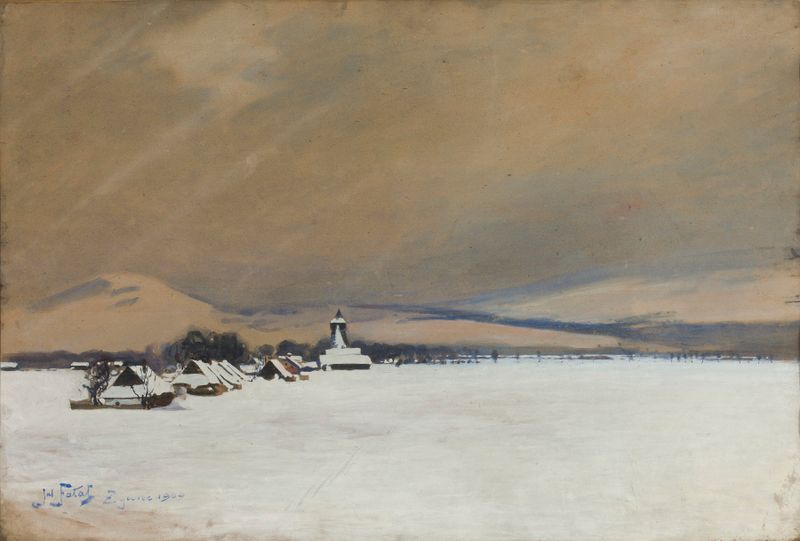
Winter landscape from Żywiec
Julian Falat
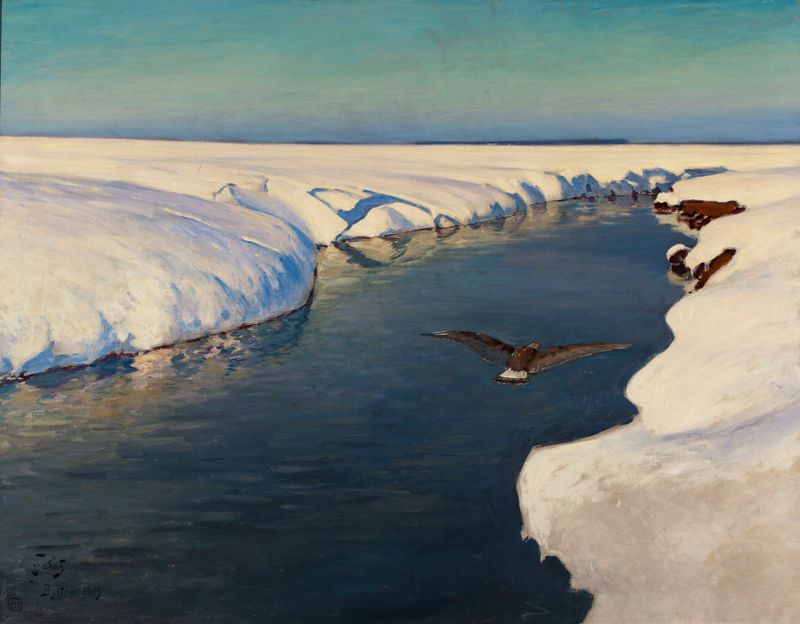
Winter landscape with a river and a bird
Julian Falat
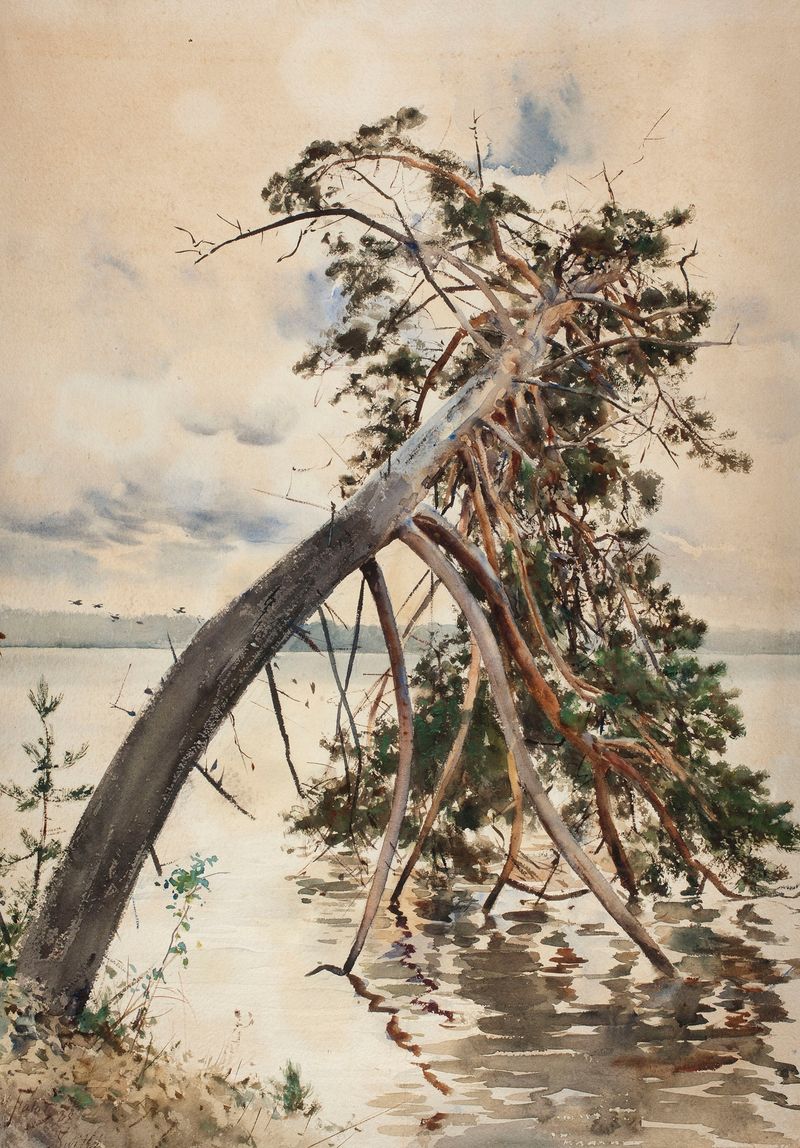
Świteź
Julian Falat
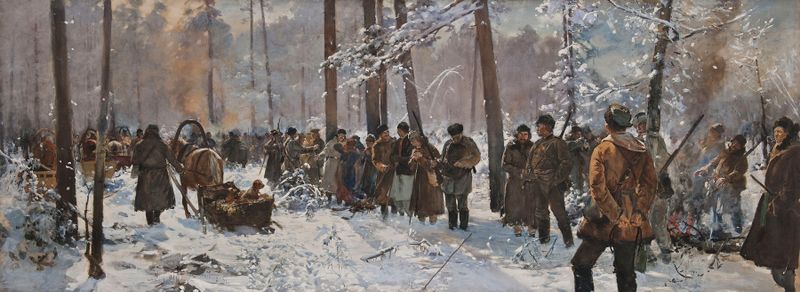
Battue at a hunt in Nieśwież
Julian Falat
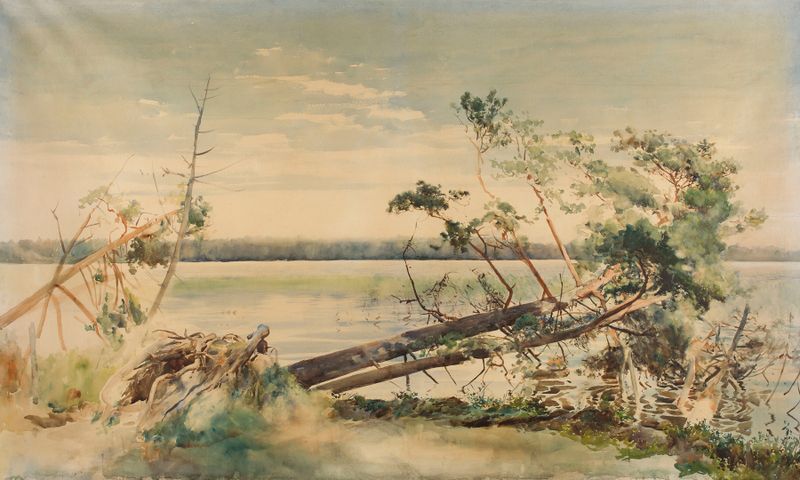
Świteź
Julian Falat
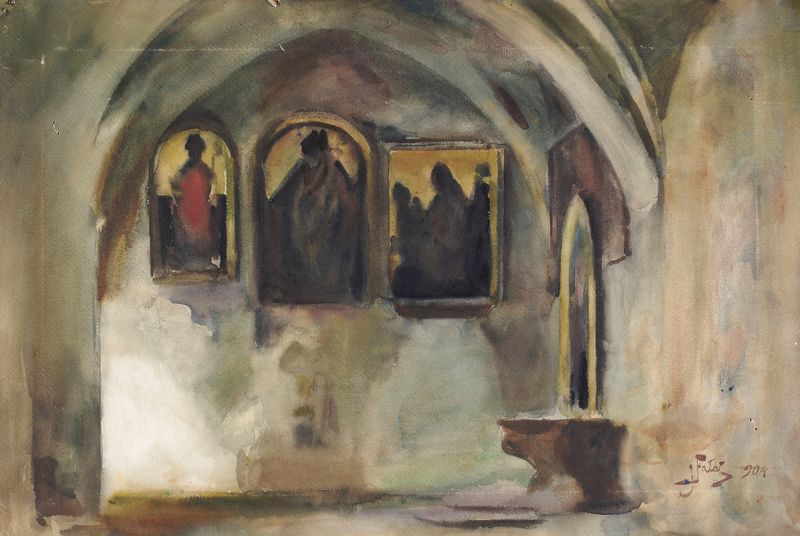
Cloister of the Franciscan Church in Krakow
Julian Falat





