
Snow-landscape — History & Facts
Can paint confess what words never could? In the quiet simplicity of a winter landscape, emotions often lie buried beneath the snow, waiting for the warmth of understanding to reveal them. Look to the foreground, where the untouched snow blankets the earth in a soft, white silence. The gentle undulations of the terrain are captured in soft brush strokes, inviting the viewer to trace the subtle curves of the land with their eyes. Notice how the muted palette of whites and blues breathes life into the scene, creating a serene atmosphere that contrasts with the sharpness of distant tree trunks silhouetted against a fading sky.
This delicate interplay of light and shadow guides us deeper into the heart of the composition, revealing the artist's mastery in conveying mood through color. As you immerse yourself in this tranquil image, consider the hidden tension beneath its surface. The vast, empty expanse of snow evokes a sense of solitude and reflection, hinting at the weight of reality amidst the beauty. There's a paradox woven into the stillness—a yearning for revolution, perhaps, not just in the political climate of the time but within the emotional landscapes of those who dwell in isolation.
The starkness of the scene invites contemplation on the contrasts of hope and despair, reminding us that even in quiet moments, profound transformations can be sparked. During 1940, Otto Modersohn painted this work in Germany, a nation grappling with the upheaval of World War II. As a member of the artists’ group that fervently sought to redefine art in the face of societal turmoil, he used his canvas to capture the essence of a changing world. This piece reflects his emotional response to the era, merging beauty with the stark realities of a life irrevocably altered by conflict.
More Artworks by Otto Modersohn
Browse all →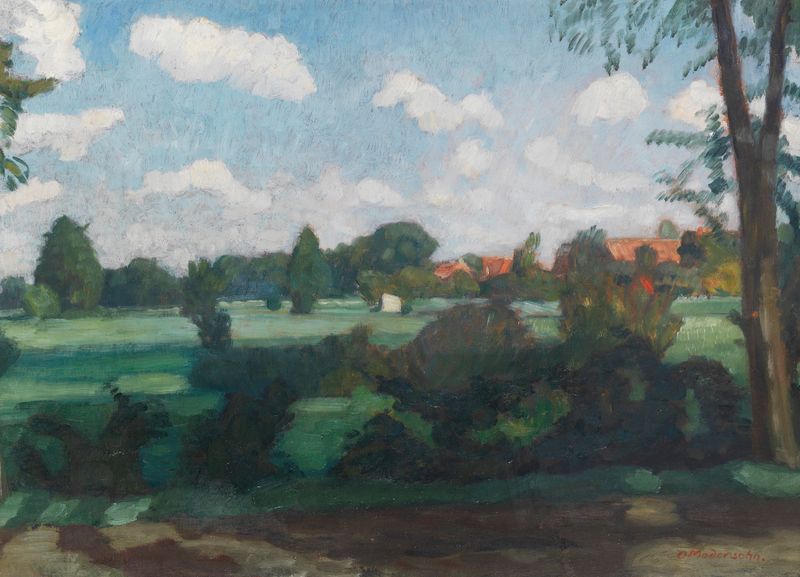
Sommerliche Wiesen bei Fischerhude
Otto Modersohn
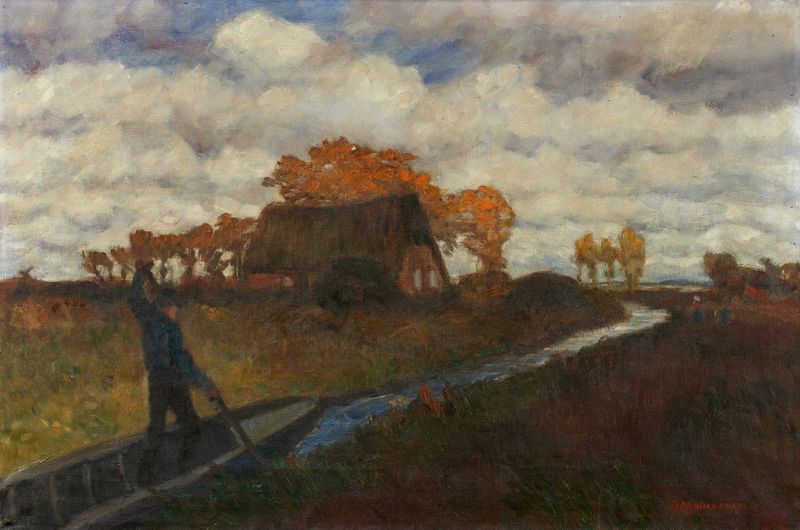
Herbstwetter
Otto Modersohn
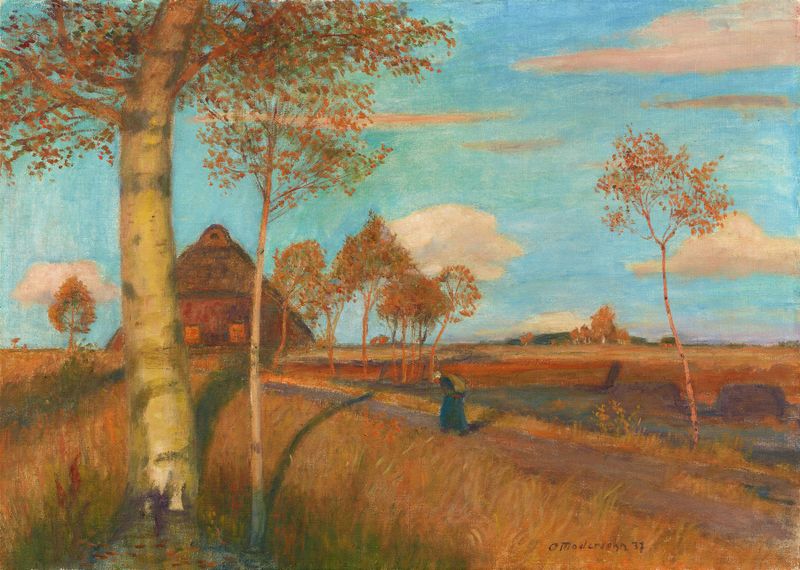
Abendsonne im Moor
Otto Modersohn
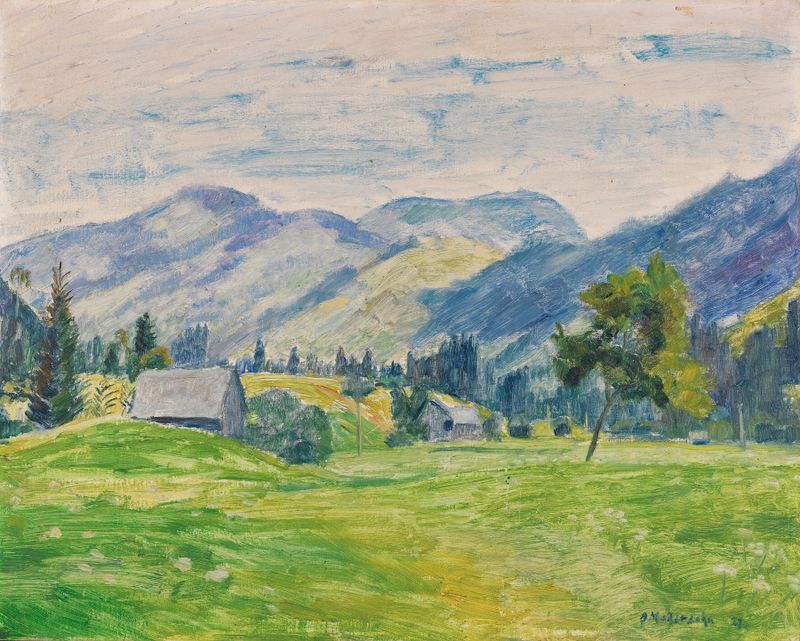
Lichter Sommertag im Allgäu (Unterjoch bei Hindelang)
Otto Modersohn
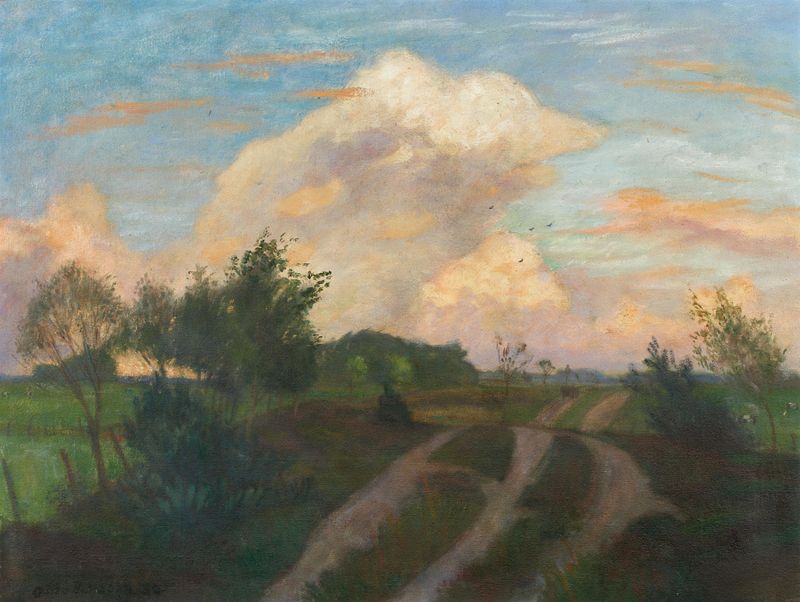
Sommerabend in der Surheide
Otto Modersohn
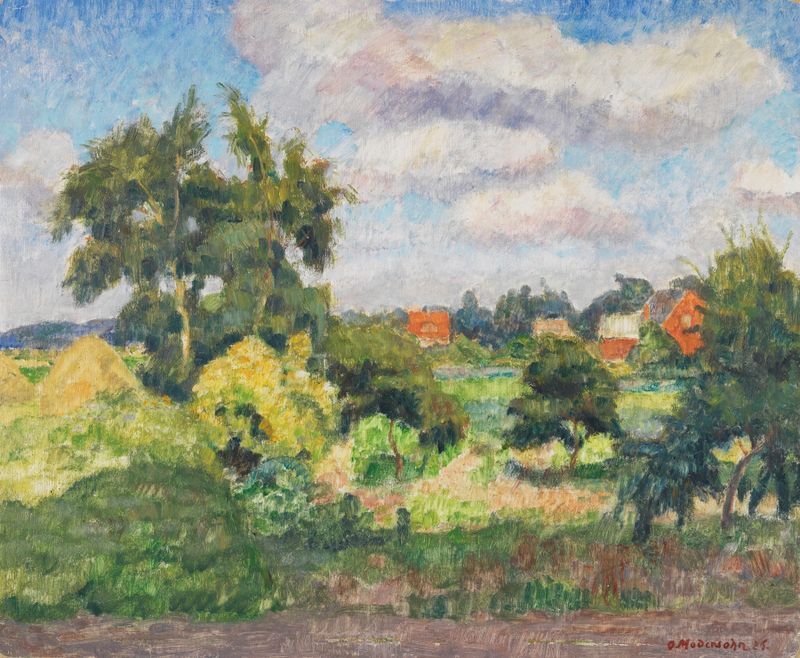
Sommertag in den Feldern bei Fischerhude
Otto Modersohn
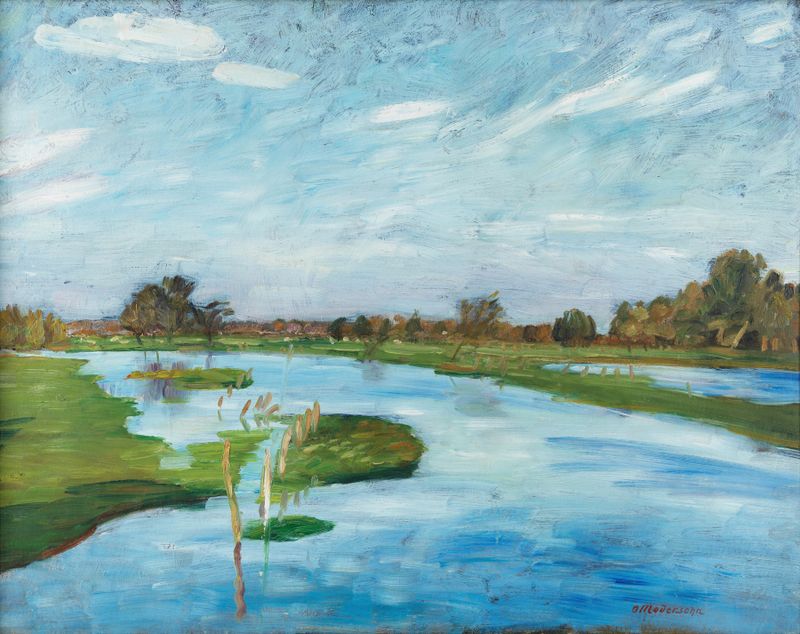
Überschwemmte Wümmewiesen
Otto Modersohn
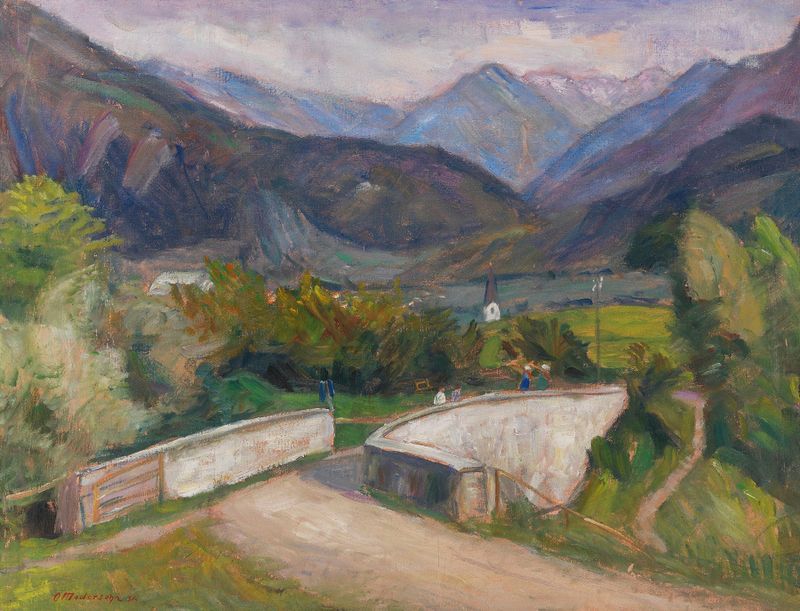
Zillenbachbrücke (Weg nach Gailenberg oberhalb von Hindelang im Allgäu)
Otto Modersohn
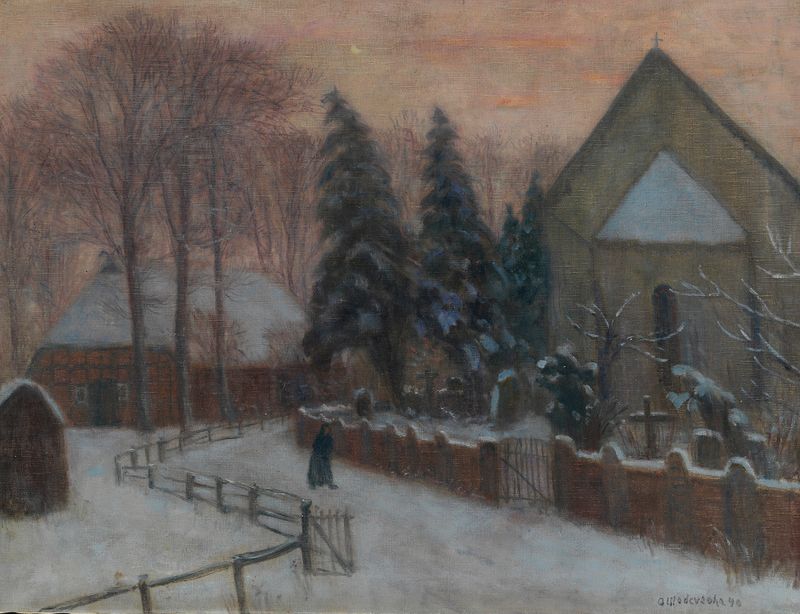
Winterabend, Fischerhuder Kirche mit Heimathaus
Otto Modersohn

Frühling
Otto Modersohn





