
Snow Village of Inuit visited by Captain Lyons — History & Facts
A gust of chill air sweeps through a serene snow-laden village, where delicate structures of ice and snow contrast sharply against the muted gray sky. In the foreground, a group of Inuit figures, clad in layered furs, gather around a steaming pot, their faces illuminated by the soft twilight glow. Captain Lyons, an imposing figure, stands nearby, his curiosity palpable as he observes this intimate scene of daily life, bridging two worlds in a single moment of connection. Look to the left, where the warm glow from the pot casts flickering shadows on the snow, creating a visual dialogue between light and the encroaching twilight.
Notice how the artist employs a muted palette of whites and blues, punctuated by the earthy tones of the villagers’ garments, evoking both the harshness and warmth of this unique setting. The composition centers on the gathering, drawing the viewer's eye toward the exchange of glances and gestures, a powerful testament to resilience and camaraderie amid an unforgiving landscape. Delve deeper into the small details that enrich this narrative: the textures of the snowscape, the intricate stitching of the Inuit attire, and the palpable tension in the air as two cultures intersect. Each figure’s expression tells a story, their cautious curiosity mirrored in Lyons's stance, suggesting a moment of revelation where understanding and respect begin to blossom.
The contrast of warmth from the cooking pot against the cold backdrop highlights the delicate balance of survival and hospitality in this remote village. Created during the early 19th century, the work emerged at a time when European interest in Arctic exploration was intensifying. Charles Hamilton Smith painted this scene as he embarked on his own journeys, aiming to document the lives of those he encountered. This period was marked by scientific inquiry and fascination with indigenous cultures, providing a rich context for the artist’s exploration of cross-cultural interactions and the nuances of human connection.
More Artworks by Charles Hamilton Smith
Browse all →
Situation of H.M.S. Hecla & Griper
Charles Hamilton Smith
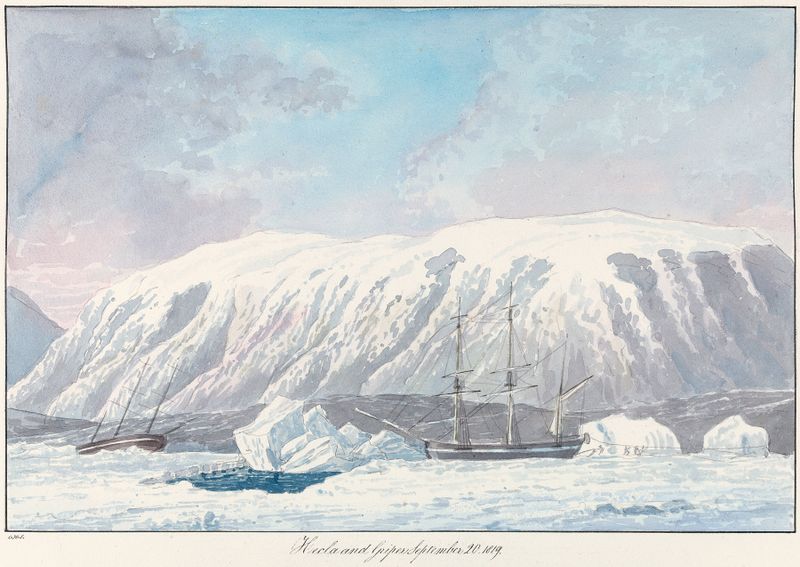
Hecla and Griper
Charles Hamilton Smith

Friendly Cove, Nootka Sound
Charles Hamilton Smith

Iceberg in Baffin’s Bay
Charles Hamilton Smith
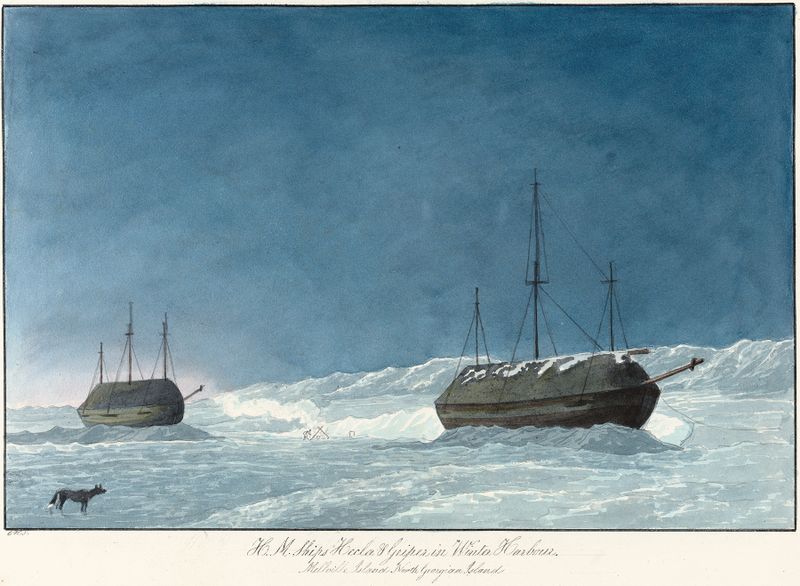
H. M. Ships Hecla and Griper in Winter Harbour
Charles Hamilton Smith

The Erebus & Terror in a Gale in the Pack of the Ice
Charles Hamilton Smith
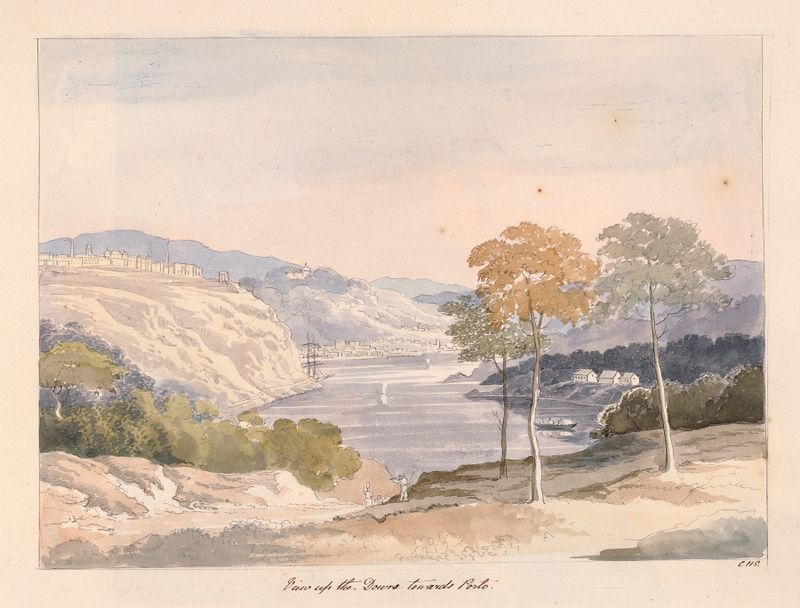
View of the Douro towards Porto
Charles Hamilton Smith
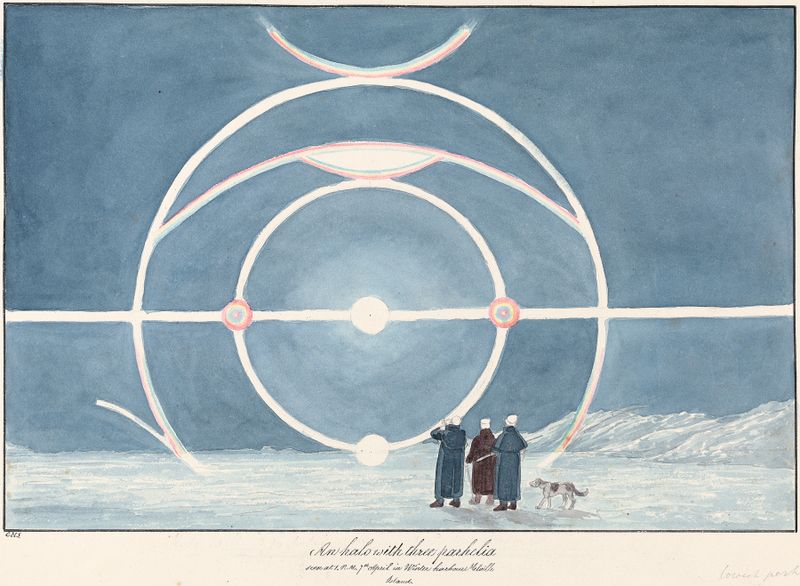
Halo with Three Parhelia, Winter Harbour Melville Island
Charles Hamilton Smith
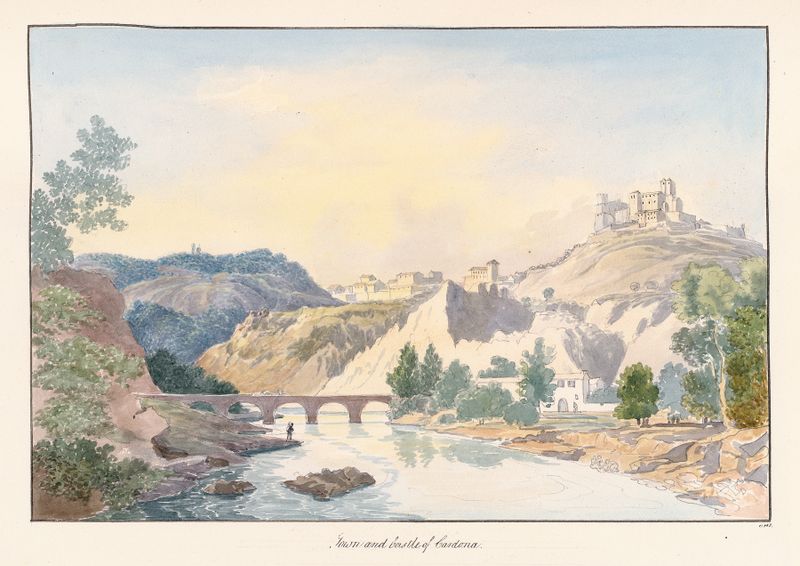
Town and Castle of Cardona
Charles Hamilton Smith
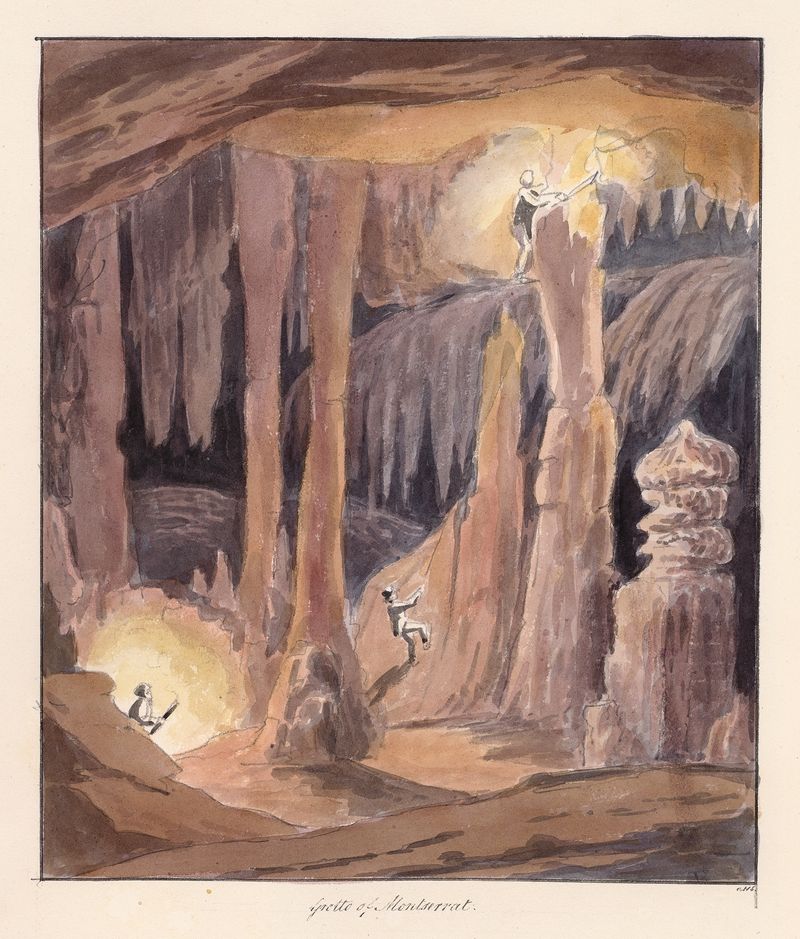
Grotto of Montserrat
Charles Hamilton Smith
More Historical Art
Browse all →
The Night Watch Militia Company of District II under the Command of Captain Frans Banninck Cocq
Rembrandt van Rijn

Lincoln Memorial
Henry Bacon

The Third of May 1808
Francisco de Goya

Isaac and Rebecca, Known as ‘The Jewish Bride’
Rembrandt van Rijn

The Charge of the Mamelukes (1814)
Francisco de Goya

De vier ruiters van de apocalyps
Albrecht Dürer