
Snowy cottage — History & Facts
A hush falls over this scene, not from silence but from the careful attention Caspar David Friedrich gives to every branch and snow-laden tuft. The most striking element is how the eye is drawn not to a grand vista or distant horizon, but to a humble, half-buried cottage, its door askew, its roof nearly lost beneath the weight of winter. The trees, gnarled and pollarded, thrust upward like dark sentinels, their bare branches a tangle against the pale, heavy sky.
Each detail—the crisp edge of snow on timber, the stubborn sprigs of brown foliage—invites the viewer to linger, searching for life in the quiet aftermath of the season. Light here is not dramatic, but even, the subdued palette setting a mood of endurance rather than despair. Painted in 1827, this work belongs to the world of early nineteenth-century Germany, when artists like Friedrich sought meaning in nature’s overlooked corners. Such landscapes were not mere records of place, but meditations on solitude, mortality, and the passage of time—concerns that resonated with a society shaped by war, political upheaval, and the stirrings of Romanticism.
Works like Snowy cottage were rarely grand commissions; more often, they were created for collectors attuned to the poetry of the everyday, or for the artist’s own circle. Now part of the Staatliche Museen zu Berlin, this painting stands as a quiet testament to an era when the smallest corners of the world could hold the weightiest questions. Look again: what endures beneath the snow?
More Artworks by Caspar David Friedrich
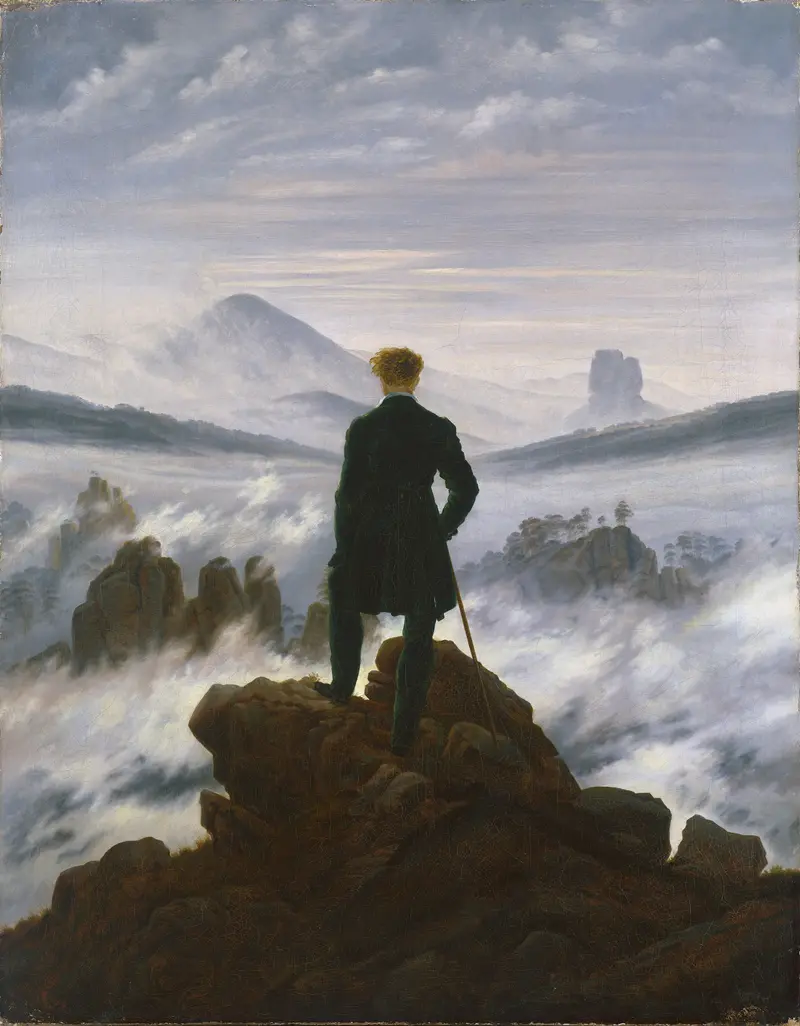
Wanderer above the Sea of Fog
Caspar David Friedrich

The Sea of Ice
Caspar David Friedrich
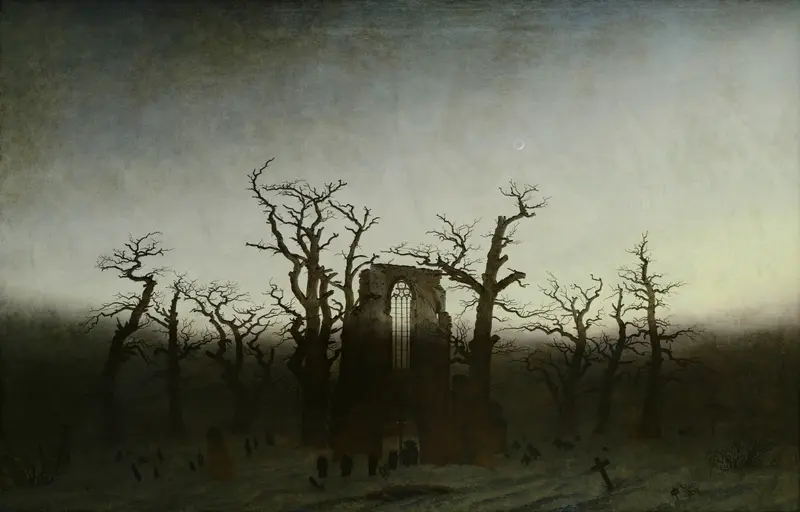
The Abbey in the Oakwood
Caspar David Friedrich
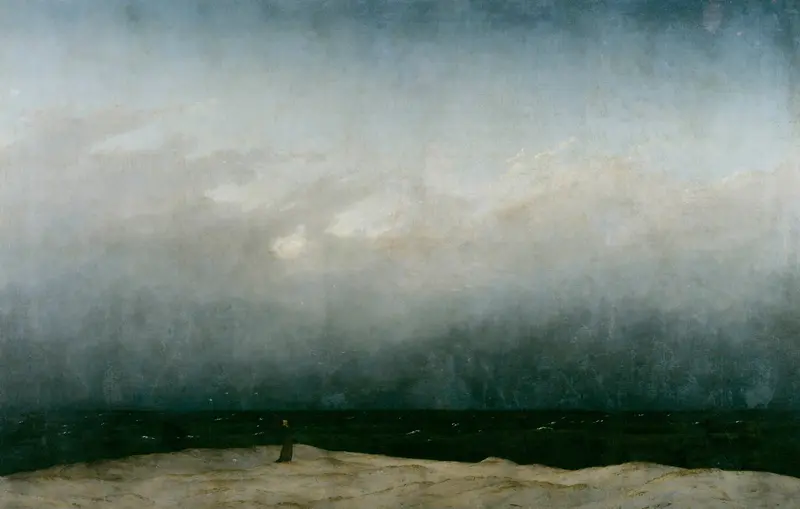
The Monk by the Sea
Caspar David Friedrich
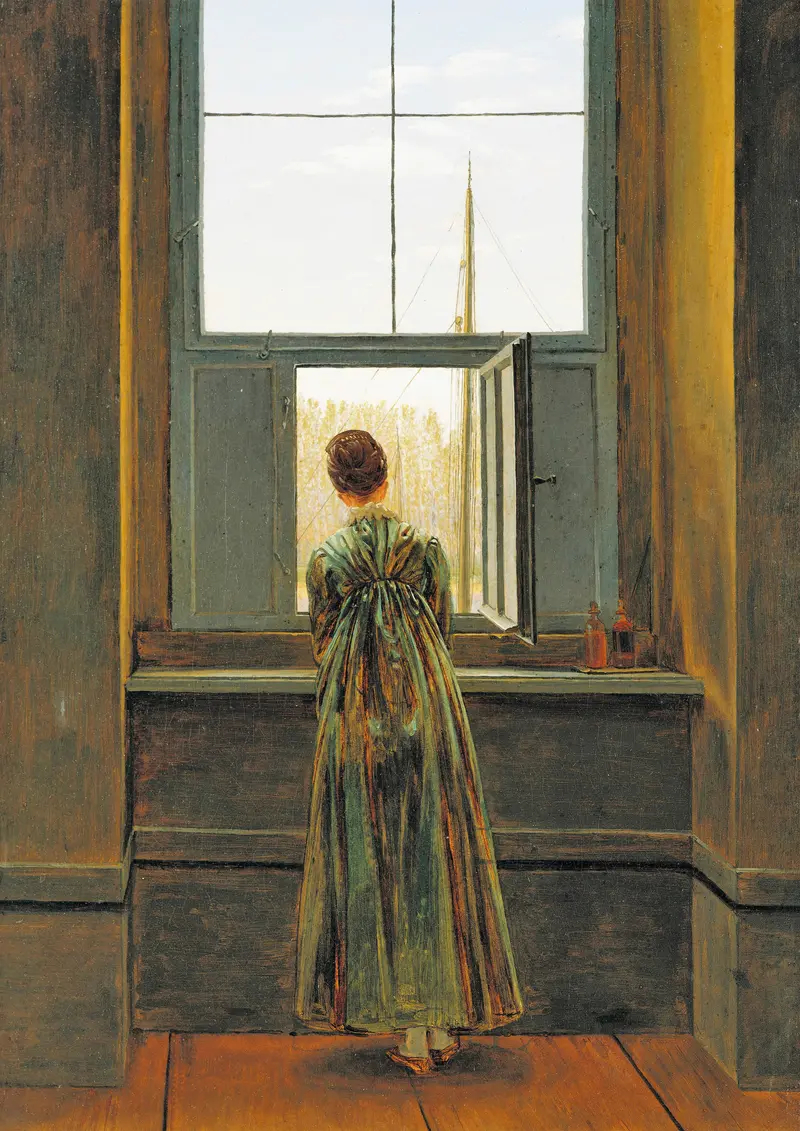
Woman at a Window
Caspar David Friedrich
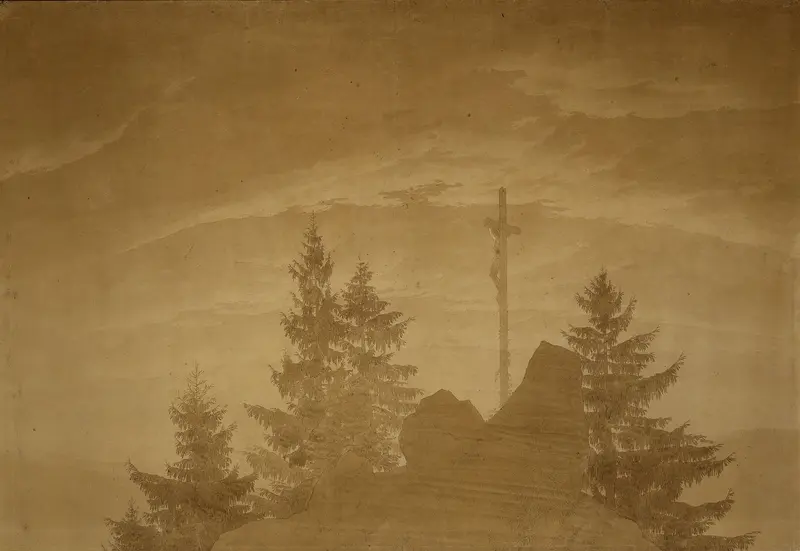
Cross in the Mountains
Caspar David Friedrich
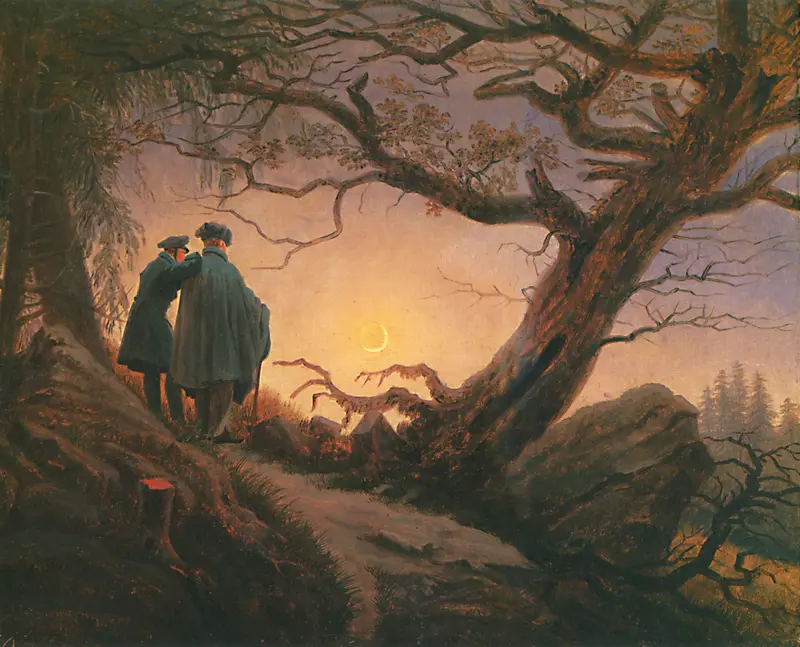
Two Men Contemplating the Moon
Caspar David Friedrich
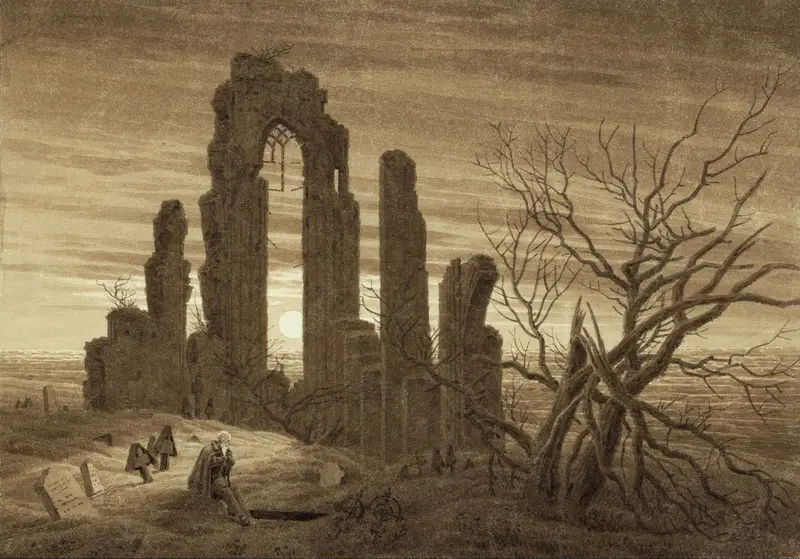
Winter – Night – Old Age and Death (from the times of day and ages of man cycle of 1803)
Caspar David Friedrich
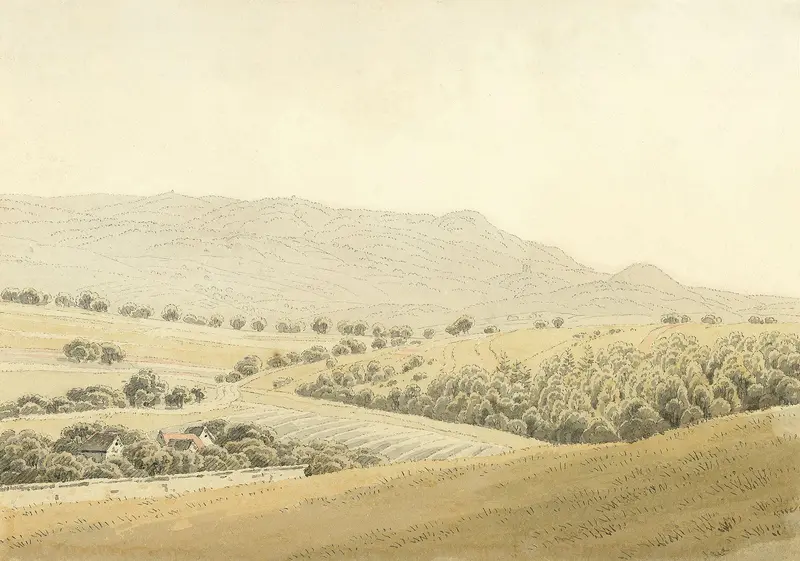
Mittelgebirgslandschaft
Caspar David Friedrich

Landschaft mit gebirgsee, morgen
Caspar David Friedrich
More Landscape Art

The Starry Night
Vincent van Gogh

View of Delft
Johannes Vermeer

Water Lilies
Claude Monet

The Grand Canal, Venice, looking north-west from the Ca' Corner to the Ca' Contarini degli Scrigni, with the campanile of Santa Maria della Carità
Canaletto

Windsor Castle
Canaletto

The Grand Canal looking North-East from the Palazzo Dolfin-Manin to the Rialto Bridge
Canaletto