
Sœur de la Charité sauvant un enfant. Épisode du siège de Paris — History & Facts
During the brutal winter of 1870-1871, Paris endured a siege that brought starvation, disease, and despair to its inhabitants. In the midst of this suffering, acts of quiet heroism stood out—none more so than the selfless work of the Sisters of Charity, who risked their lives to save children from the crossfire and chaos. Gustave Doré chose this very episode as the subject for Sœur de la Charité sauvant un enfant.
Épisode du siège de Paris, created in 1871, just months after the city’s ordeal ended. The immediacy of the event and the public’s fresh memory charged the work with a sense of urgency and gratitude, capturing a moment when compassion defied violence. Doré freezes the narrative at the instant a Sister of Charity shields a small child, her figure a barrier between innocence and the devastation around them. The nun’s habit, stark against a background of ruined stone and smoke, becomes a symbol of hope and moral courage.
The child clings to her, eyes wide, while in the distance, the broken city looms—a visual reminder of the siege’s toll. Doré’s dramatic contrasts of light and shadow heighten the sense of peril and protection, recalling the emotional intensity found in Delacroix’s depictions of suffering and heroism, though Doré’s focus is less on revolutionary fervor and more on individual mercy. The precise medium of this work remains uncertain—some sources suggest oil, others watercolor or gouache, reflecting Doré’s versatility across techniques. Unlike many of his grand engravings and illustrations, Sœur de la Charité sauvant un enfant stands as a rare foray into contemporary history painting for Doré, better known for his literary subjects.
Its early provenance is not fully documented, and it is not clear whether it was commissioned or created on the artist’s own initiative, but today it is recognized as a testament to the humanitarian spirit that emerged from one of Paris’s darkest chapters. The painting’s survival and continued display serve as a reminder of art’s power to honor those who act with courage in times of crisis.
More Artworks by Gustave Doré

The Deluge
Gustave Doré
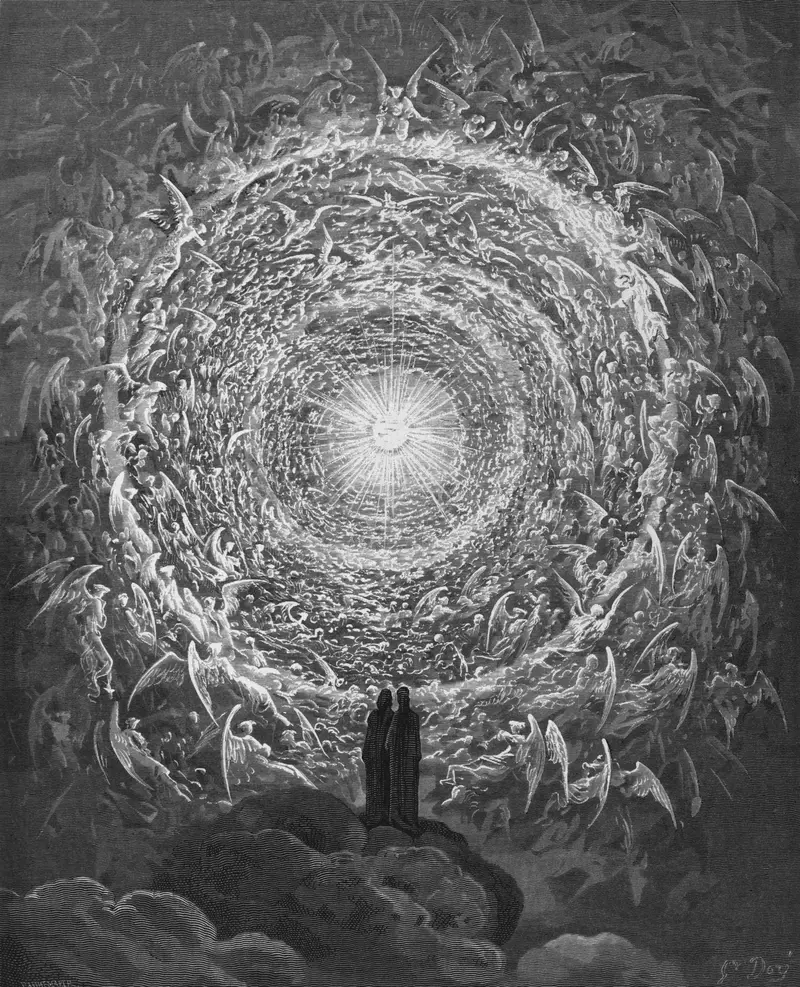
The Empyrean (Paradiso, Canto 31)
Gustave Doré
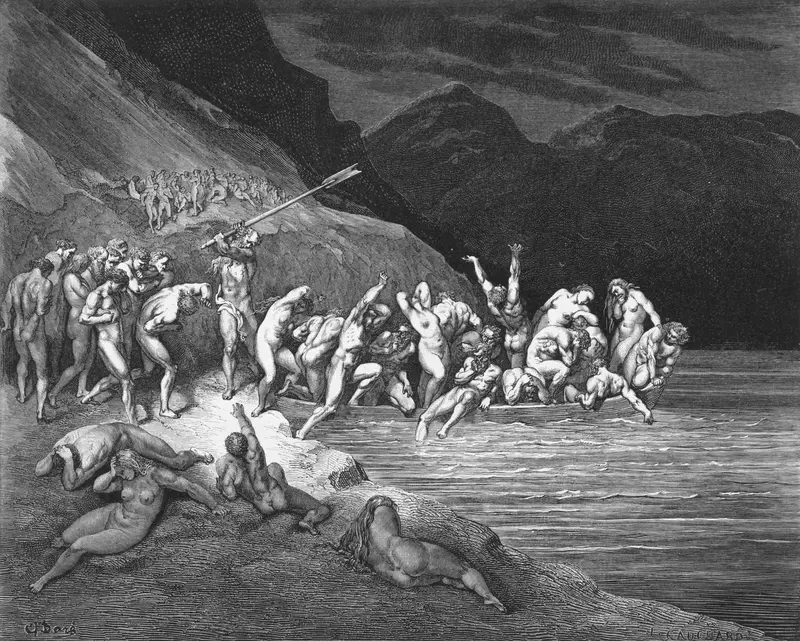
Charon (Inferno, Canto 3)
Gustave Doré
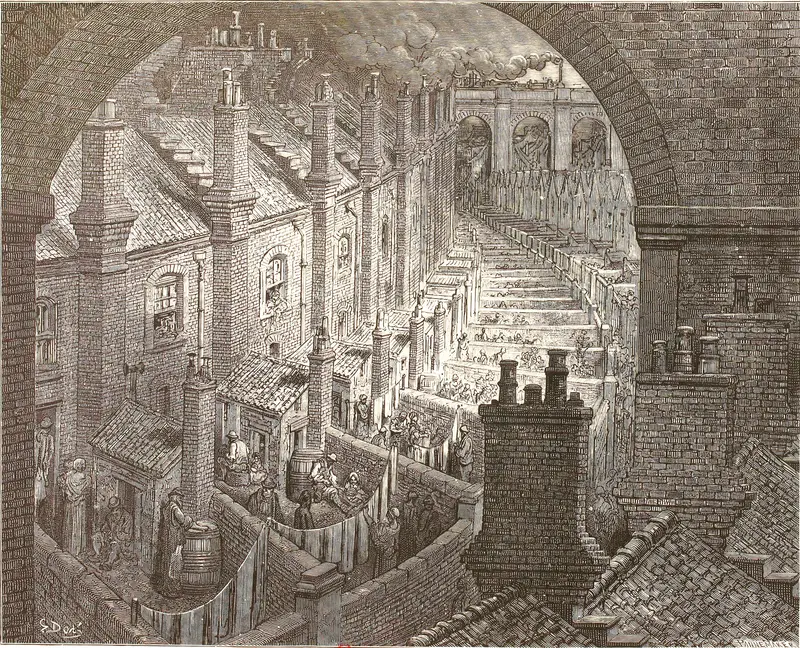
Over London by Rail
Gustave Doré
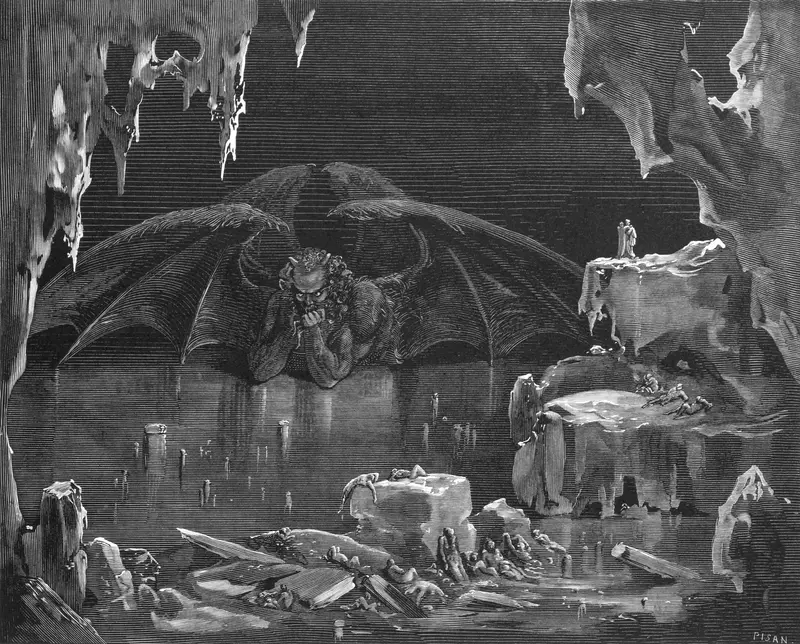
Lucifer, King of Hell
Gustave Doré
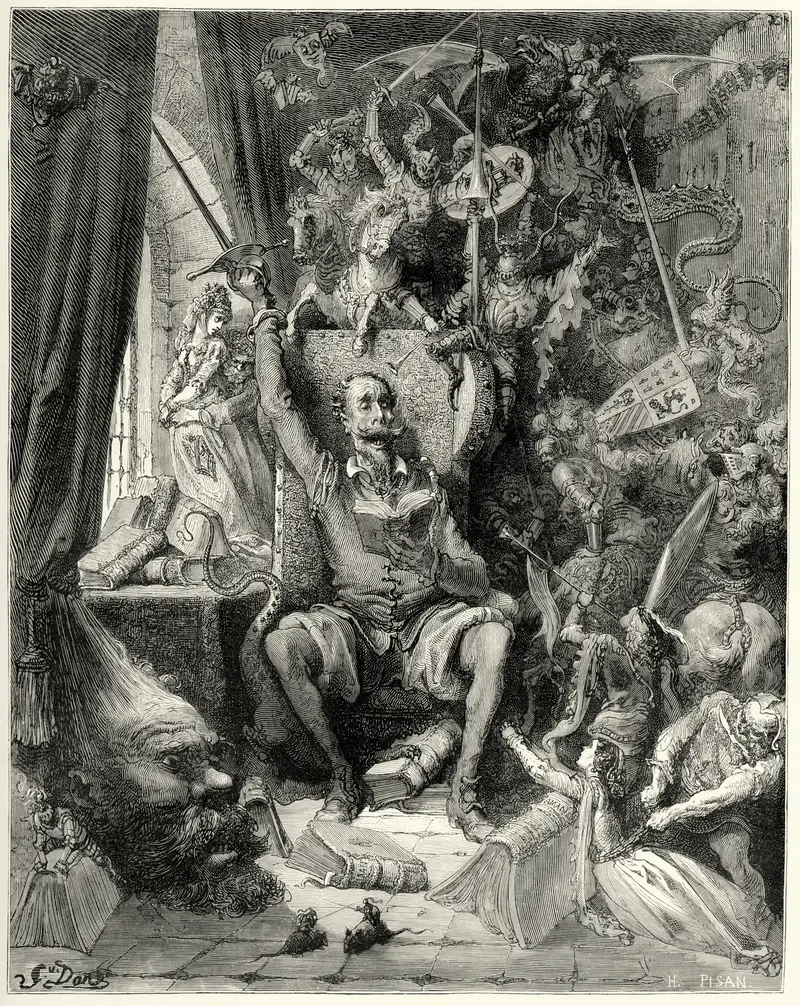
Don Quixote in His Library
Gustave Doré
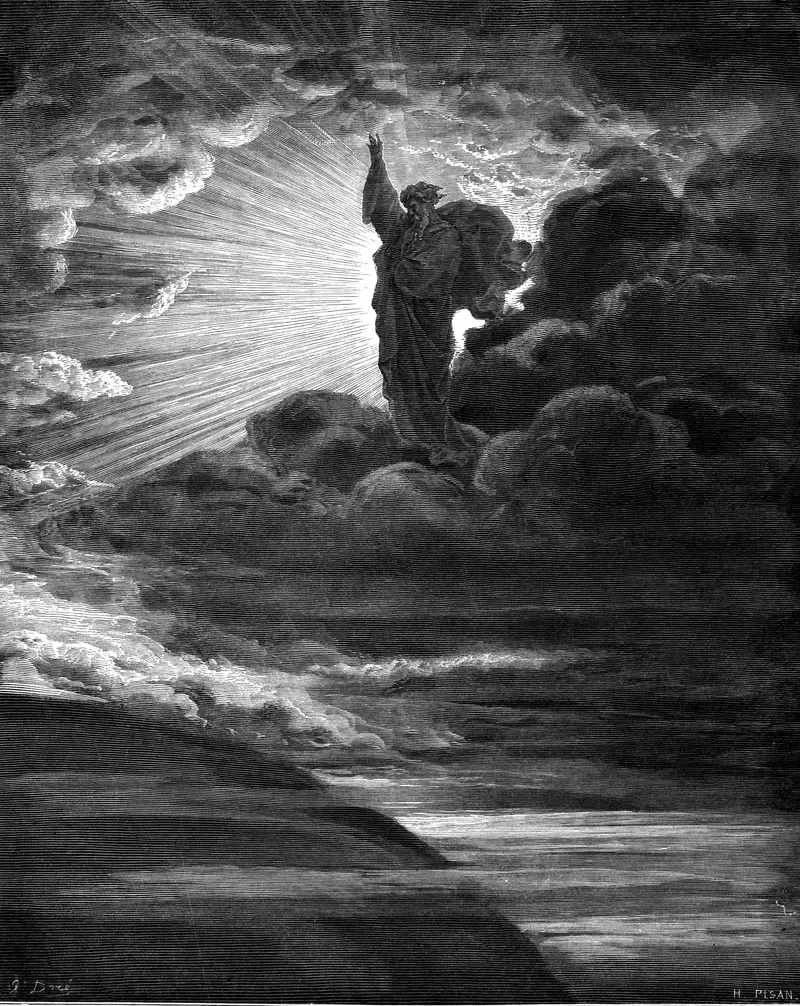
The Creation of Light
Gustave Doré
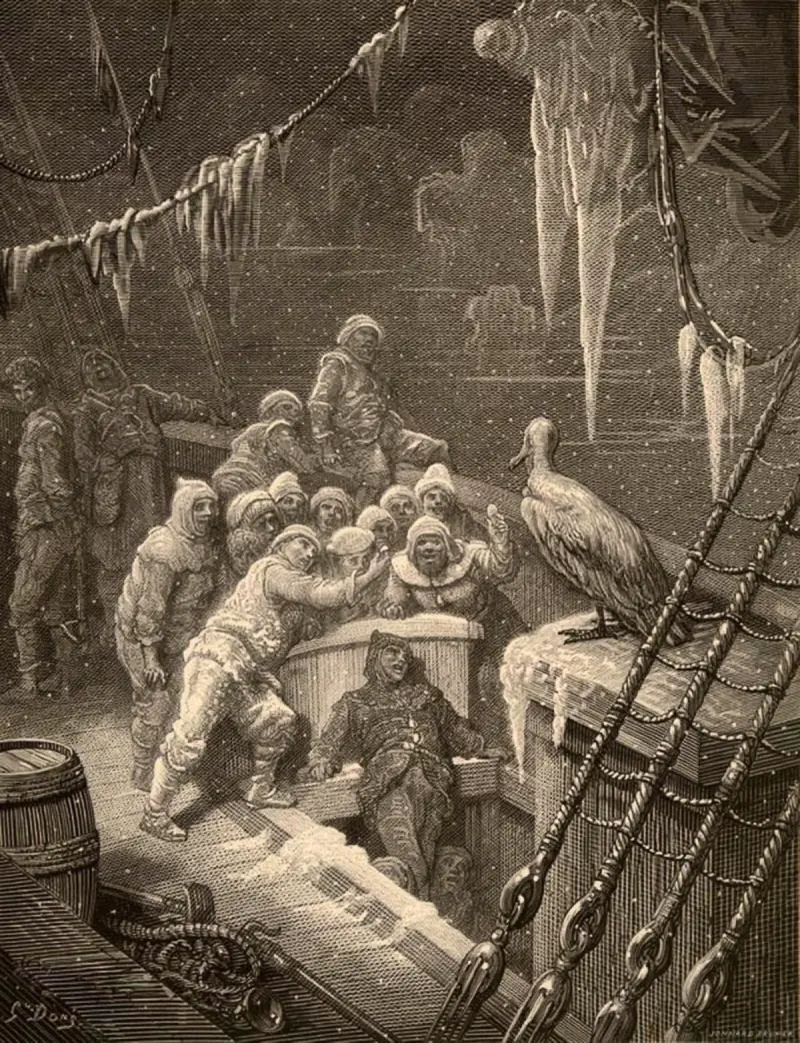
The Albatross (The Rime of the Ancient Mariner)
Gustave Doré
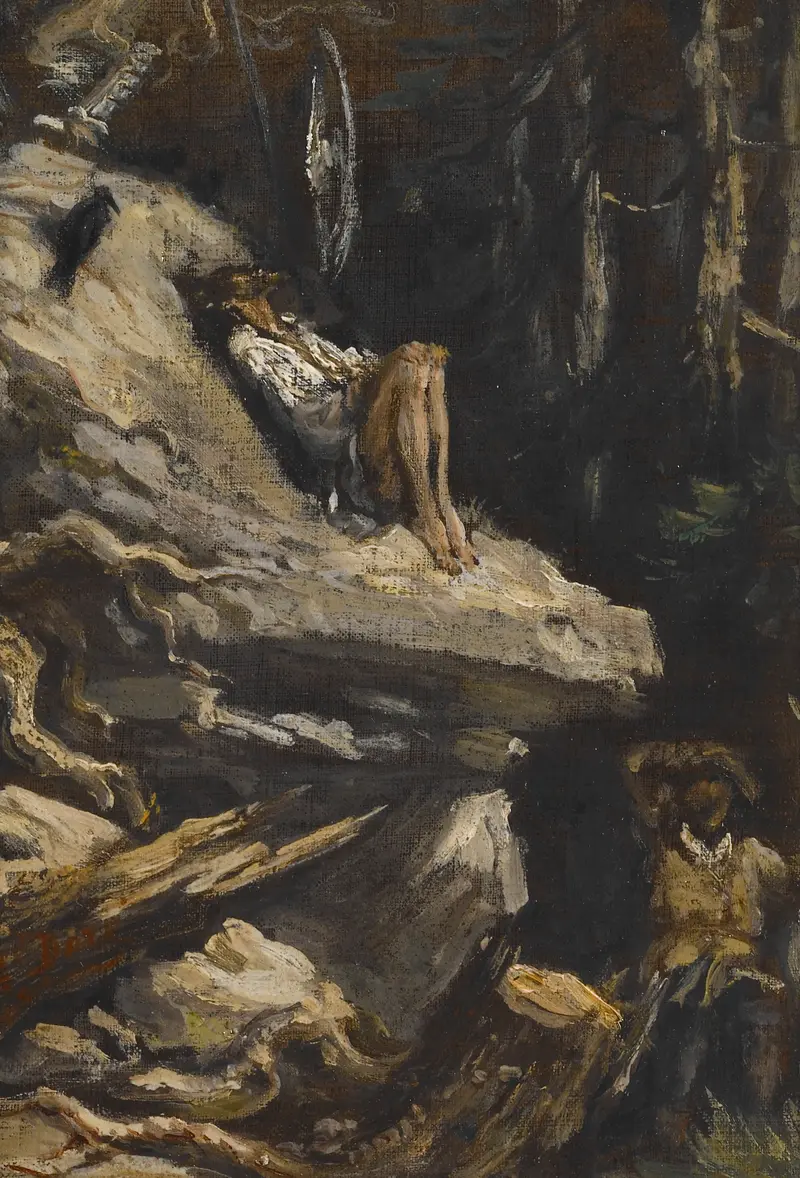
"'Alas!' answered Sancho, 'I found him in his shirt, lean, pale, and almost starved, sighing for his Lady Dulcinea'" from Don Quixote
Gustave Doré
Christ's Entry into Jerusalem
Gustave Doré





