Solliès-Ville — History & Facts
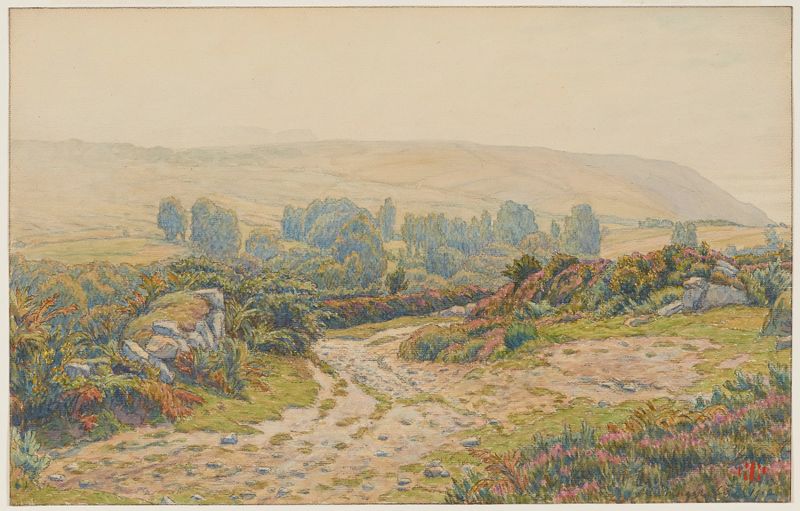
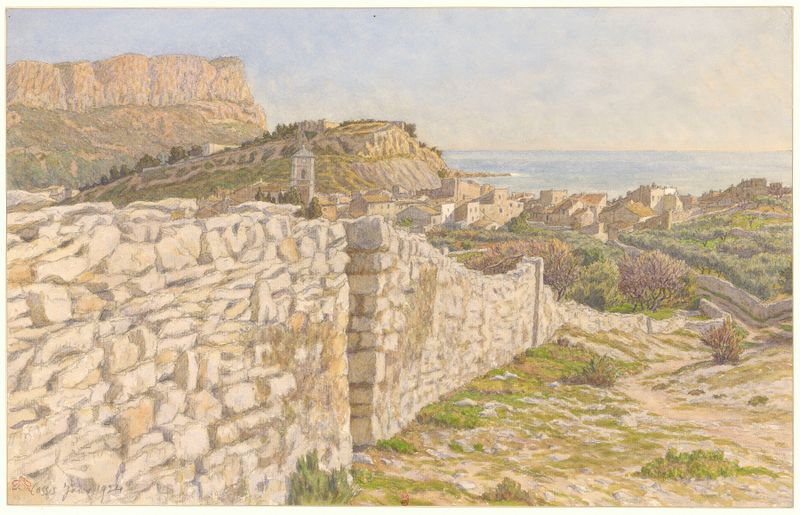
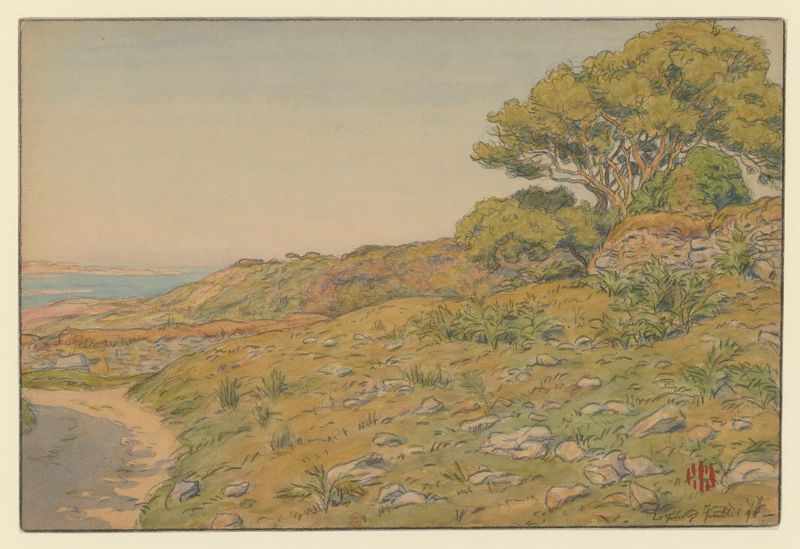
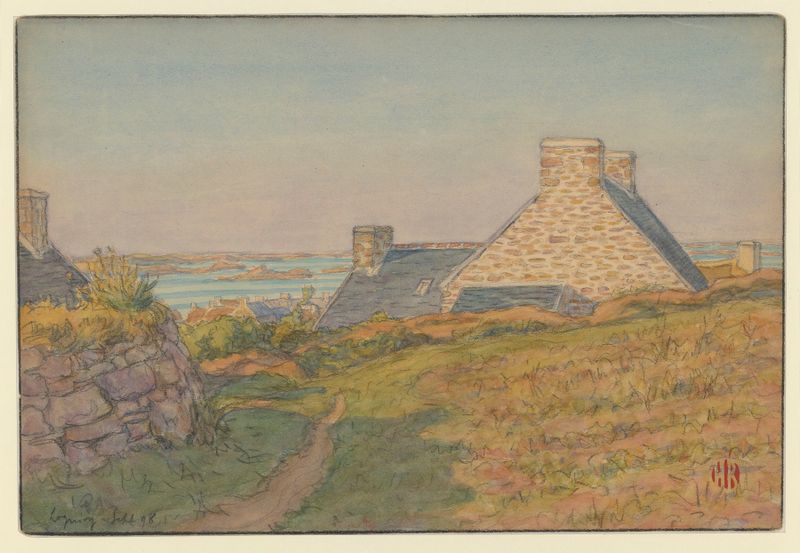
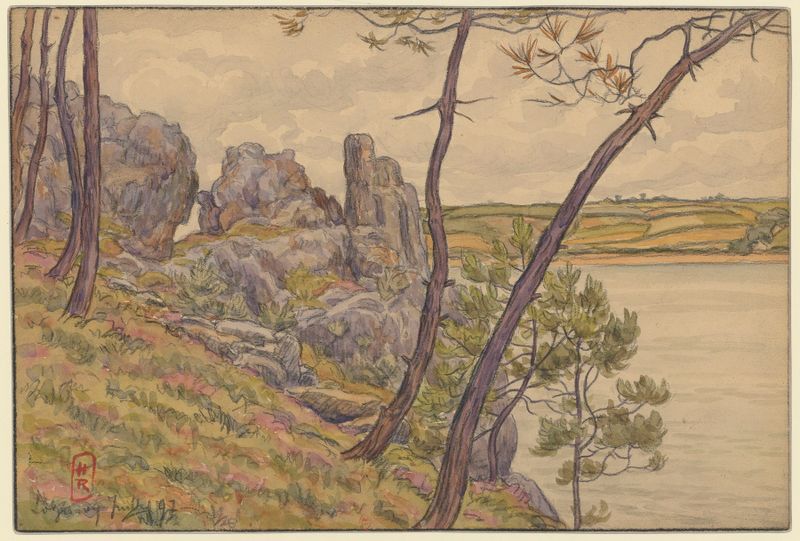
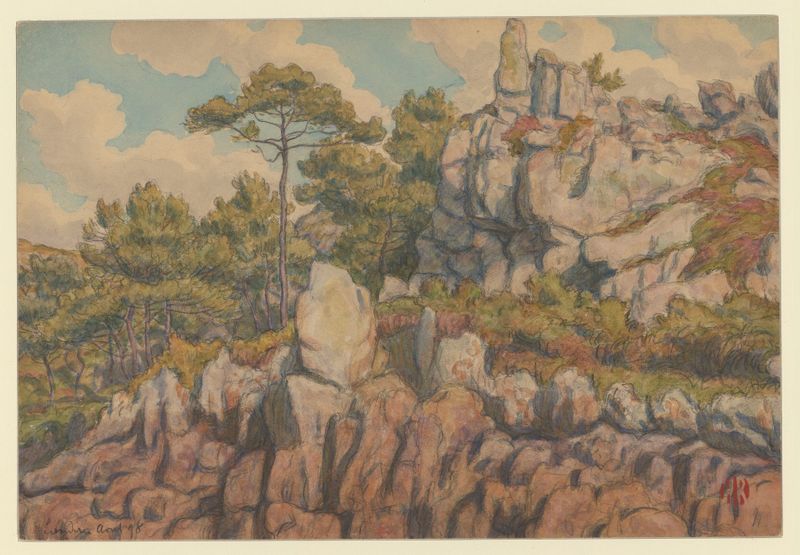
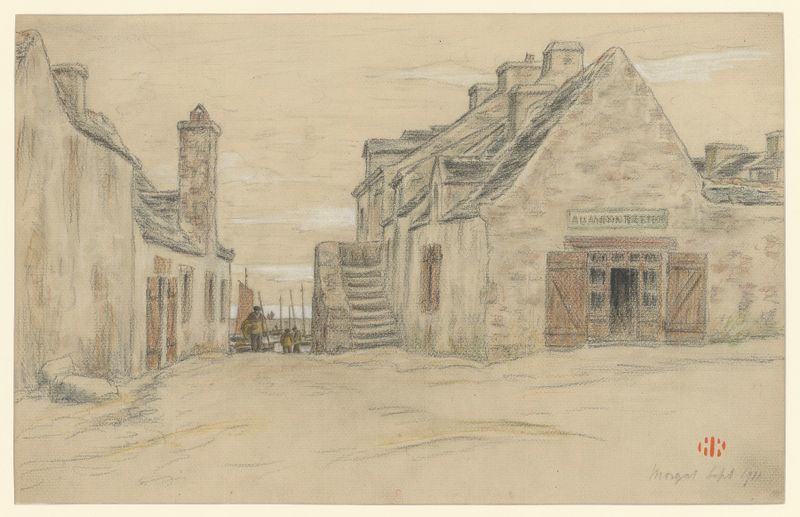
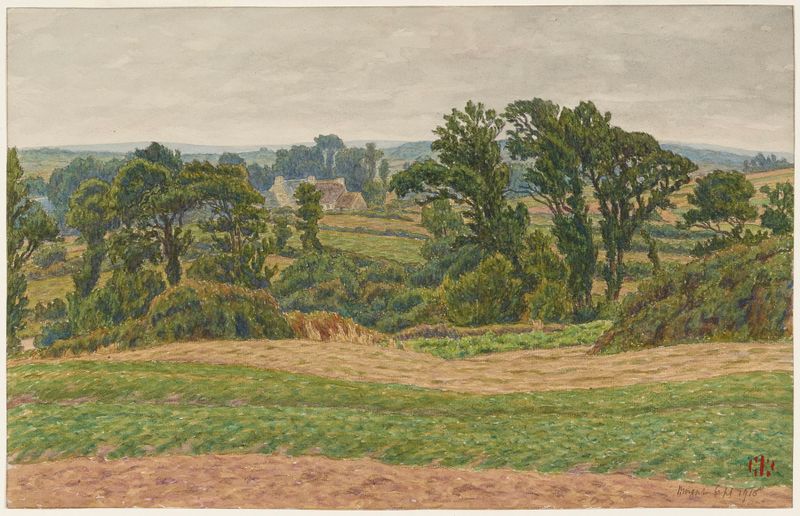
Could beauty survive in a century of chaos? In Solliès-Ville, the colors dance like whispers amid the tumult—an oasis amidst despair, urging us to pause and reflect. Look to the left at the verdant trees framing the composition, their deep greens a striking contrast against the vivid blues of the sky. Notice how the painter’s brushstrokes convey movement, creating a sense of gentle breezes stirring the leaves. The quaint village, nestled below, bears warm ochres and soft whites, inviting your gaze to explore its harmonious architecture.
Each element is meticulously arranged, leading the eye to meander through the landscape, revealing an intimate relationship between nature and humanity. Deeper within the scene lies an emotional tension, a juxtaposition of serenity and impending turmoil. The stillness of the village seems fragile, as if the chaos of the outside world threatens to infiltrate this moment of beauty. The harmonious colors suggest tranquility, yet the looming shadows hint at the turmoil that often colors human experience.
This duality speaks to a universal theme: the struggle to find solace amidst life's unpredictable chaos. Henri Rivière painted Solliès-Ville in 1931, a period marked by shifting artistic movements and societal unrest. Living in France, Rivière was influenced by the Post-Impressionist style and sought to capture the essence of place and emotion. This work emerges during a time of political and economic upheaval, reflecting a yearning for beauty and calm in a world marked by uncertainty and discord.