Solliès-Ville — History & Facts
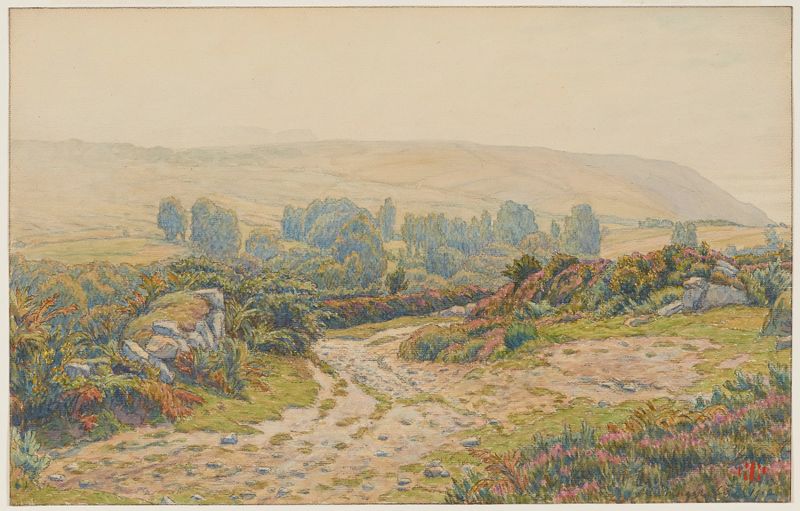
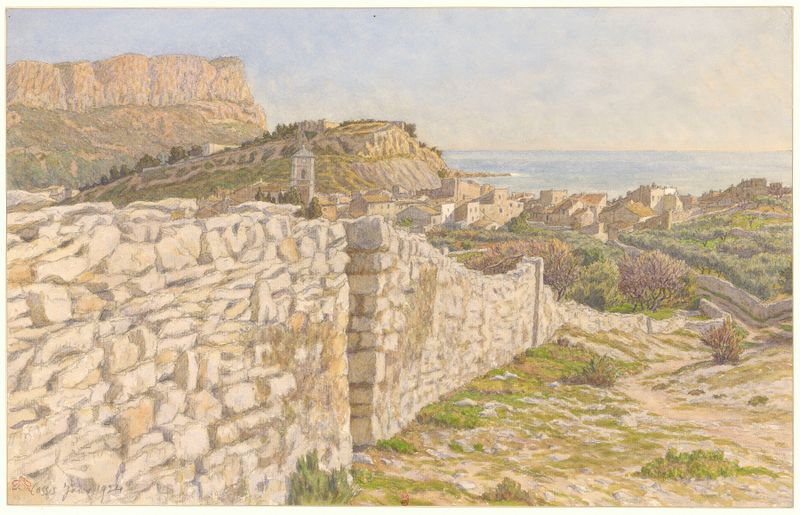
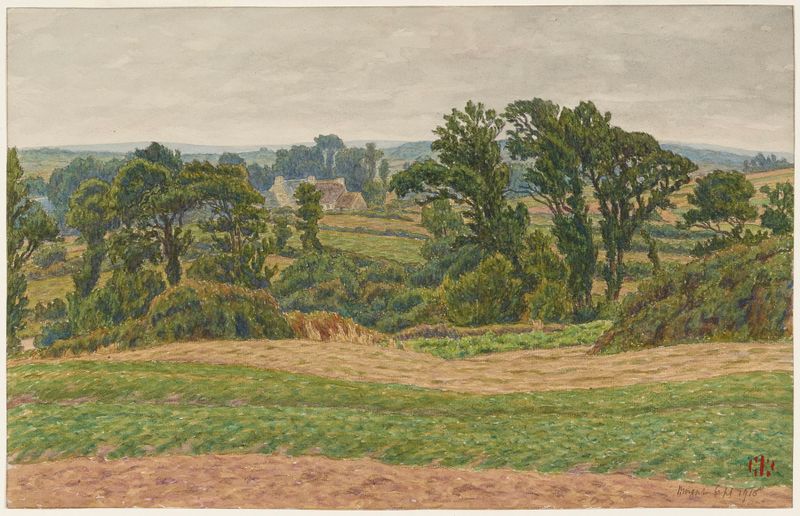
The canvas doesn’t lie — it simply waits. In the quietude of a sun-drenched village, truth reveals itself through the vibrant strokes of an artist’s hand, beckoning the viewer to linger and reflect. Look to the foreground, where a winding path invites exploration, leading the eye gently towards distant rooftops bathed in warm hues. Notice how the light falls upon the terracotta tiles, each brushstroke capturing the essence of a serene afternoon.
The palette, a symphony of soft oranges and muted greens, envelops the scene in a comforting embrace, while the delicate interplay of shadow adds depth and intrigue. Hidden among these tranquil elements lies a contrast between stillness and movement. The rustling leaves suggest a gentle breeze, while the solitary figure on the path hints at a life lived in harmony with nature. This interplay between the static architecture and the fleeting moment creates an emotional tension, inviting contemplation on the passage of time and the stories hidden within the landscape. In 1932, Rivière was navigating the complexities of his artistic identity in France.
The post-war period was marked by a desire for simplicity and clarity in art, a reaction against the tumult of earlier movements. As he painted Solliès-Ville, he sought to capture the essence of rural life, reflecting the beauty of the ordinary and the truth found in stillness, while positioning himself within the evolving narrative of modern art.