
Sommerlandschaft in Quelkhorn — History & Facts
Who listens when art speaks of silence? In Otto Modersohn's Sommerlandschaft in Quelkhorn, the stillness of a sun-drenched landscape resonates with a quiet hope, inviting viewers to immerse themselves in its tranquil embrace. Look to the foreground, where gentle hills rise like whispers from the earth, their undulating forms painted in soft greens and golden hues. The light plays delicately on the surface, illuminating the rich texture of the grasses swaying in the wind. Notice how the distant trees stand as sentinels, their silhouettes softened by a hazy atmosphere, creating a sense of depth that draws you further into the scene.
The composition, balanced yet dynamic, guides the eye through this pastoral bliss, establishing a harmonious dialogue between nature and the observer. Hidden within this serene landscape lies a tension between permanence and transience. The vibrant colors evoke a fleeting summer, a reminder that such moments are ephemeral, yet they are imbued with a lasting beauty that speaks to the resilience of life. The interplay of light and shadow hints at the inevitable passage of time, while the expansive sky offers a canvas of possibility, suggesting that hope springs eternal even as seasons change. In 1927, Modersohn was deeply rooted in the New Objectivity movement, navigating a world shifting under the weight of modernity and the aftermath of the First World War.
Painted in Germany, this artwork reflects both personal introspection and the broader cultural context of a nation seeking solace in nature amidst uncertainty. It encapsulates a moment of clarity and optimism that contrasts sharply with the turmoil of the era.
More Artworks by Otto Modersohn
Browse all →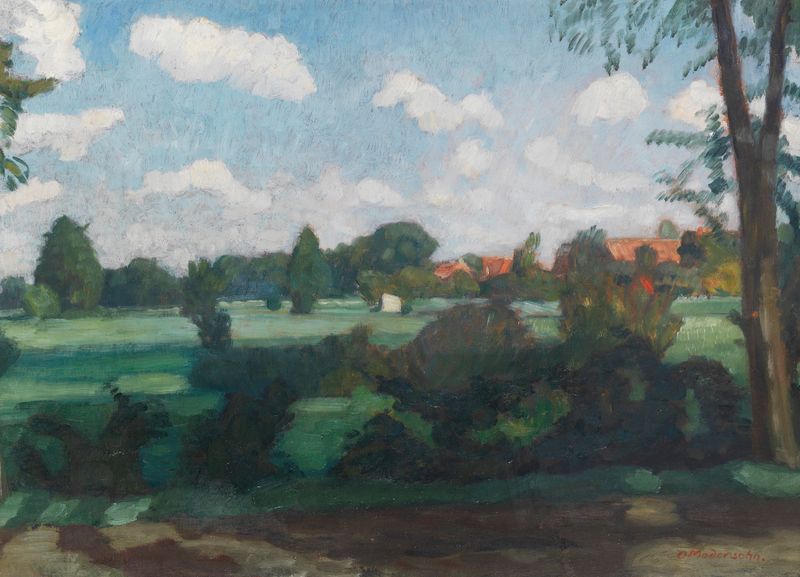
Sommerliche Wiesen bei Fischerhude
Otto Modersohn
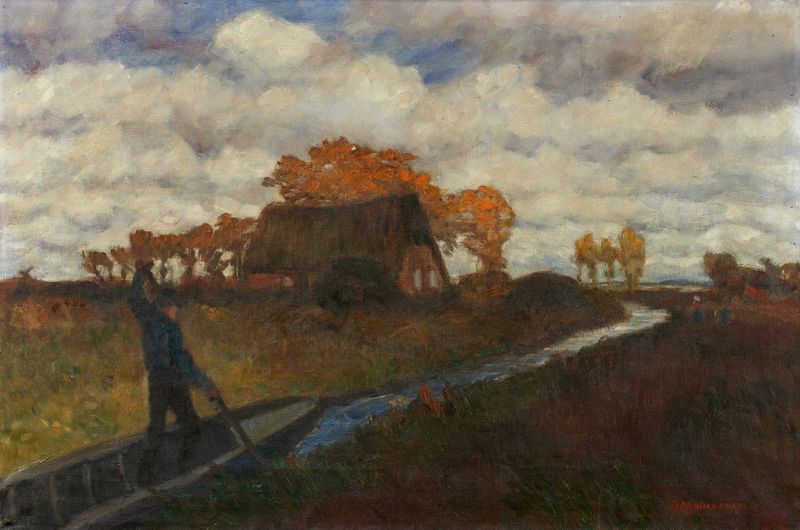
Herbstwetter
Otto Modersohn
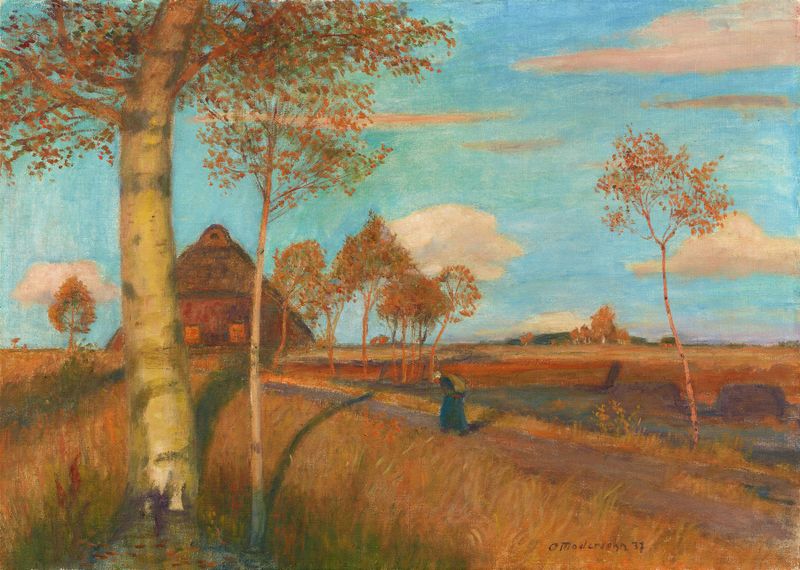
Abendsonne im Moor
Otto Modersohn
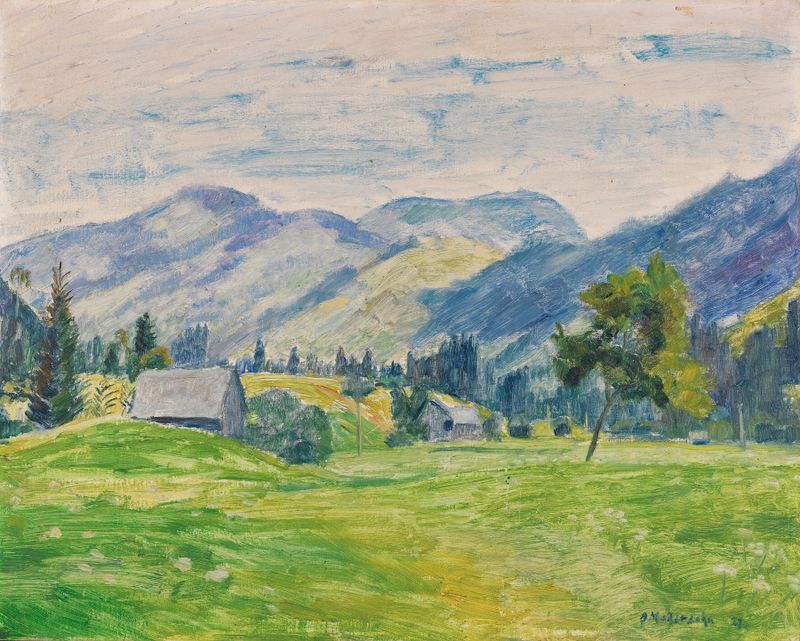
Lichter Sommertag im Allgäu (Unterjoch bei Hindelang)
Otto Modersohn
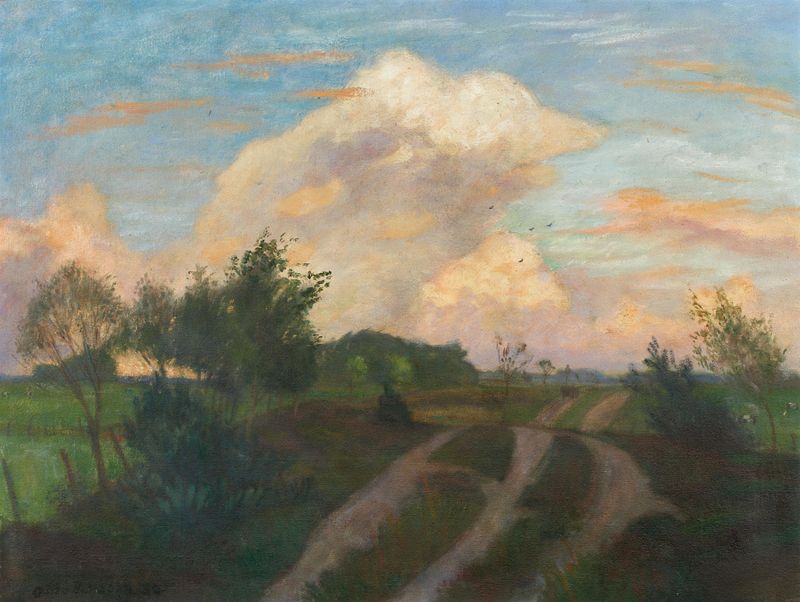
Sommerabend in der Surheide
Otto Modersohn
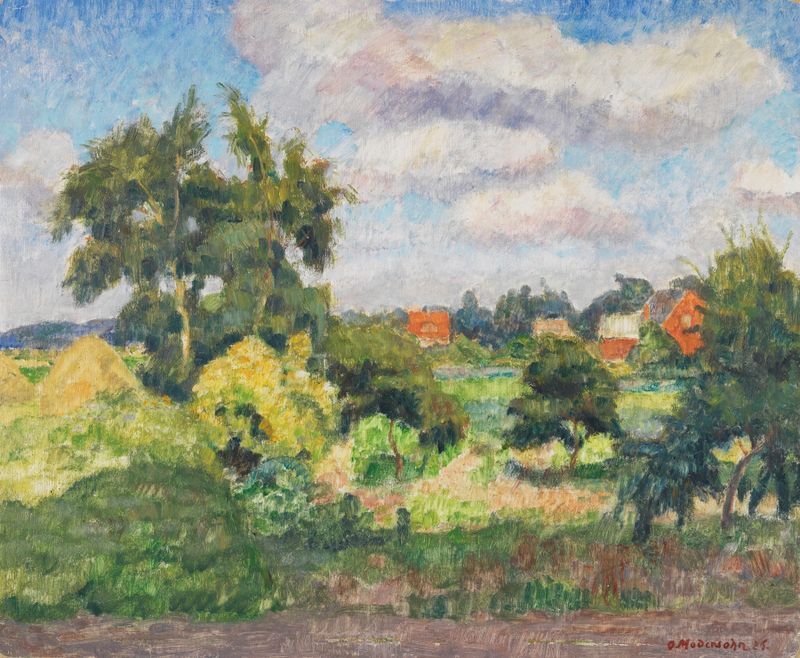
Sommertag in den Feldern bei Fischerhude
Otto Modersohn
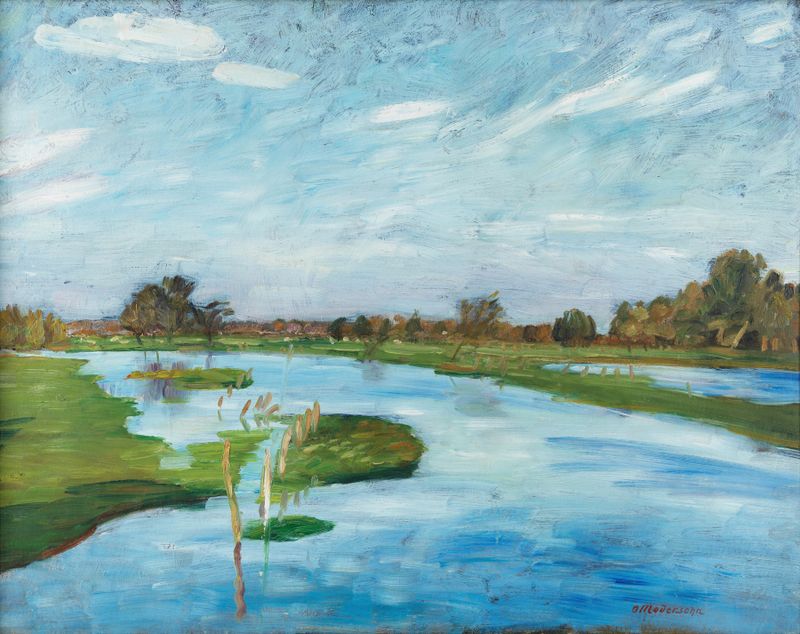
Überschwemmte Wümmewiesen
Otto Modersohn
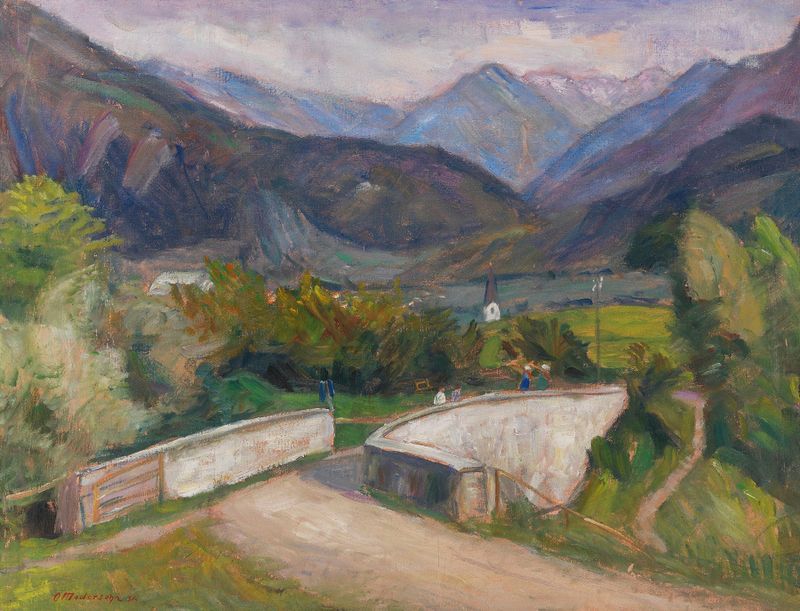
Zillenbachbrücke (Weg nach Gailenberg oberhalb von Hindelang im Allgäu)
Otto Modersohn
Winterabend, Fischerhuder Kirche mit Heimathaus
Otto Modersohn

Frühling
Otto Modersohn





