
Sommerliche Wümmewiesen — History & Facts
Can beauty exist without sorrow? In the lush expanse of Sommerliche Wümmewiesen, an intricate interplay of chaos and serenity invites contemplation. Focus on the sweeping green fields that dominate the canvas, with splashes of sunlight threading through clusters of delicate wildflowers. Notice how the vibrant brushstrokes capture the chaotic energy of nature—each stroke pulsating with life, while the gentle curves of the landscape guide your gaze toward the horizon. The juxtaposition of dark and light hues evokes a sense of movement, suggesting that something beyond this tranquil scene is lurking. Delve deeper into the painting’s emotional tension: the riot of colors reflects the fleeting nature of summer, a reminder of beauty’s ephemeral existence.
The way shadows dance among the flowers hints at an underlying chaos, a reminder of inevitable change. There’s a fleeting joy intertwined with the awareness of its transience, inviting the viewer to contemplate the paradox of existence—where beauty thrives alongside melancholy. In 1911, Otto Modersohn painted this work in the rural Wümme region of Germany, an era marked by the rise of Expressionism. During this time, he was deeply influenced by his connection to nature and the desire to convey emotional truths through his art.
This painting emerged as part of his exploration of landscape, showcasing his commitment to capturing not just the visible world but also the tumultuous feelings it evokes in humanity.
More Artworks by Otto Modersohn
Browse all →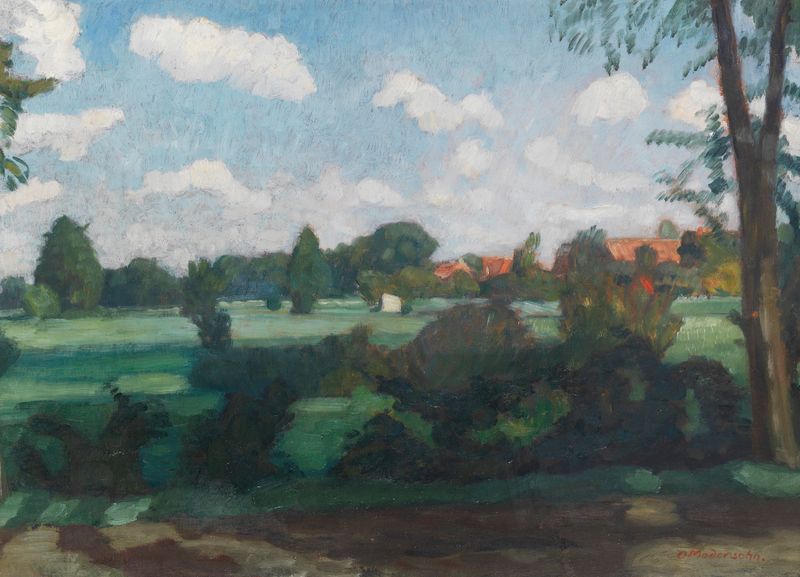
Sommerliche Wiesen bei Fischerhude
Otto Modersohn
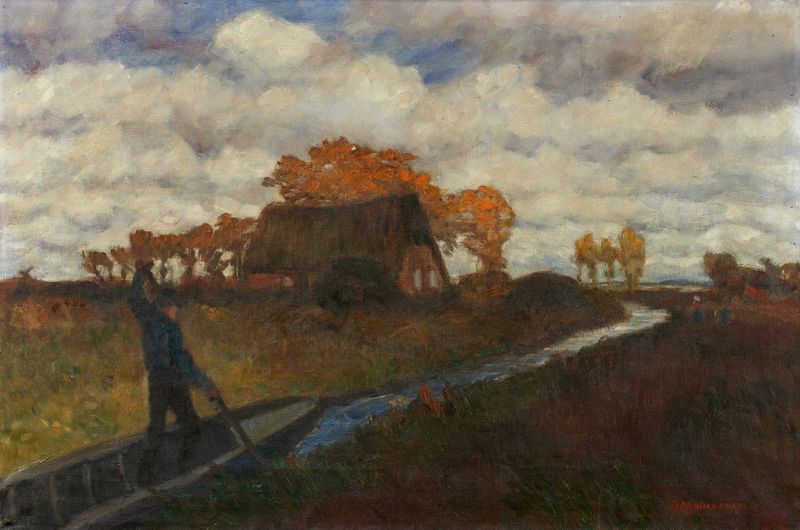
Herbstwetter
Otto Modersohn
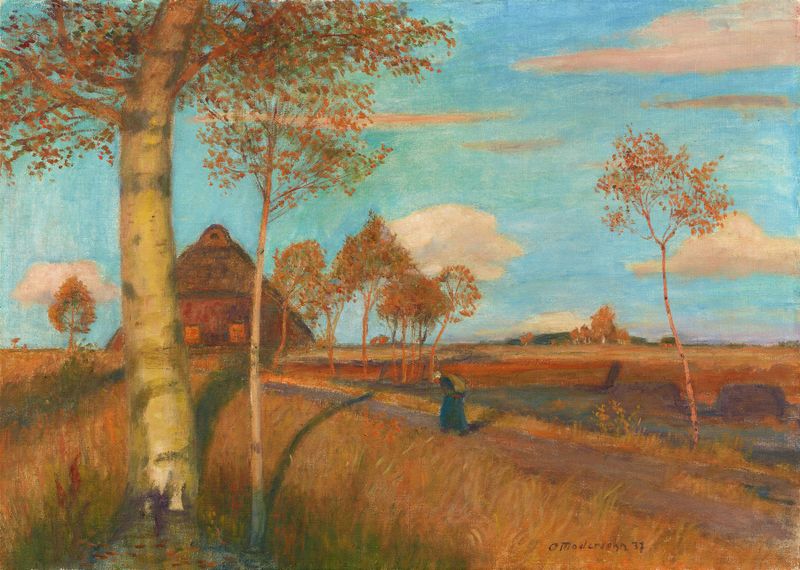
Abendsonne im Moor
Otto Modersohn
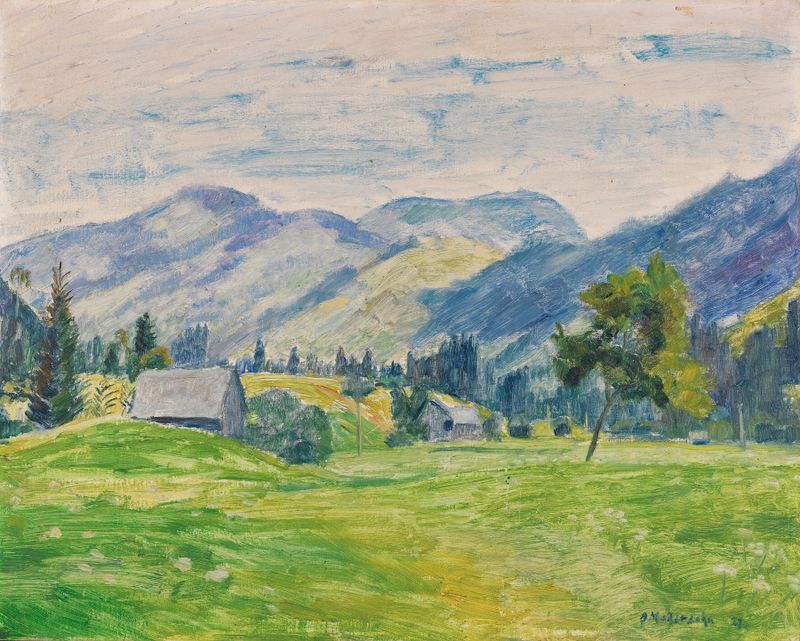
Lichter Sommertag im Allgäu (Unterjoch bei Hindelang)
Otto Modersohn
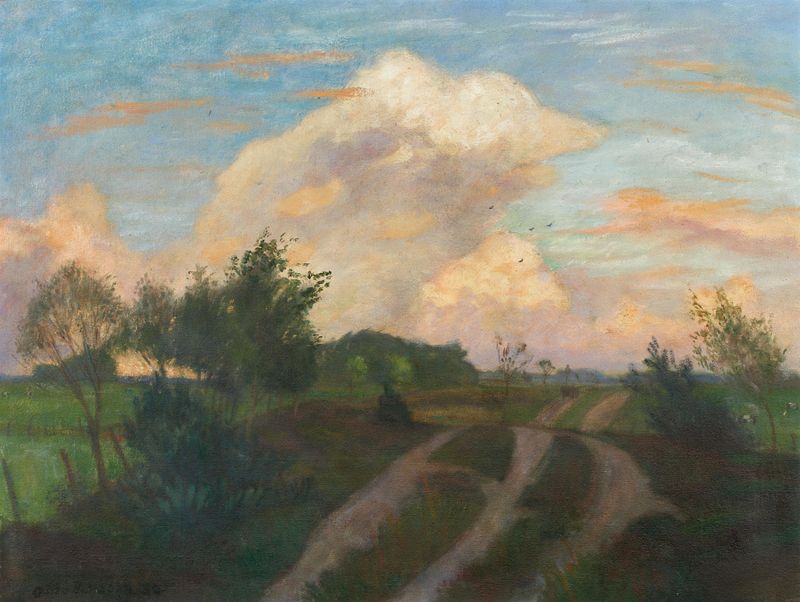
Sommerabend in der Surheide
Otto Modersohn
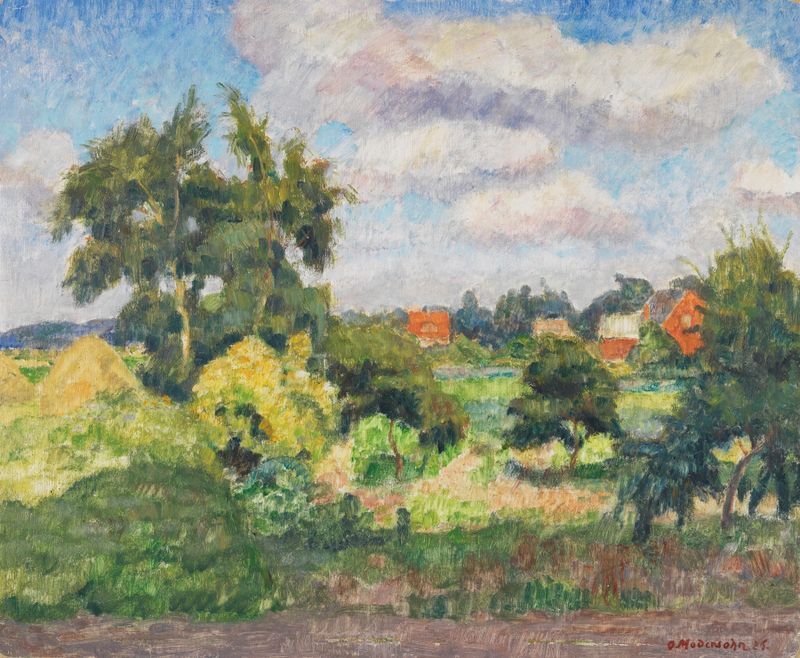
Sommertag in den Feldern bei Fischerhude
Otto Modersohn
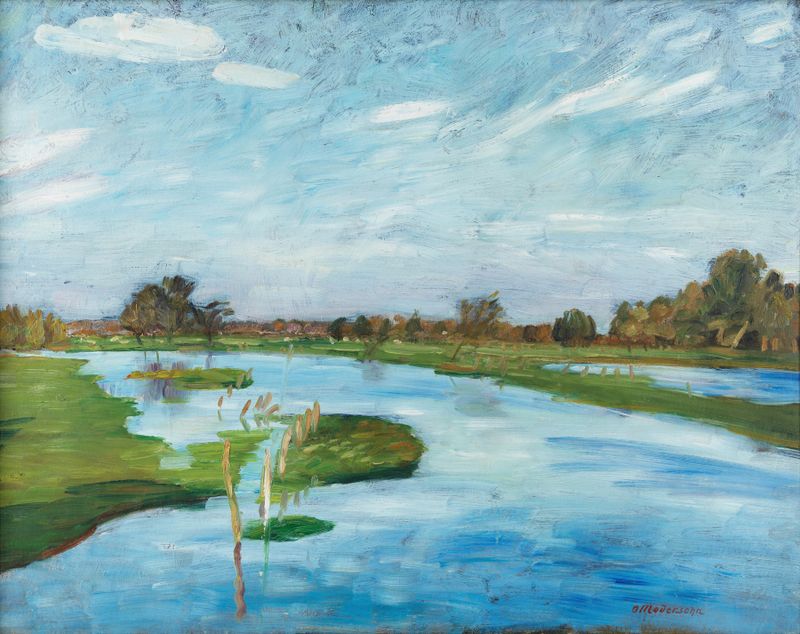
Überschwemmte Wümmewiesen
Otto Modersohn
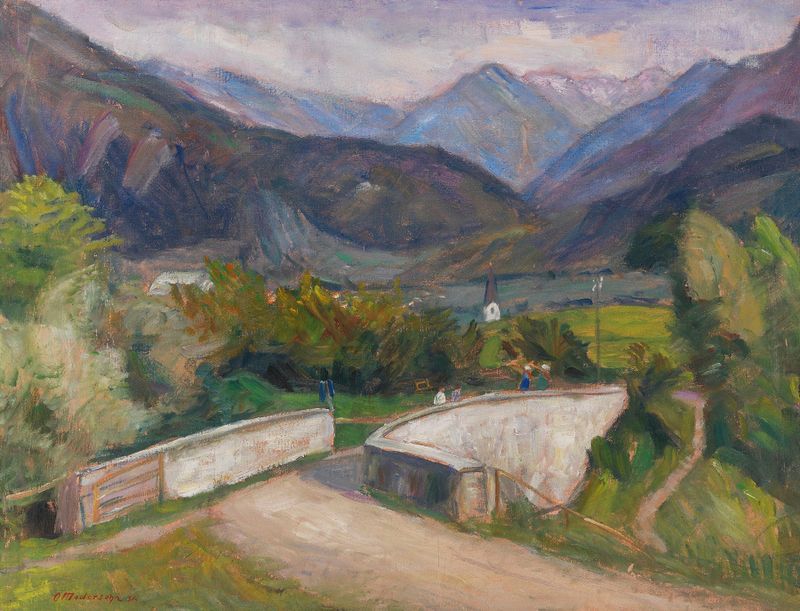
Zillenbachbrücke (Weg nach Gailenberg oberhalb von Hindelang im Allgäu)
Otto Modersohn
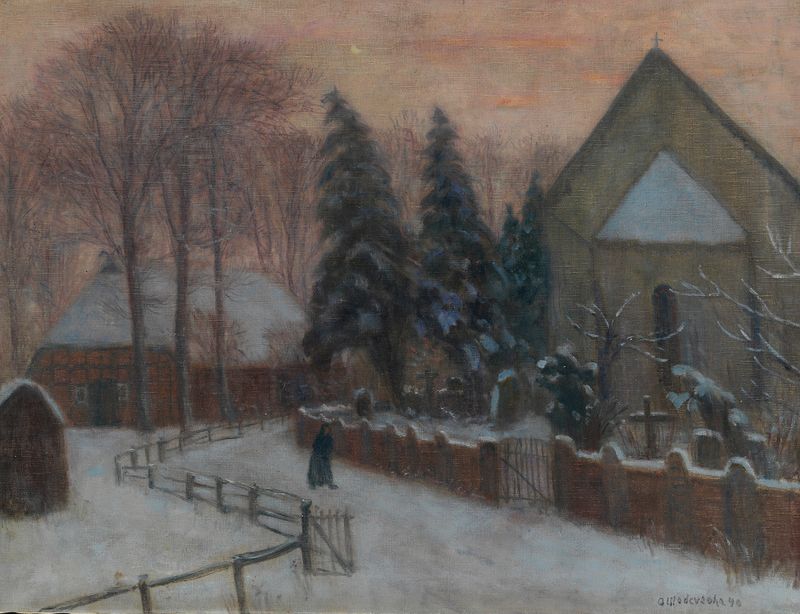
Winterabend, Fischerhuder Kirche mit Heimathaus
Otto Modersohn

Frühling
Otto Modersohn





