
Soriano — History & Facts
In a world where reflections shimmer with significance, Soriano captures the intricate dance between light and shadow, revealing hidden truths beneath its gilded surface. Look to the center of the canvas, where a figure stands poised, bathed in a warm, ethereal glow. Notice how Lismann employs rich, golden hues that blend seamlessly into deeper shadows, drawing the eye toward the delicate interplay of light on the subject's features. The craftsmanship of the strokes evokes an almost tactile quality, inviting viewers to touch the tender skin and the fabric draping over the figure.
The composition is both haunting and serene, a perfect balance that grounds the viewer while allowing for a sense of ethereal beauty. Beneath the surface beauty lies a palpable tension. The figure’s body language speaks of introspection and vulnerability, and the softness of the surrounding colors contrasts sharply with the potential angst woven into the fabric of their existence. One cannot shake the feeling that this golden moment shrouds a deeper sorrow, as if the brilliance is a mask hiding profound loneliness or longing.
Each brushstroke amplifies the idea that beauty often springs from pain, a poignant reminder of the human condition. Hermann Lismann created Soriano in 1924 during a time of significant transformation in the art world, where modernism began to challenge traditional aesthetics. Immersed in the post-war atmosphere of Europe, he grappled with personal and societal upheaval, navigating his own emotional landscape. This work reflects not just his technical prowess but also a grappling with the complexities of identity and existence in an ever-evolving cultural milieu.
More Artworks by Hermann Lismann
Browse all →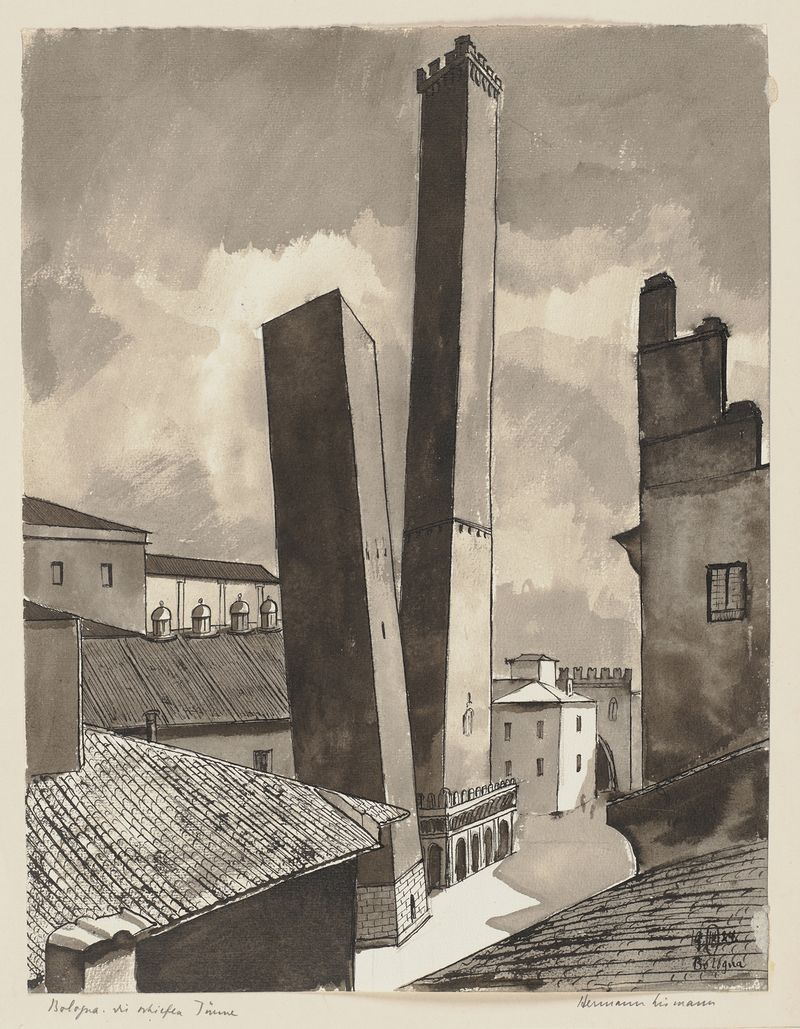
Die beiden Türme Garisenda und Asinelli in Bologna
Hermann Lismann
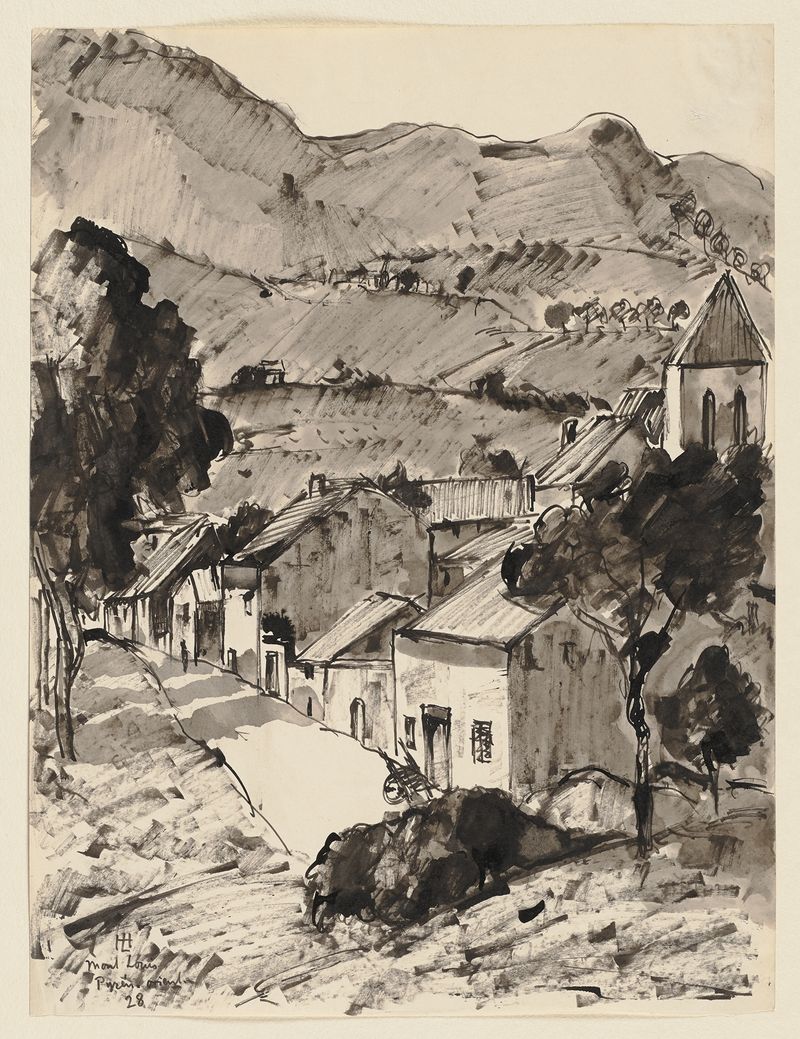
Mont-Louis
Hermann Lismann
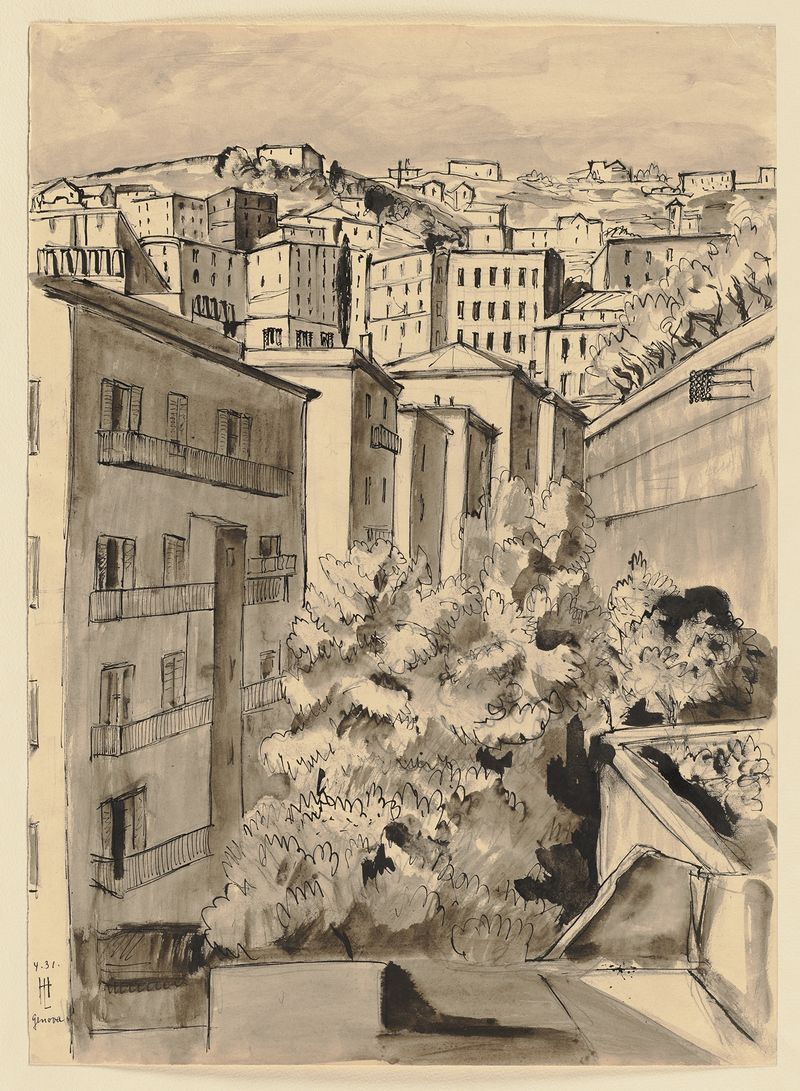
View of Genoa
Hermann Lismann
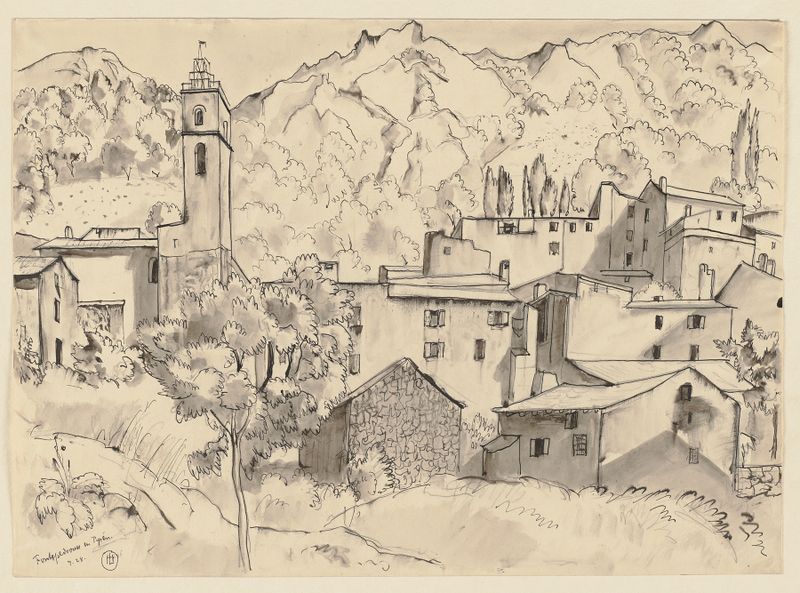
Fontpédrouse en Pyrénées
Hermann Lismann
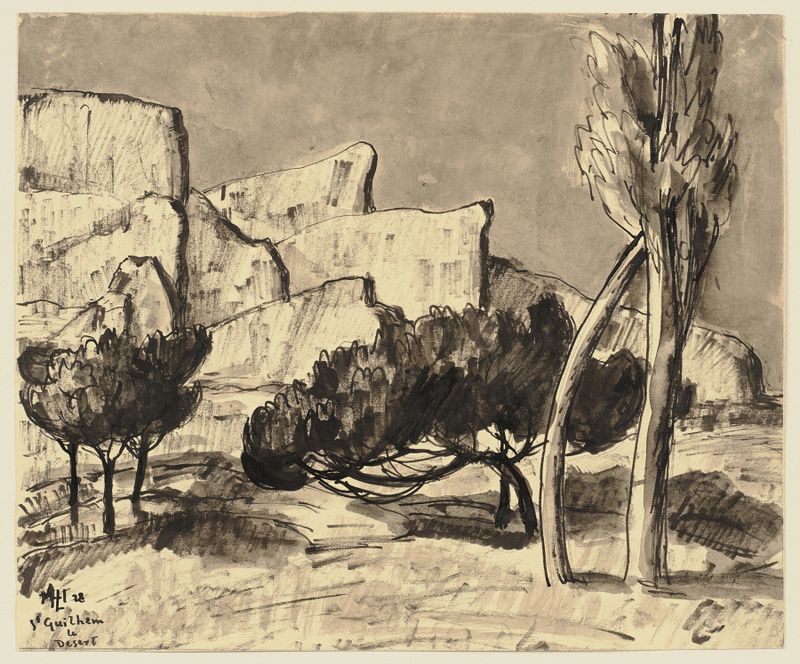
Saint-Guilhem-le-Désert
Hermann Lismann
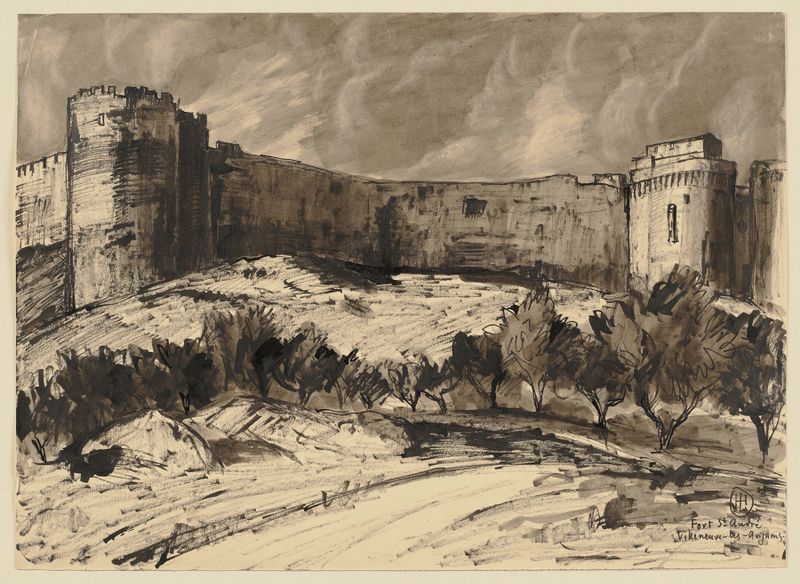
Fort Saint-André in Villeneuve-les-Avignon
Hermann Lismann
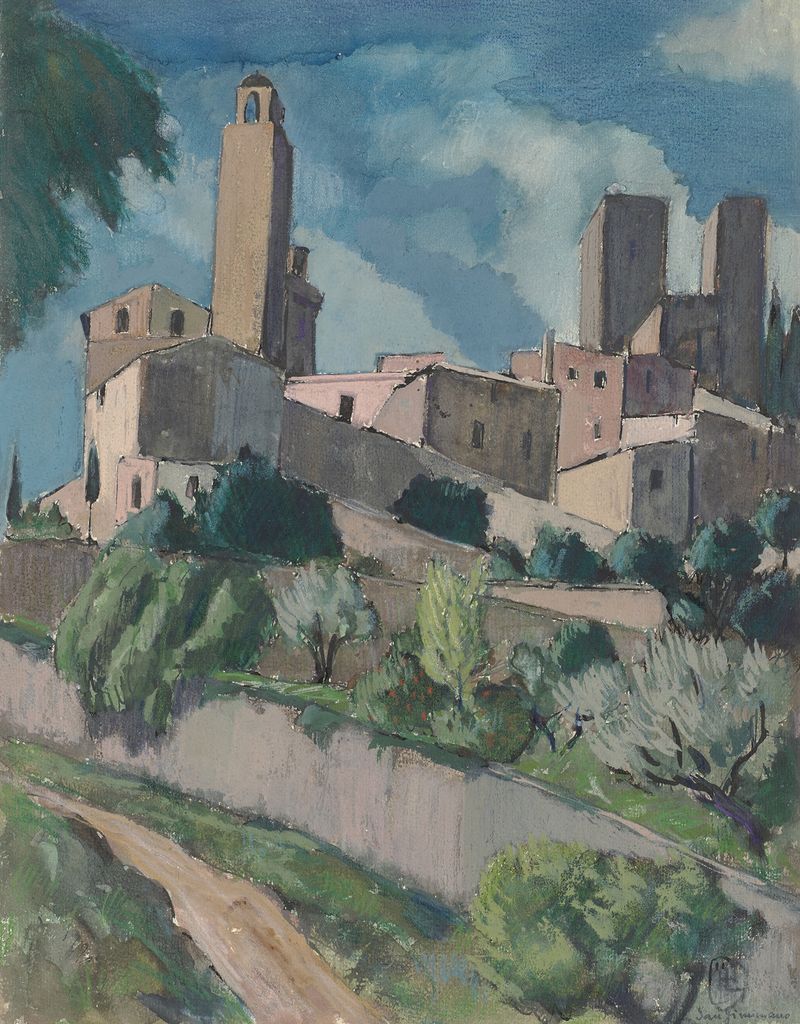
San Gimignano
Hermann Lismann
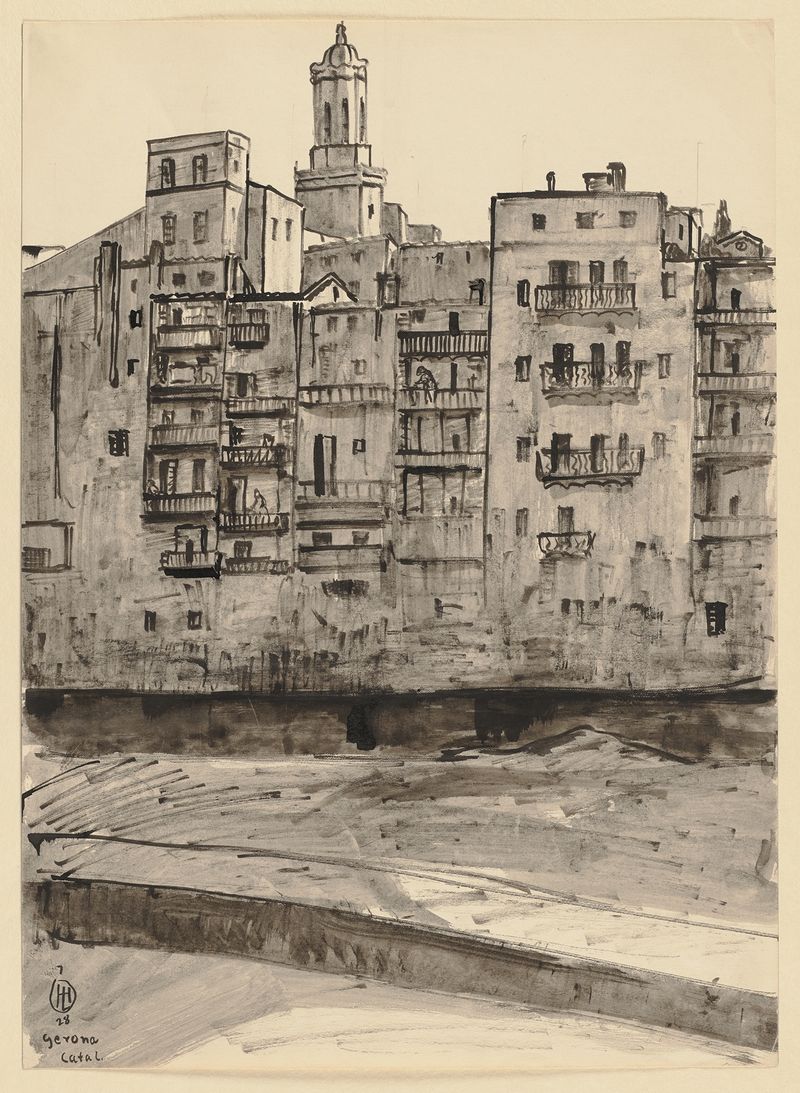
Girona vom Fluss aus gesehen, im Hintergrund der Turm der Kathedrale
Hermann Lismann
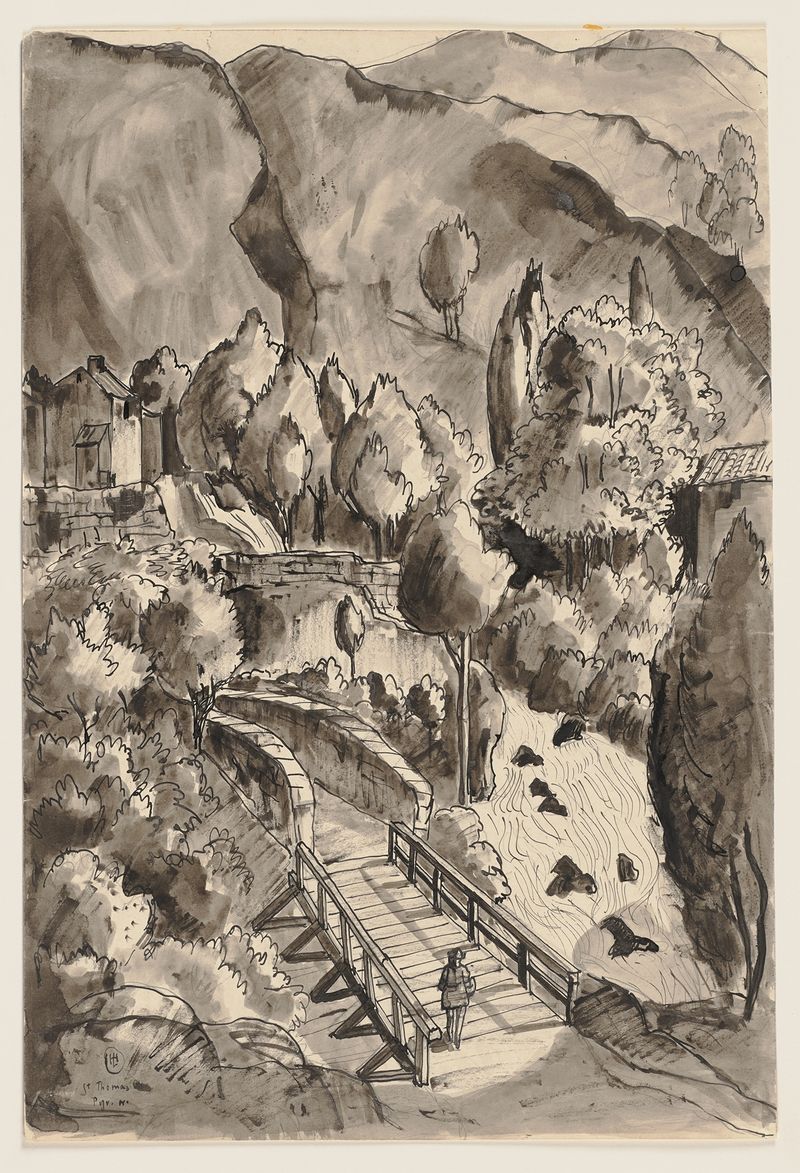
Saint Thomas, Pyrénées
Hermann Lismann
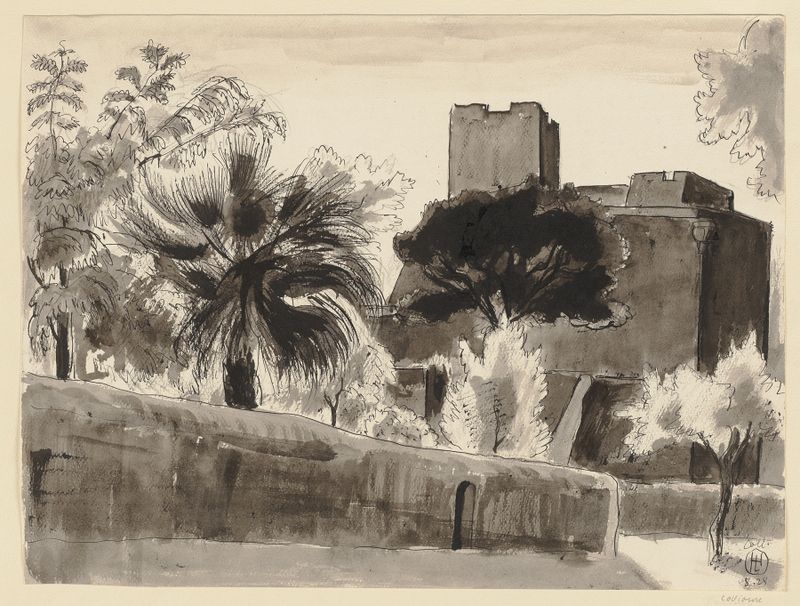
Collioure
Hermann Lismann





