
Sorrowful — History & Facts
The first thing that catches the eye in Sorrowful is not the reclining figure’s nudity, but the unmistakable weight of her gaze. She lies sprawled across a riot of patterned fabrics, her body surrendered to the cushions, yet her face is far from restful. One arm stretches languidly outward, fingers loosely gripping a small blue bottle—an object that hints at a story just beyond the canvas.
The deep greens and golds of the backdrop seem to press in, intensifying the mood and drawing attention to the subject’s pale, vulnerable form. Shadows gather beneath her eyes, and the set of her mouth is unresolved, leaving us to wonder what sorrow she carries and whether it is recent or ancient. Painted in 1911 by Antonio Parreiras, this work belongs to a moment when artists across Europe and the Americas were reimagining the nude, blending academic tradition with new psychological depth. At the turn of the twentieth century, such images were both a declaration of technical skill and a coded invitation to contemplate private emotion—often for a clientele eager to display both taste and modernity.
Parreiras, best known for his landscapes, here turns his attention to the interior world, using the conventions of the reclining nude to explore a more ambiguous, introspective mood. History has kept few traces of this particular painting’s early journey, but its survival in the Antônio Parreiras collection reminds us how the genre could still surprise, unsettle, and invite the viewer to linger in uncertainty. Look again at the hand with the bottle: what story does it begin, and where does it end?
More Artworks by Antonio Parreiras

The Gale
Antonio Parreiras
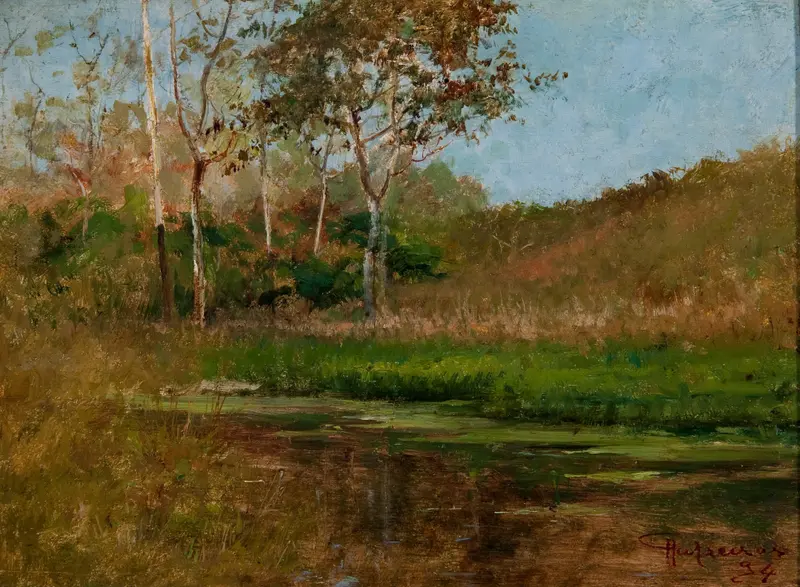
Still Water
Antonio Parreiras
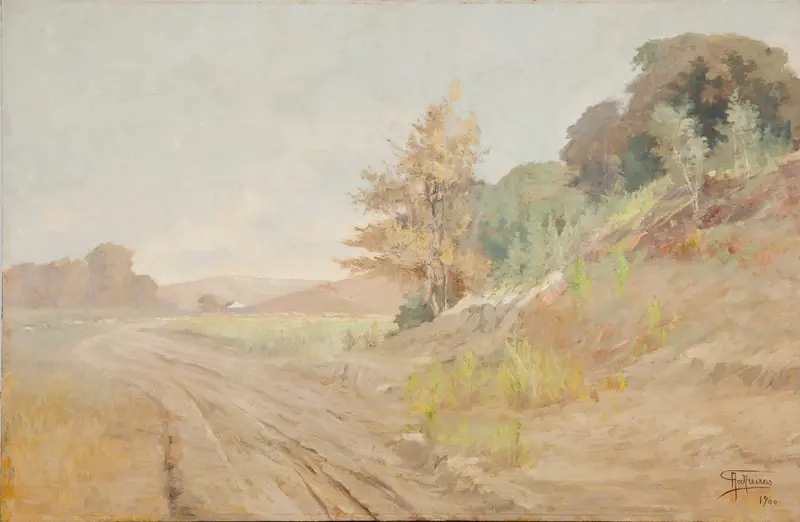
Hazy Day
Antonio Parreiras
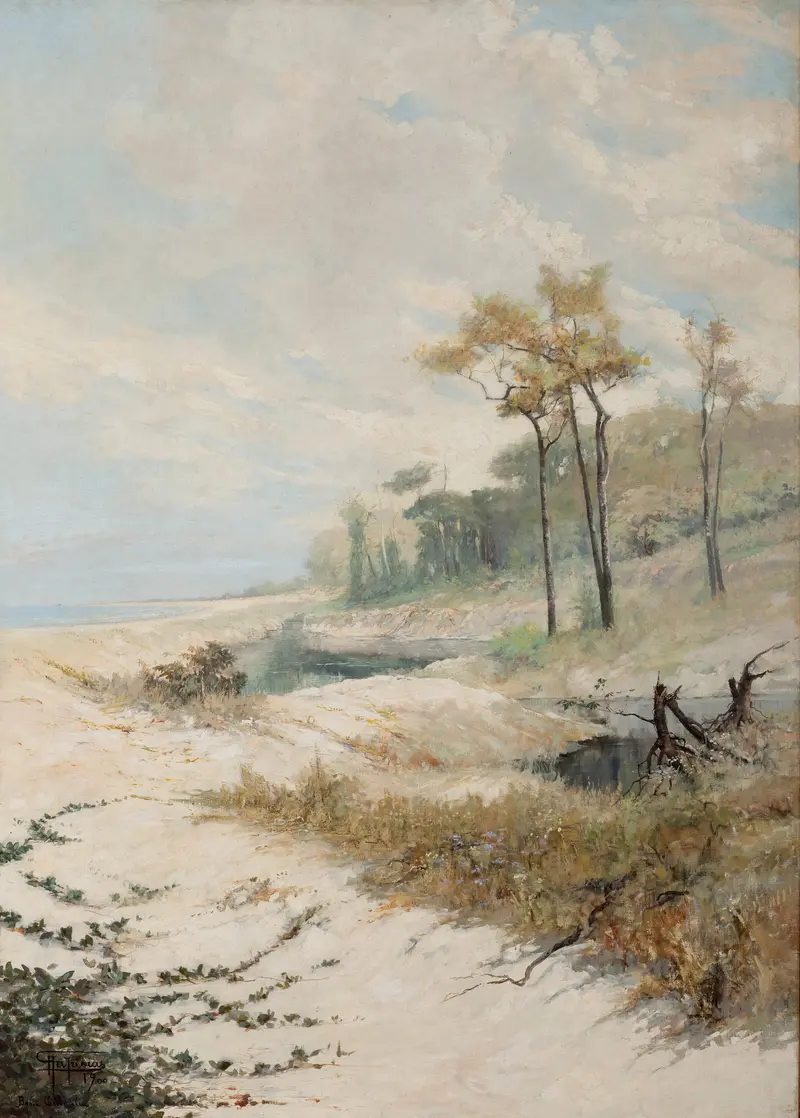
Cabrália Bay
Antonio Parreiras
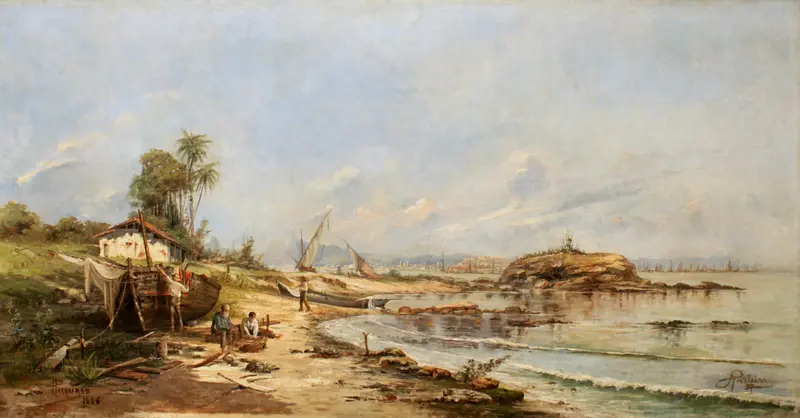
Gragoatá after the storm
Antonio Parreiras

Funeral in San Donà, Italy
Antonio Parreiras
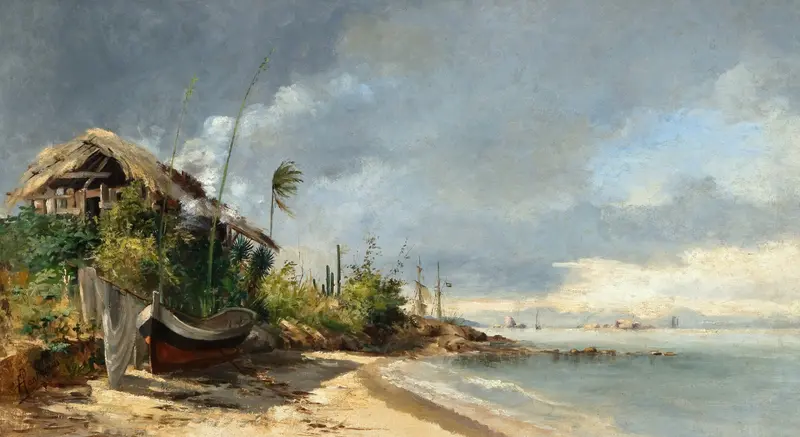
A View of the Beach, São Domingos, Niterói, RJ
Antonio Parreiras
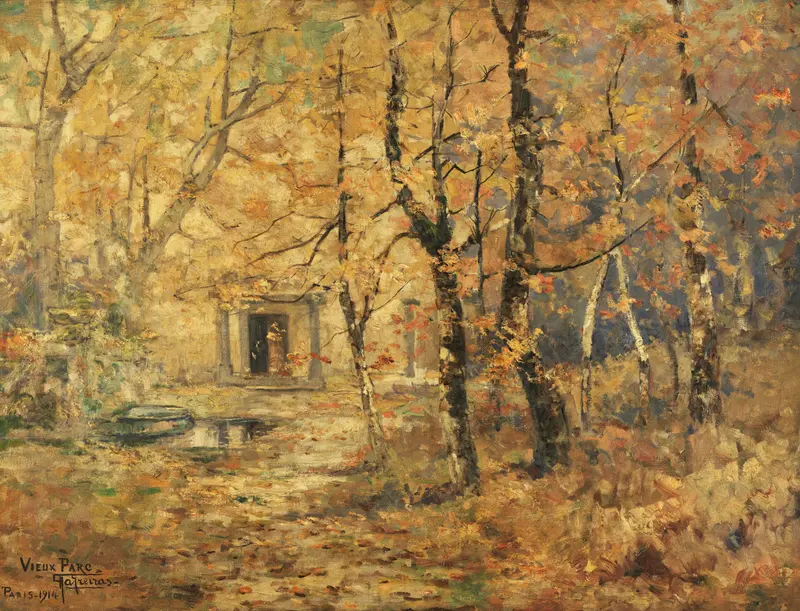
Vieux Parc, Paris
Antonio Parreiras
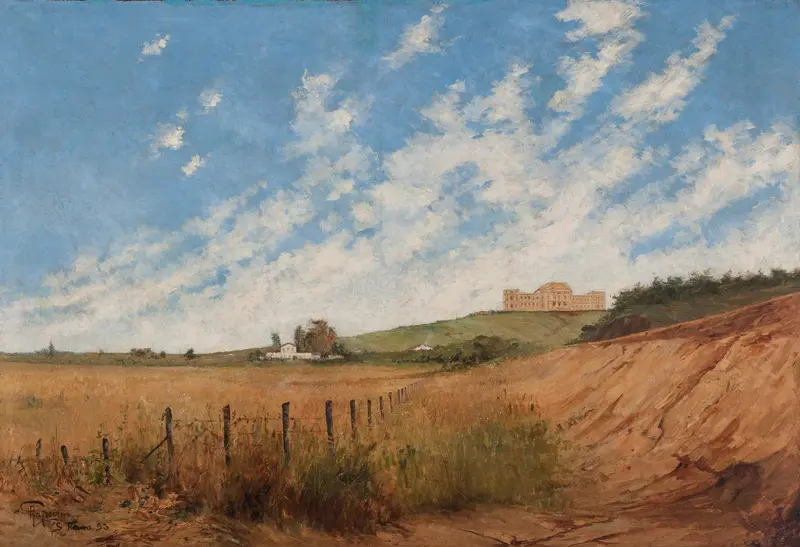
Paisagem do Campo do Ipiranga
Antonio Parreiras
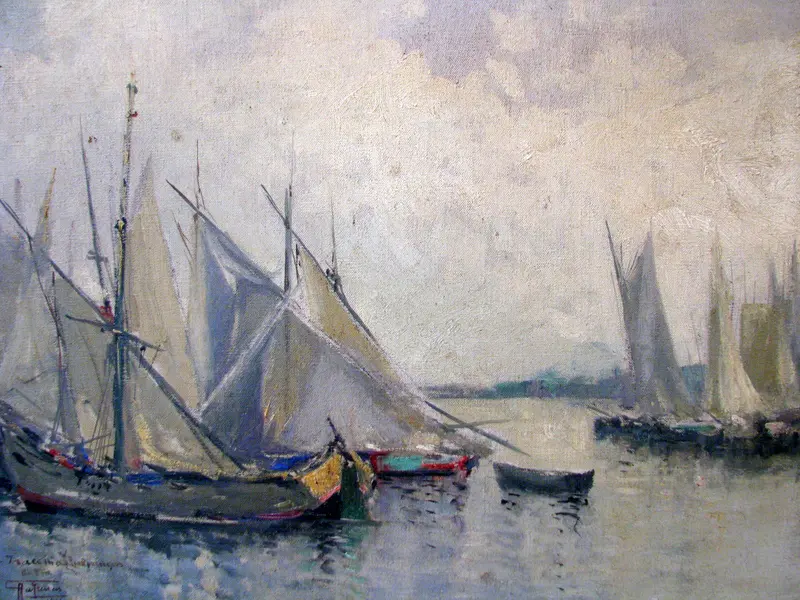
Seascape (II)
Antonio Parreiras



