
Gragoatá after the storm — History & Facts
What first draws the eye in Gragoatá after the storm is not the aftermath of any visible tempest, but the quiet, sunlit order of daily life resuming along the shore. The sky, vast and pale, dominates the upper half of the canvas, its calmness setting the tone for the entire scene. Below, the beach is scattered with the evidence of work: a boat propped up for repairs, planks and nets drying, and two figures intent on their tasks.
The gentle arc of the shoreline guides us from the lush, palm-crowned house at the left, past the laborers, to the distant sails and the rocky outcrop that anchors the right edge. Every element is composed to invite the viewer into a world where the sea’s unpredictability is met with resilience and routine. Painted in 1886, this work by Antonio Parreiras belongs to a period when Brazilian artists were turning their attention to the landscapes and everyday realities of their own country. Such scenes were often commissioned to celebrate local industry or simply to capture the changing face of coastal life as cities like Rio de Janeiro expanded.
The painting now resides in the Museu Nacional de Belas Artes, a reminder of a time when the boundaries between nature and settlement were still porous, and the rhythms of work and weather shaped the lives on these shores. The brushwork and palette speak of a world in transition—one foot in tradition, the other edging toward modernity—inviting us to linger and look for the stories left in the sand.
More Artworks by Antonio Parreiras

The Gale
Antonio Parreiras
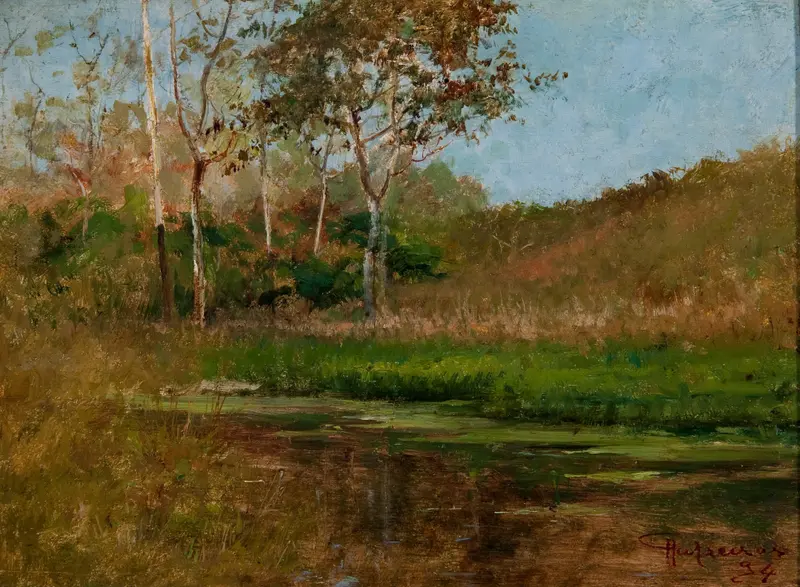
Still Water
Antonio Parreiras
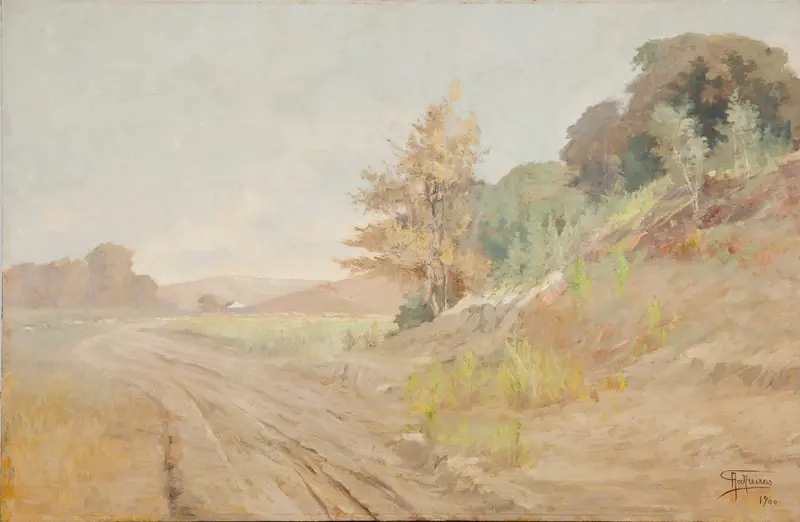
Hazy Day
Antonio Parreiras
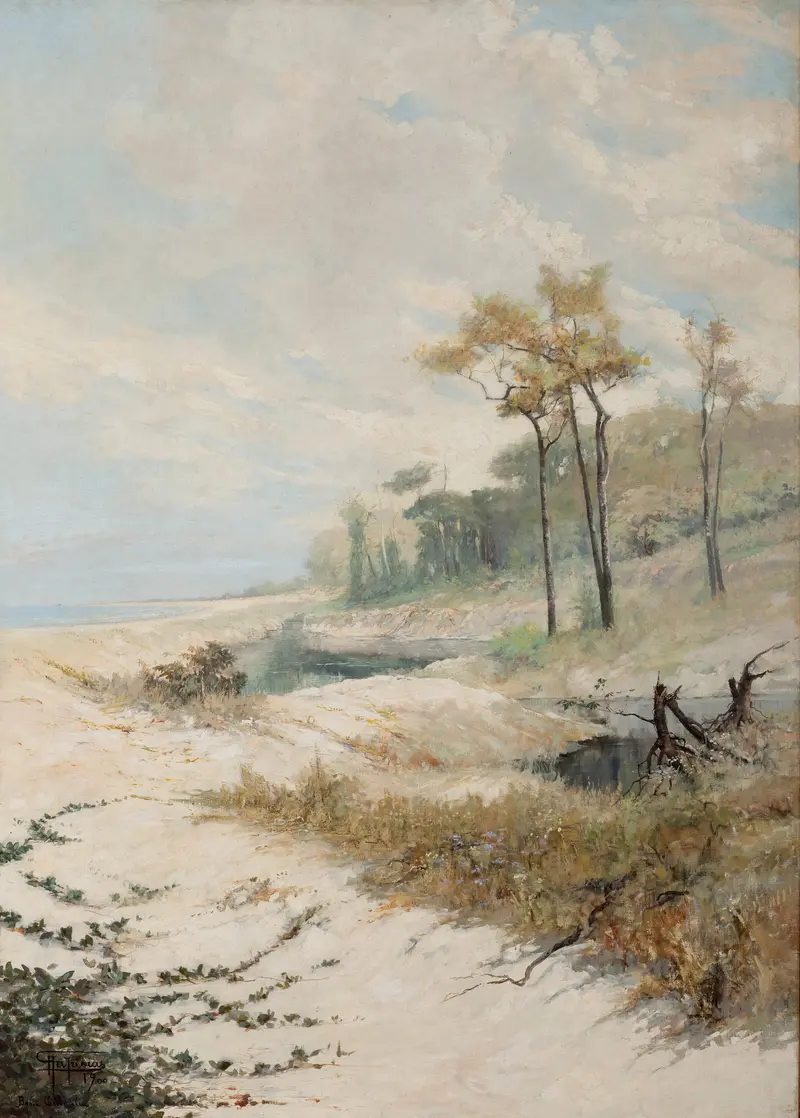
Cabrália Bay
Antonio Parreiras

Funeral in San Donà, Italy
Antonio Parreiras
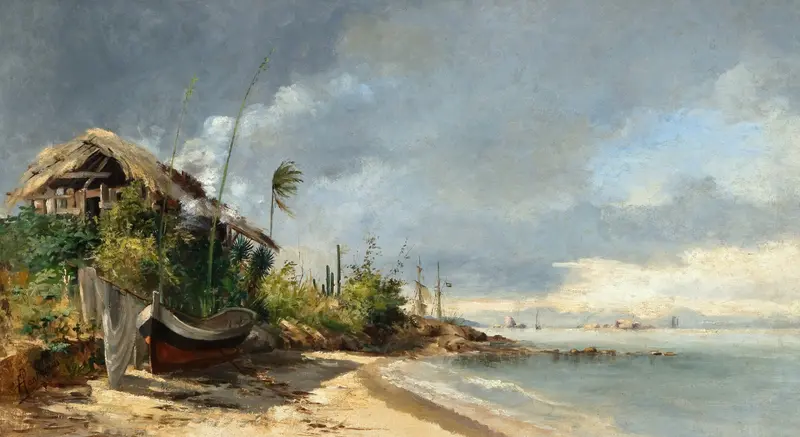
A View of the Beach, São Domingos, Niterói, RJ
Antonio Parreiras
Vieux Parc, Paris
Antonio Parreiras
Sorrowful
Antonio Parreiras
Paisagem do Campo do Ipiranga
Antonio Parreiras
Seascape (II)
Antonio Parreiras





