
Vieux Parc, Paris — History & Facts
A hush settles over the scene, as if the park itself is holding its breath. The eye is drawn first to the golden haze that fills the canvas, each leaf and branch rendered in loose, textured strokes that suggest the crispness of autumn air. Light filters through the thinning canopy, pooling on the ground and catching the edges of a small, still pond—a mirror that doubles the world above.
At the heart of this quiet drama stands a solitary figure framed by the doorway of a stone pavilion, half-shrouded in shadow, their presence both invitation and mystery. The trees, with their slender trunks and tangled limbs, form a gentle barrier, guiding the viewer’s gaze inward and hinting at stories hidden just out of sight. Painted in 1914, Vieux Parc, Paris by Antonio Parreiras belongs to a moment when artists across Europe were reimagining the landscape, not as a backdrop but as a living stage for memory and solitude. Such scenes were cherished by collectors and the urban elite, eager to capture the fleeting beauty of city parks as modern life pressed in.
Parreiras, known for his sensitive treatment of light and atmosphere, here channels the Impressionist fascination with the changing seasons and the poetry of ordinary places. History has kept few traces of this particular work beyond its appearance in the MNBA catalogue, but its quiet mood and golden palette invite the viewer to linger, searching for the story that lies just beyond the trees.
More Artworks by Antonio Parreiras

The Gale
Antonio Parreiras
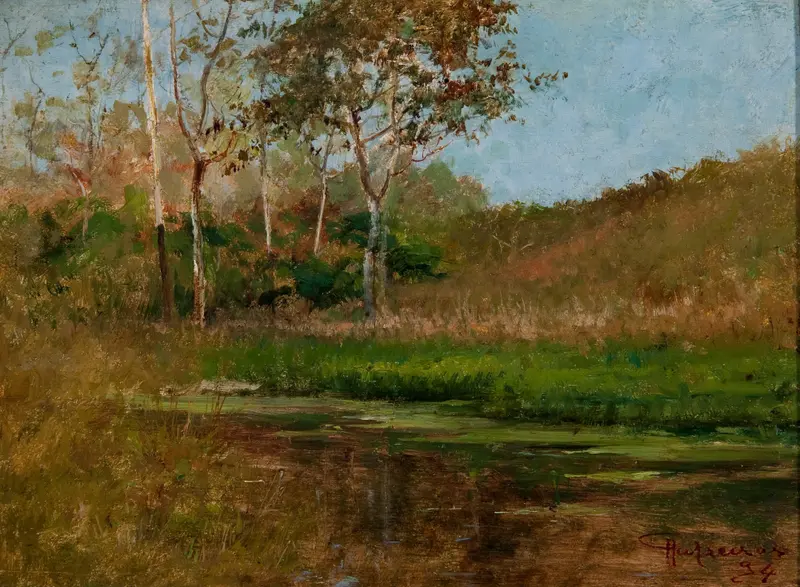
Still Water
Antonio Parreiras
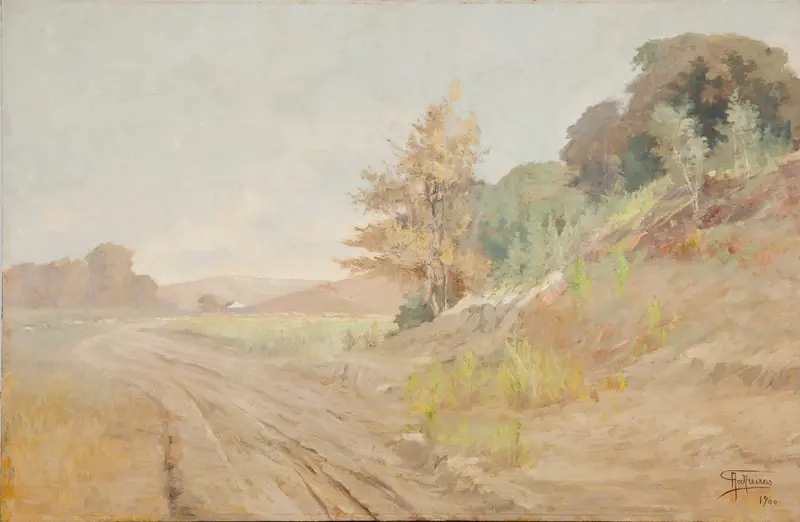
Hazy Day
Antonio Parreiras
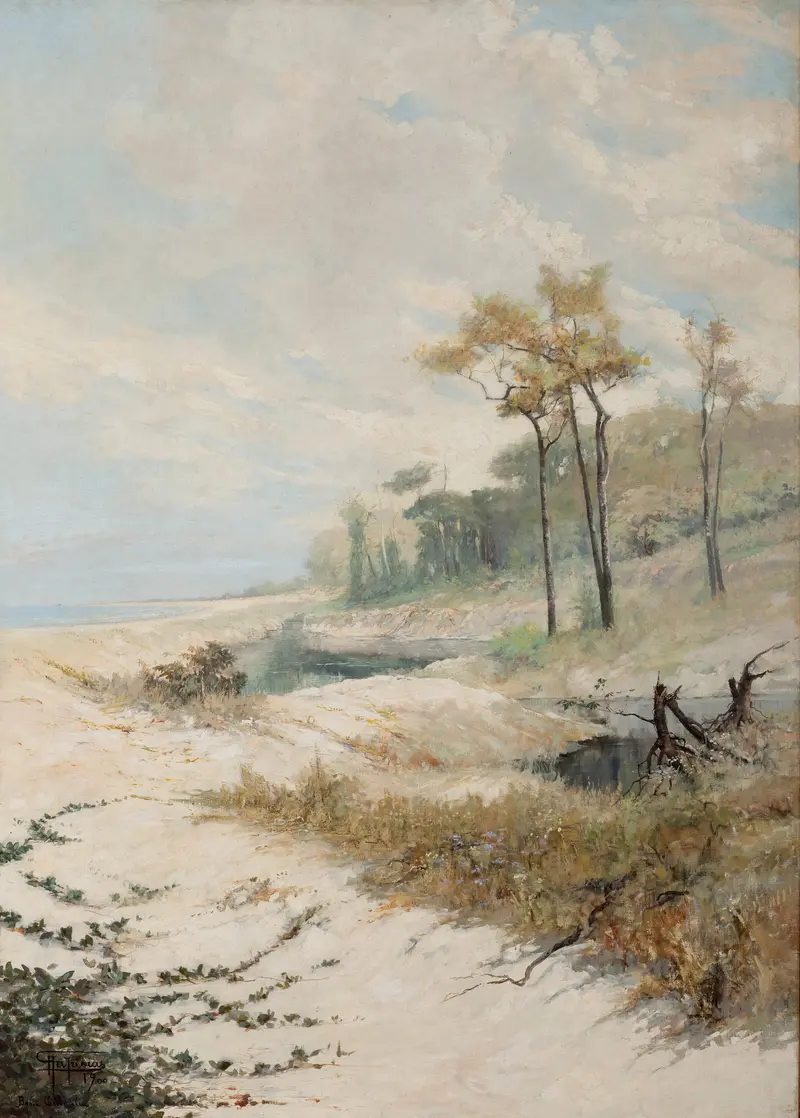
Cabrália Bay
Antonio Parreiras
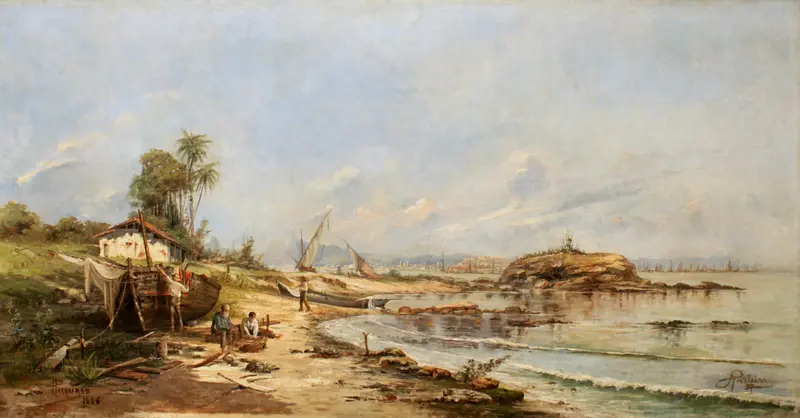
Gragoatá after the storm
Antonio Parreiras

Funeral in San Donà, Italy
Antonio Parreiras
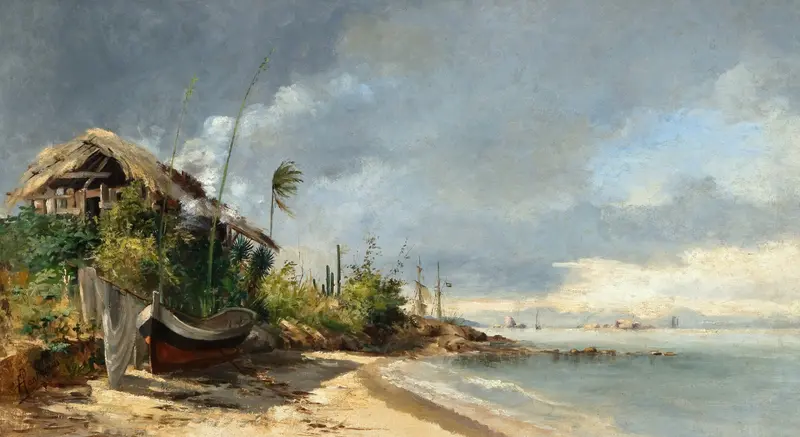
A View of the Beach, São Domingos, Niterói, RJ
Antonio Parreiras
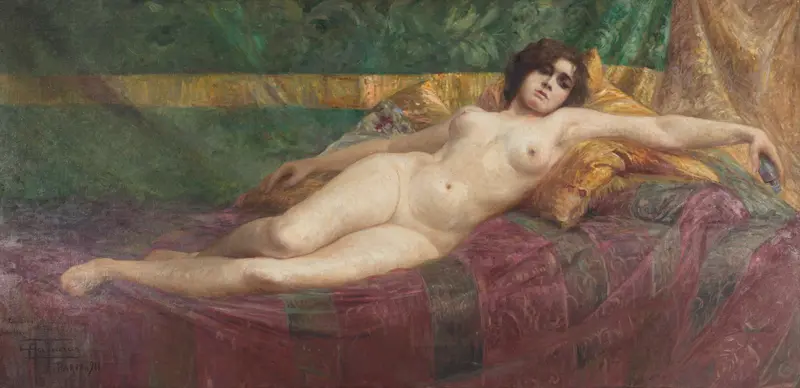
Sorrowful
Antonio Parreiras
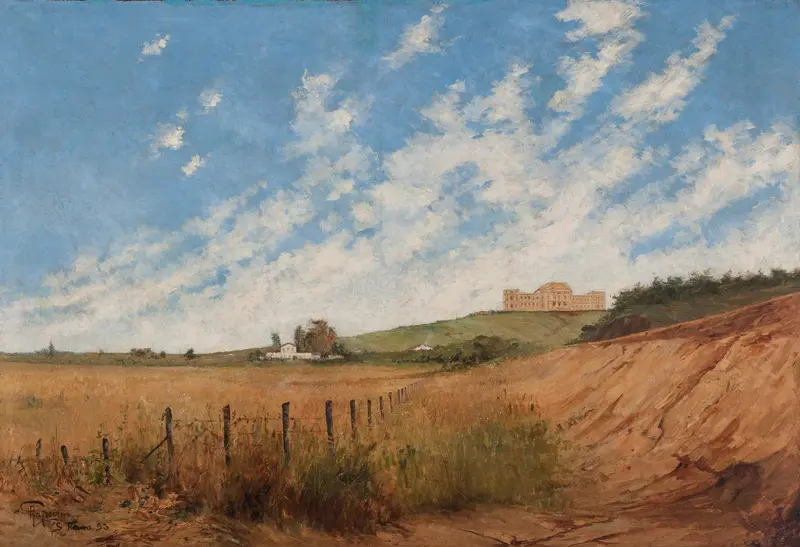
Paisagem do Campo do Ipiranga
Antonio Parreiras
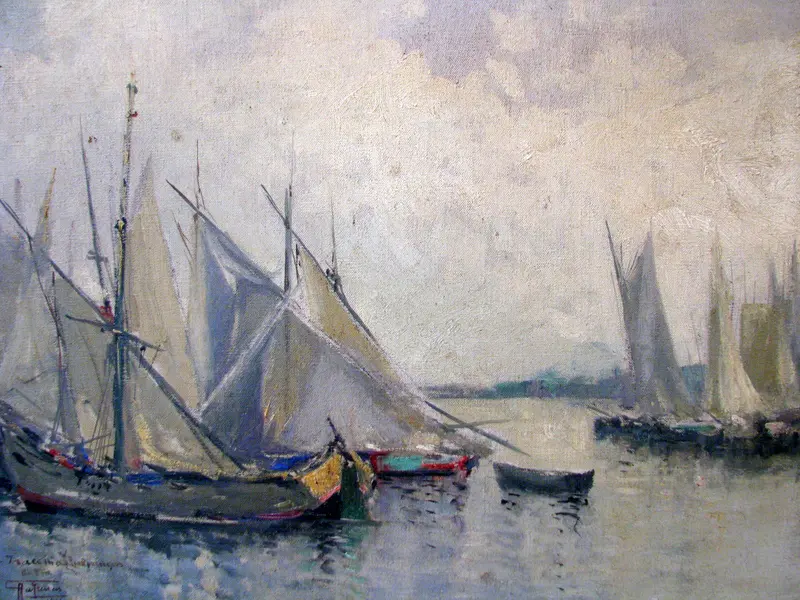
Seascape (II)
Antonio Parreiras
More Landscape Art

The Starry Night
Vincent van Gogh

View of Delft
Johannes Vermeer

Water Lilies
Claude Monet

The Grand Canal, Venice, looking north-west from the Ca' Corner to the Ca' Contarini degli Scrigni, with the campanile of Santa Maria della Carità
Canaletto

Windsor Castle
Canaletto

The Grand Canal looking North-East from the Palazzo Dolfin-Manin to the Rialto Bridge
Canaletto