
Sosenki II — History & Facts
What if beauty was never meant to be finished? In Sosenki II, an ethereal dance of color and texture challenges the viewer to embrace the chaos inherent in the natural world. Look to the center of the canvas, where layers of green and brown create a dense thicket of pine trees, their trunks twisting like thoughts spiraling into madness. Notice the interplay of light filtering through the needles, casting dappled shadows that evoke a sense of mystery and introspection. The brushstrokes are lively yet erratic, each stroke a testament to the artist's fervent engagement with his subject.
The vibrant greens pulse with life, while muted earth tones offer grounding, creating a visual symphony that invites both contemplation and unease. Within this dense forest, the contrast between the wildness of nature and the tranquil ambiance hints at a deeper emotional tension. The vibrant strokes suggest a world alive with energy, yet the undercurrents of chaos remind us that beauty often coexists with turmoil — a reflection of the artist's own mind. The painting challenges perceptions of sanity, suggesting that the act of capturing beauty is inherently flawed, a process that can never be fully achieved.
It evokes questions about what it means to embrace the unfinished, the imperfect, and the raw. Created in 1919, Sosenki II emerged during a period when Leon Wyczółkowski was grappling with personal strife and the shifting tides of the art world. Painting in Poland after World War I, he sought to delve deep into the emotional landscape of the post-war experience. The era was marked by a resurgence of national identity in art, yet Wyczółkowski's work stood apart, reflecting an artist caught between traditional methods and the burgeoning modernist movements that defined the early 20th century.
More Artworks by Leon Wyczółkowski
Browse all →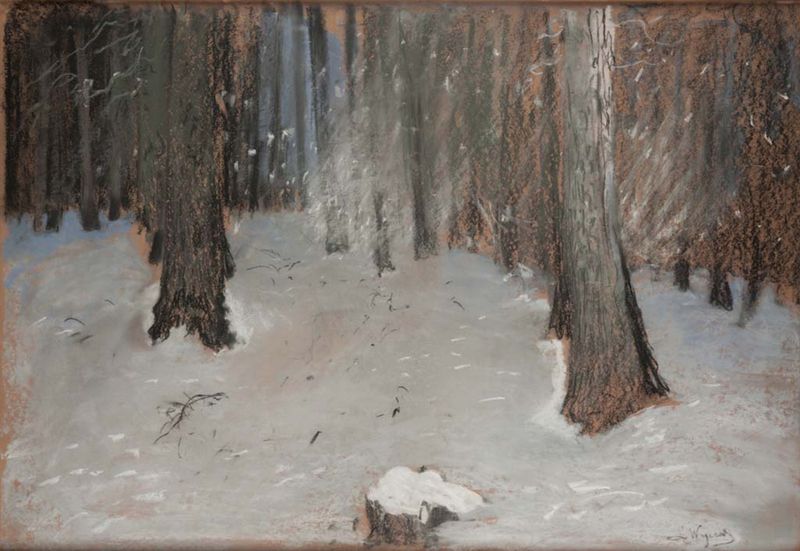
Las zimą
Leon Wyczółkowski
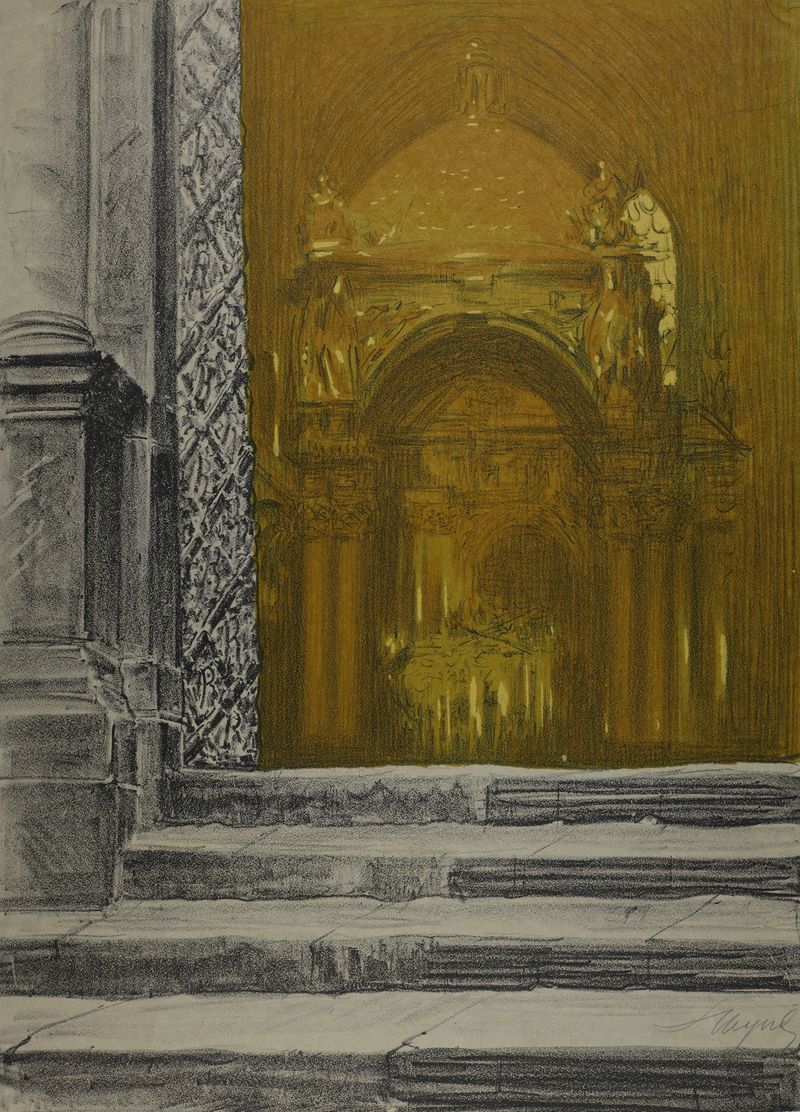
Saint Stanislaus
Leon Wyczółkowski
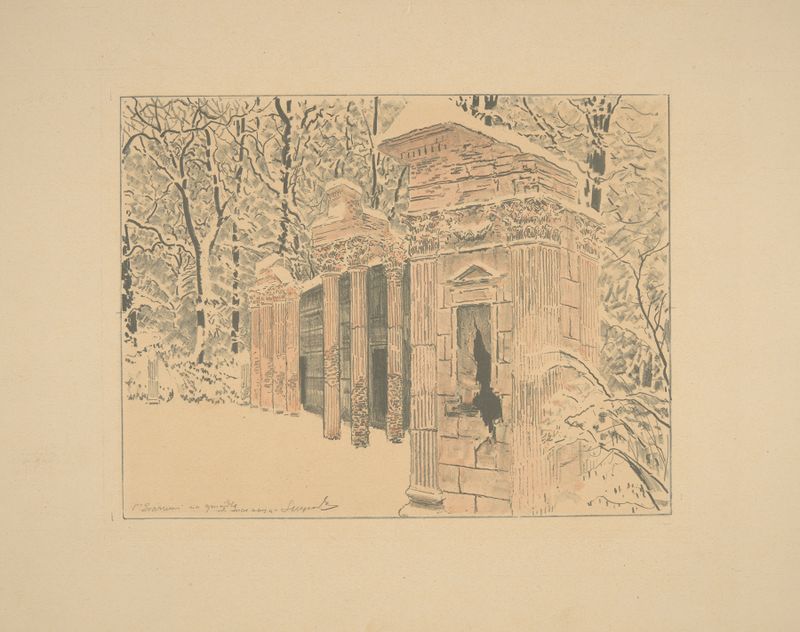
Amfiteatr w Łazienkach pod śniegiem (strona prawa)
Leon Wyczółkowski
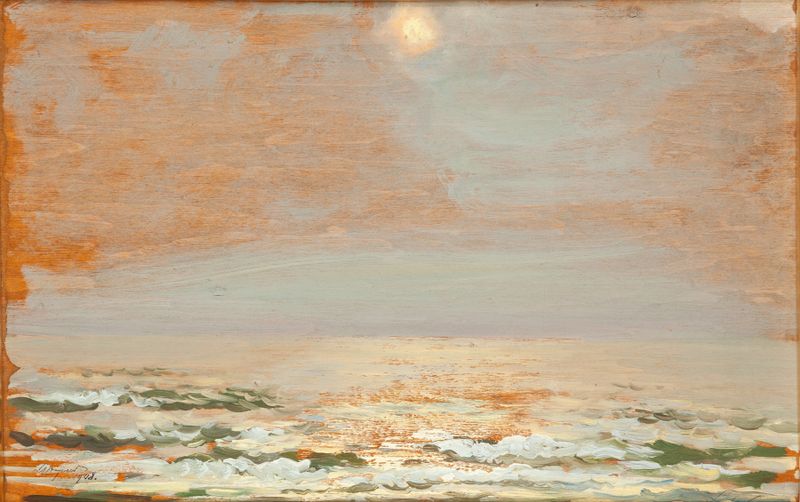
Sea at Połąga IV
Leon Wyczółkowski
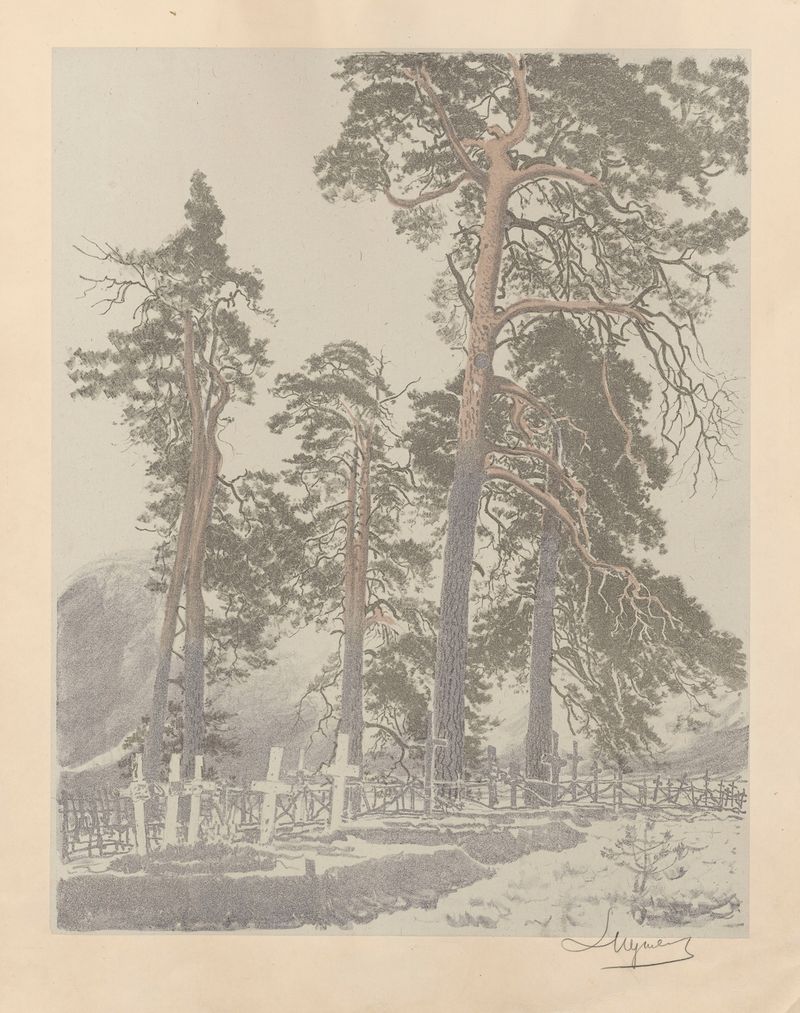
Cemetery in Vowchick
Leon Wyczółkowski
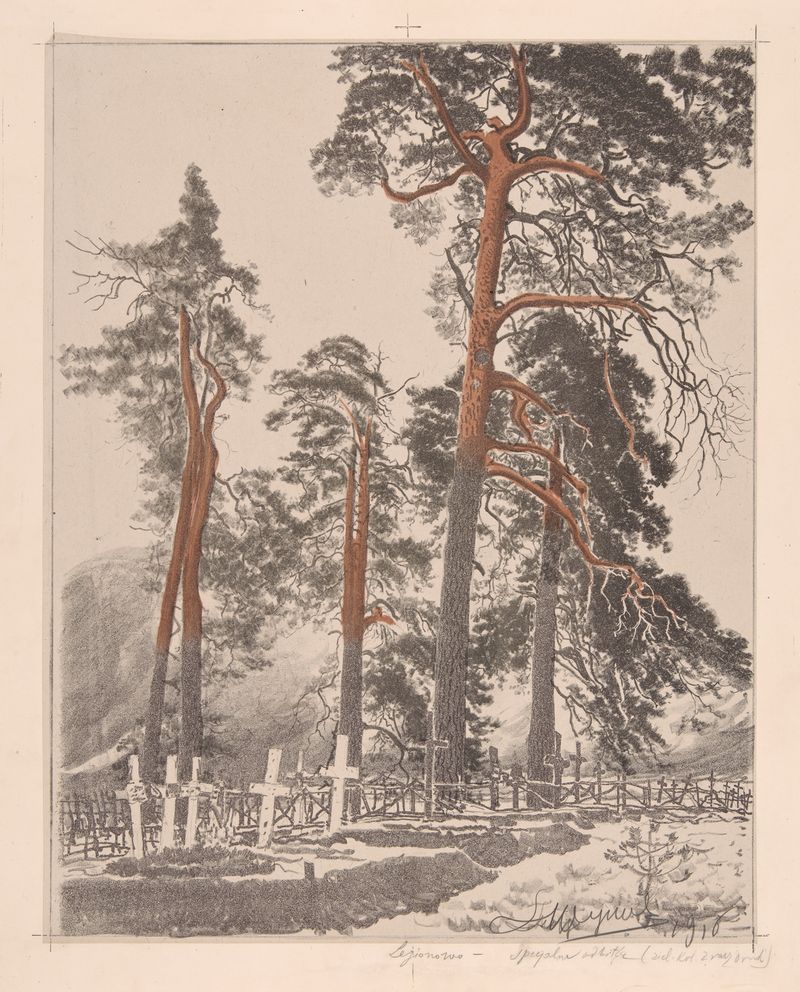
The Wołczecko cemetery
Leon Wyczółkowski
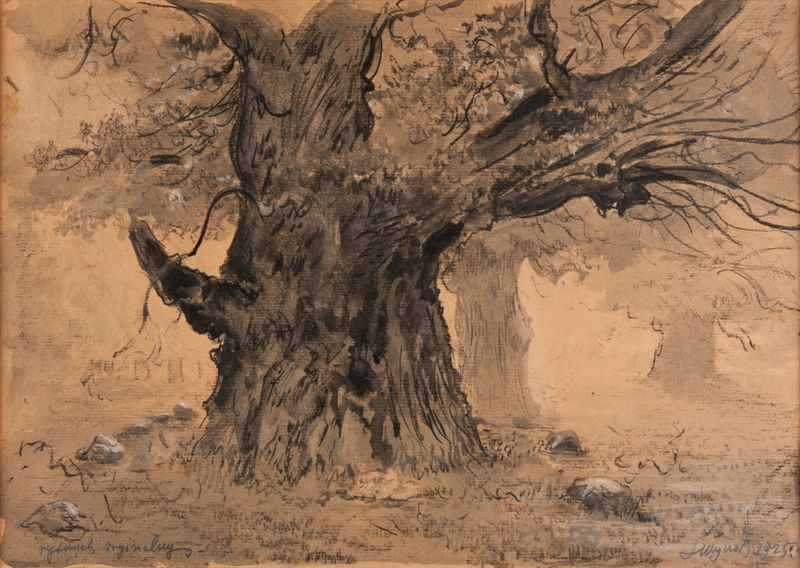
Rogalin Oaks
Leon Wyczółkowski
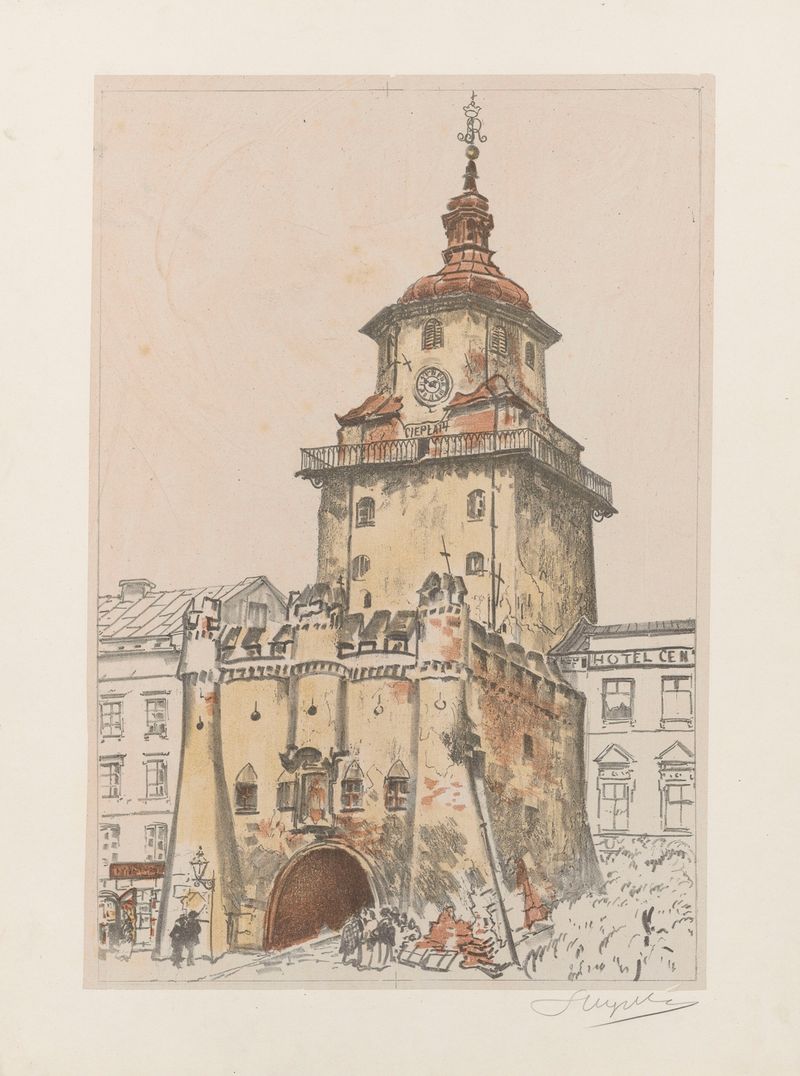
The Krakow Gate in Lublin, in summer
Leon Wyczółkowski
U Wrót Chałubińskiego
Leon Wyczółkowski
Castle and the Jewish quarter
Leon Wyczółkowski





