
Southern Landscape with a Woman and a Donkey — History & Facts
It is the hush of dusk that first catches the eye: a golden sky stretches beyond the shadowed trees, drawing you into a world where the light lingers just long enough to reveal its secrets. In the foreground, a woman leads a donkey along a winding path, her small figure dwarfed by the looming cliff and the ruins perched above. There is a sense of quiet purpose in her stride, a gentle contrast to the lively gathering of figures at the cave-like entrance to the right.
The play of light and shadow is deliberate—notice how the sun’s last rays pick out the edges of leaves, stone, and distant mountains, guiding your gaze from the intimate to the infinite. Painted in the 1660s by Adam Pijnacker, this scene belongs to a world where landscape painting was rising in status, shaped by the tastes of Dutch collectors eager for glimpses of the wider world. Southern vistas like this—imagined or remembered from travels—offered a sense of escape and wonder, their warm palettes and dramatic scenery a marked departure from the flat, familiar lowlands of the north. The painting now resides in the National Museum of Art, Architecture and Design, a quiet testament to an era when artists conjured distant lands for viewers who might never see them.
Let your eye wander once more through the painting’s layered spaces, and consider what stories might unfold in the meeting of light, land, and human presence.
More Artworks by Adam Pijnacker

Italianate River Landscape
Adam Pijnacker
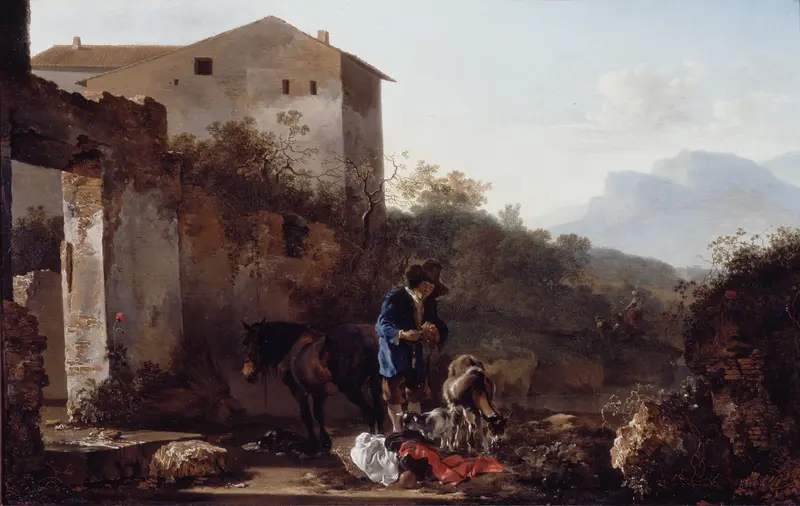
Landscape with a Goatherd
Adam Pijnacker
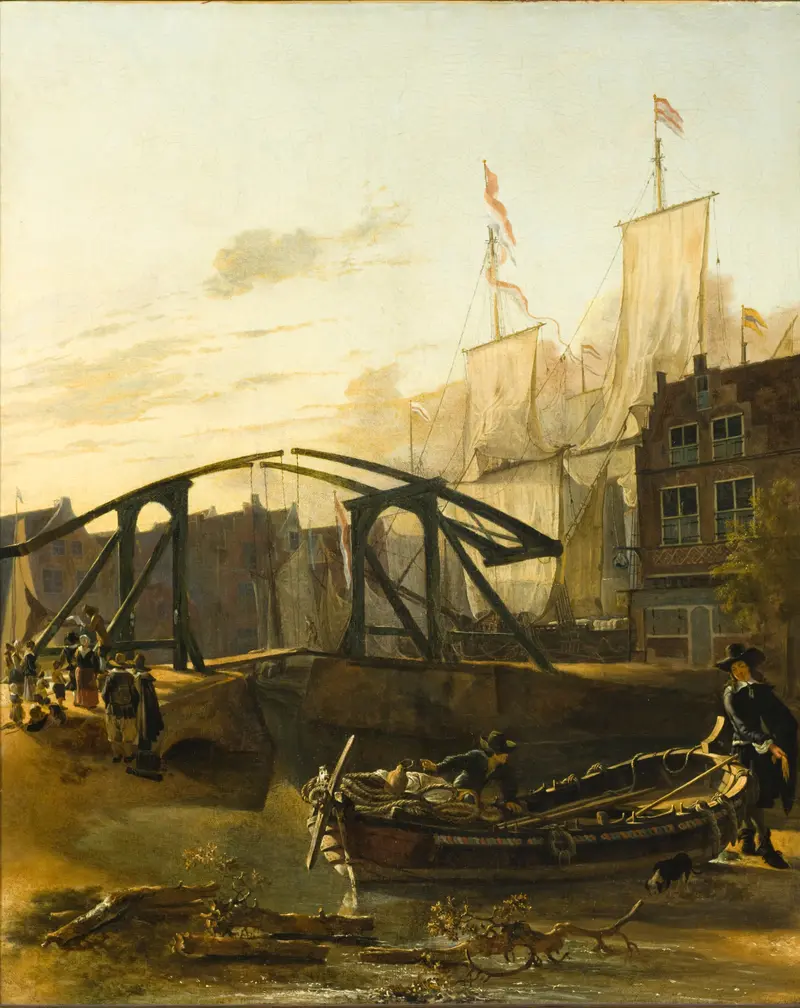
View of a Harbor in Schiedam
Adam Pijnacker
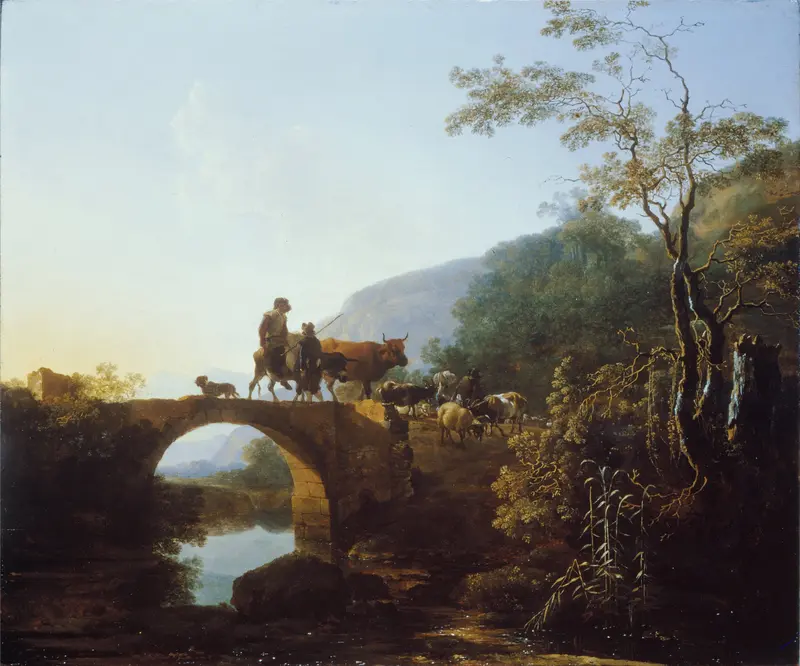
Bridge in an Italian Landscape
Adam Pijnacker
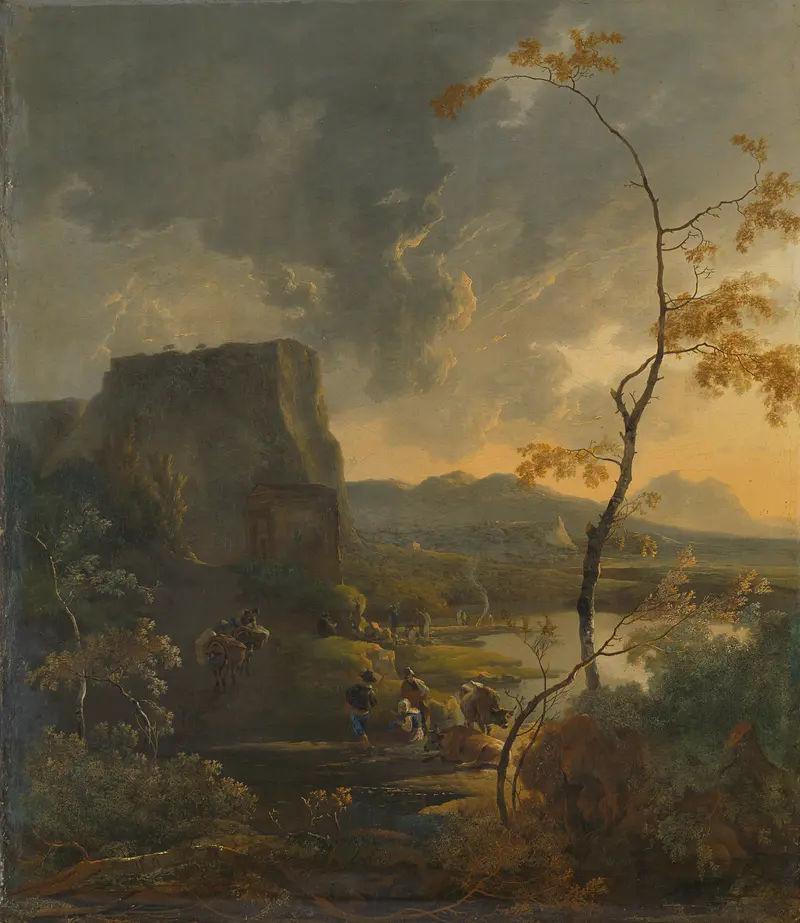
Italian Landscape with Ancient Tempietto
Adam Pijnacker
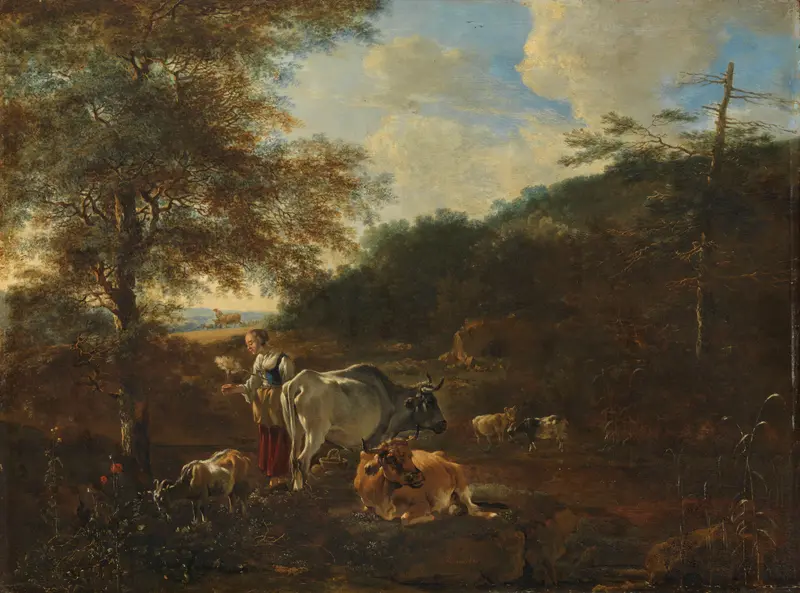
Landscape with cattle
Adam Pijnacker
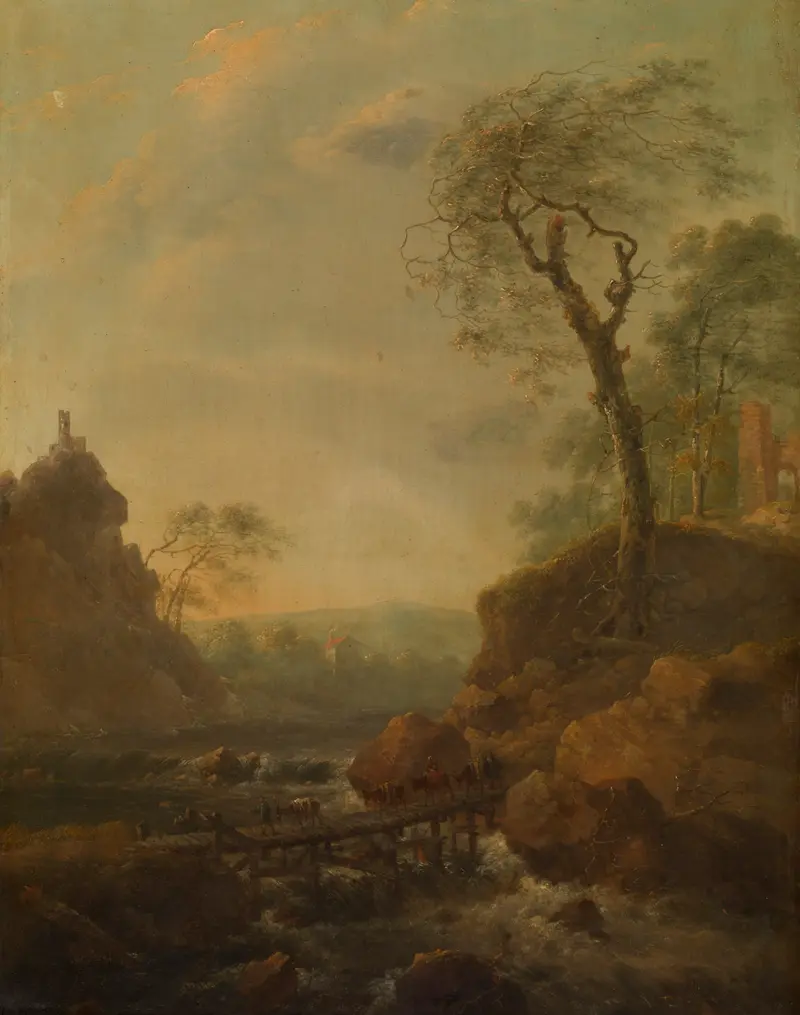
Landscape
Adam Pijnacker
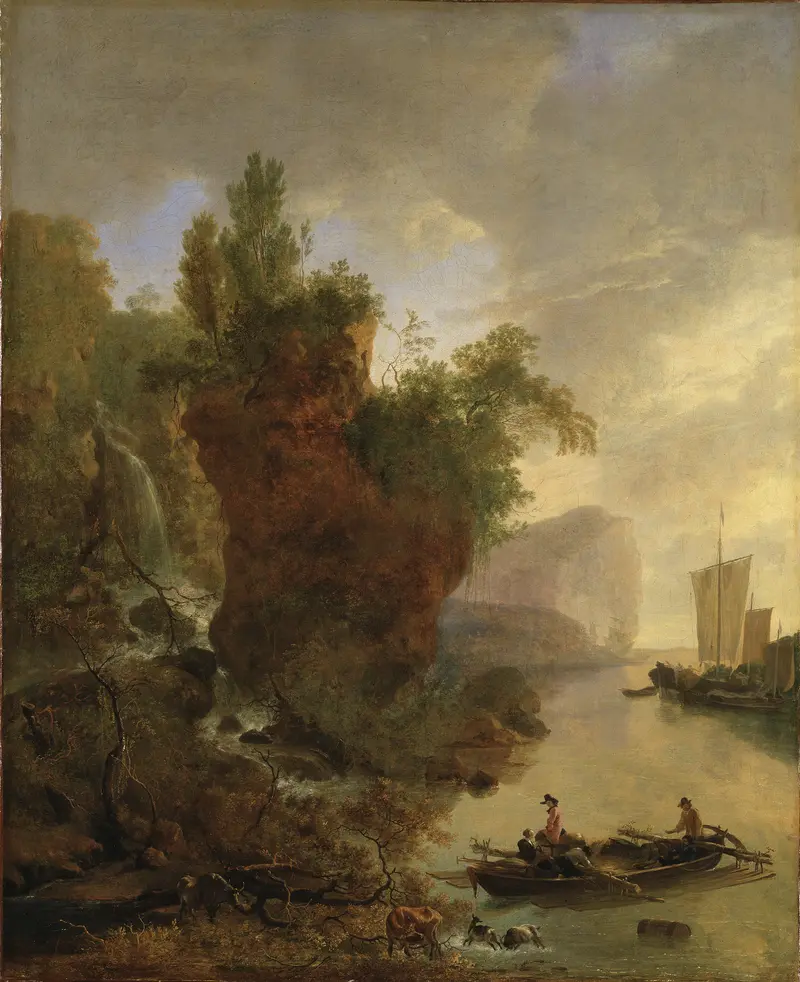
Bay with a Rocky Coast
Adam Pijnacker
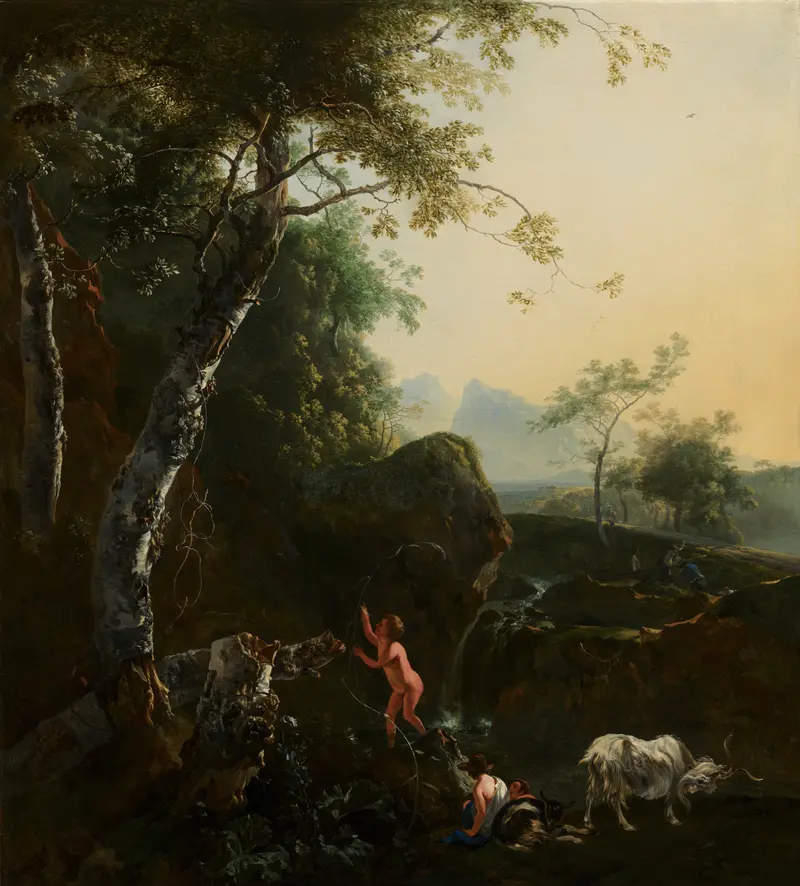
Mountainous Landscape with Waterfall
Adam Pijnacker
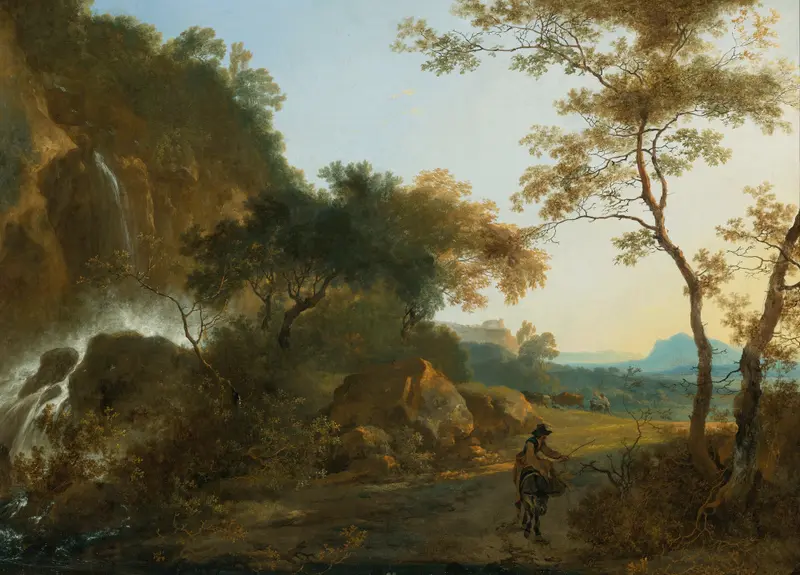
An Italianate Landscape With A Traveller On A Path By A Waterfall
Adam Pijnacker
More Landscape Art

The Starry Night
Vincent van Gogh

View of Delft
Johannes Vermeer

Water Lilies
Claude Monet

The Grand Canal, Venice, looking north-west from the Ca' Corner to the Ca' Contarini degli Scrigni, with the campanile of Santa Maria della Carità
Canaletto

Windsor Castle
Canaletto

The Grand Canal looking North-East from the Palazzo Dolfin-Manin to the Rialto Bridge
Canaletto