
Spain (Elche) — History & Facts
In the quiet aftermath of betrayal, what remains in the heart of a painter's canvas? Look closely at the vibrant interplay of colors that dance across the surface, where rich ochres and deep blues collide. Focus on the intricate details in the fabric of the figures’ clothing, where thread and texture evoke a sense of narrative and history. Notice how the light cascades down from the unseen sun, illuminating the path that beckons, while shadows cling to the corners, hinting at unspoken truths.
The composition weaves a story, drawing the viewer into this moment suspended in time. The juxtaposition of the figures against the backdrop reveals profound emotional contrasts. The serenity of their facial expressions feels at odds with the tumult swirling just beneath the surface, suggesting a betrayal that has yet to manifest. Small details—a clenched fist here, a furrowed brow there—whisper of hidden tensions and unresolved conflicts.
Each element works in harmony to create a narrative that resonates with the complexities of human relationships, evoking both longing and sorrow. Jan Ciągliński painted this piece in 1899 while residing in Paris, a time when he was deeply influenced by the transitional movements of Impressionism and Post-Impressionism. The world of art was buzzing with experimentation, and he sought to capture the essence of his Polish heritage alongside the vibrant influences of his surroundings. This work is a reflection of both personal and cultural identity, layered with the intricacies of his experiences in the world of art and life.
More Artworks by Jan Ciągliński
Browse all →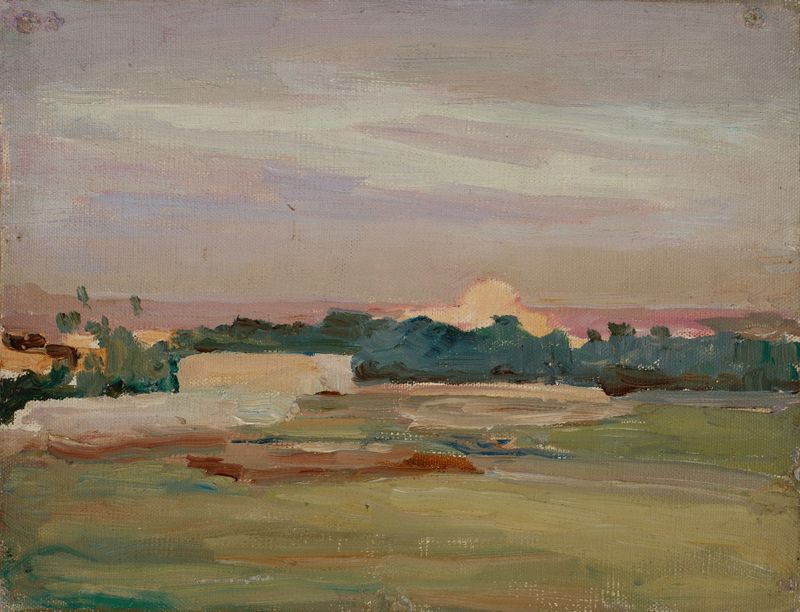
The Sirocco
Jan Ciągliński
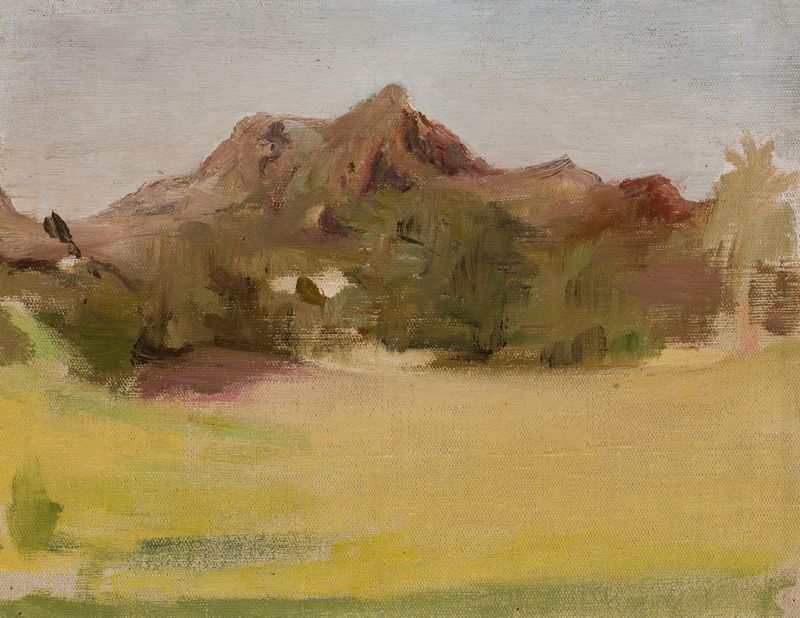
Mountain landscape. From the journey to India
Jan Ciągliński
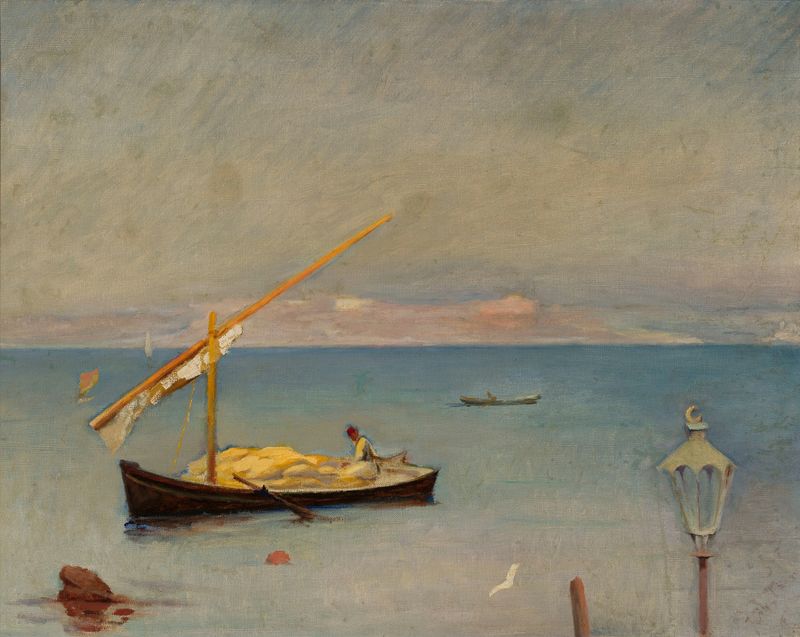
At Bosporus
Jan Ciągliński
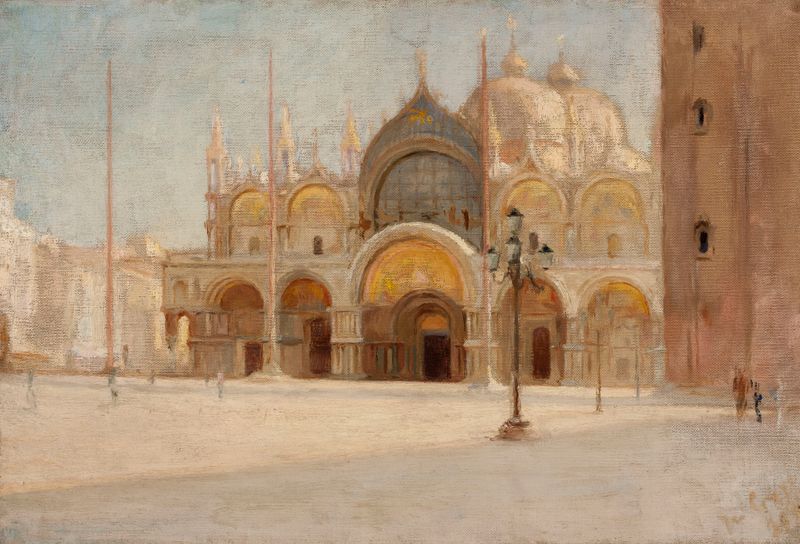
St Mark’s Square in Venice
Jan Ciągliński
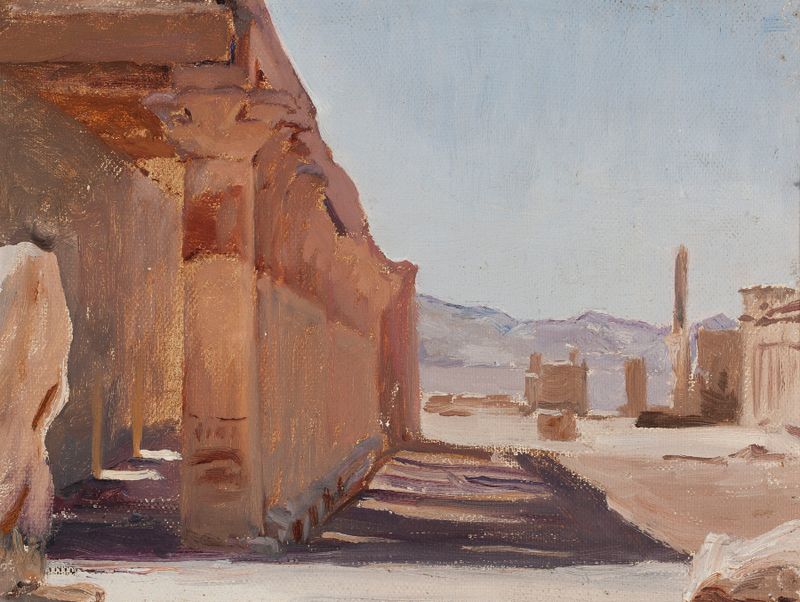
Temple. From the journey to Egypt
Jan Ciągliński
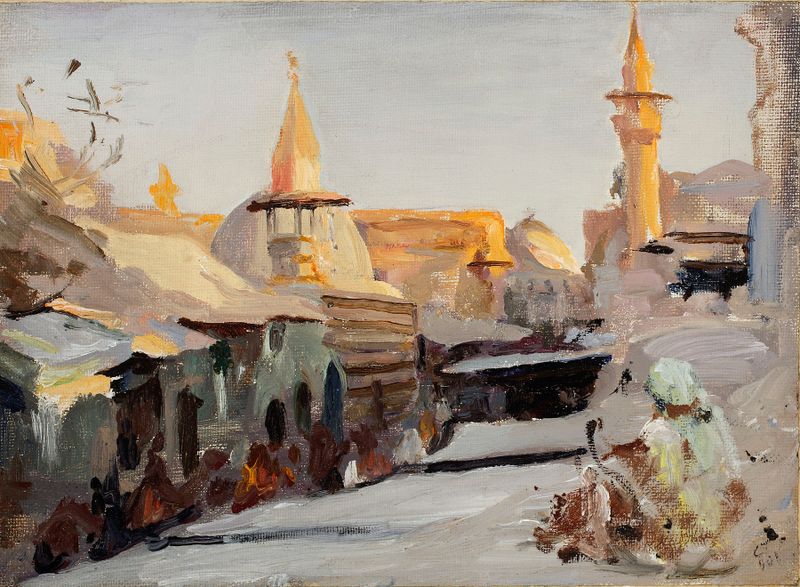
Street in Damascus. From the journey to Palestine
Jan Ciągliński
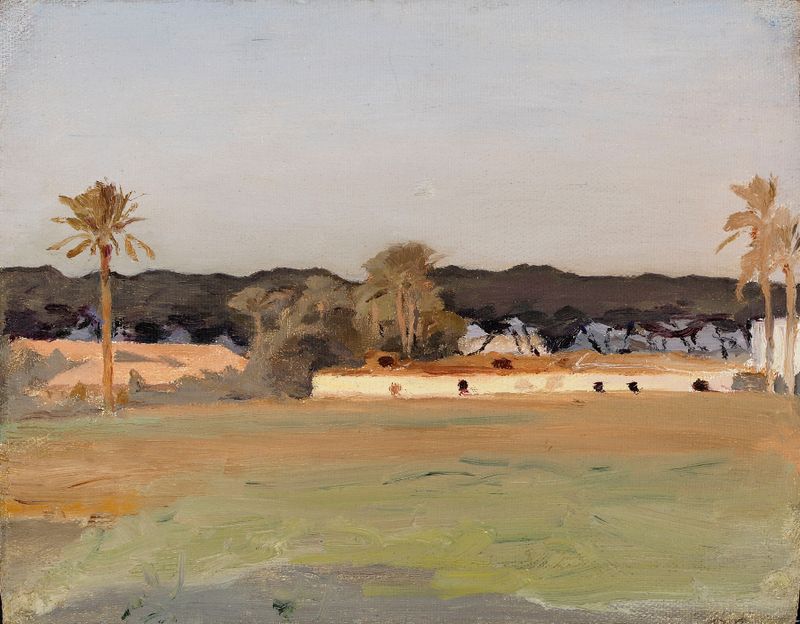
Evening. From the journey to Egypt
Jan Ciągliński
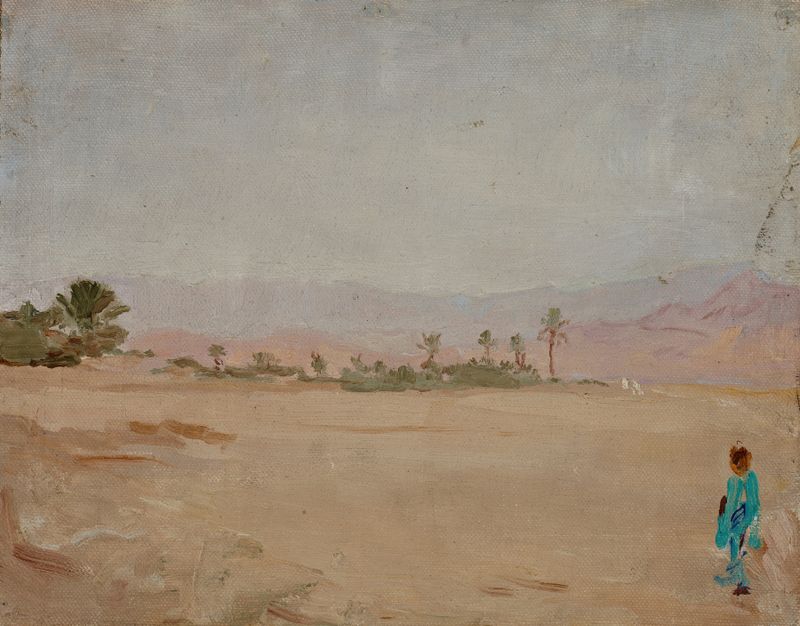
Sahara (Desert)
Jan Ciągliński
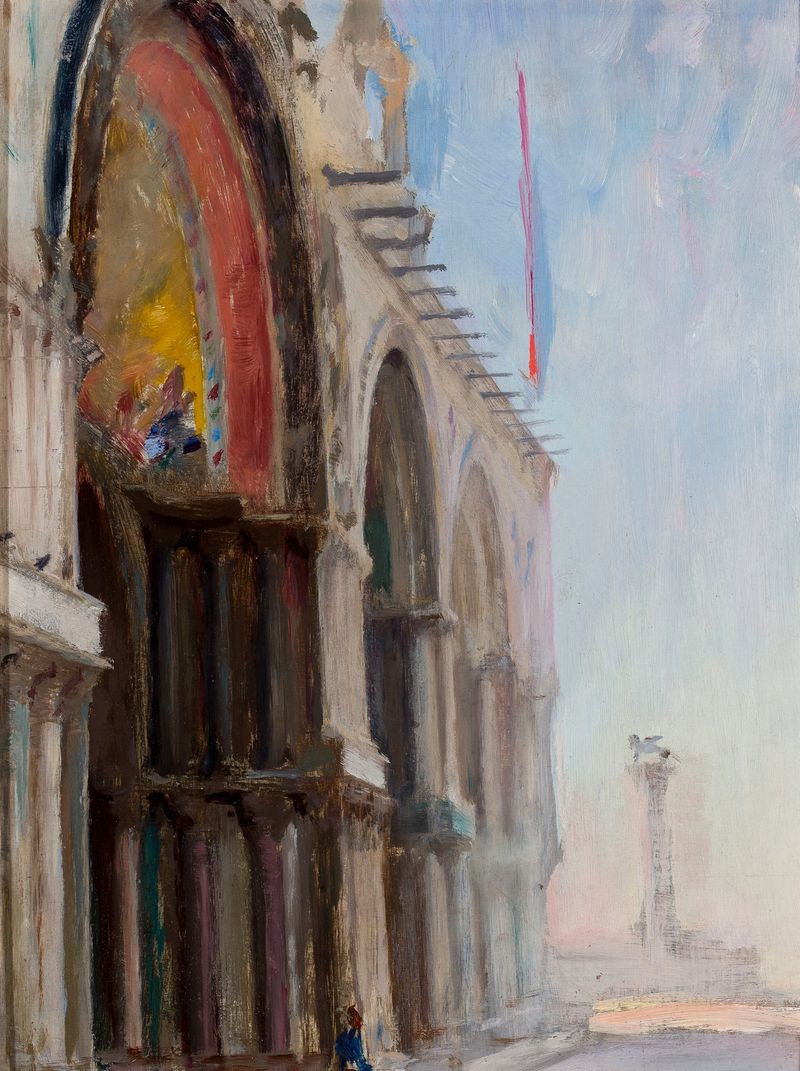
Venice – San Marco. From the journey to Italy
Jan Ciągliński
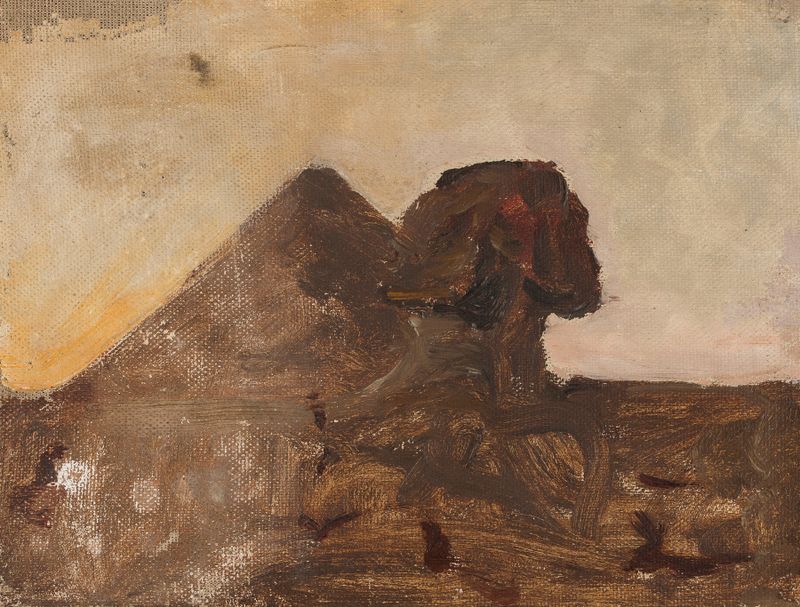
Evening in the desert – Sphinx and pyramid. From the journey to Egypt
Jan Ciągliński





