
Spectre — History & Facts
What secret hides in the quiet of the canvas? In a world where memories linger like shadows, the essence of the past beckons us to pay heed. Look to the center, where an ethereal figure emerges from a veil of soft, muted tones. The brushstrokes are delicate, almost ghostly, allowing light to seep through the layers of translucent color. Notice how the figure's form is suggested rather than defined, creating an enigmatic presence that captures the viewer's gaze.
The composition balances simplicity and depth, with wisps of color swirling around the figure, evoking a sense of nostalgia anchored in the unseen. Within this artwork lies a profound exploration of memory and loss. The spectral quality of the figure hints at the transient nature of existence, as if it is caught between the realms of the remembered and the forgotten. The color palette, dominated by cool blues and greys, amplifies the melancholic tone while inviting a reflective engagement.
The interplay of light and shadow serves to reinforce the tension between presence and absence, suggesting that what we often seek may be just beyond our grasp. Ernest Haskell created Spectre during a transformative period in early 20th-century art, between 1900 and 1925. Living in a time marked by rapid societal changes and the aftermath of war, Haskell's work mirrors the collective contemplation of memory and identity. As an established figure in the art community, he engaged with modernist ideas, blending traditional techniques with innovative approaches, which allowed him to craft this poignant meditation on the ephemeral nature of life.
More Artworks by Ernest Haskell
Browse all →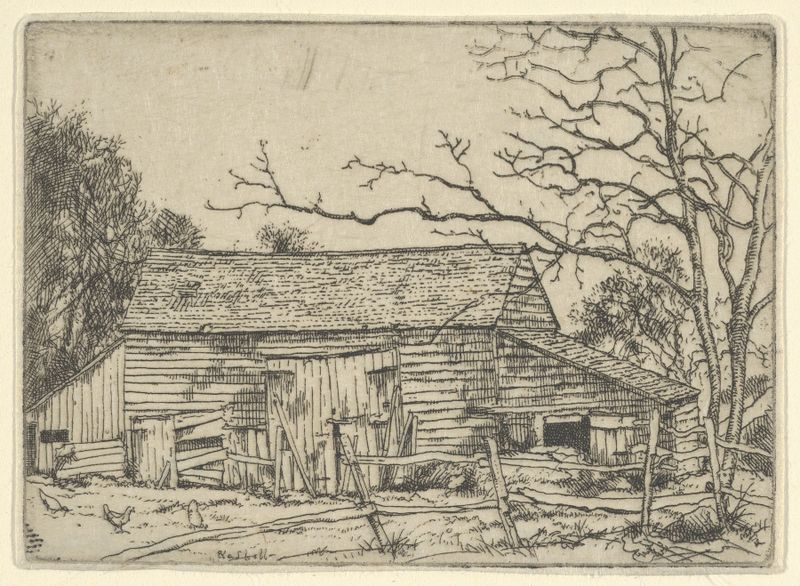
The Barn–Staten Island, N.Y.
Ernest Haskell

Four Live Oaks
Ernest Haskell
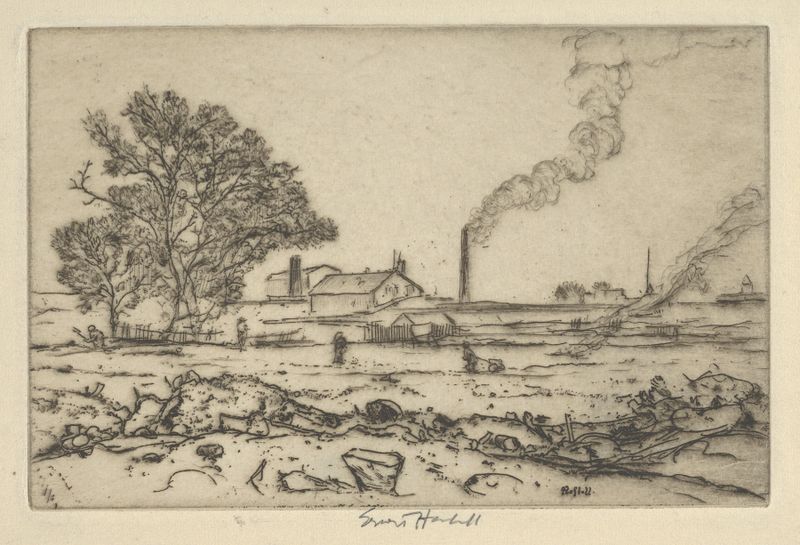
Outskirts of Boston
Ernest Haskell
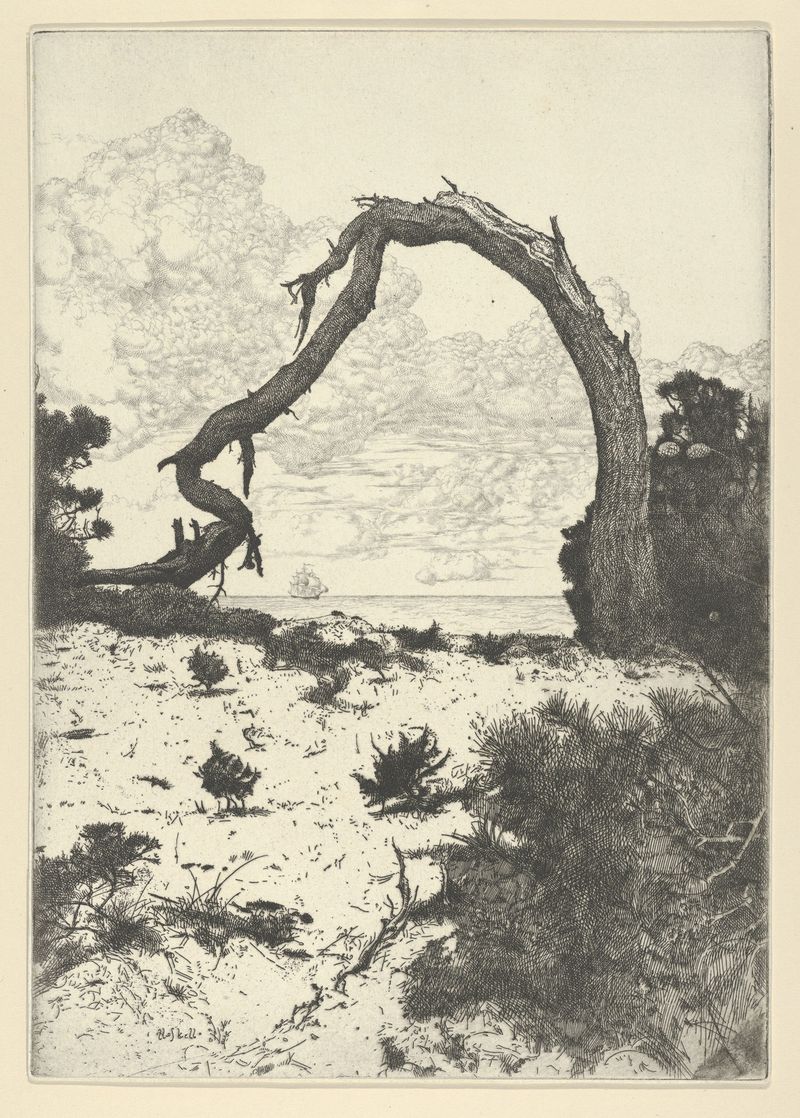
Pine Arch
Ernest Haskell

General Sherman
Ernest Haskell
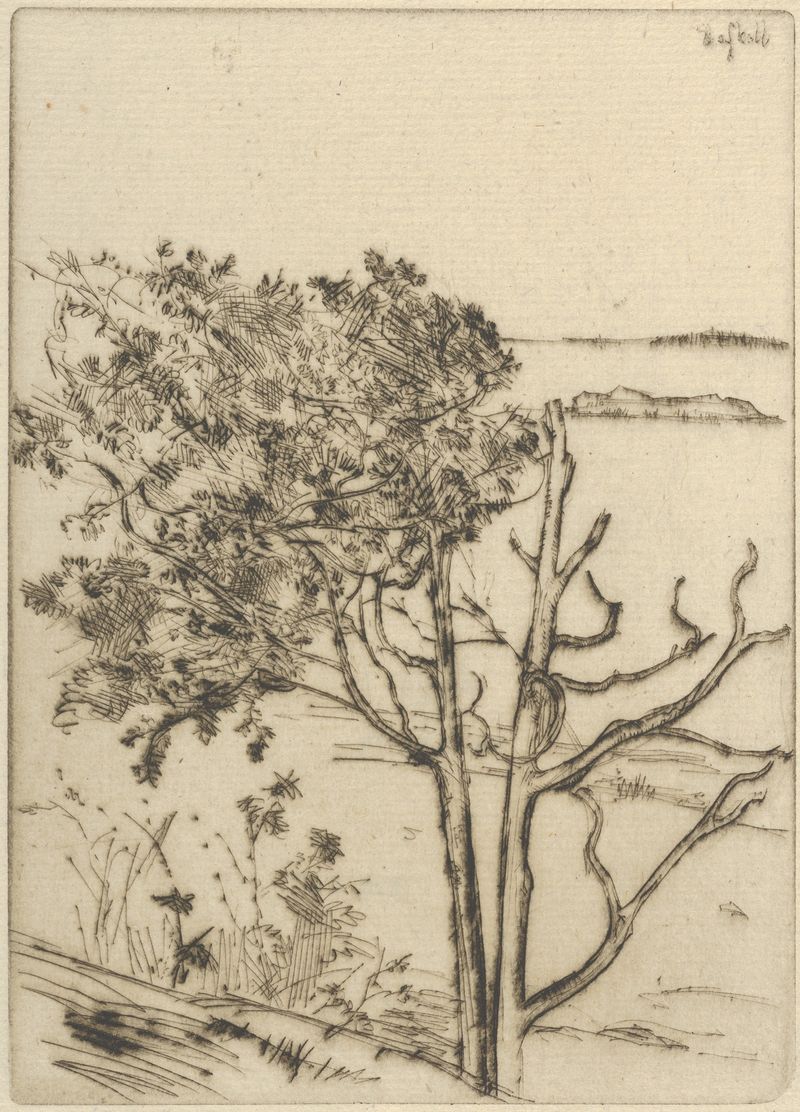
Ragged Tree – Maine
Ernest Haskell

Tide Mill
Ernest Haskell

Ship Building
Ernest Haskell
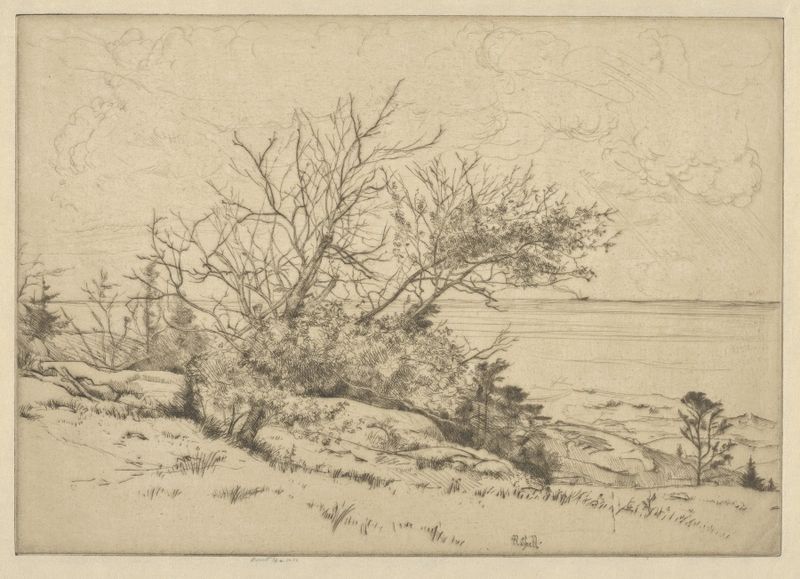
To the Southward – Ragged Island, Me.
Ernest Haskell
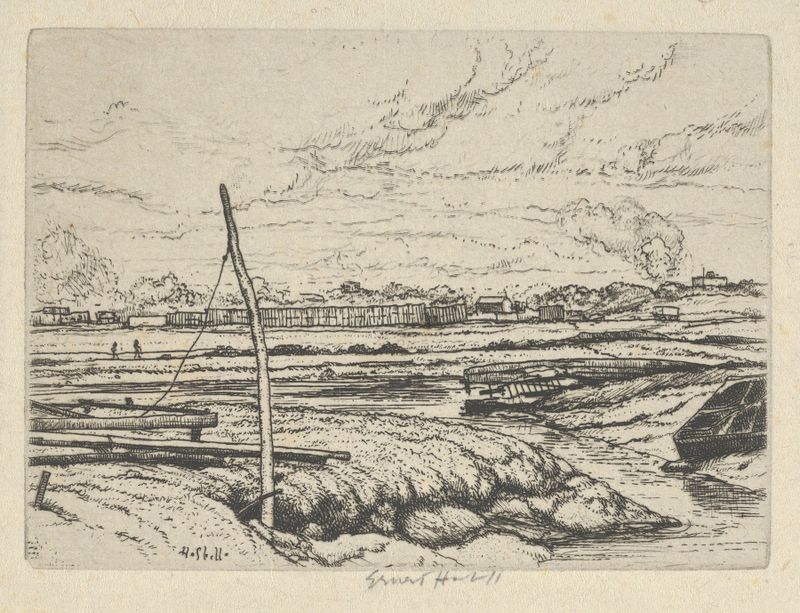
Long Island Marshes
Ernest Haskell





