
Spinnende boerin met een blank wapenschild — History & Facts
Could beauty survive in a century of chaos? The question lingers in the stillness of a painted moment, where serenity and turmoil intertwine, whispering the quiet strength of existence. Look to the left at the young woman, her delicate fingers spinning fibers with practiced ease. Her tranquil expression contrasts sharply with the ornate backdrop of her surroundings, which are richly embellished yet filled with a palpable tension. Notice how the light filters softly through the window, illuminating the wheel and her pale complexion, casting gentle shadows that dance upon the textured walls, creating an interplay of warmth and coolness.
The colors are muted yet vibrant, each hue reflecting the duality of her labor and the graceful beauty of her hands at work. Beneath the surface lies a poignant story. The spinning wheel, a symbol of domesticity, also hints at the labor and turmoil of daily life, particularly for women of the time. The white shield she holds is emblematic of purity, yet its polished surface reflects a world marked by uncertainty and conflict.
This tension between the serene act of spinning and the external chaos suggests a larger narrative about the resilience of beauty amidst hardship, a delicate balance that persists even in challenging times. The artist, known as Meester van het Amsterdamse Kabinet, painted this work between 1475 and 1480, during a period of significant social and political upheaval in Europe. Working in Holland, he was part of a vibrant artistic movement characterized by meticulous detail and a focus on everyday life. This piece encapsulates the era's complexity, where art became a refuge, offering glimpses of beauty and tranquility even as the world outside was fraught with uncertainty.
More Artworks by Meester van het Amsterdamse Kabinet
Browse all →
De Heilige Familie bij de rozenstruik
Meester van het Amsterdamse Kabinet

Hertenjacht
Meester van het Amsterdamse Kabinet
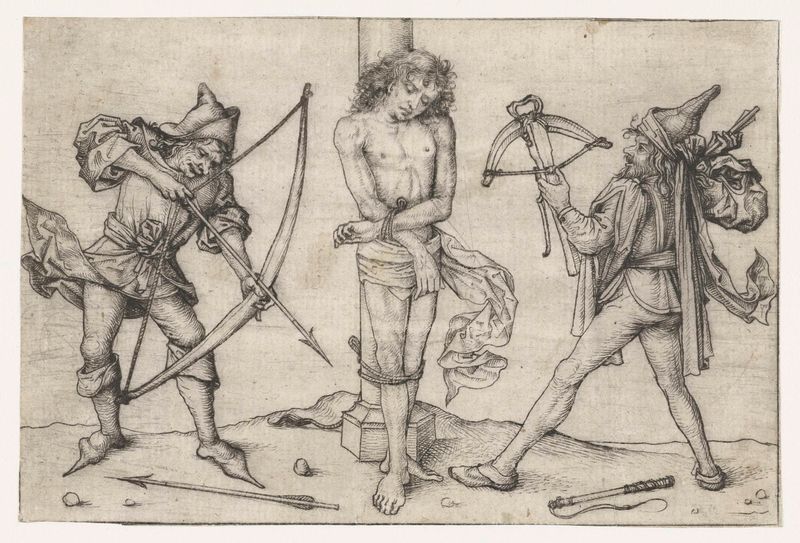
Heilige Sebastiaan met boogschutters
Meester van het Amsterdamse Kabinet

Het lichaam van Christus ondersteund door twee engelen
Meester van het Amsterdamse Kabinet

Heilige Anna-te-Drieën
Meester van het Amsterdamse Kabinet

Heilige Barbara (grote versie)
Meester van het Amsterdamse Kabinet
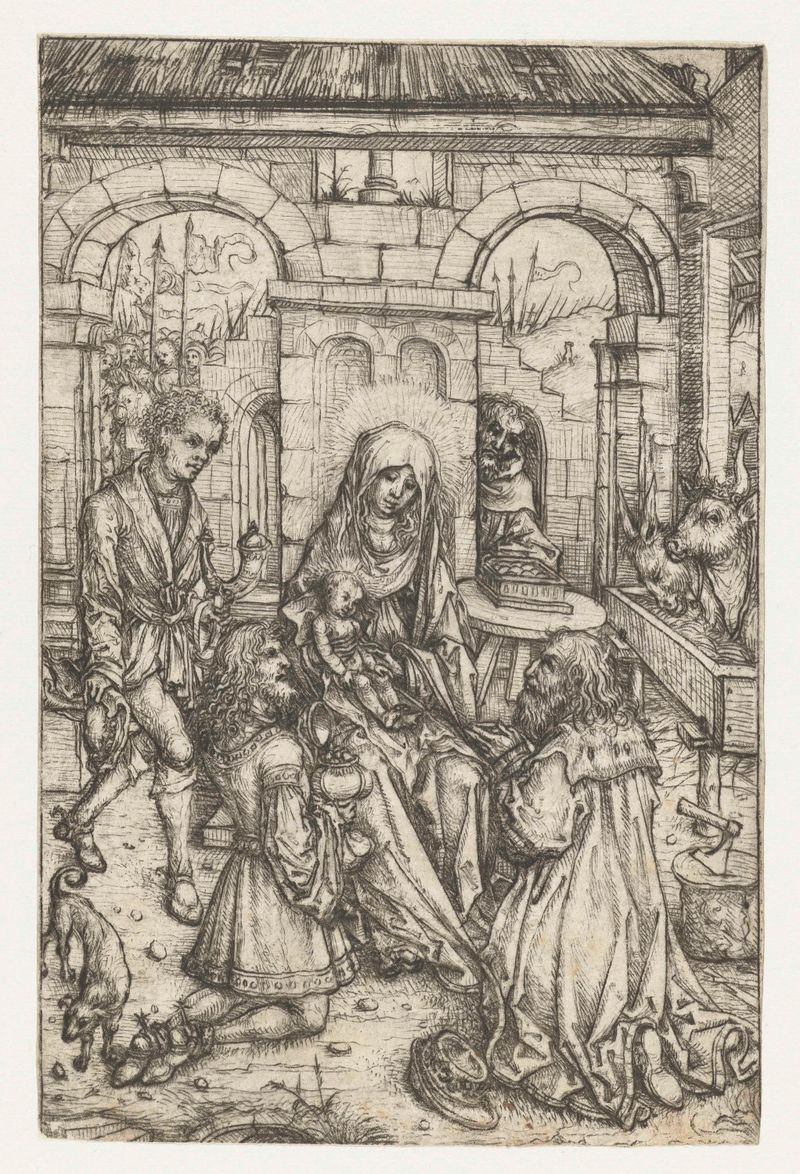
Aanbidding der koningen
Meester van het Amsterdamse Kabinet
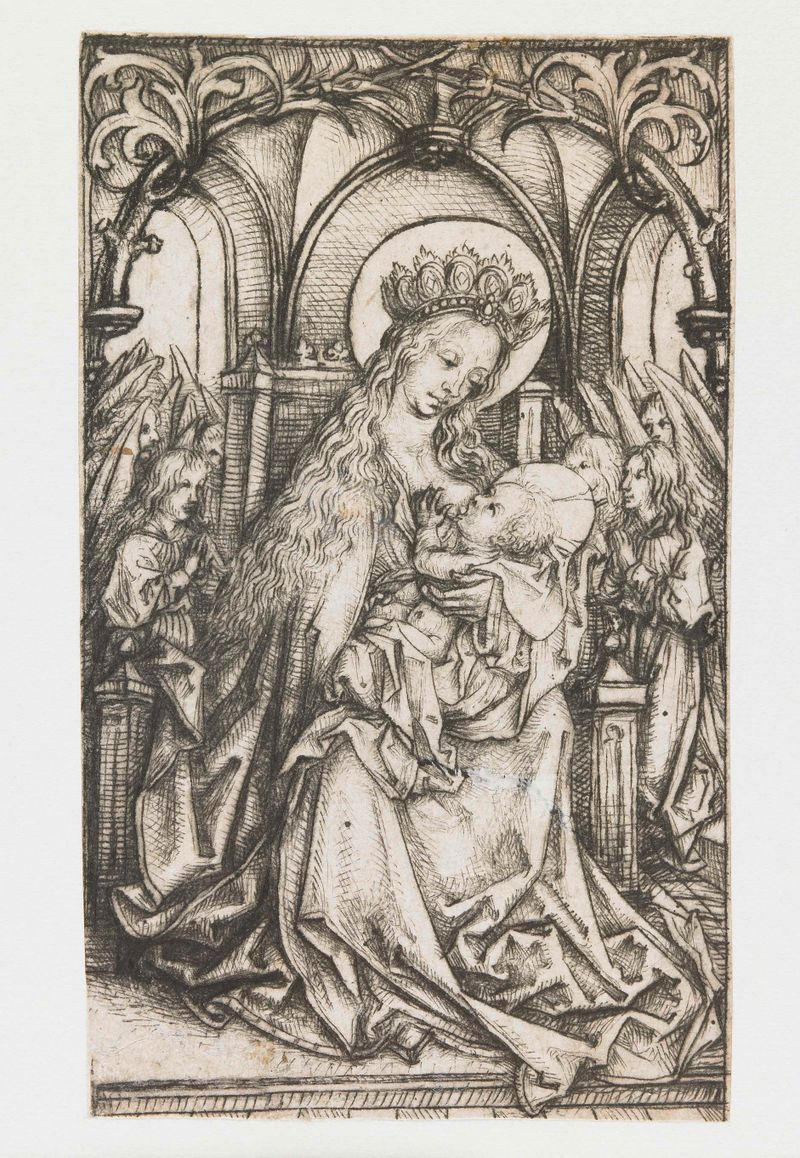
Tronende Madonna door engelen aanbeden
Meester van het Amsterdamse Kabinet

Het zegenend Christuskind
Meester van het Amsterdamse Kabinet
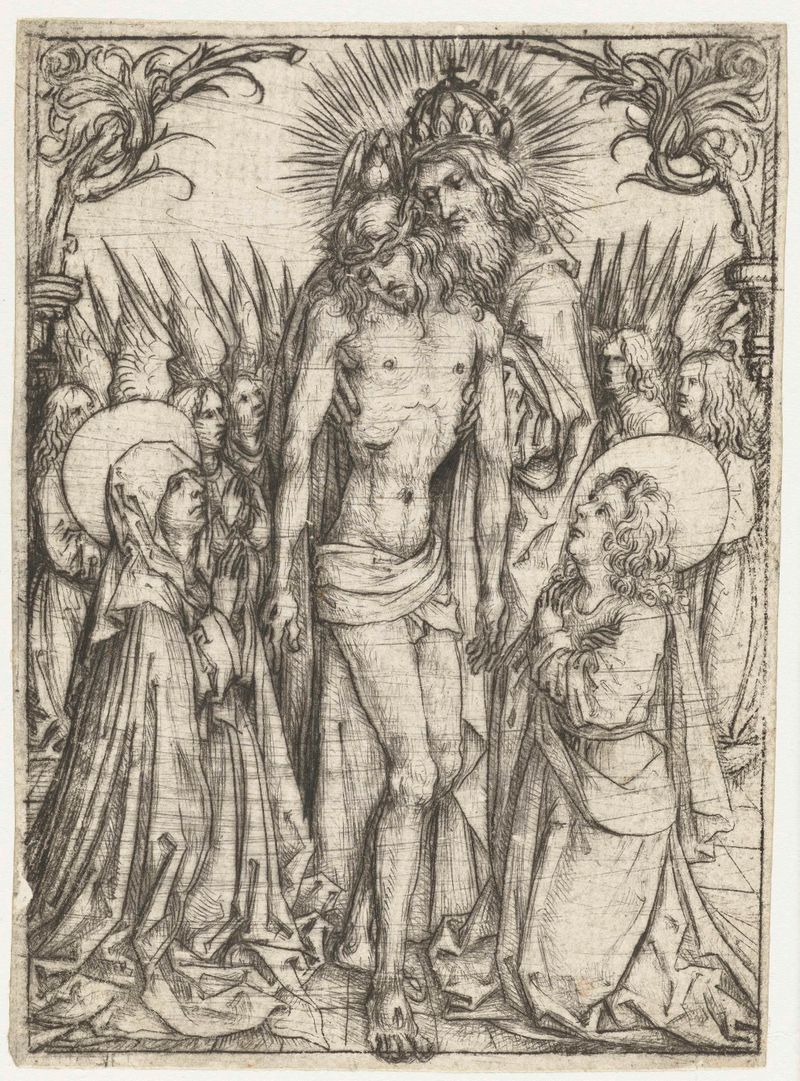
Aanbidding van de Heilige Drieëenheid door Maria, Johannes de Evangelist en engelen
Meester van het Amsterdamse Kabinet





