Spoorwegbrug bij Zutphen — History & Facts
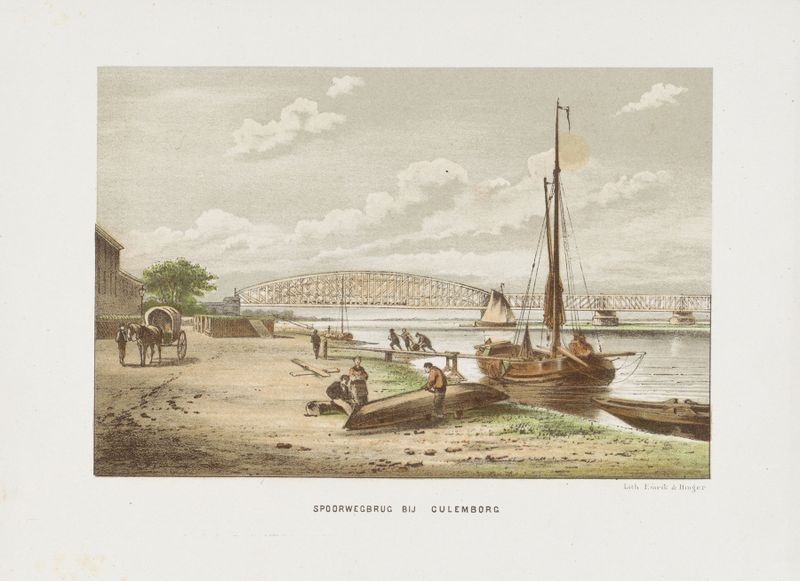
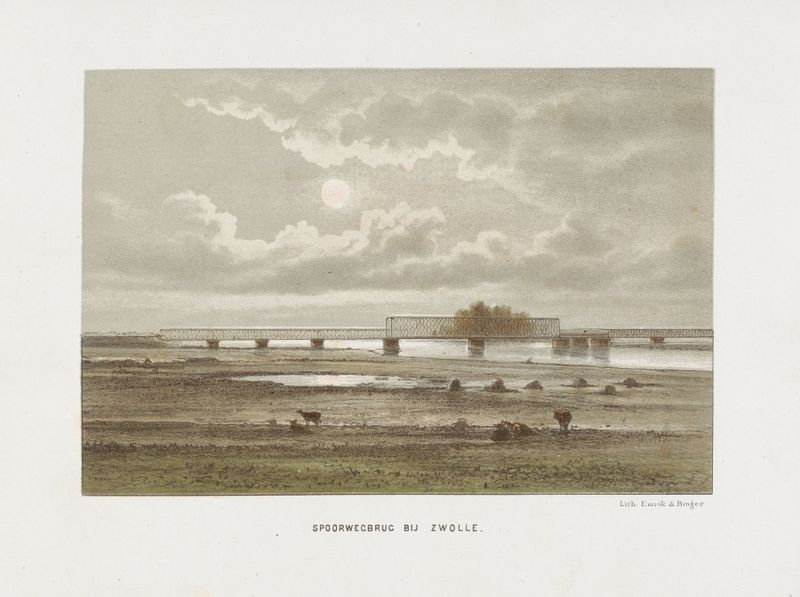
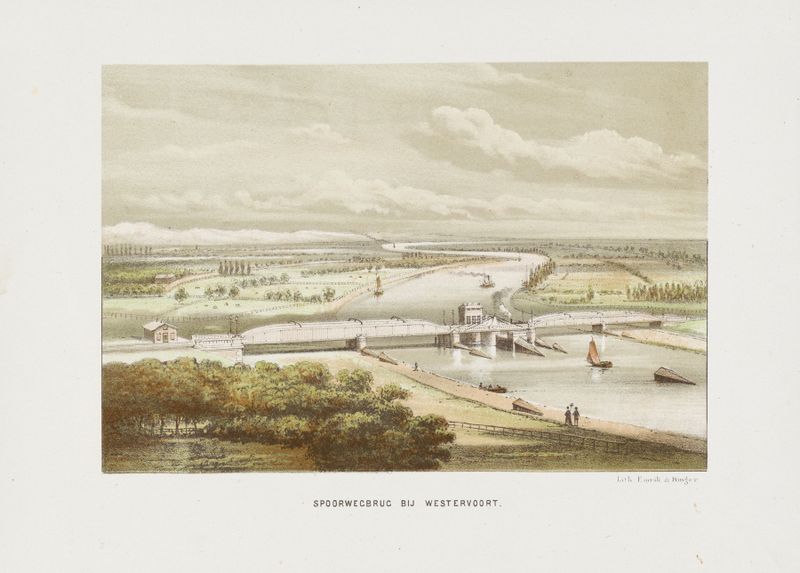
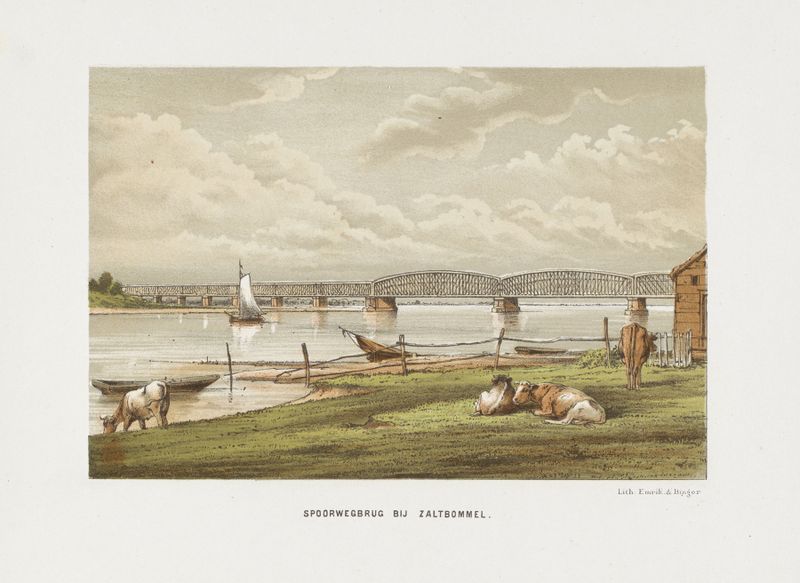
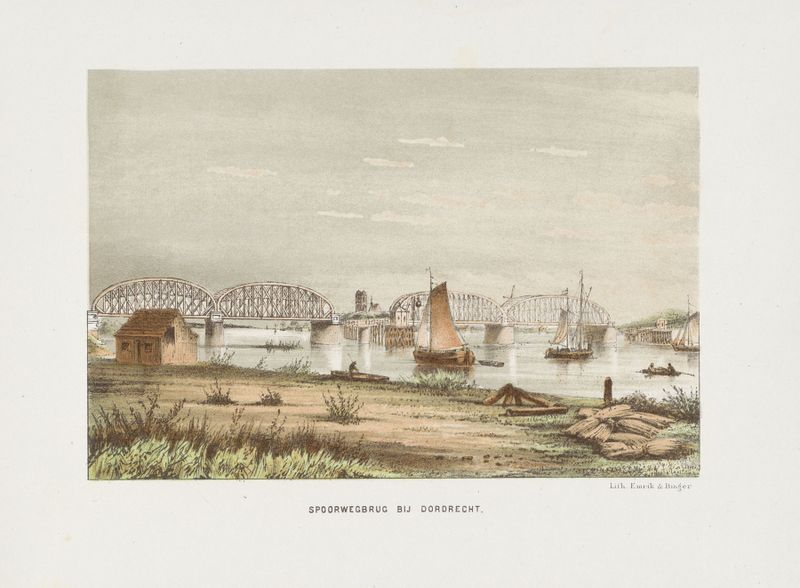
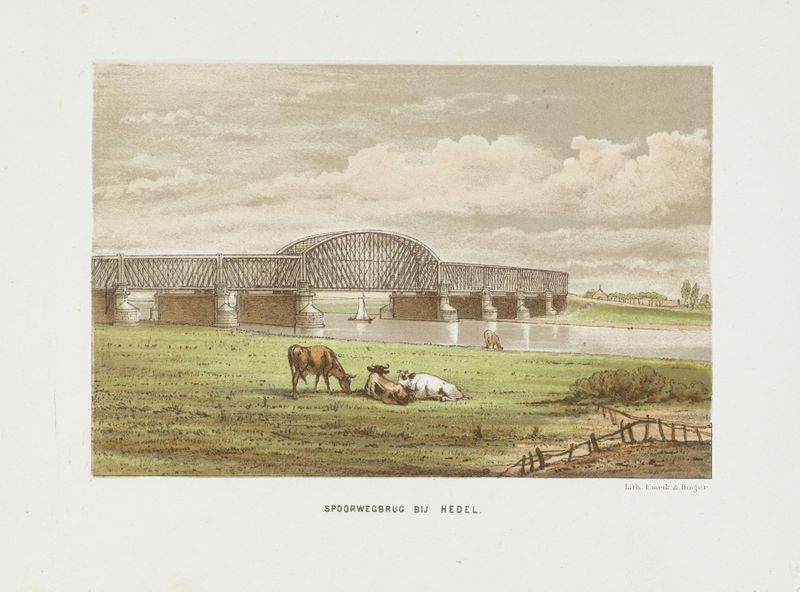
What secret hides in the quiet of the canvas? In the stillness of Spoorwegbrug bij Zutphen, a bridge stands like a solemn sentinel, whispering the sorrows of both time and place. Focus first on the bridge itself, stretching across the canvas, its iron structure etched against the backdrop of a muted sky. The colors are subdued—grays and greens merge, evoking a sense of nostalgia, while soft brushstrokes give the scene a dreamlike quality. Look closely at the water below; its gentle ripples mirror the somber mood, hinting at the passage of time and the weight of untold stories. Beneath this tranquil surface lies a deeper emotional current.
The bridge, often a symbol of connection, here suggests separation and loss, perhaps reflecting the grief of those who once crossed it, now forever distant. The desolate landscape surrounding the structure amplifies this feeling, evoking a quiet mourning for what has been lost to the relentless march of industrial progress. The absence of figures further accentuates this narrative of isolation, inviting the viewer to ponder the lives that once animated this setting. Created between 1872 and 1874, the work reflects a period of transformation in the Netherlands, where rapid industrialization was reshaping the landscape.
Emrik & Binger, known for their attention to detail and atmospheric effects, painted this piece during a time of personal and societal change, mirroring the tension between nature and modernity in their artistic vision.