Spoorwegbrug bij Hedel — History & Facts
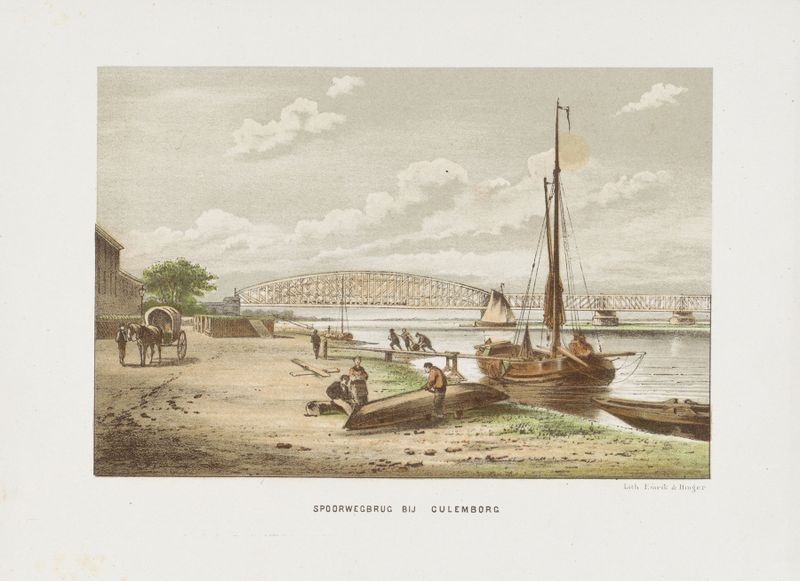
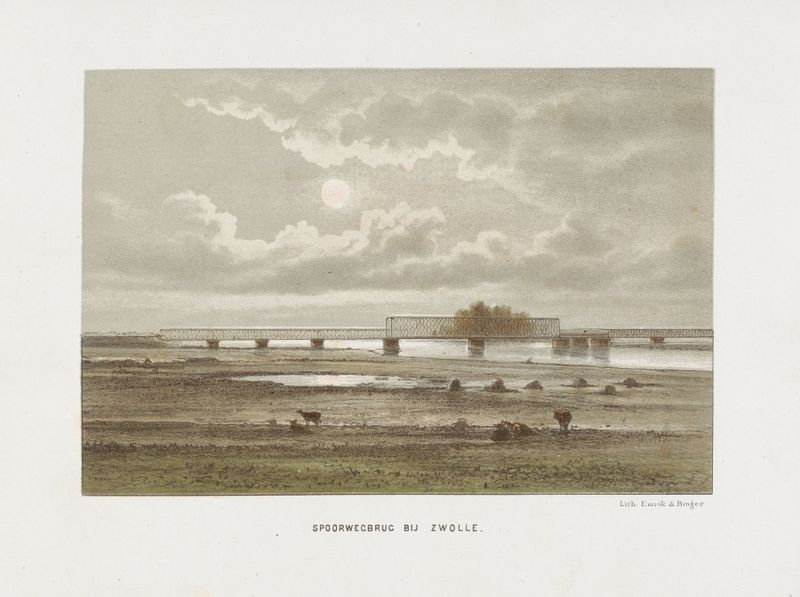
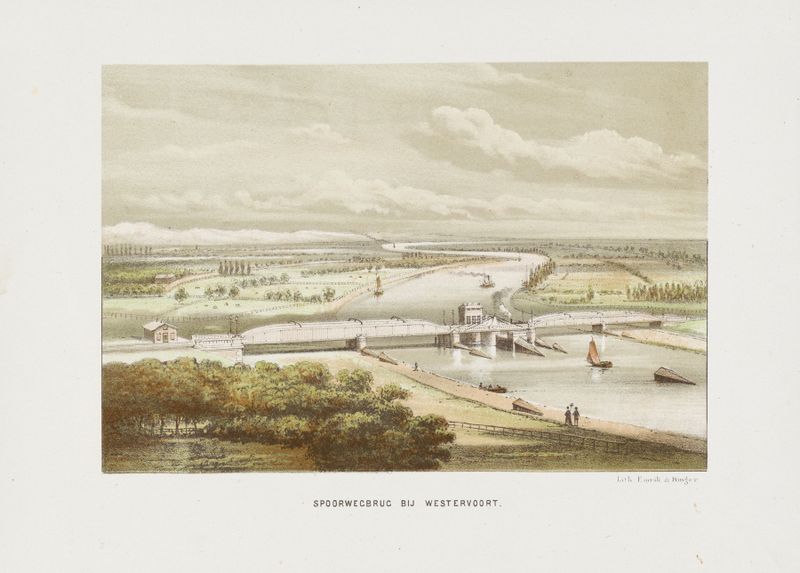
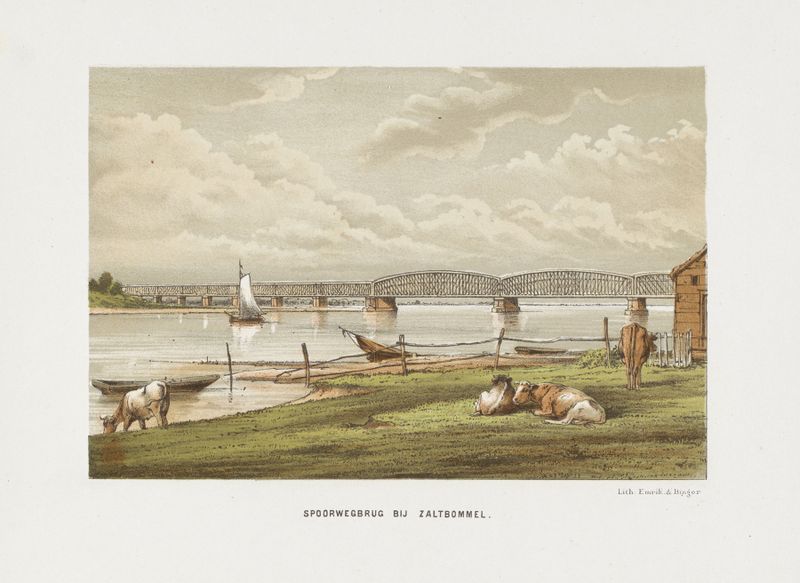
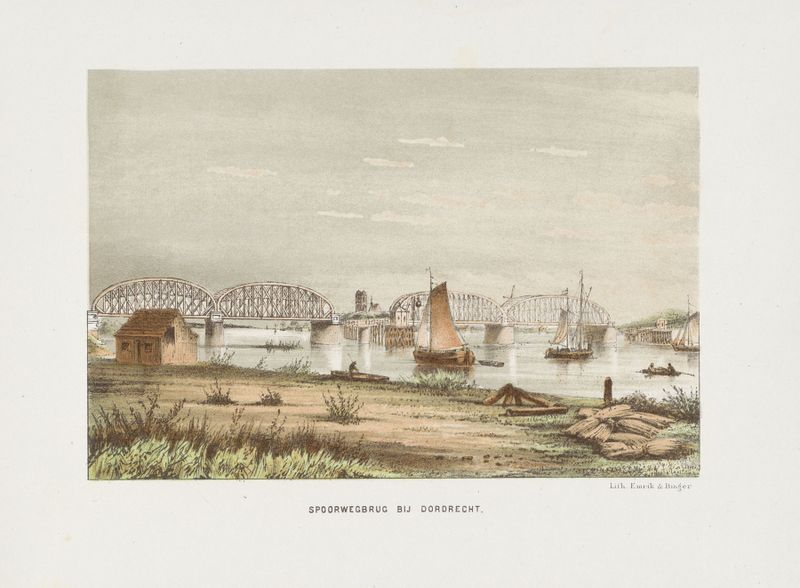
This sentiment lingers in the air like the mist that often shrouds historical moments, inviting reflection on the legacies we leave behind. Look closely at the intricacies of Spoorwegbrug bij Hedel; first, observe the bridge that commands the landscape. Its sturdy arches reach across the canvas, a testament to both human ingenuity and nature's endurance. Notice how the muted tones of the sky whisper against the deeper greens and browns of the earth, a balance struck between the man-made and the organic.
The brushwork is meticulous, with every stroke contributing to the texture of the bridge and the gentle ripples in the water below. Beneath the surface lies a dialogue between the ephemeral and the eternal. The bridge, a symbol of connection, hints at the relationships forged through journeys, while the tranquil setting reflects the passage of time—unchanging yet ever-evolving. Look to the contrasting light that filters through the clouds, casting shadows that evoke a sense of nostalgia, reminding viewers of moments lost yet preserved through art. Created between 1872 and 1874, this work emerged during a period of significant industrial expansion in the Netherlands.
Emrik & Binger, partners in their artistic endeavors, captured the essence of progress while reflecting on the implications of modernization. In their quest to document the world around them, they contributed to a broader narrative that questioned what it means to build a legacy amid the relentless march of change.