
Spotted Hyena — History & Facts
In Spotted Hyena, the viewer is greeted by a striking depiction of the animal. The painting showcases the hyena's distinctive spotted coat, rendered in earthy tones of browns and yellows. The background is minimal, allowing the viewer to focus on the hyena's expressive features and posture.
The overall composition conveys a sense of realism and attention to detail. The painting is executed in oil on canvas, a medium that allows for rich texture and depth. The brushwork is meticulous, capturing the unique patterns of the hyena's fur with precision. The dimensions are approximately 60 x 80 cm, making it a medium-sized work that invites close examination.
The naturalistic style reflects the artist's interest in wildlife and his dedication to accurate representation. Charles Hamilton Smith was known for his detailed studies of animals, particularly in the context of natural history. Spotted Hyena is an example of his commitment to portraying wildlife with scientific accuracy. Interestingly, Smith was also an illustrator for various natural history publications, which influenced his approach to painting.
This work exemplifies his ability to blend art with scientific observation.
More Artworks by Charles Hamilton Smith

Marengo, Bonaparte’s Arab
Charles Hamilton Smith
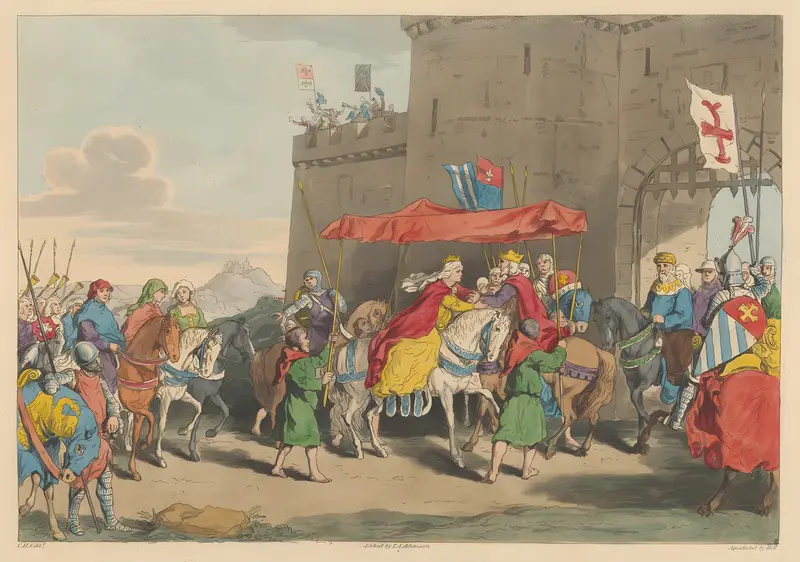
Costume of the Reign of King Henry III
Charles Hamilton Smith
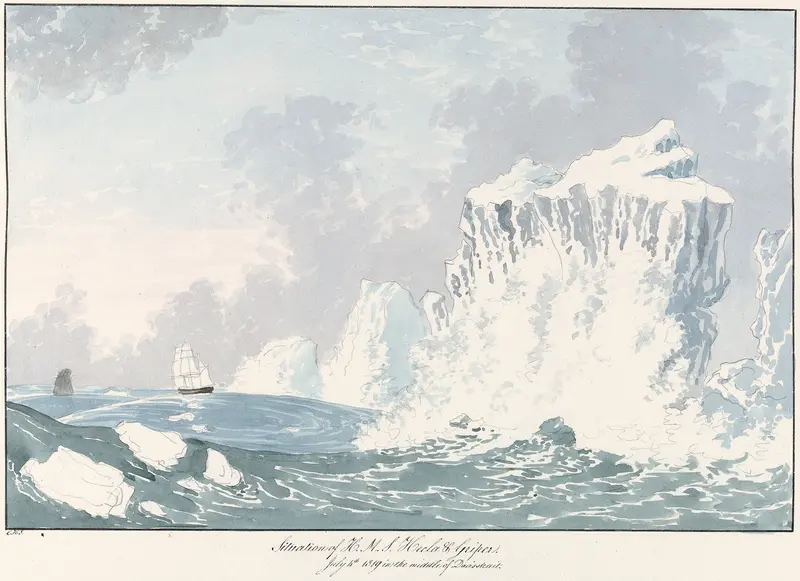
Situation of H.M.S. Hecla & Griper
Charles Hamilton Smith
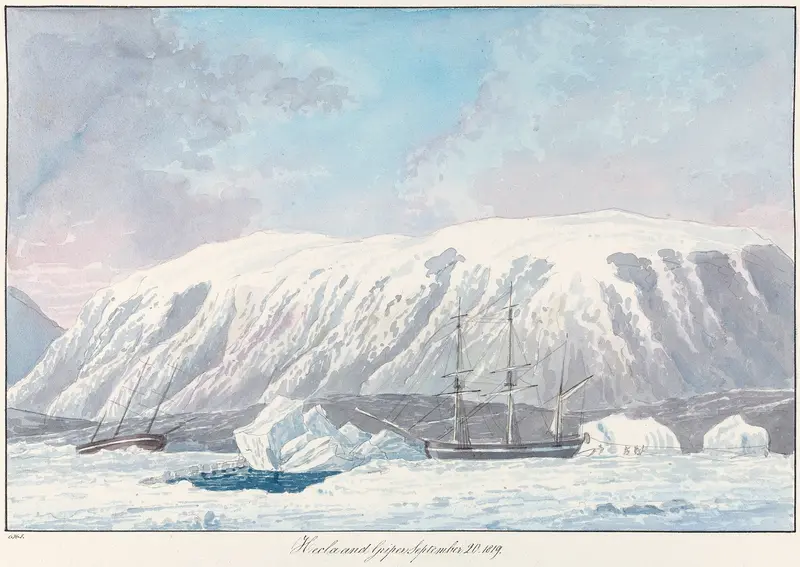
Hecla and Griper
Charles Hamilton Smith
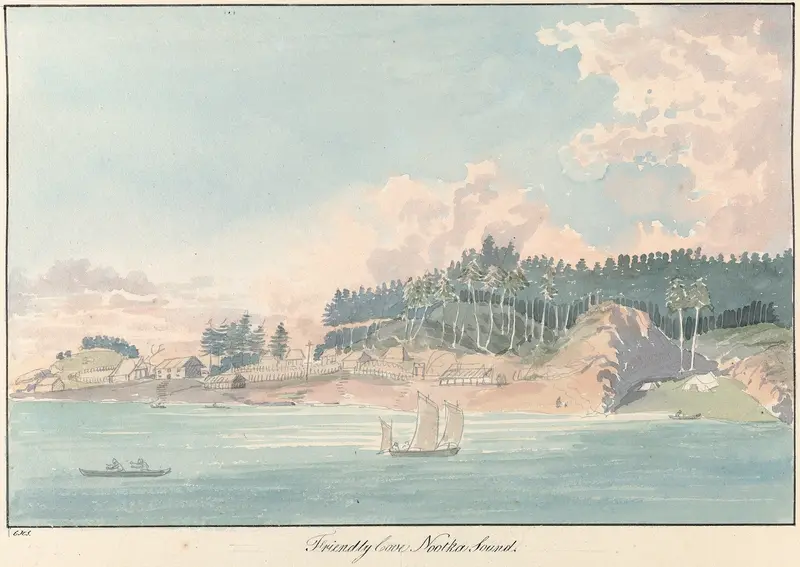
Friendly Cove, Nootka Sound
Charles Hamilton Smith
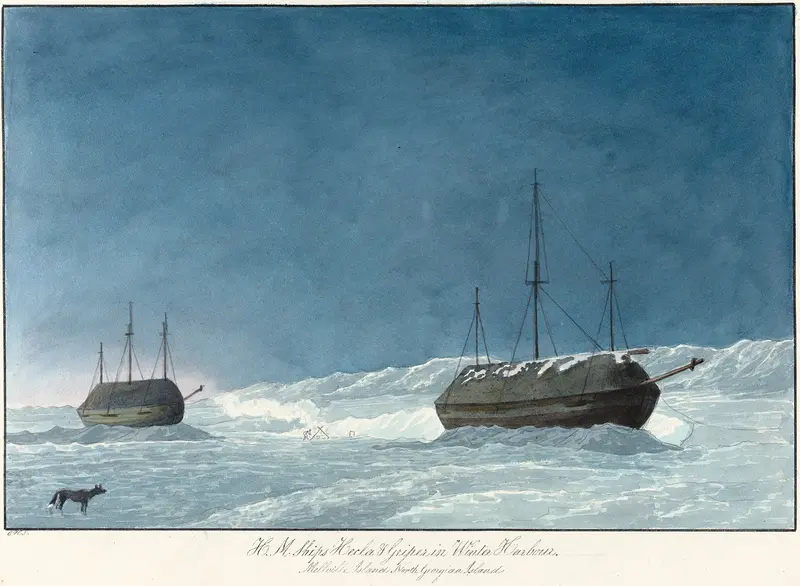
H. M. Ships Hecla and Griper in Winter Harbour
Charles Hamilton Smith
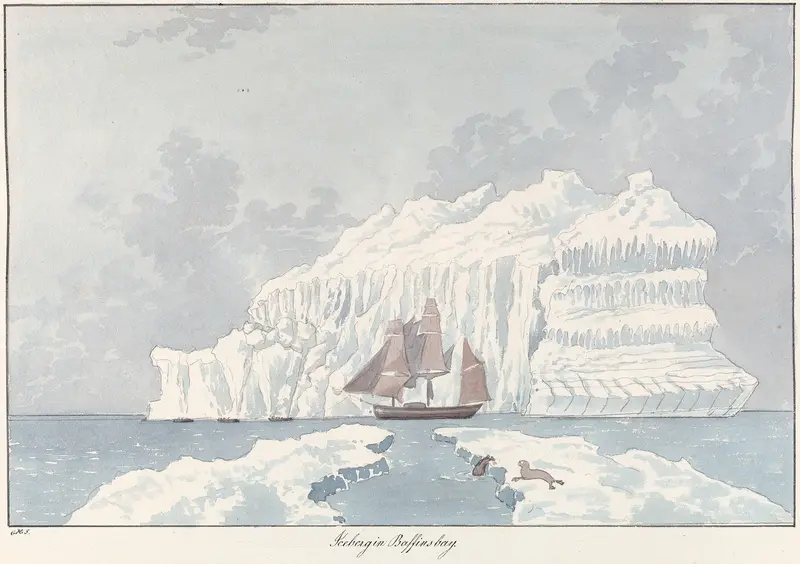
Iceberg in Baffin’s Bay
Charles Hamilton Smith
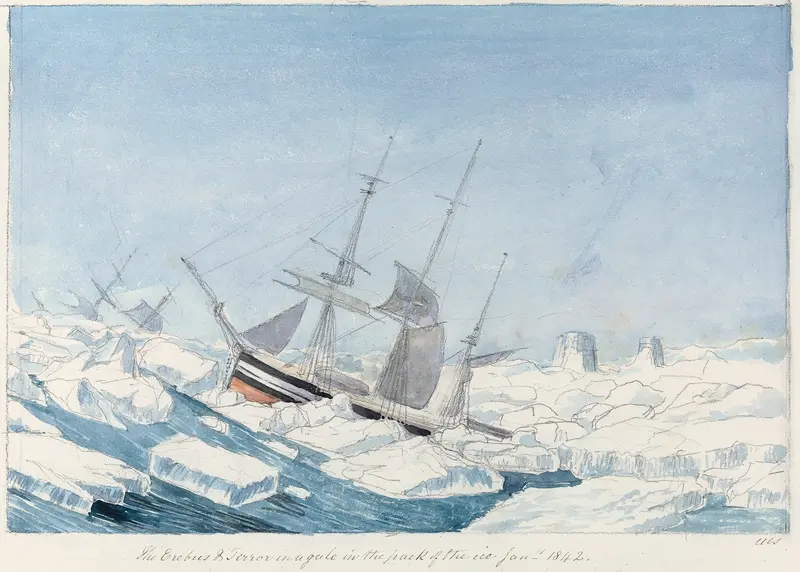
The Erebus & Terror in a Gale in the Pack of the Ice
Charles Hamilton Smith
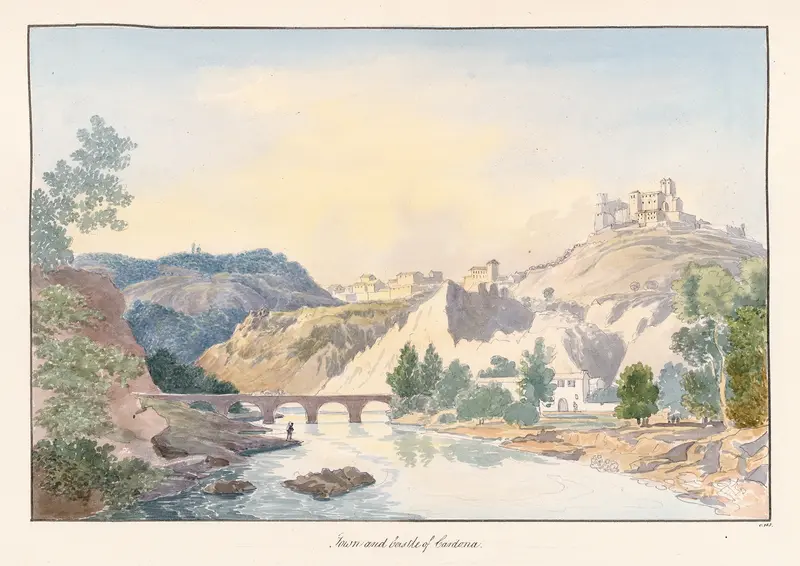
Town and Castle of Cardona
Charles Hamilton Smith
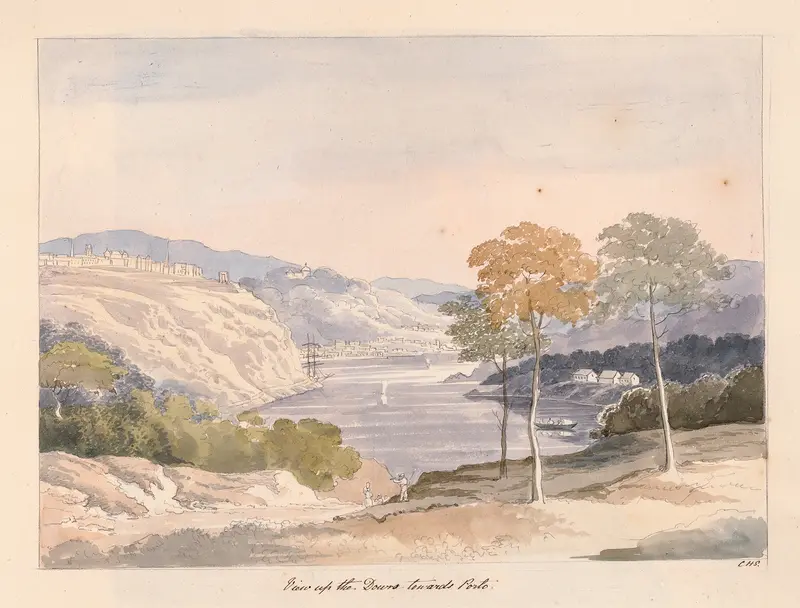
View of the Douro towards Porto
Charles Hamilton Smith





