Spreng=Holz — History & Facts
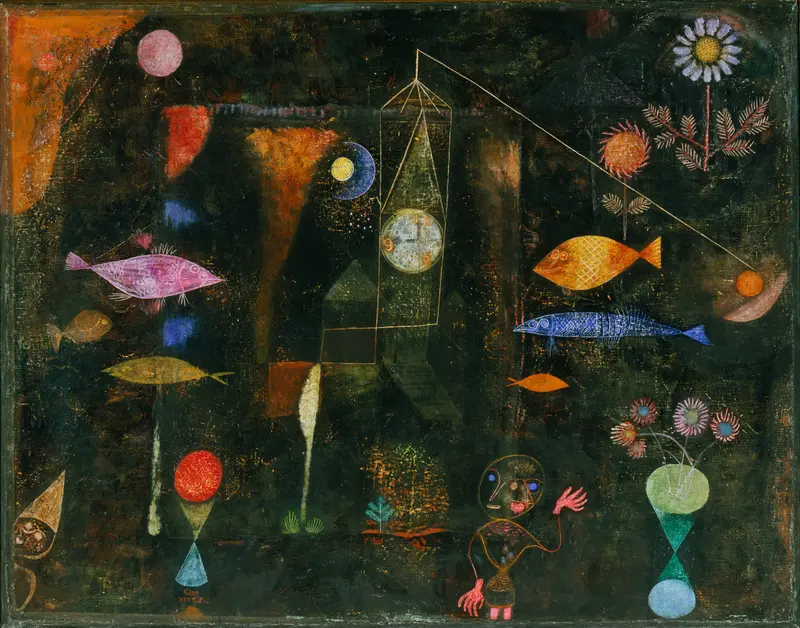
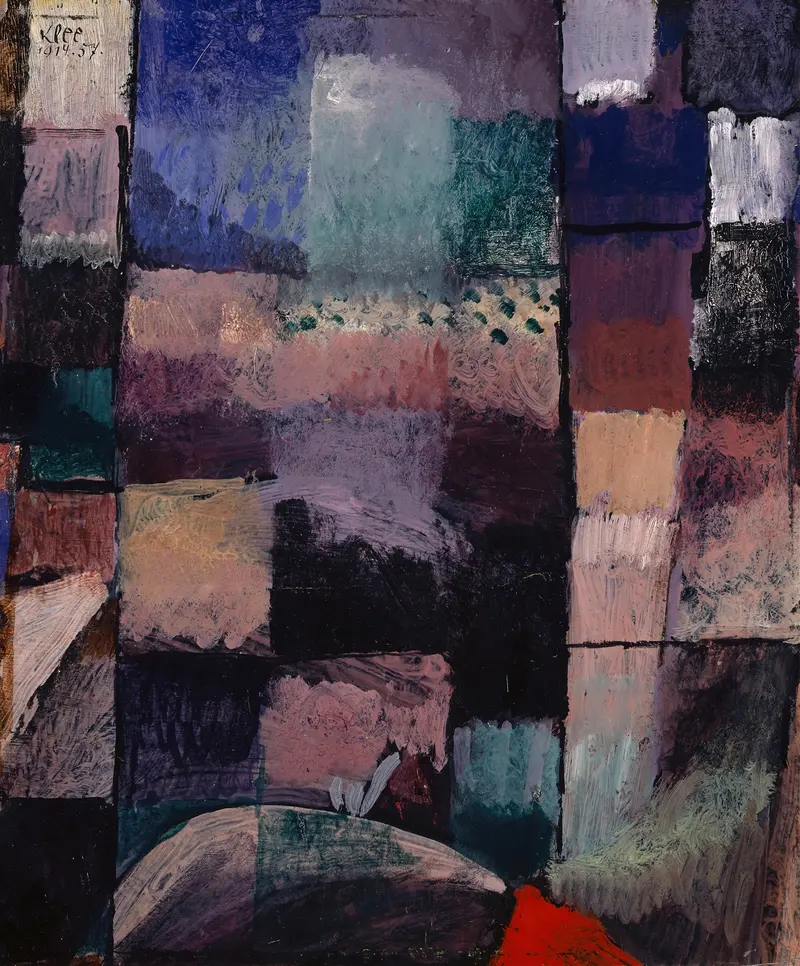
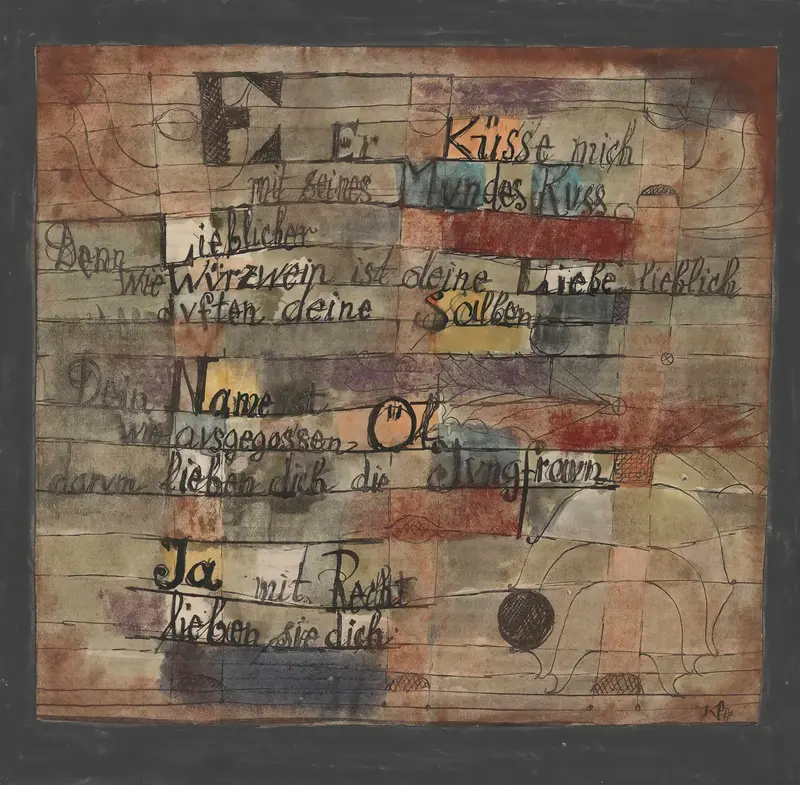
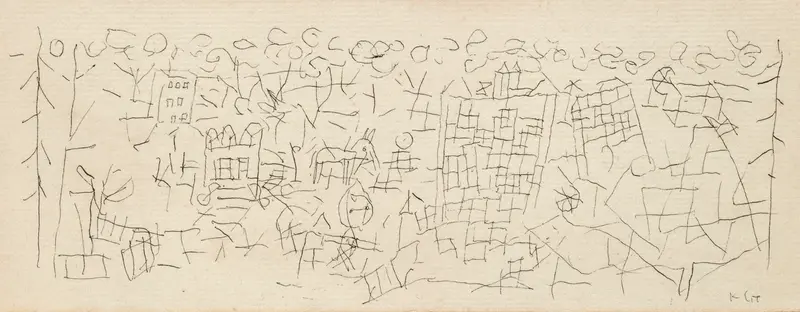
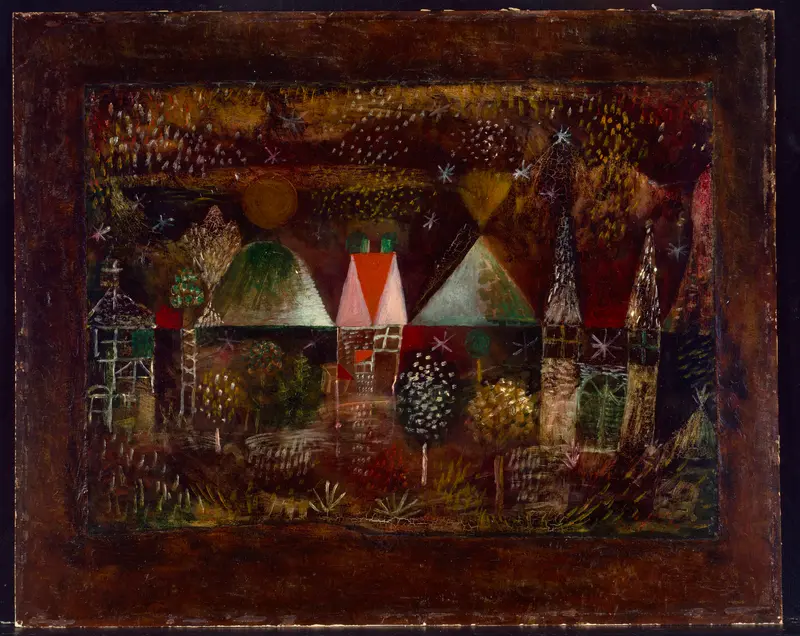
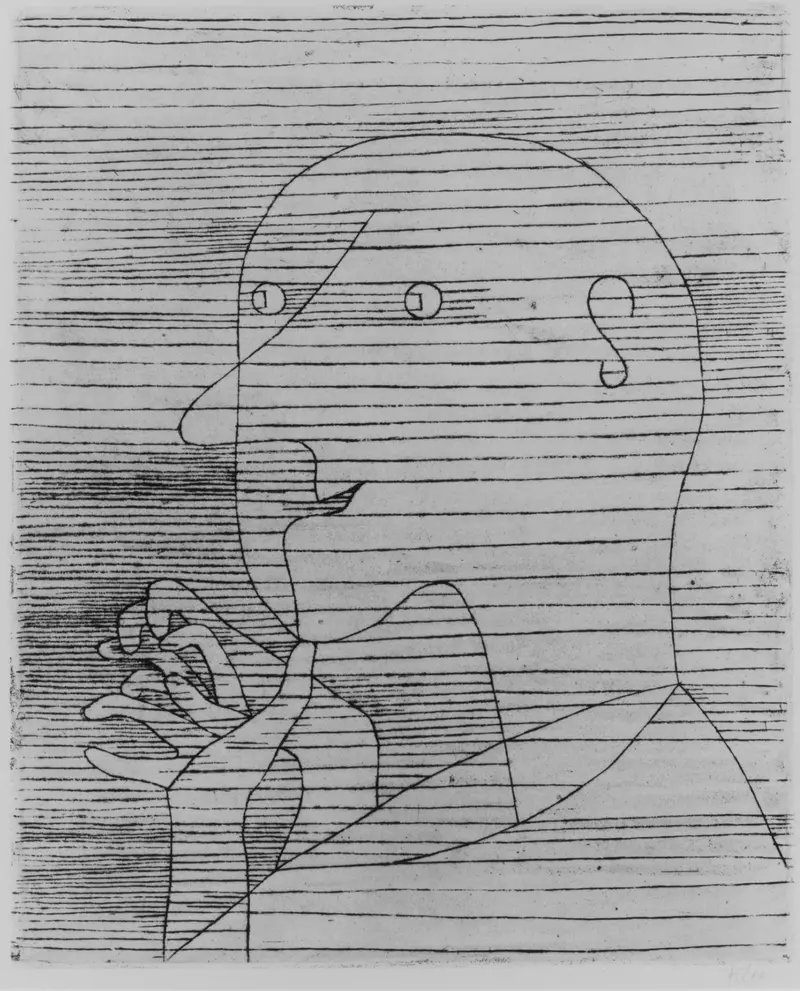
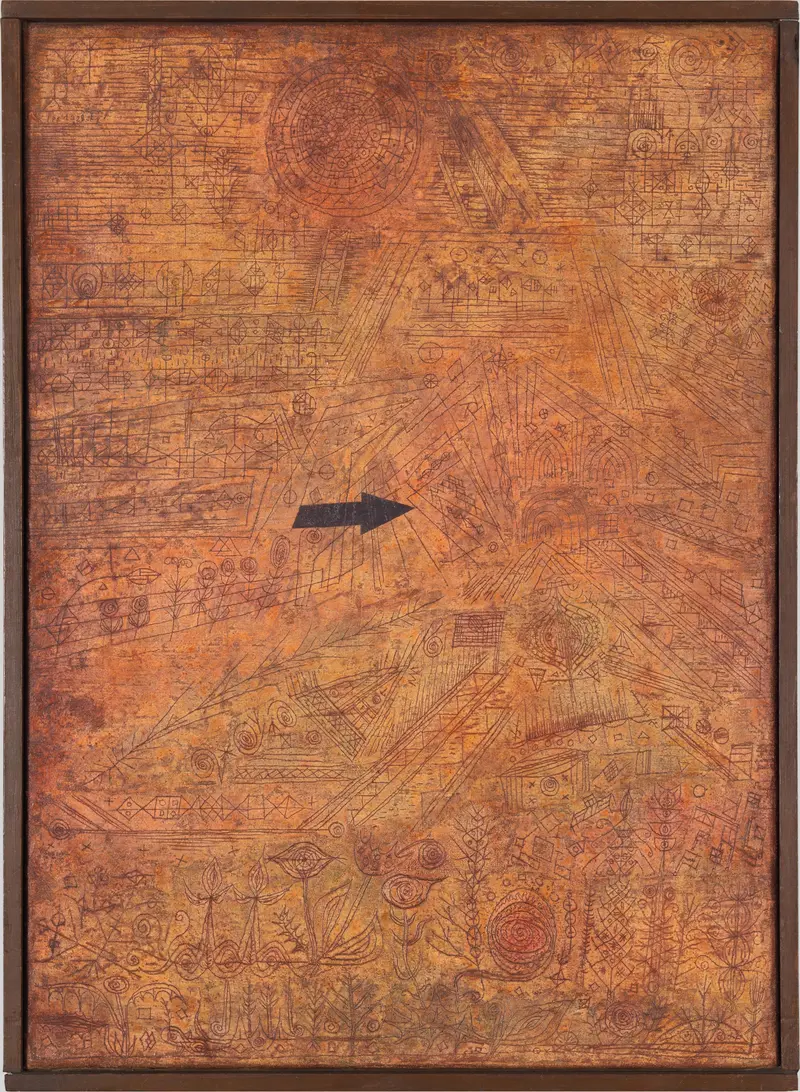
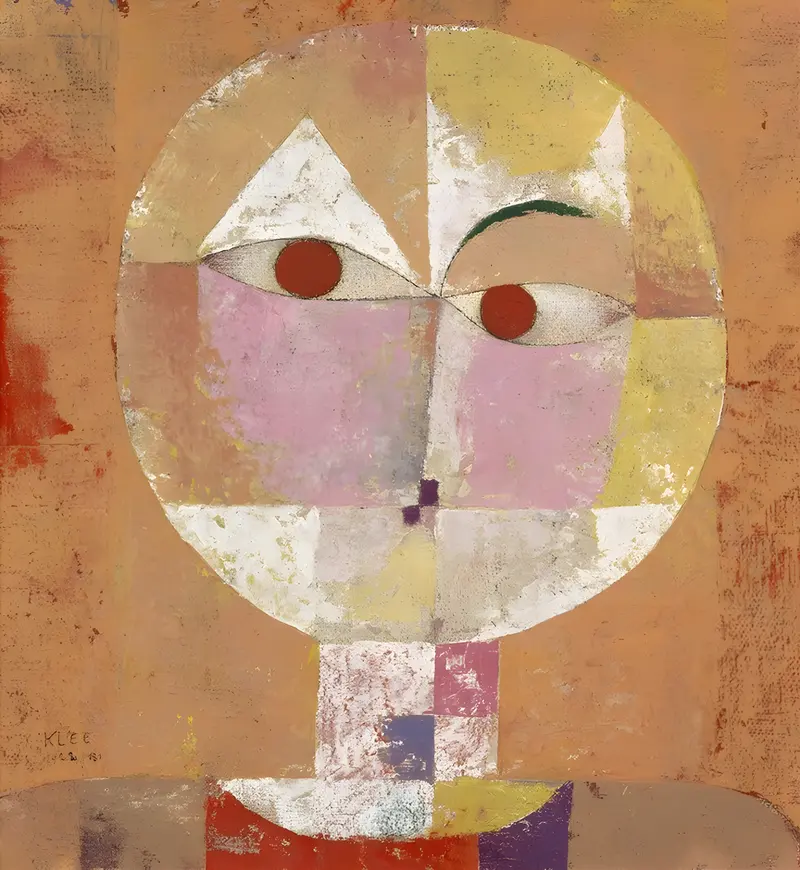
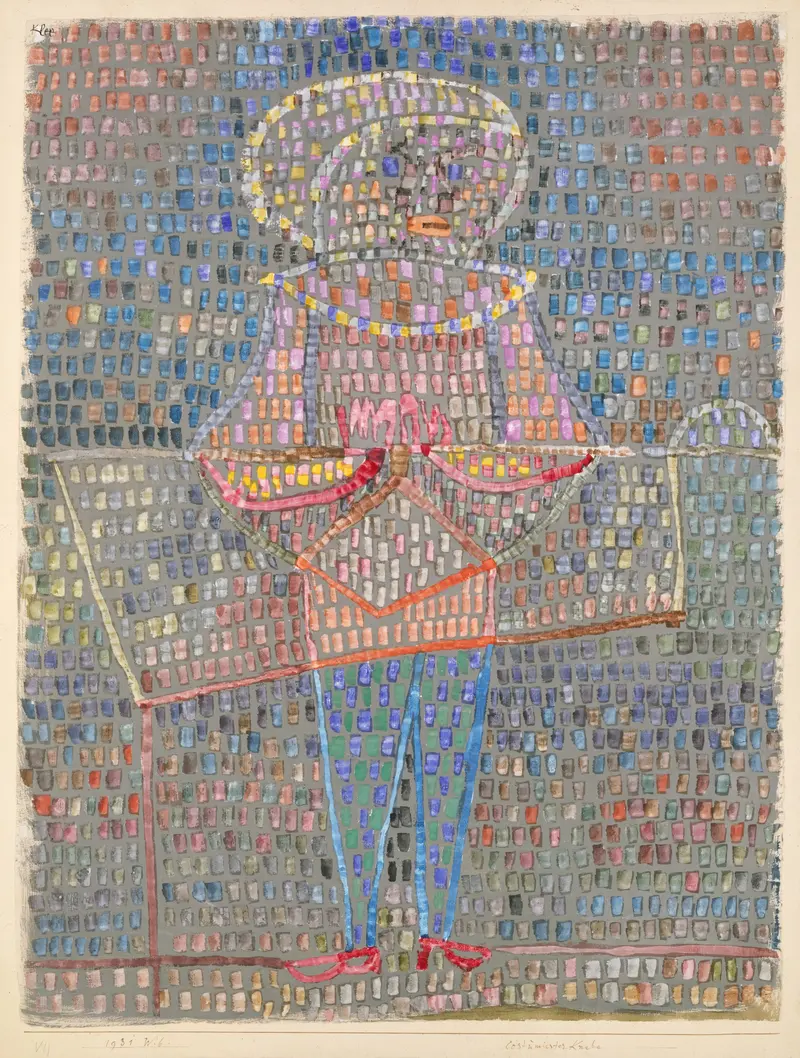
In Spreng=Holz, Paul Klee uses a vibrant palette of colors, including reds, blues, and yellows. The composition features abstract shapes that seem to dance across the canvas. These forms are layered and interwoven, creating a sense of movement.
The overall effect is lively and engaging, inviting the viewer to explore the relationships between the colors and shapes. The painting is characterized by its use of bold colors and geometric forms, typical of Klee's style. The brushwork is expressive, with visible strokes that add texture to the surface. The arrangement of shapes creates a dynamic composition that draws the eye in various directions.
This work exemplifies Klee's interest in abstraction and the emotional power of color. Paul Klee was a key figure in the development of modern art, known for his unique blend of abstraction and expression. Spreng=Holz reflects his fascination with the interplay of color and form. Interestingly, this work was created during a period when Klee was experimenting with new techniques and ideas.
His innovative approach continues to influence artists today.