
Spring — History & Facts
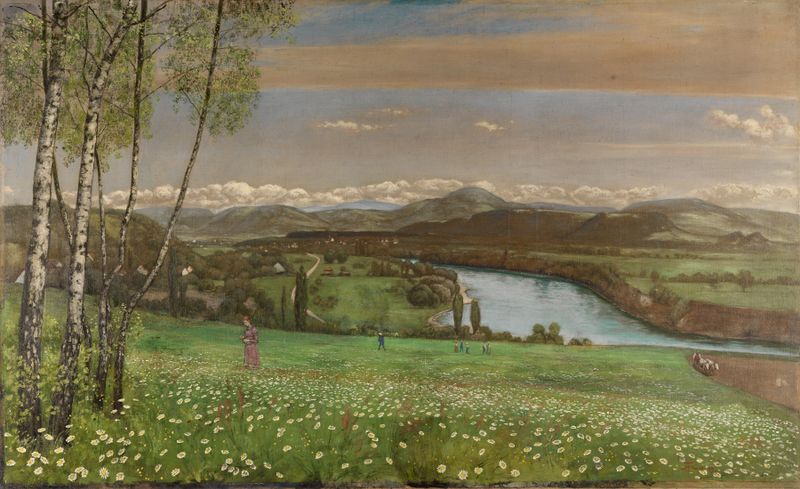
When did color learn to lie? A silence lingers in the air, pregnant with the promise of rebirth and renewal, yet fraught with the weight of untold stories. Look to the left at the vibrant greens, where new leaves unfurl like whispered secrets, an invitation to spring’s awakening. The sun breaks through a gentle haze, illuminating a tranquil landscape where soft pastels mingle with deep earth tones, creating a symphony of life. Notice how the brushstrokes dance with a delicate rhythm, each stroke a testament to the artist’s hand, capturing the essence of nature’s exuberance while grounding it in serene composure. The juxtaposition of light and shadow in this piece evokes a sense of duality—a celebration of life alongside a quiet introspection.
The distant mountains stand as silent guardians over the scene, suggesting the passage of time as they loom in the background. Details such as the subtle flutter of a bird caught mid-flight or the unhurried movement of a grazing animal hint at a world alive yet serene, where vibrancy exists alongside stillness. In 1873, Hans Thoma created Spring during a time of personal growth and exploration in the arts. He was deeply influenced by the beauty of the Black Forest region in Germany, where he spent much of his life.
The painting reflects the artist's engagement with nature and his desire to express the tranquility found within it, amidst the shifting paradigms of the art world that were beginning to embrace more emotional and impressionistic approaches.
More Artworks by Hans Thoma
Browse all →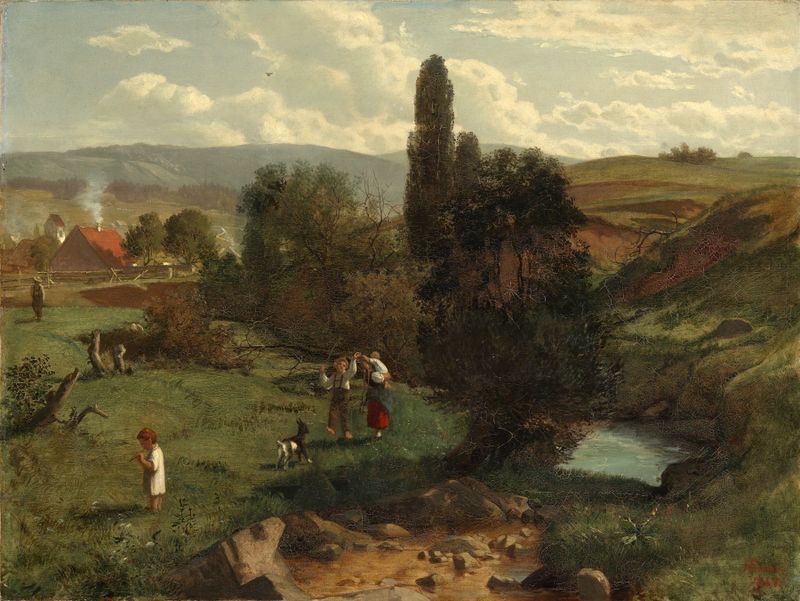
Schwarzwaldlandschaft
Hans Thoma
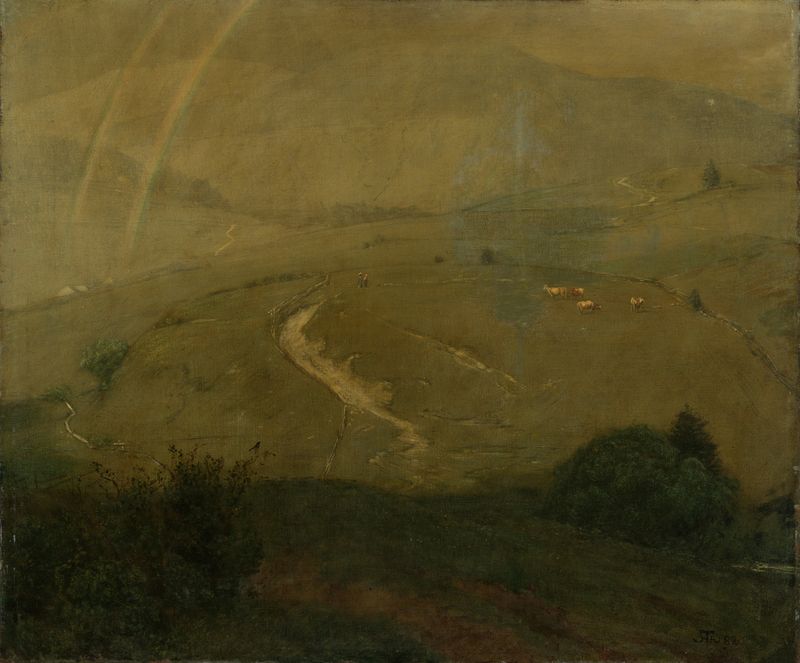
Regen im Schwarzwald
Hans Thoma
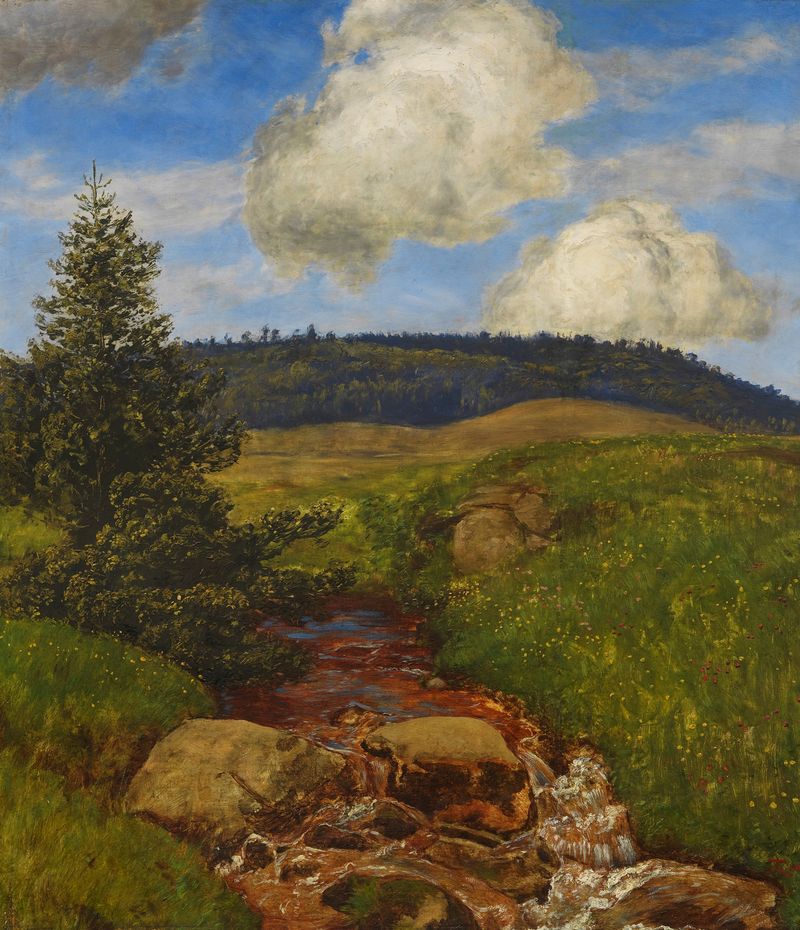
Schwarzwaldbach
Hans Thoma
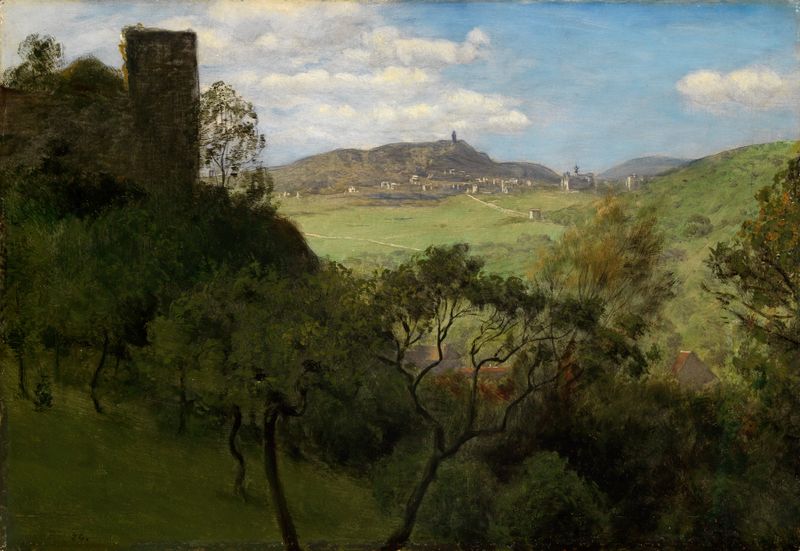
Blick auf Falkenstein im Taunus
Hans Thoma
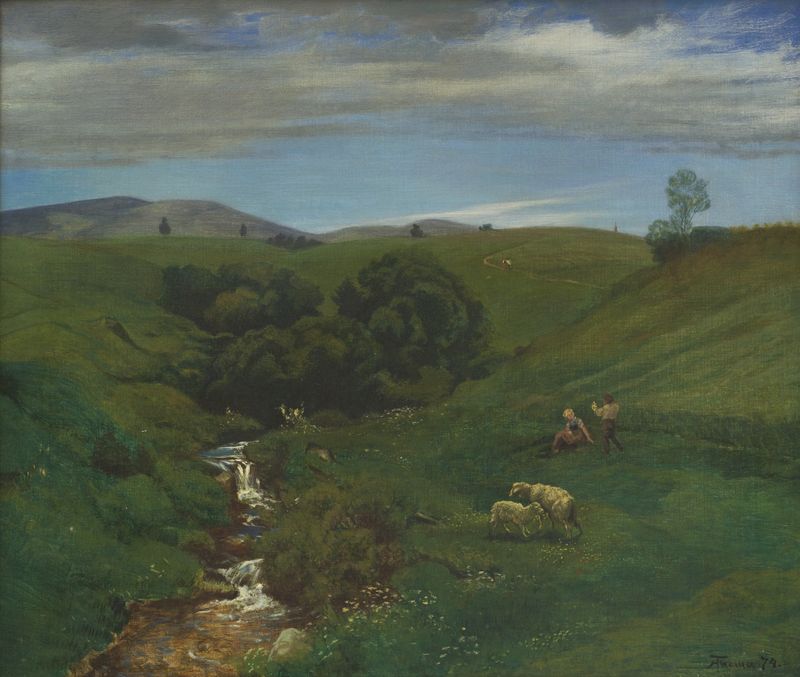
Black Forest Meadow near Bernau
Hans Thoma
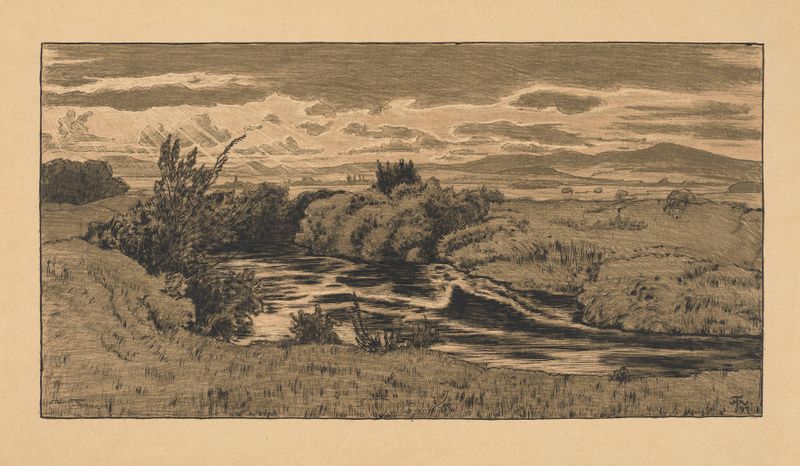
Evening by the Nidda River
Hans Thoma
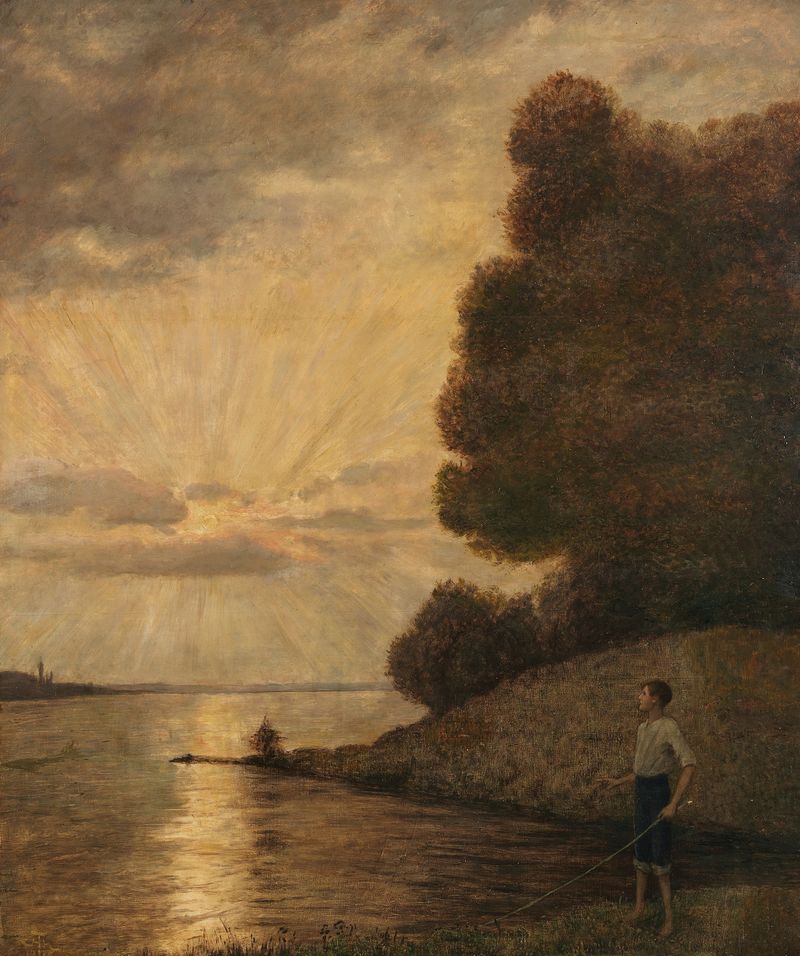
Sonnenuntergang am Oberrhein
Hans Thoma
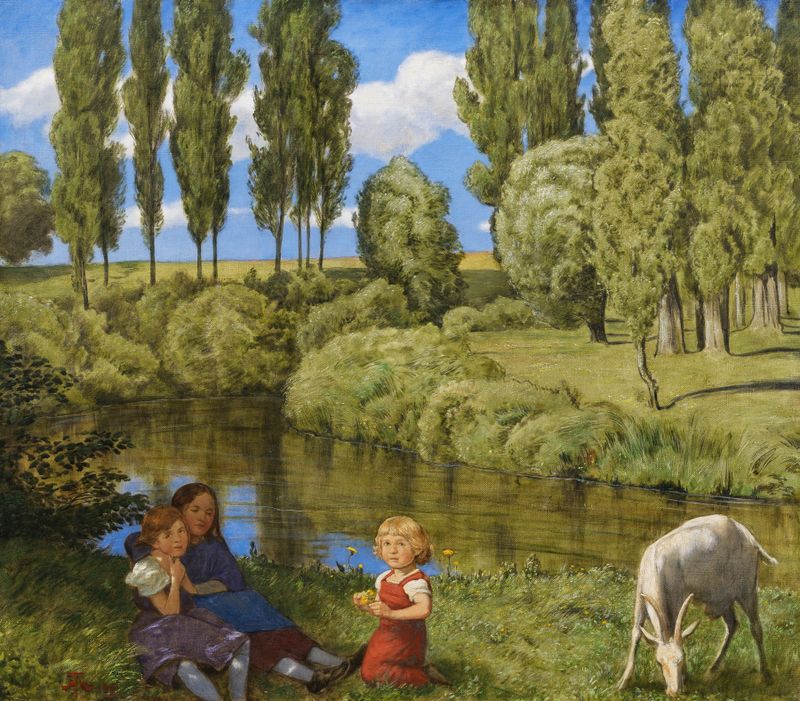
Am Stillen Bach
Hans Thoma
Der Abendstern
Hans Thoma
Das Rheintal bei Säckingen
Hans Thoma





