
Spring rain at the Gokokuji Temple — History & Facts
Is this a mirror — or a memory? In the delicate interplay of shadow and light, Spring rain at the Gokokuji Temple captures a moment suspended between reality and reflection, where nature’s essence intertwines with the human experience. Focus on the tranquil water pooling at the temple’s entrance, where soft rain creates an intricate dance of droplets, blurring the boundary between the solid and the ephemeral. Notice how the muted palette of greens and browns evokes a sense of serenity, while gentle strokes suggest the misty atmosphere. The architectural lines of the temple, adorned with subtle details, draw the eye upward, inviting contemplation of both the sacred space and the fleeting beauty of rain-soaked life. In this artwork, the contrast between the vibrant greens of the surrounding foliage and the somber tones of the temple's structure speaks to the harmonious coexistence of nature and human creation.
The shadows cast by the architecture hint at the passage of time, suggesting both the permanence of the temple and the transitory nature of rain. Hasui captures not just a scene, but an emotional landscape, where the soft patter of rain becomes a meditative embrace, inviting viewers to reflect on their own memories. In 1932, Kawase Hasui created this piece during a period of immense transformation in Japan, as traditional art forms were navigating the complexities of modernity. It was a time when he was deeply engaged in the woodblock print revival, synthesizing influences from the West while remaining rooted in his native heritage.
The work stands as a testament to his ability to capture the soulful essence of the landscape amidst the evolving artistic landscape of early 20th-century Japan.
More Artworks by Kawase Hasui
Browse all →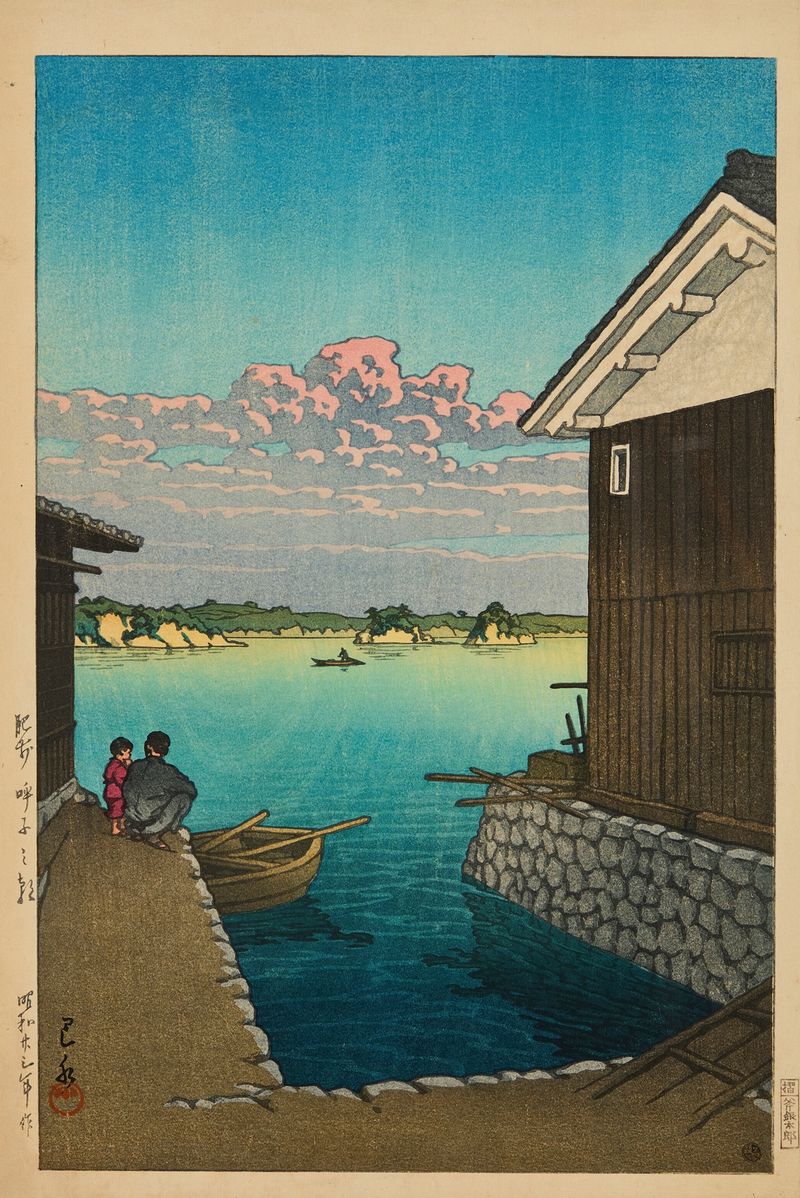
Hizen Yobuko no asa (Morning in Yobuko, Hizen)
Kawase Hasui
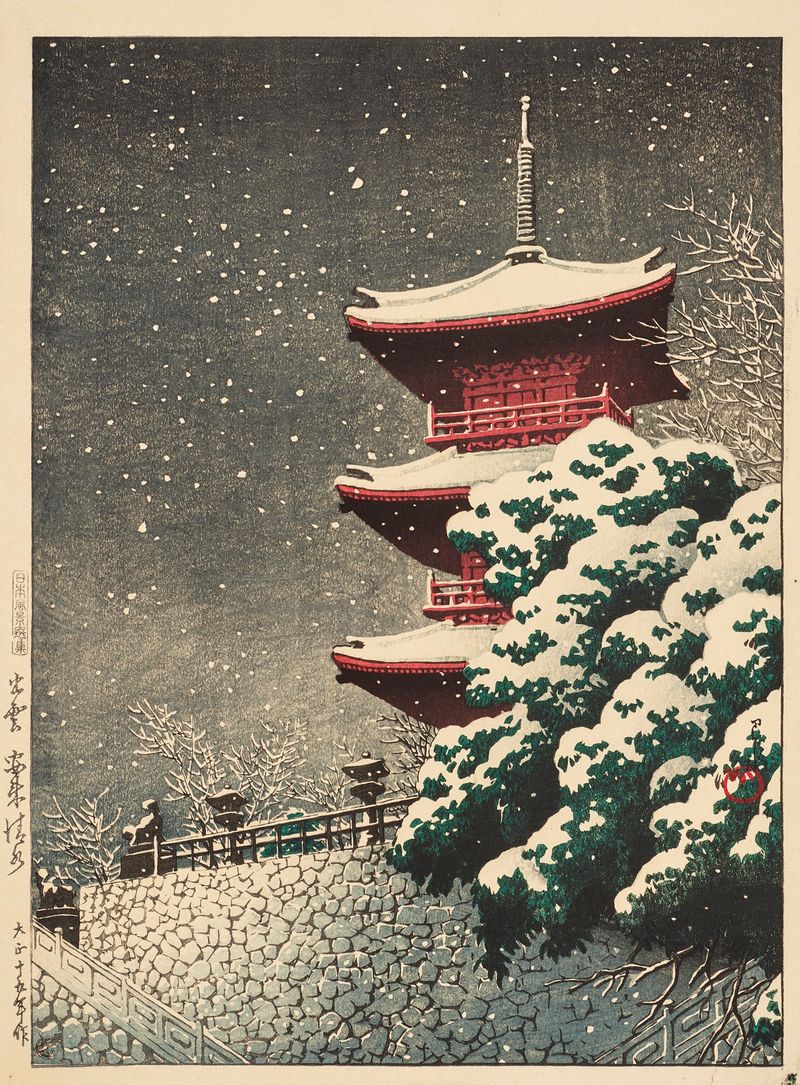
Izumo, Yasugi Kiyomizu (Yasugi Kiyomizu Temple at Izumo)
Kawase Hasui
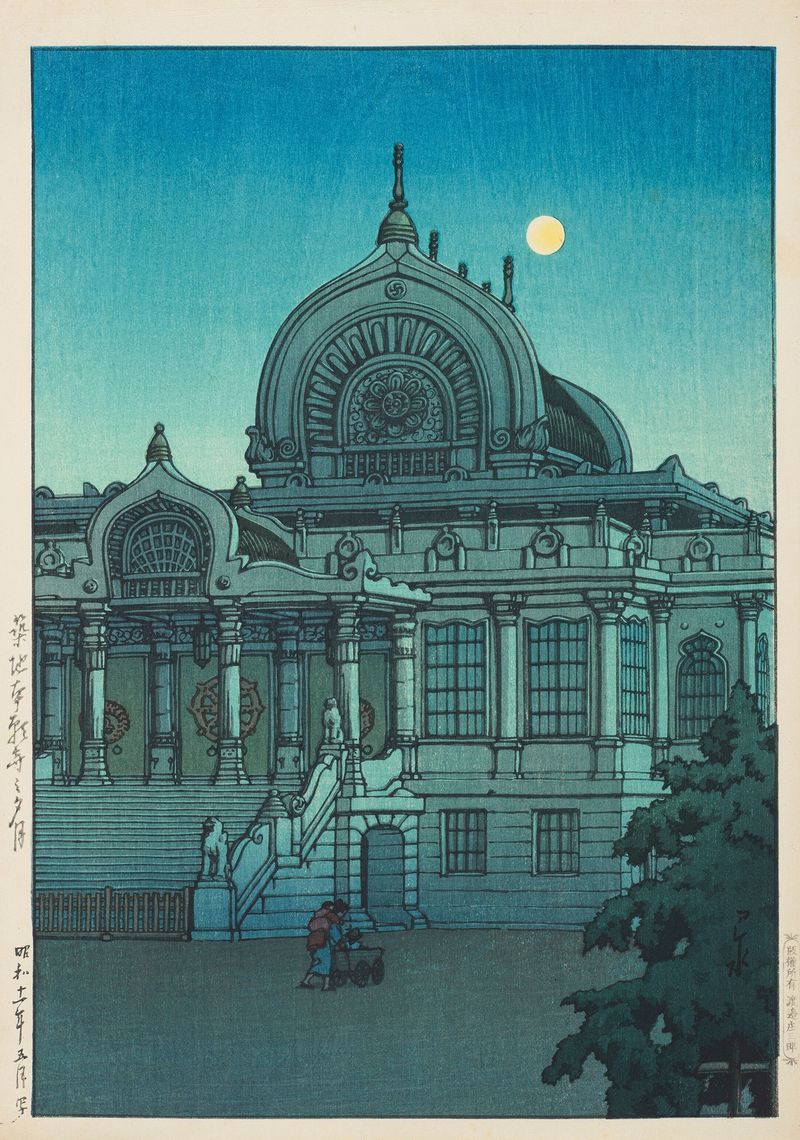
Tsukiji Honganji no yuzuki (Evening moon at Honganji Temple in Tsukiji)
Kawase Hasui
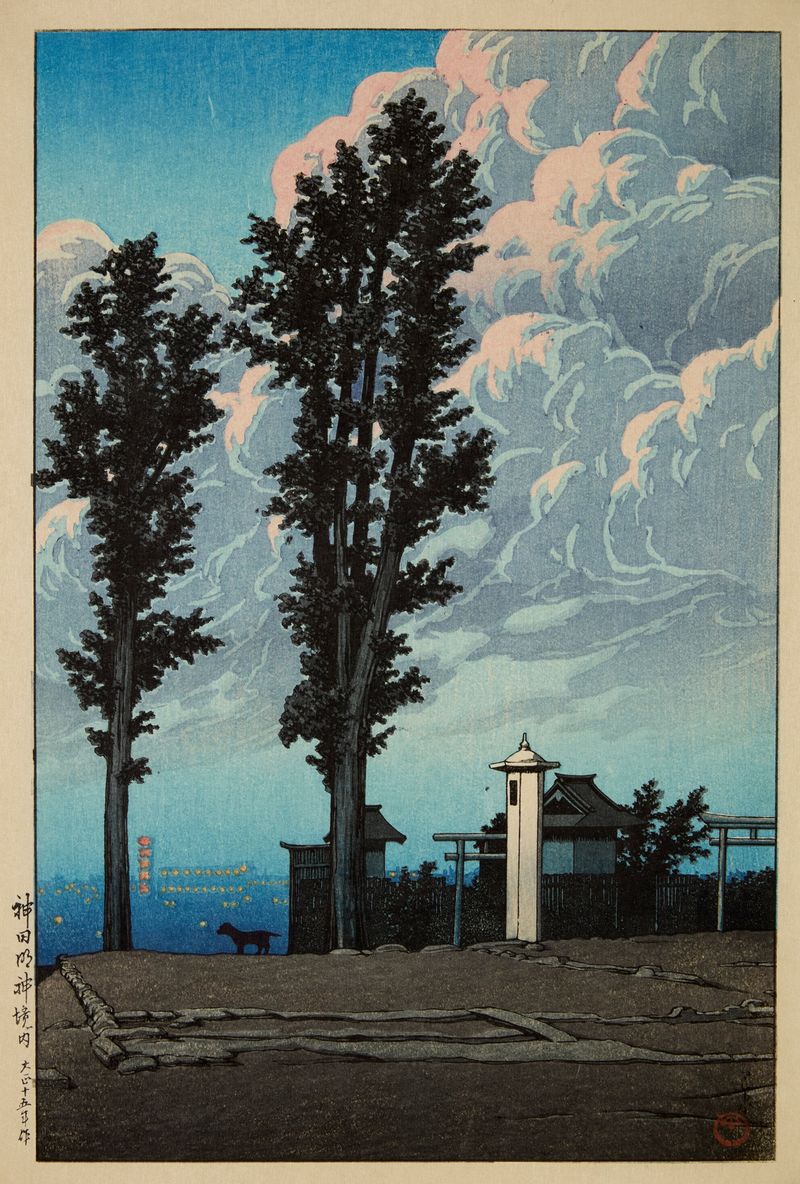
Kanda Myojin keidai (Kanda Myojin Shrine precent)
Kawase Hasui
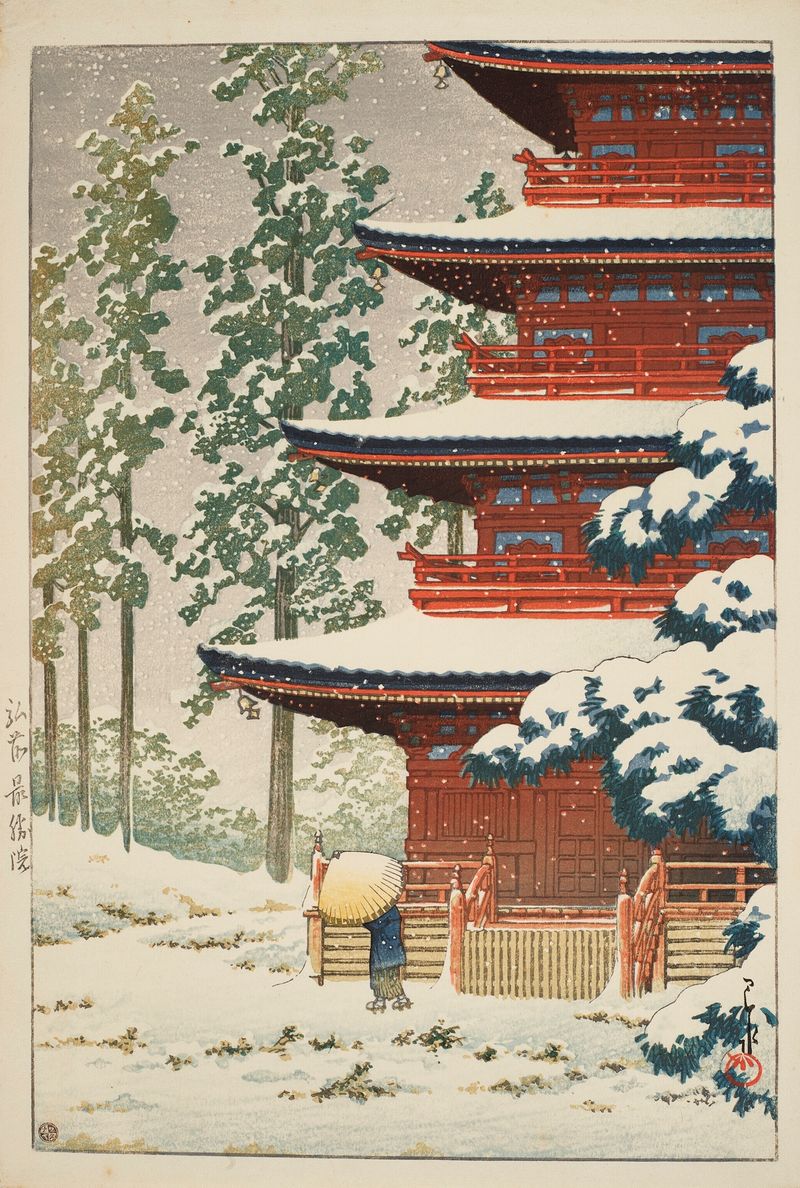
Saisho-in Temple, Hirosaki
Kawase Hasui
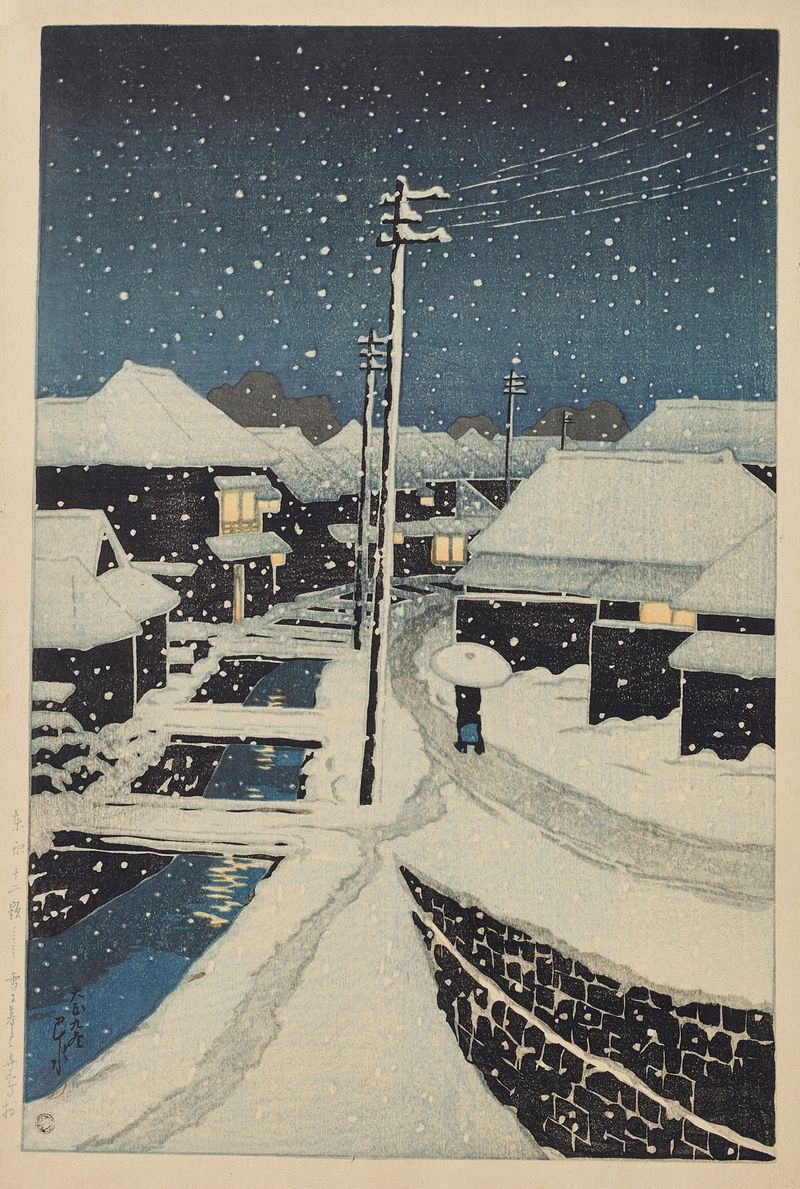
Yuki ni fururu Terajima mura (Evening snow at Terajima Village)
Kawase Hasui
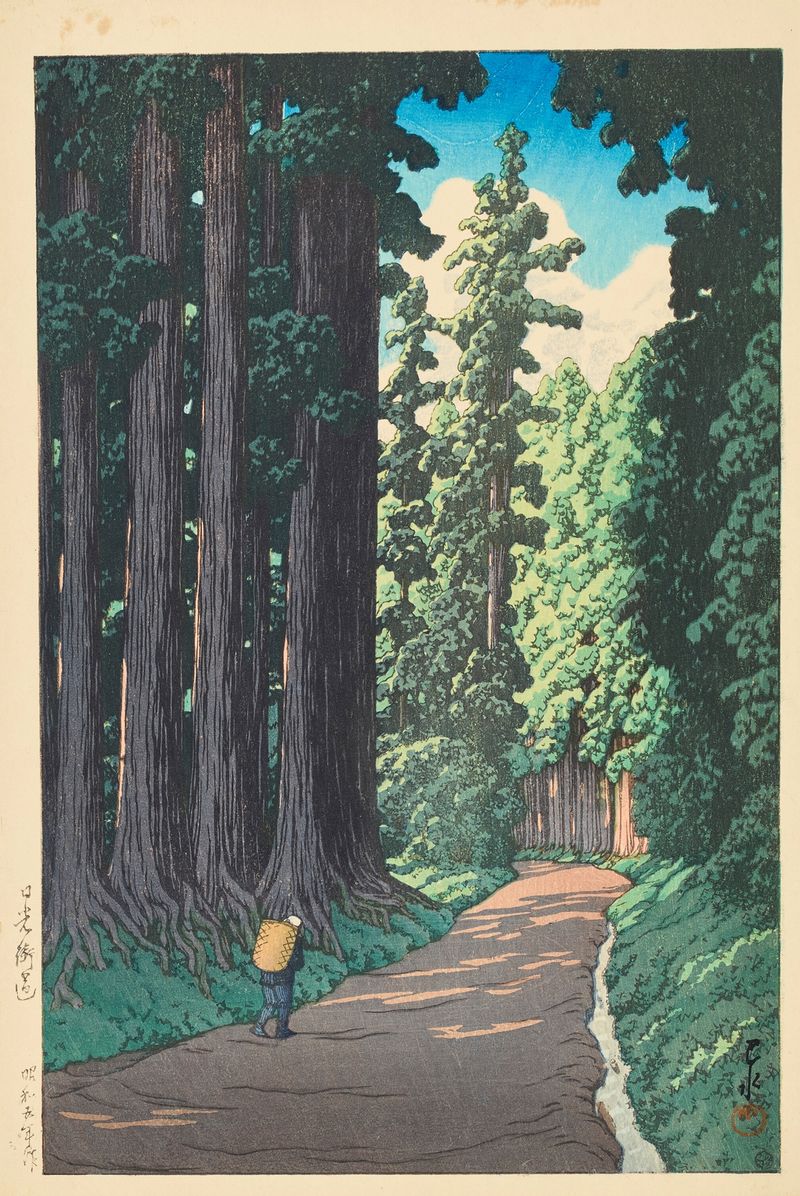
Nikko gaido (The Road to Nikko)
Kawase Hasui
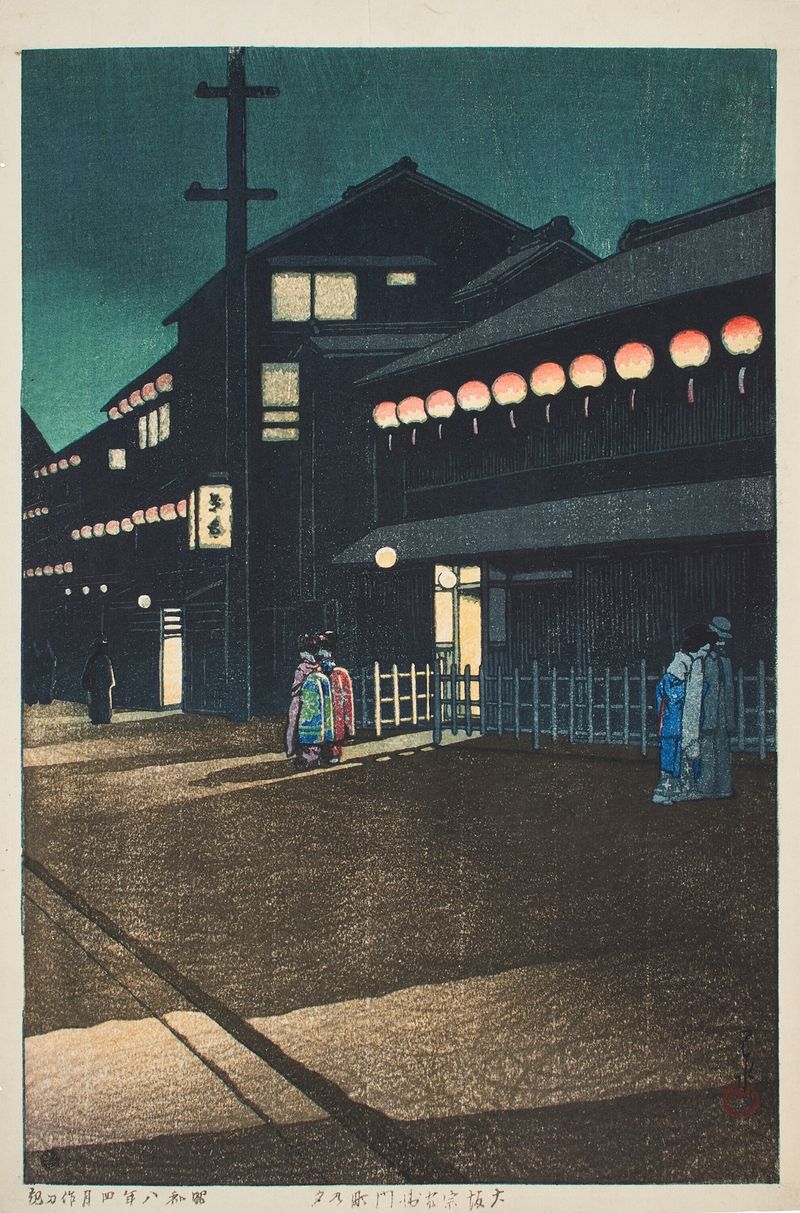
Osaka Soemon-cho no yu (Evening in Soemon-cho, Osaka)
Kawase Hasui
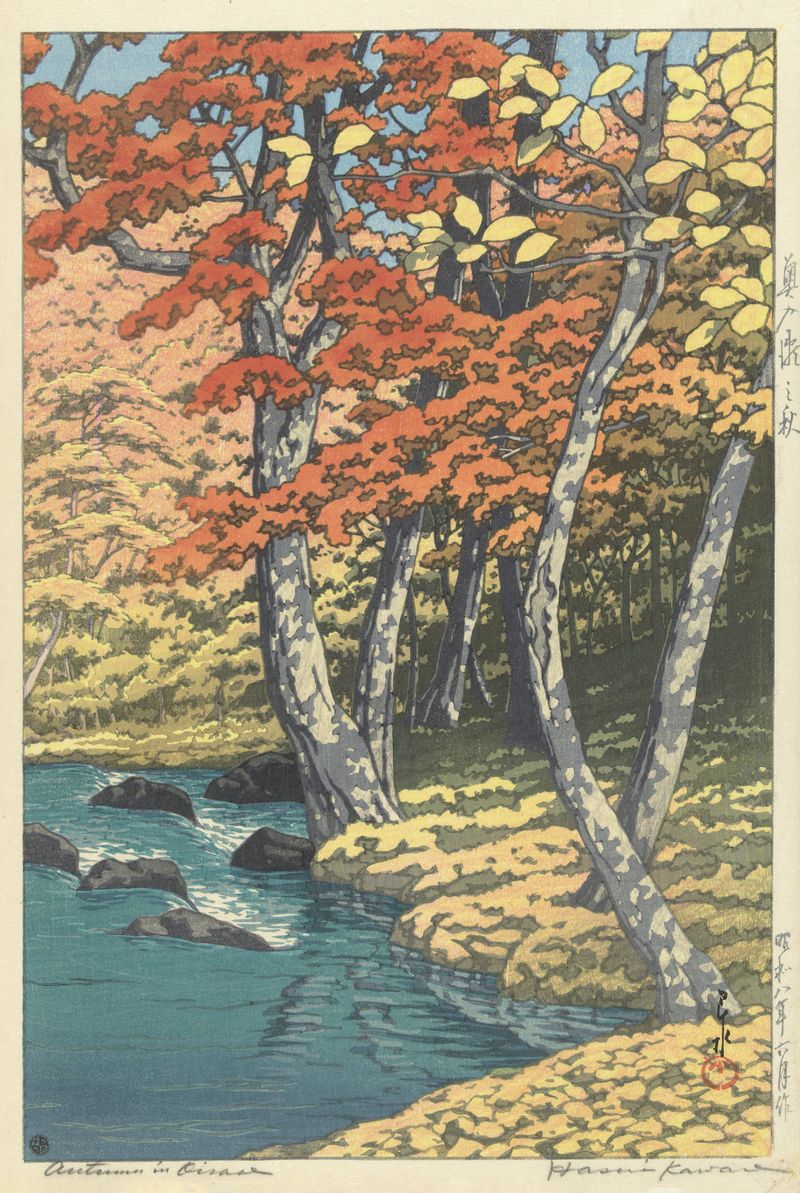
Autumn In Oirase
Kawase Hasui
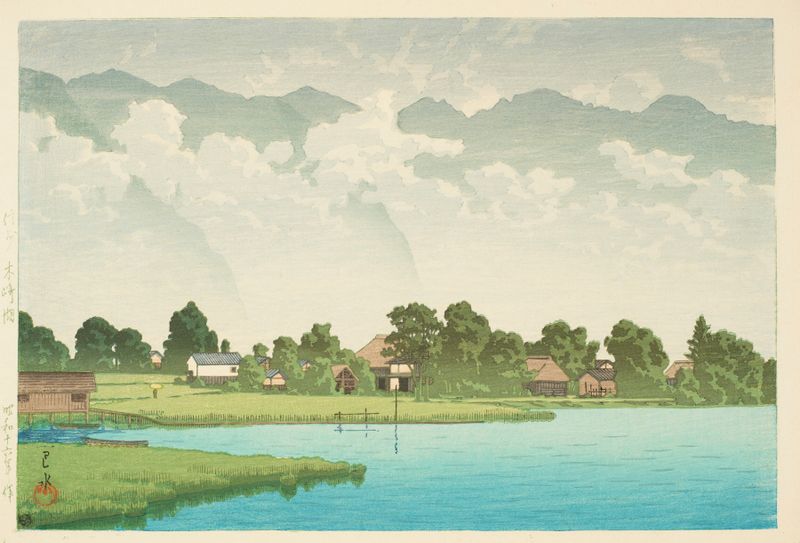
Shinshu Kizakiko (Kizaki Lake in Shinshu)
Kawase Hasui





