
Springtime — History & Facts
Is this a mirror — or a memory? In Springtime, the soft embrace of nature juxtaposes the solitude that permeates the scene, inviting reflection on the human experience amidst the vibrant revival of life. Look to the left at the delicate interplay of light filtering through the fresh green leaves, casting dappled shadows on the forest floor. The muted palette, dominated by earthy browns and gentle greens, draws your eye to the tranquil stream that meanders through the composition. Notice how the painter captures the stillness of the water, mirroring the surrounding beauty yet hinting at an underlying sense of absence, as if the viewer is peering into a world where life flourishes but companionship is distant. Within this serene landscape lies a profound contrast: the exuberance of spring and the echo of loneliness.
The untouched patches of grass, untouched by footprints, suggest unshared moments, while the distant trees, heavy with life, stand independently, each a silent sentinel bearing witness to the solitude of the scene. Such details compel us to ponder the emotional landscape, evoking the universal longing for connection amidst the splendors of nature. In around 1860, a time when Rousseau was deeply engaged with the Barbizon School, he painted this work while living in the rural areas near Paris. The naturalistic approach he embraced during this period reflected a shift in the art world, as artists sought to capture the essence of the landscape without the constraints of academic traditions.
His focus on the interplay of light and shadow, along with his emotive interpretation of nature, marked a pivotal moment in his career, establishing his legacy as a master of landscape painting.
More Artworks by Théodore Rousseau
Browse all →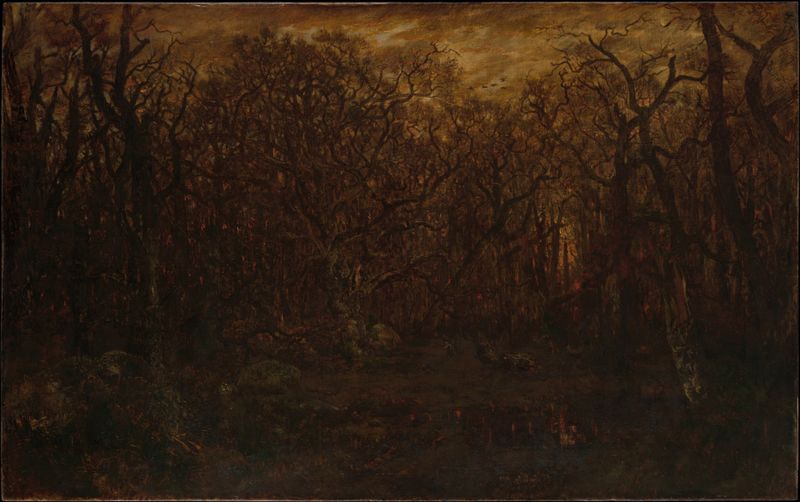
The Forest in Winter at Sunset
Théodore Rousseau
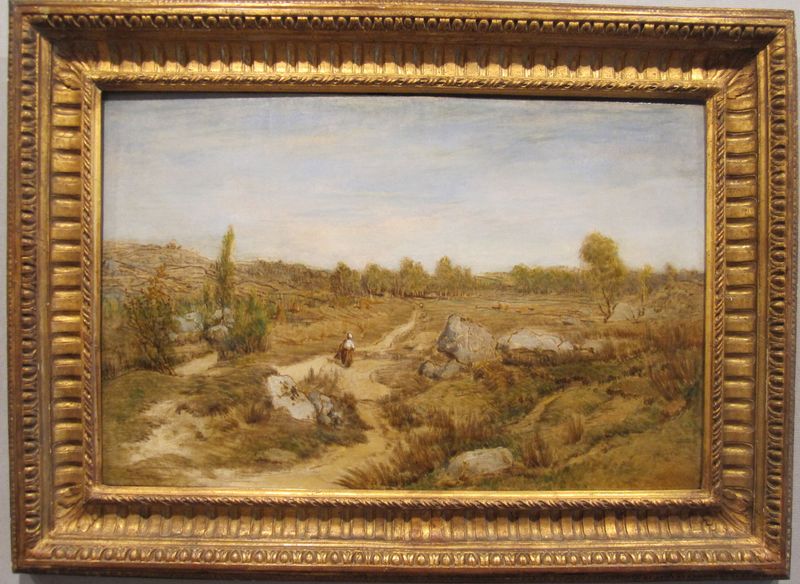
Valley of the Rouars in the Gorges d’Apremont
Théodore Rousseau
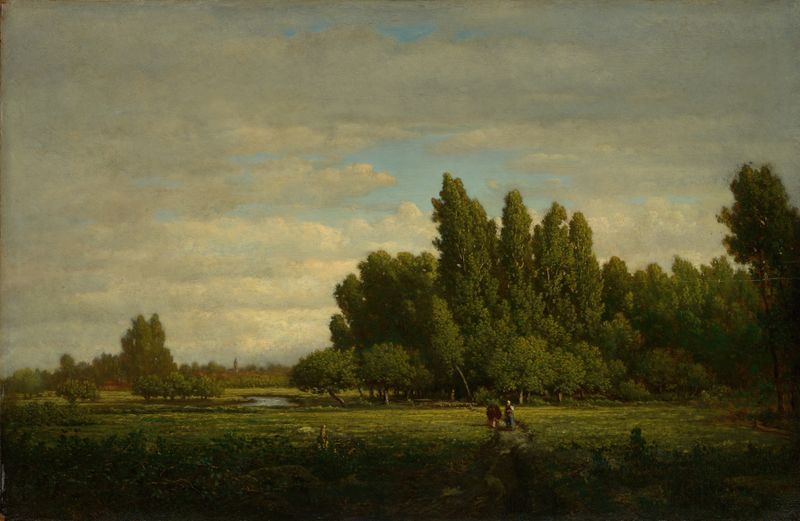
A Meadow Bordered by Trees
Théodore Rousseau
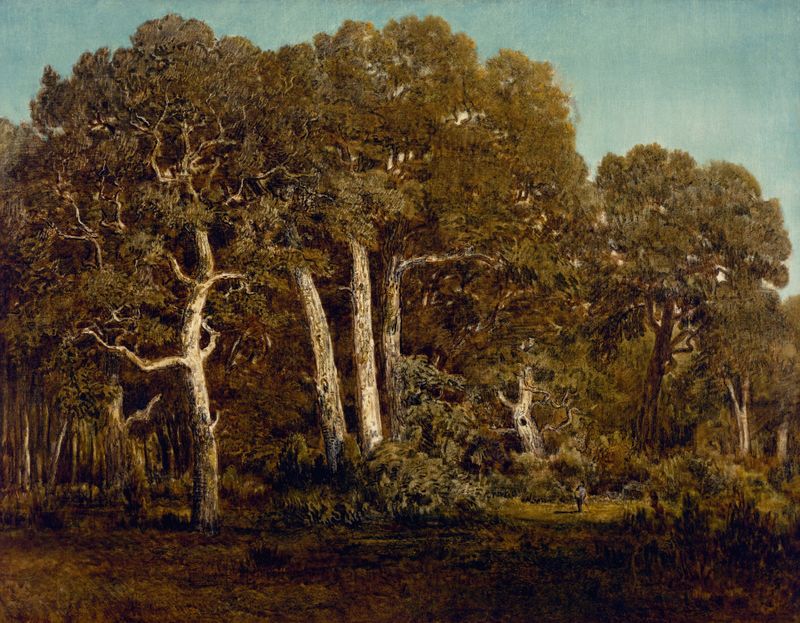
The Great Oaks of Old Bas-Bréau
Théodore Rousseau
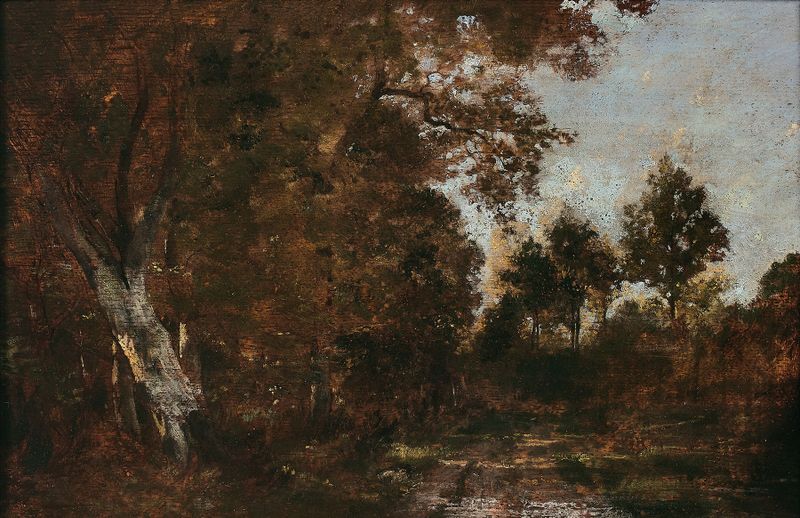
Paysage de sous-bois
Théodore Rousseau
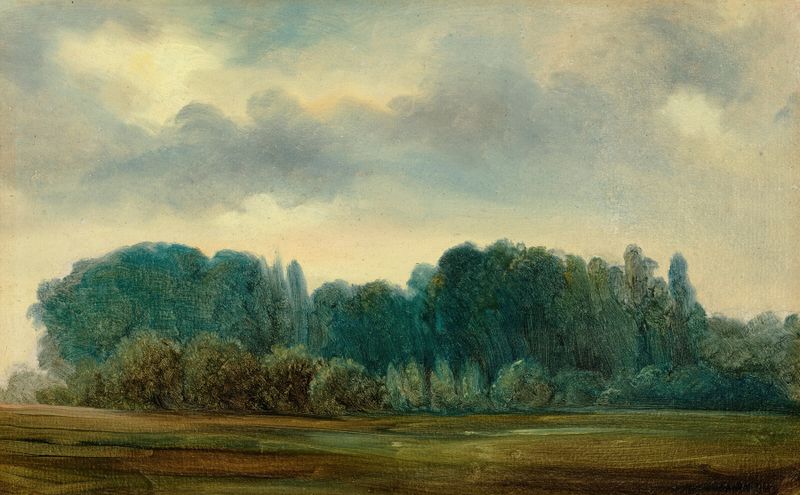
Paysage
Théodore Rousseau
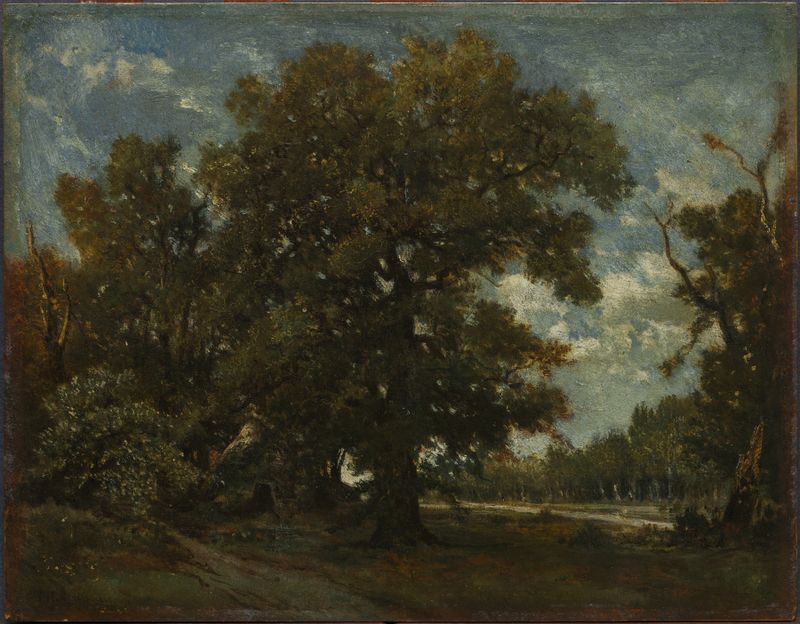
The Oak Tree
Théodore Rousseau
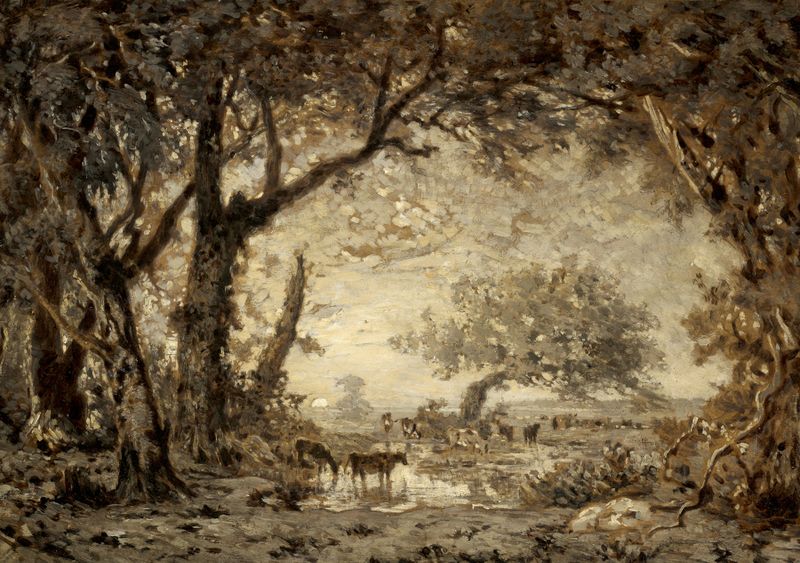
Sunset from the Forest of Fontainebleau
Théodore Rousseau
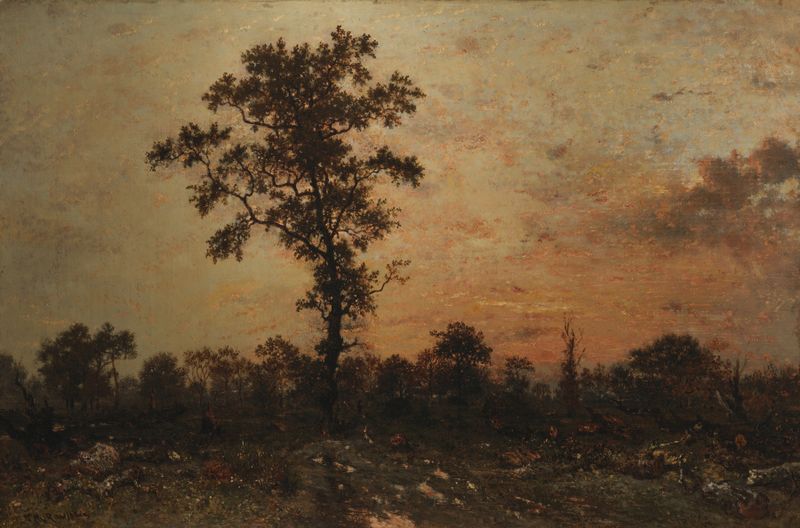
Edge of the Forest, Sun Setting
Théodore Rousseau
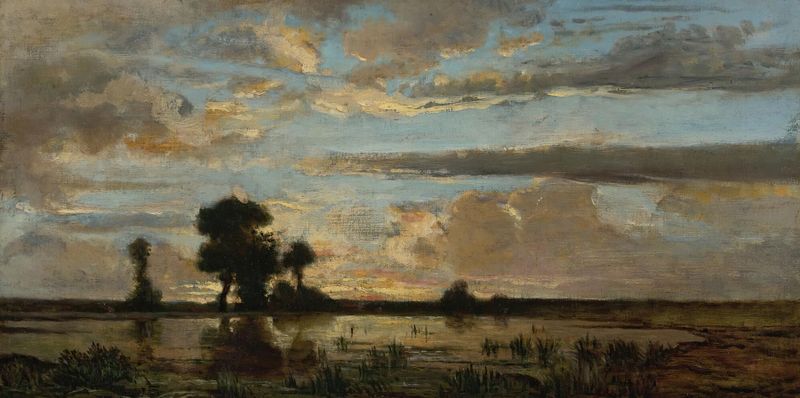
Soleil Couchant
Théodore Rousseau





