
Discover insights about this artwork
Springtime of Life — History & Facts
In Springtime of Life, Jean-Baptiste-Camille Corot presents a vibrant scene filled with lush greenery and blooming flowers. The colors are bright and cheerful, with greens, yellows, and soft blues dominating the palette. Figures of young people are depicted in a lively setting, symbolizing youth and vitality.
The overall atmosphere conveys a sense of renewal and joy associated with springtime. The painting is executed in oil on canvas, showcasing Corot's skillful brushwork and use of light. The figures are rendered with a delicate touch, highlighting their youthful features and expressions. The composition is balanced, with a harmonious arrangement of elements that draws the viewer's eye throughout the piece.
The dimensions are approximately 100 x 130 cm, making it a substantial work that invites close inspection. Jean-Baptiste-Camille Corot was a key figure in the transition from Neoclassicism to Impressionism, influencing many artists with his approach to light and color. Springtime of Life reflects his fascination with nature and the human experience. An interesting fact about this work is that it embodies the Romantic ideals of celebrating youth and the beauty of the natural world.
Corot's ability to capture the essence of spring is a testament to his artistic vision.
More Artworks by Jean-Baptiste-Camille Corot
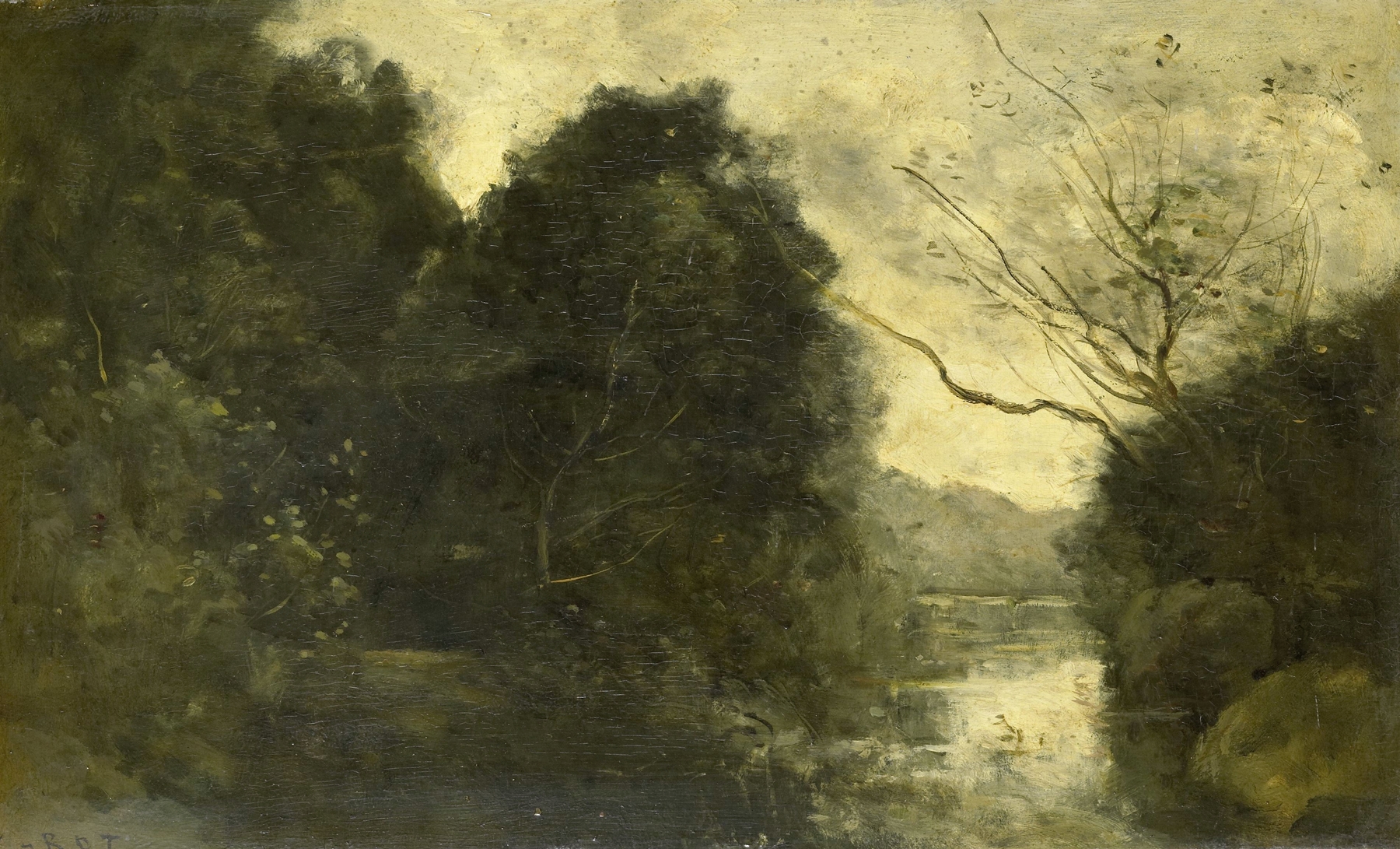
Pond in the Woods
Jean-Baptiste-Camille Corot
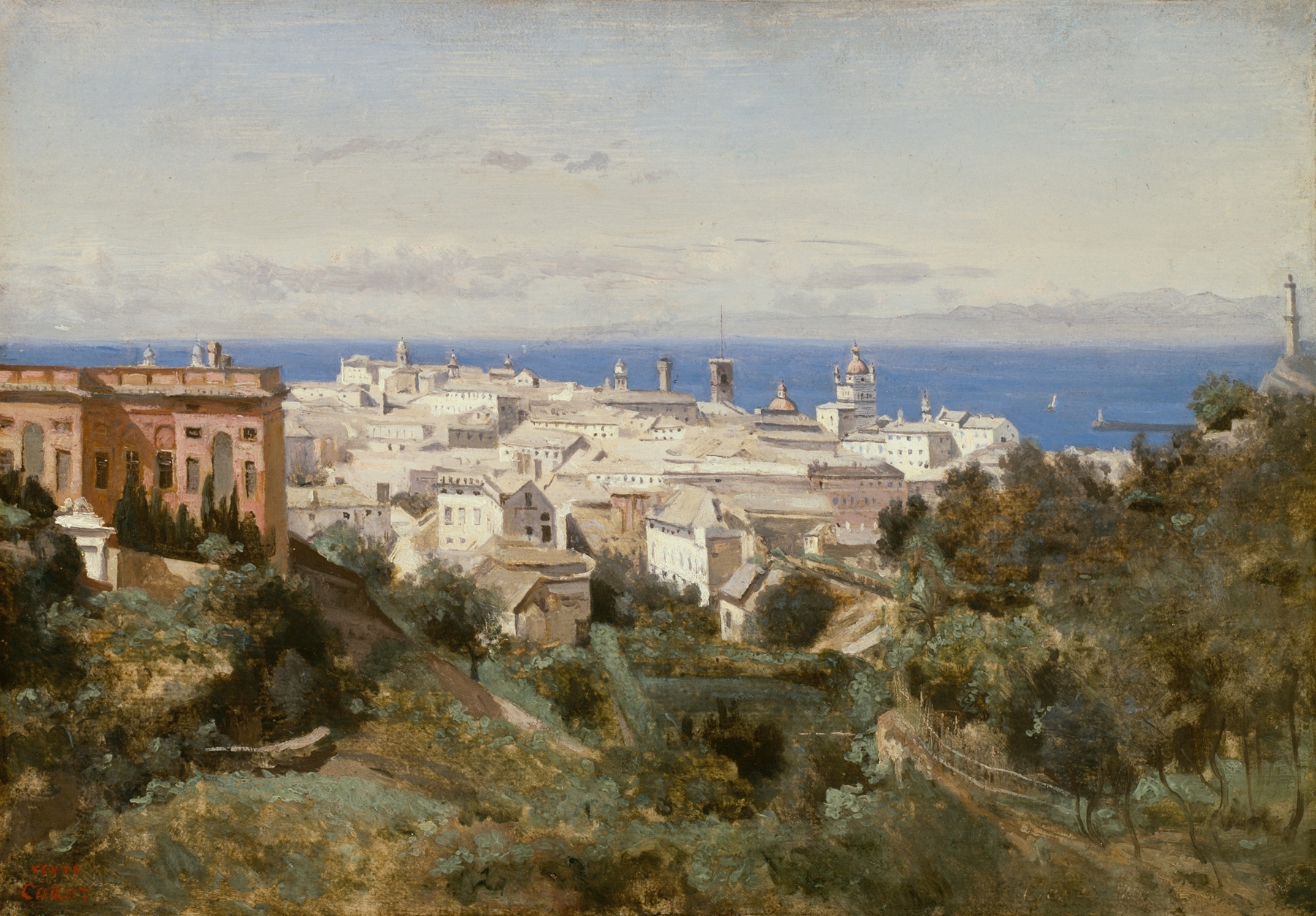
View of Genoa
Jean-Baptiste-Camille Corot
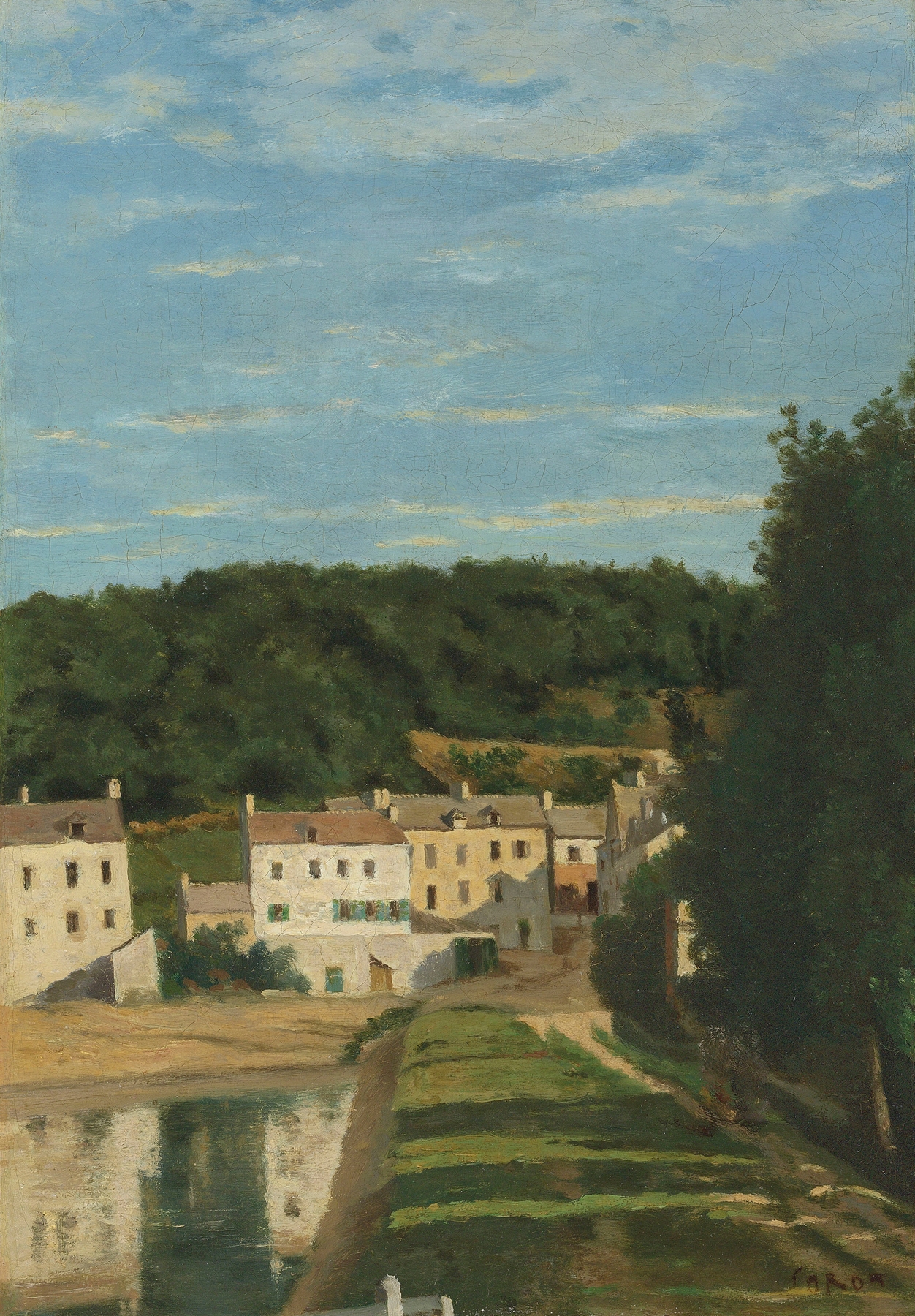
Les Maisons Cabassud À Ville D’avray
Jean-Baptiste-Camille Corot
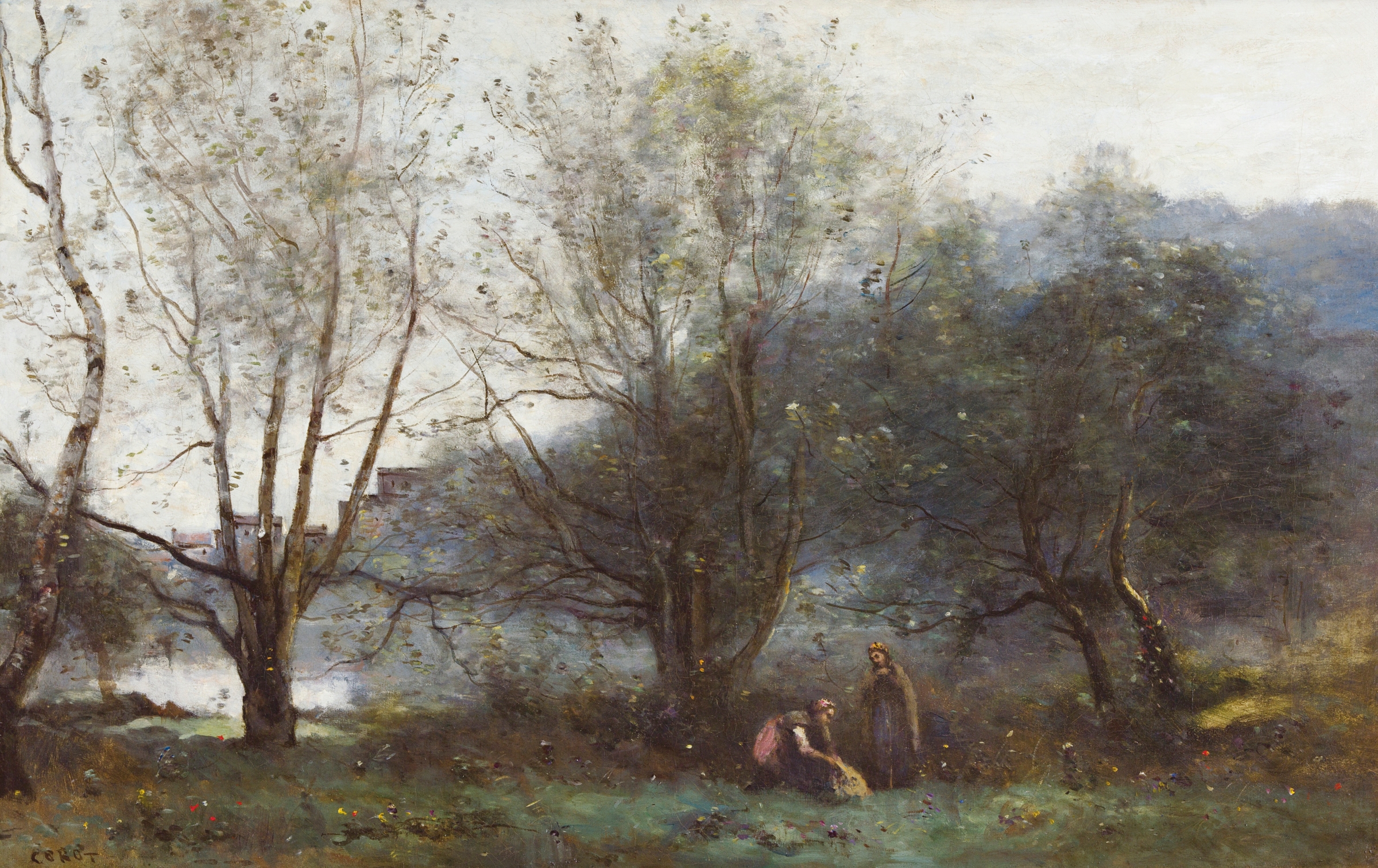
Les Étangs De Ville D’avray
Jean-Baptiste-Camille Corot
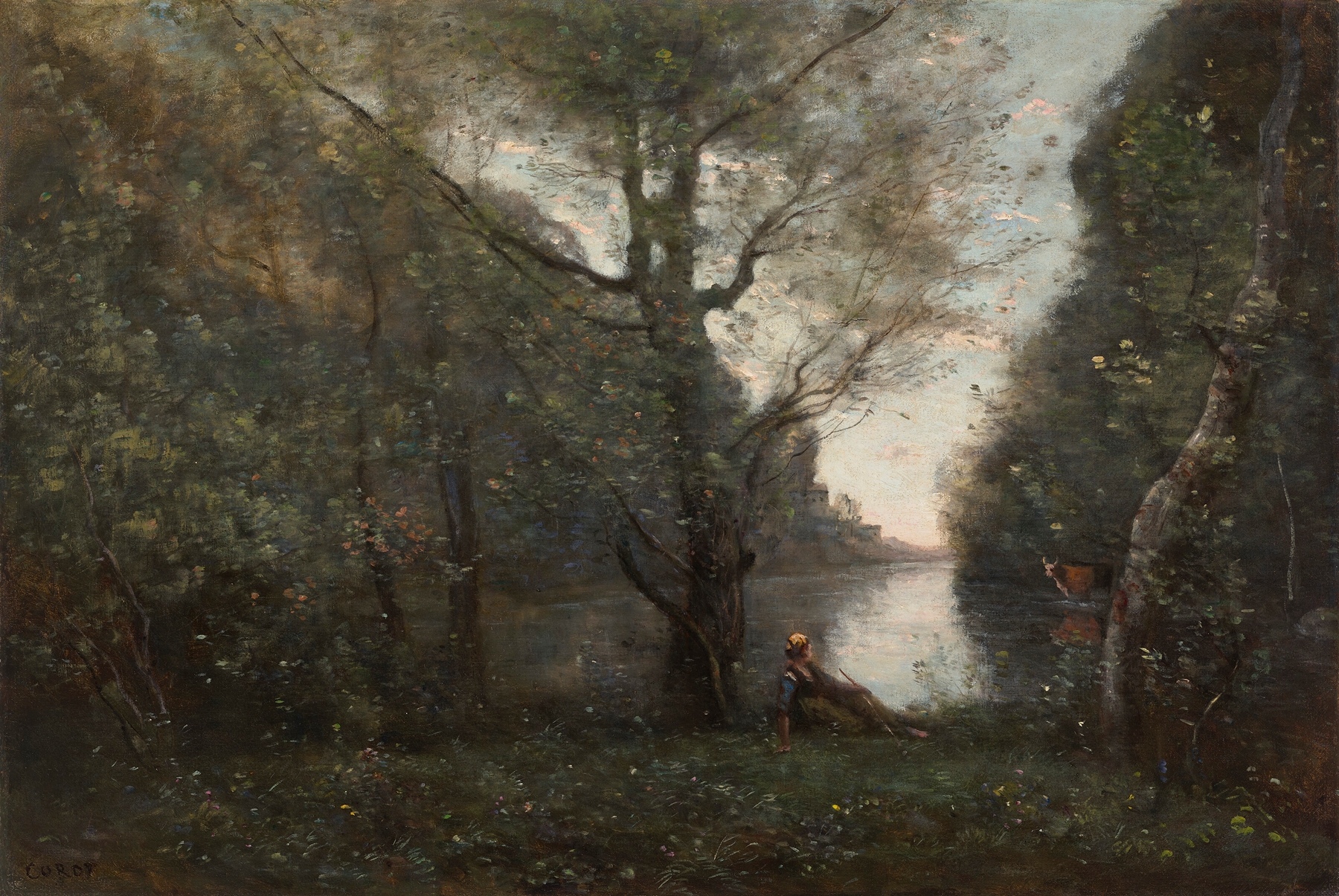
La solitude. Souvenir de Vigen (Limousin)
Jean-Baptiste-Camille Corot
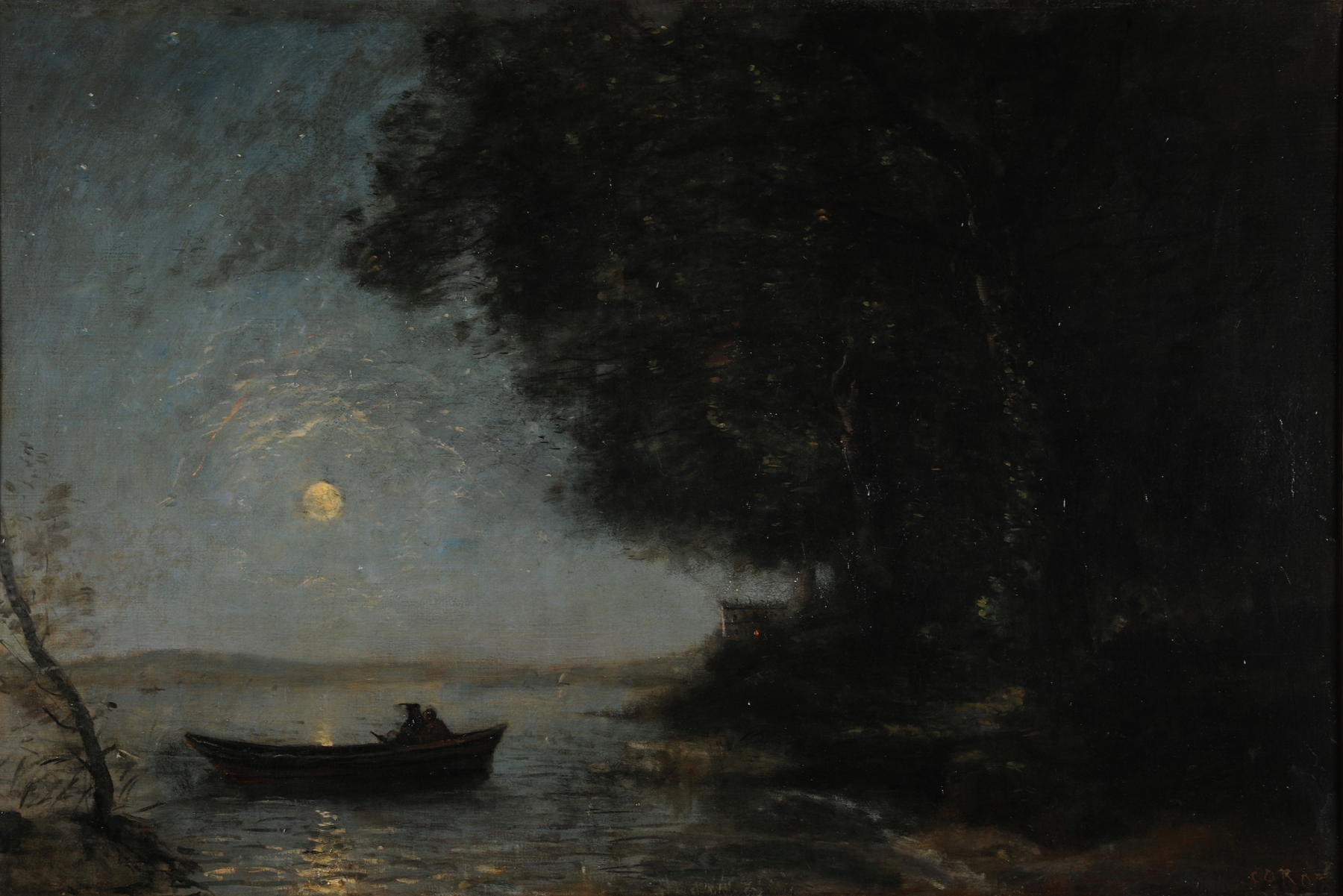
Le lac ; effet de nuit
Jean-Baptiste-Camille Corot
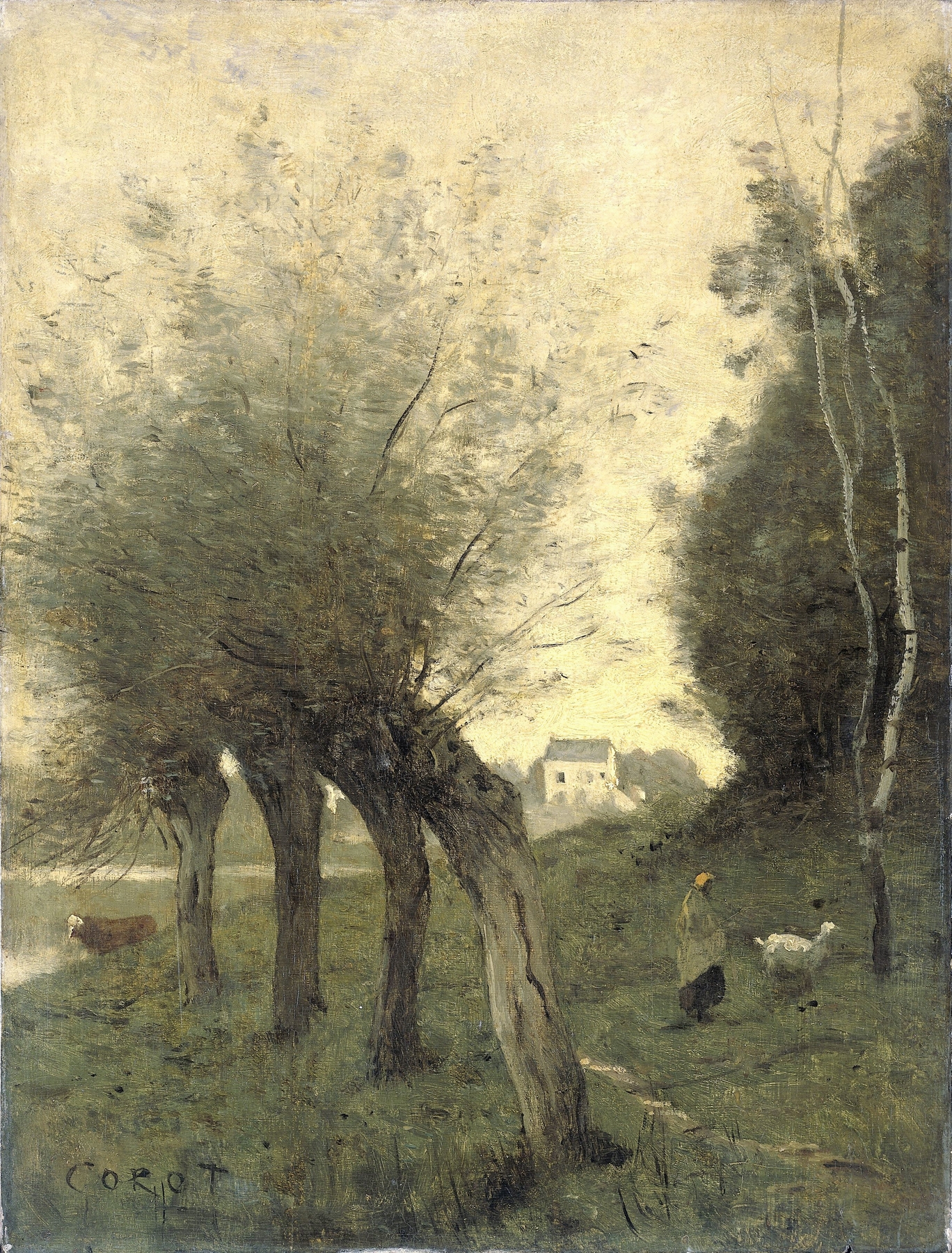
Landscape with Pollard Willows
Jean-Baptiste-Camille Corot
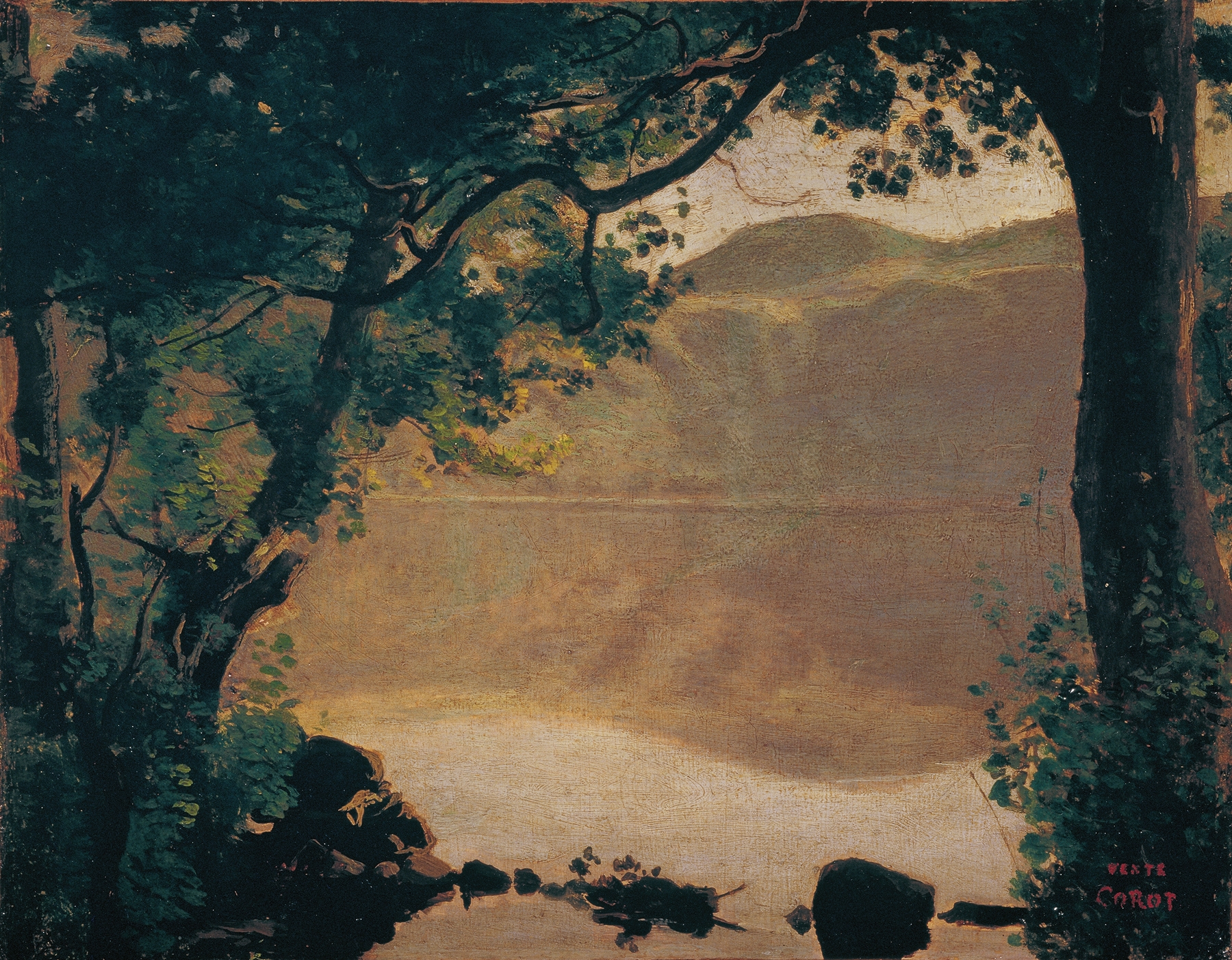
Der Nemisee
Jean-Baptiste-Camille Corot
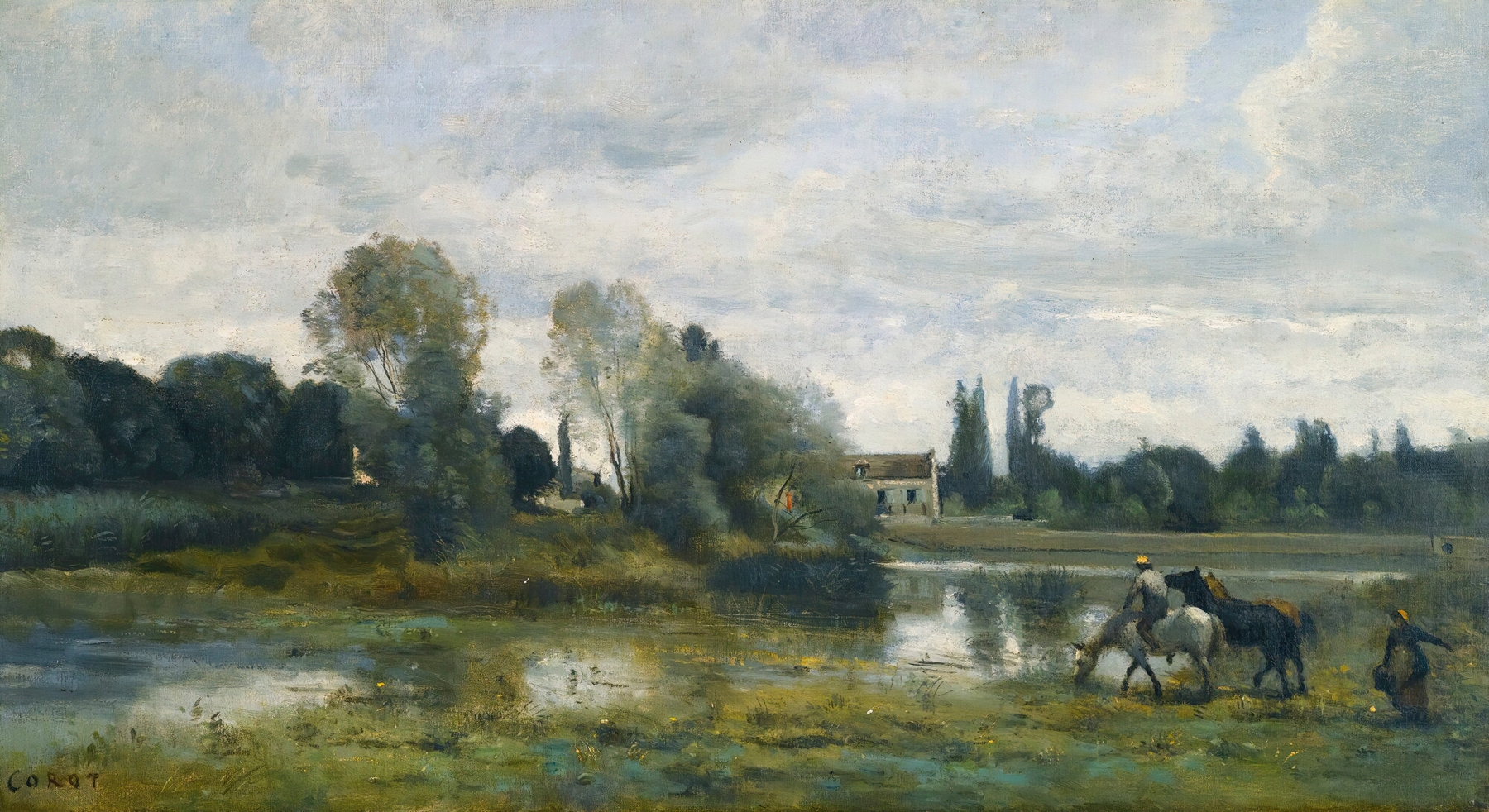
Ville D’avray; L’abreuvoir Des Chevaux
Jean-Baptiste-Camille Corot
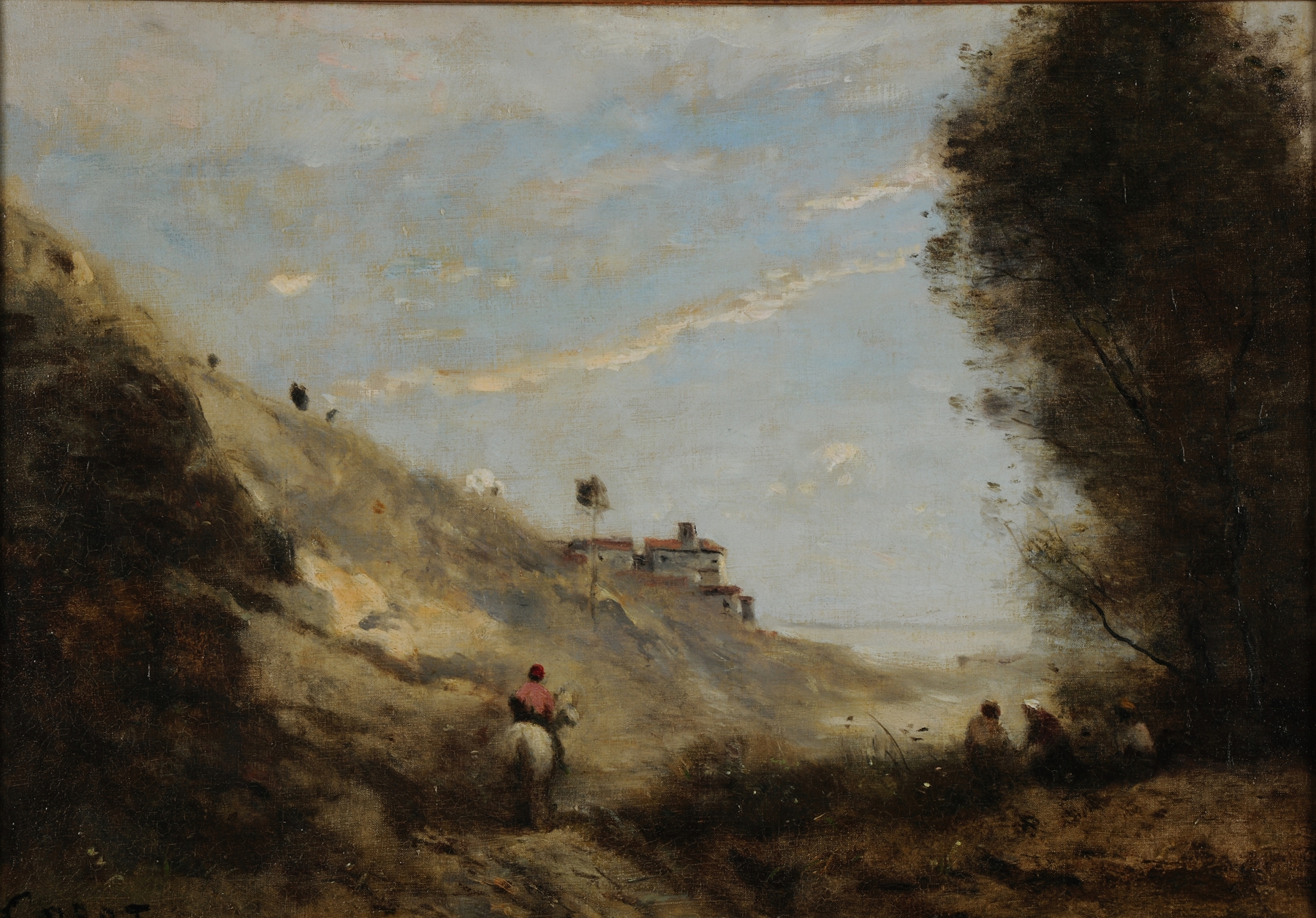
Le vallon au cavalier
Jean-Baptiste-Camille Corot
More Allegory Art
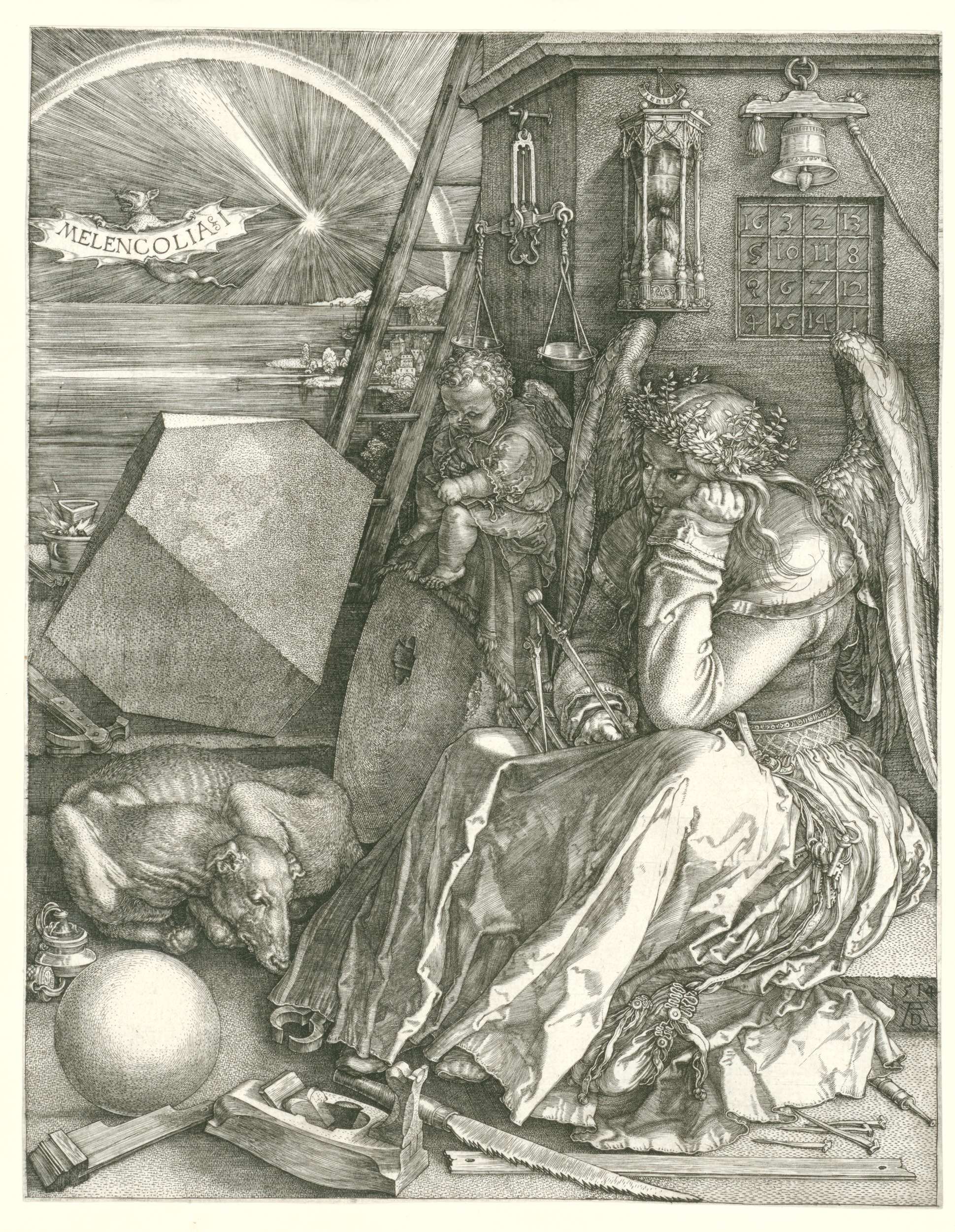
Melancholia
Albrecht Dürer
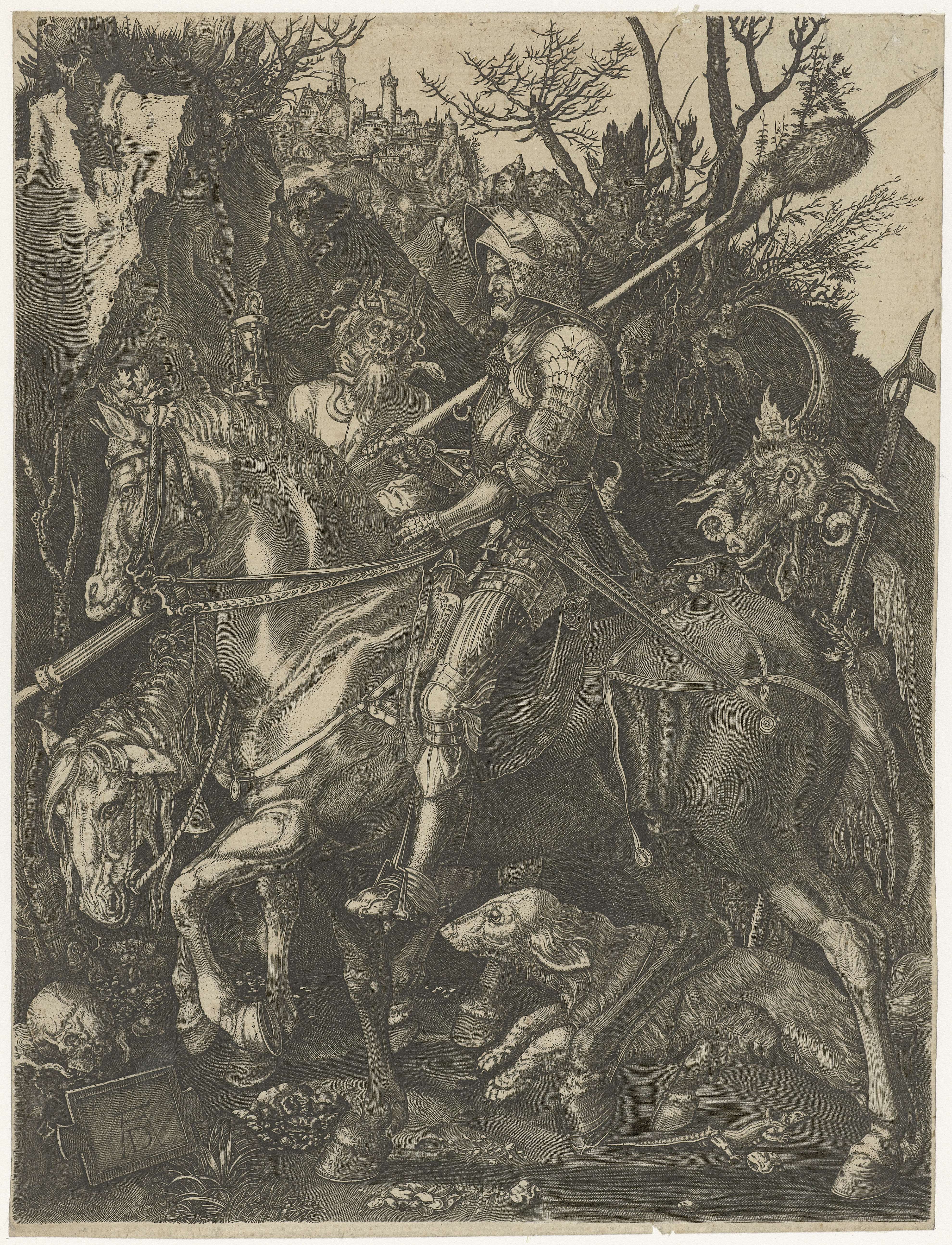
Ridder, Dood en Duivel
Unknown Artist
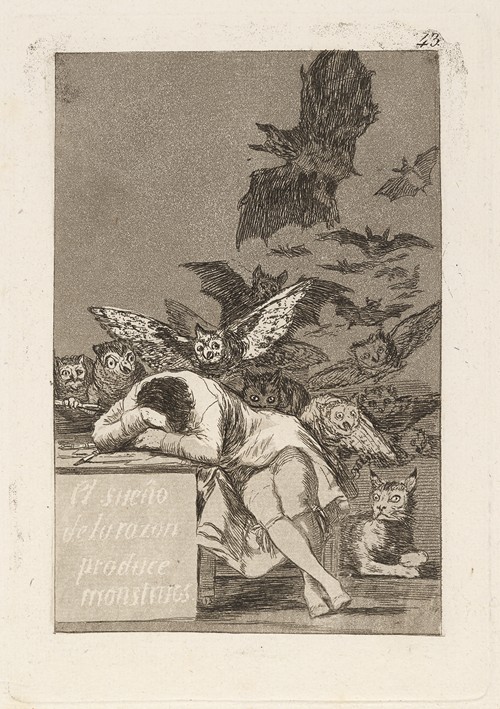
El sueño de la razon produce monstruos. (The sleep of reason produces monsters.)
Francisco de Goya
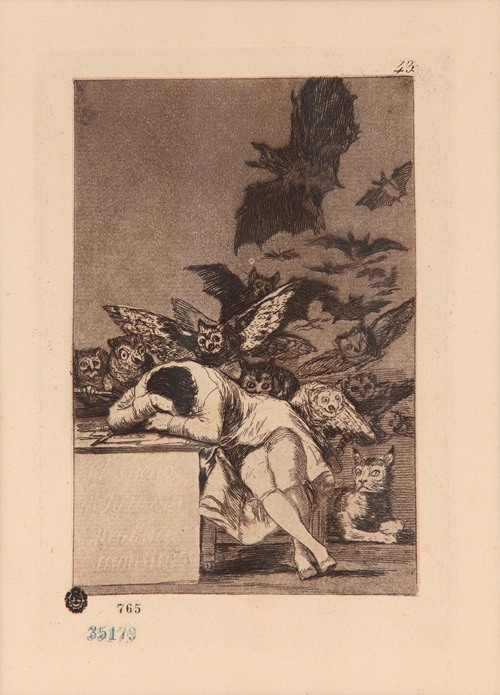
El sueño de la razon produce moustruos (Serie Caprichos)
Francisco de Goya
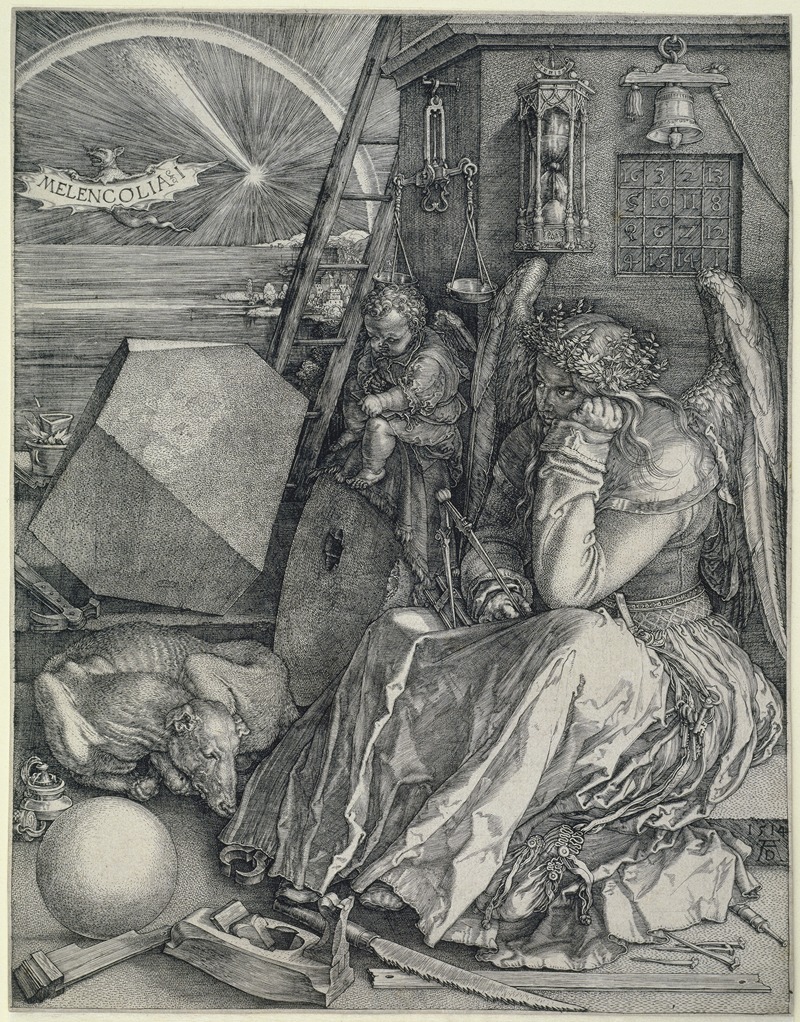
Melencolia I (The Melancholy)
Albrecht Dürer
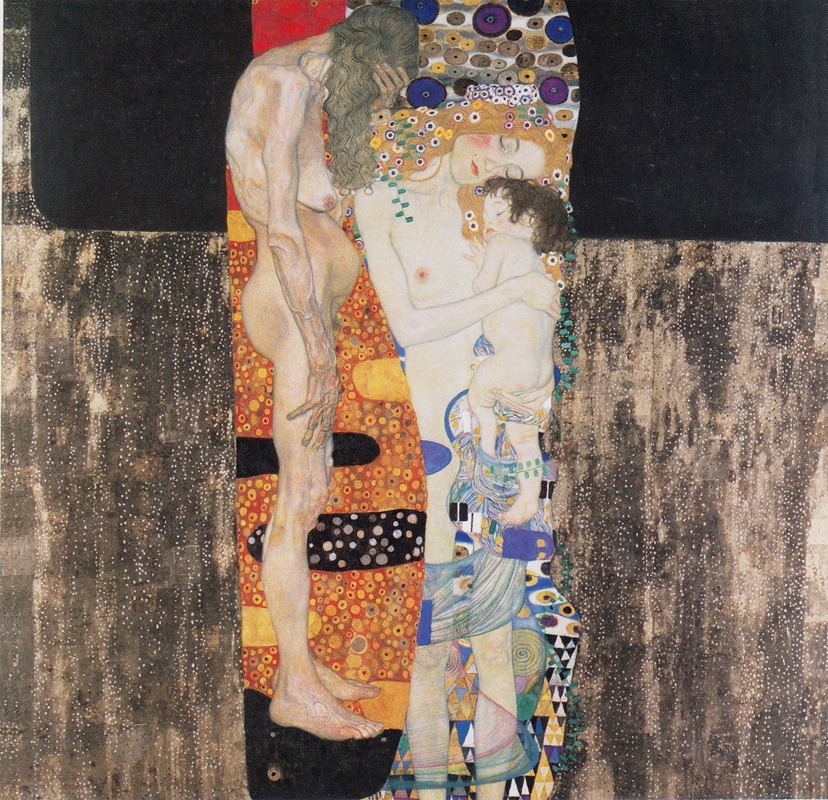
The Three Ages of the Woman
Gustav Klimt