
St. Barbara — History & Facts
Where does light end, and longing begin? This question lingers in the air, an echo of hope suspended in time. Look to the left at the soft, ethereal glow that emanates from the figure cloaked in a flowing white robe. The delicate play of light on her face reveals a serene yet resolute expression, capturing a moment of quiet contemplation. The background, a tapestry of muted hues, enhances the vibrant reds of her garment, drawing the eye towards her and enveloping her in a sense of divine presence.
The artist employs a masterful interplay of shadows and illumination, guiding our gaze and creating an almost celestial atmosphere. Beneath the surface, the painting speaks of resilience and faith amid adversity. St. Barbara is often associated with protection and hope, and here, her posture suggests a connection to something beyond the visible.
The contrast between the softness of her features and the starkness of the surrounding colors reflects an internal struggle—a tension between worldly challenges and spiritual fortitude. Look closely at the intricate details of her halo; it appears to shimmer, symbolizing not only her sanctity but also the light of hope for those who gaze upon her. In 1911, during a time marked by rapid social change and uncertainty, the artist created this work while experiencing personal transformations within his own life, as well as witnessing the shifting landscape of artistic expression in Poland. The early 20th century was a period rich with new ideas and movements, and Kamocki's focus on religious themes reflects both his cultural heritage and a yearning for stability in turbulent times.
More Artworks by Stanisław Kamocki
Browse all →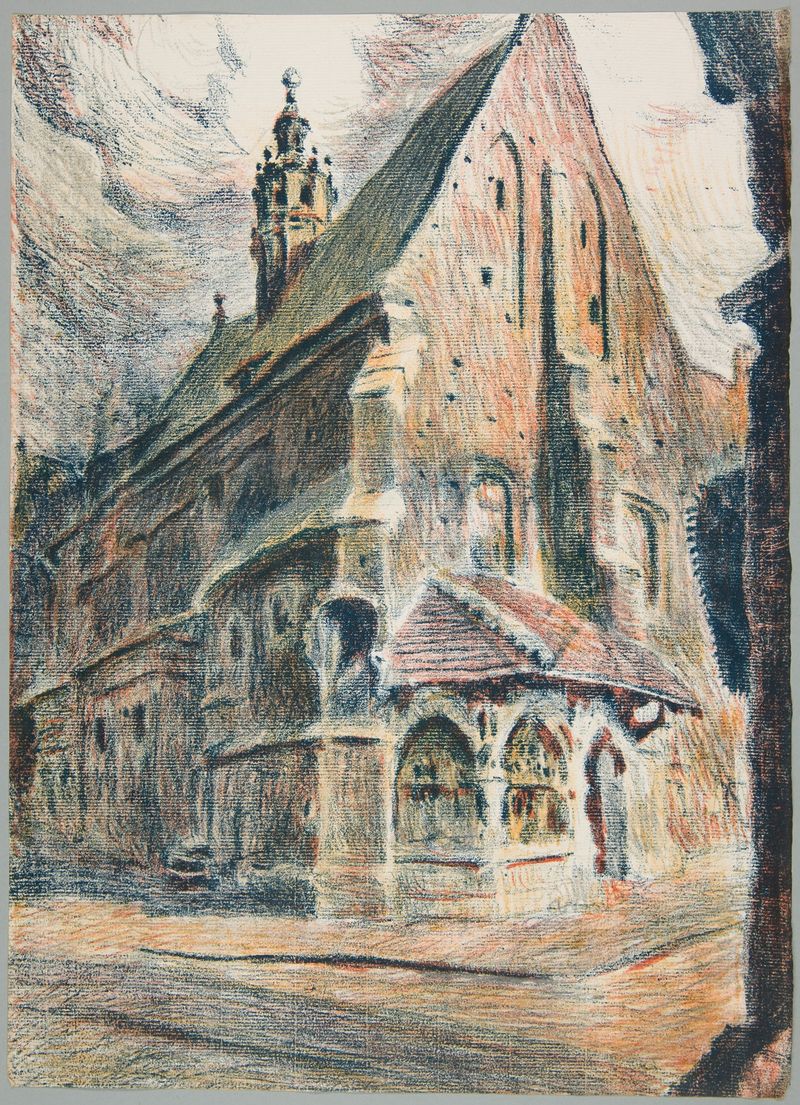
Church of St. Barbara
Stanisław Kamocki
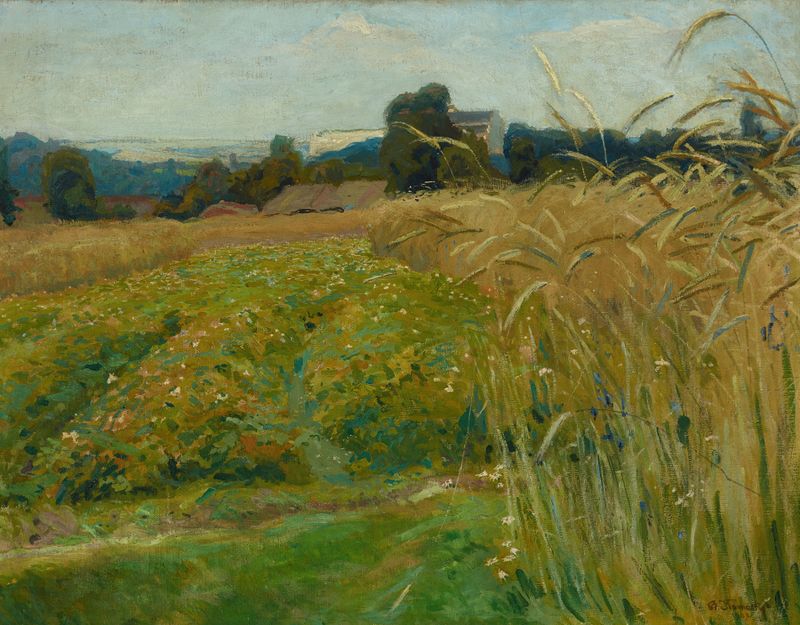
Landscape from the Vincity of Krakow
Stanisław Kamocki
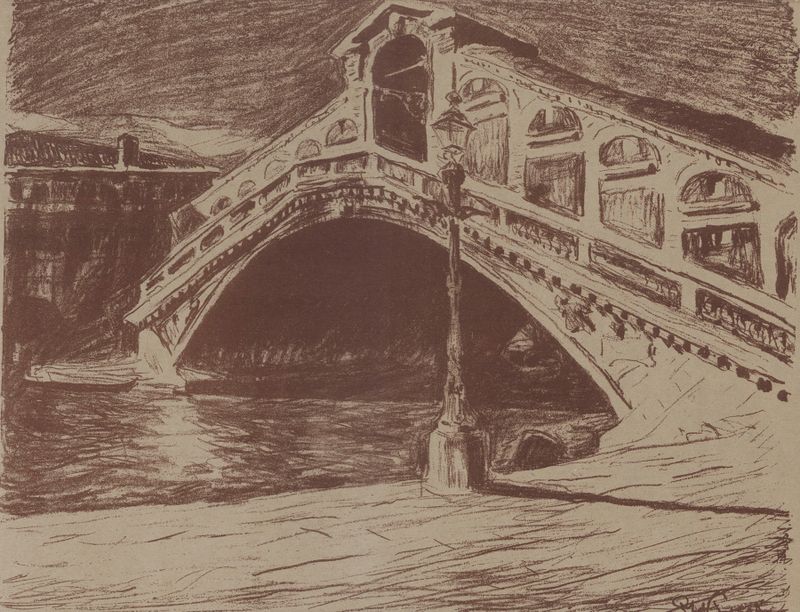
Rialto Bridge in Venice
Stanisław Kamocki
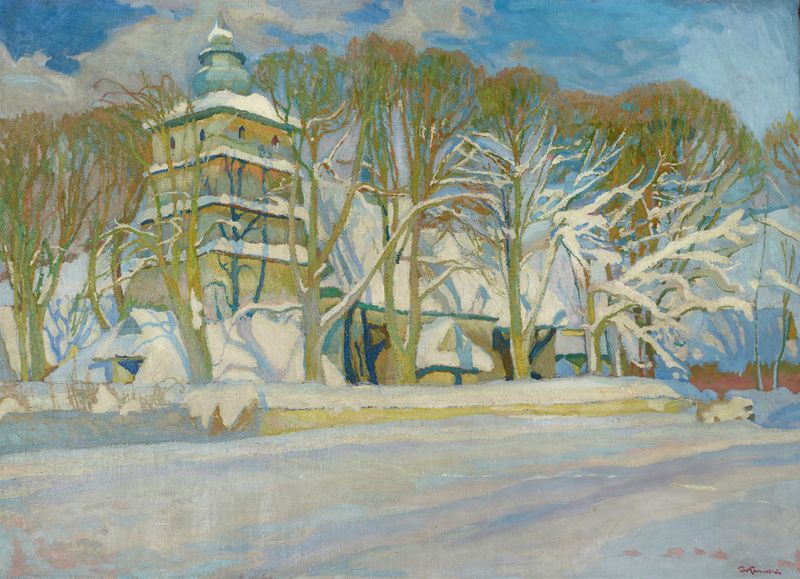
Church in Poronin
Stanisław Kamocki
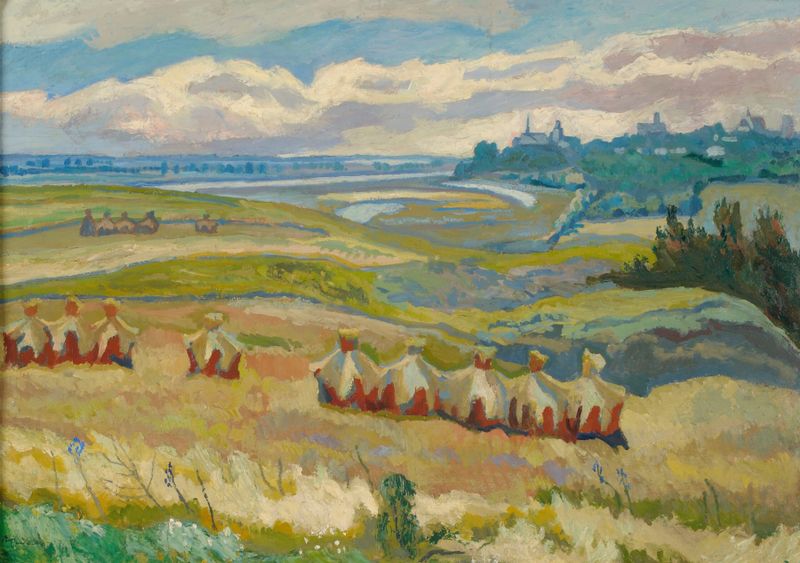
View of Sandomierz
Stanisław Kamocki
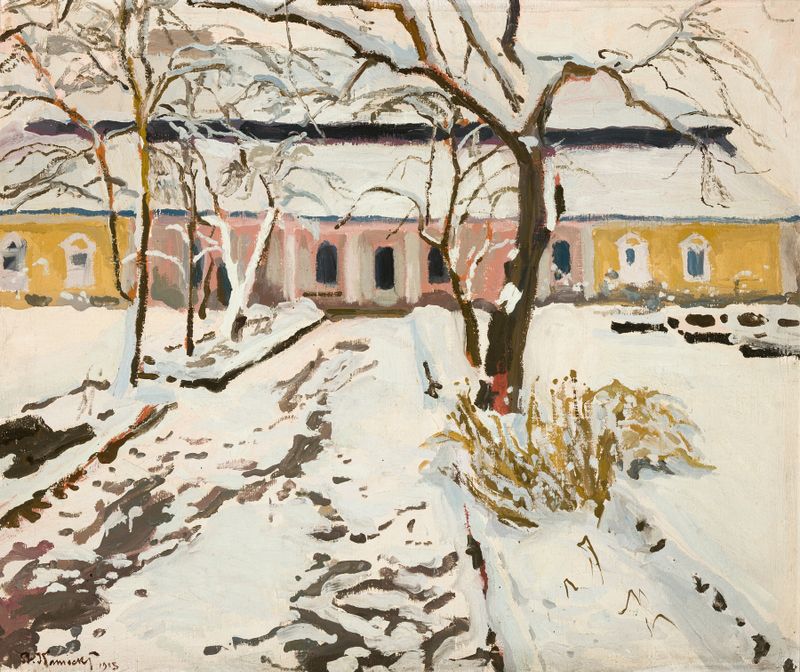
Manor-House at Modlnica in Winter
Stanisław Kamocki

Church in Libusza
Stanisław Kamocki
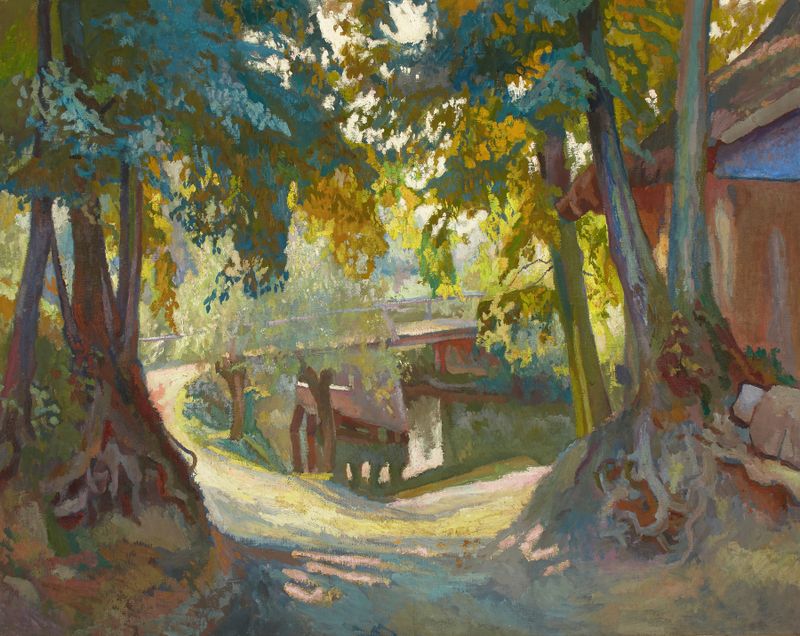
Day in Autumn
Stanisław Kamocki
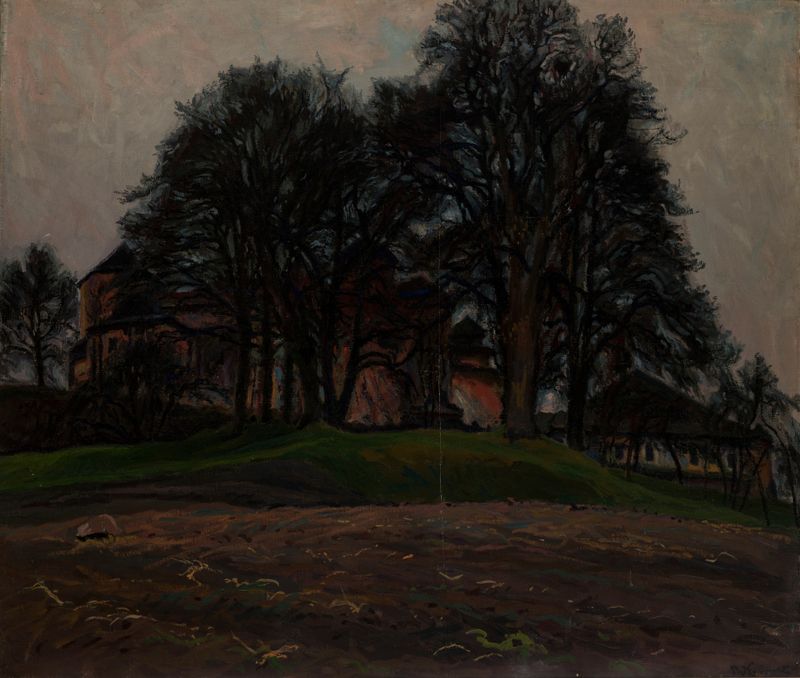
Late Autumn
Stanisław Kamocki
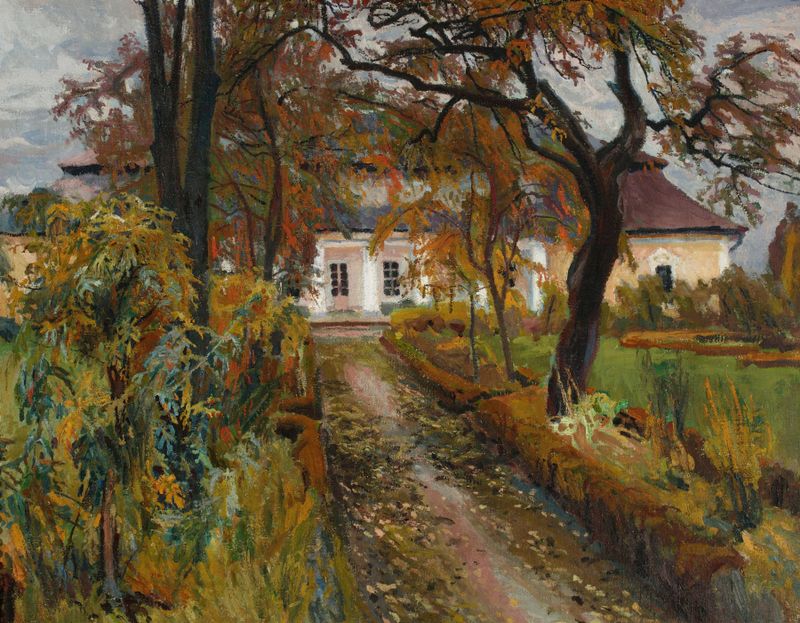
Manor house in autumn
Stanisław Kamocki
More Religious Art
Browse all →
The Return of the Prodigal Son
Rembrandt van Rijn

The Garden of Earthly Delights
El Bosco

Count Orgaz’ funeral
El Greco

The Hundred Guilder Print: the central piece with Christ preaching, the plate arched
Rembrandt van Rijn

The Descent from the Cross
Rogier van der Weyden

The return of the prodigal son
Rembrandt van Rijn