St-Efflam — History & Facts
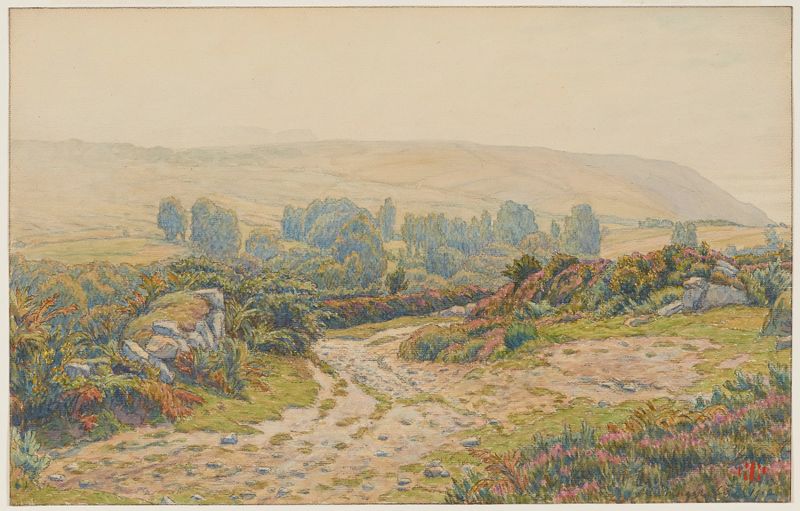
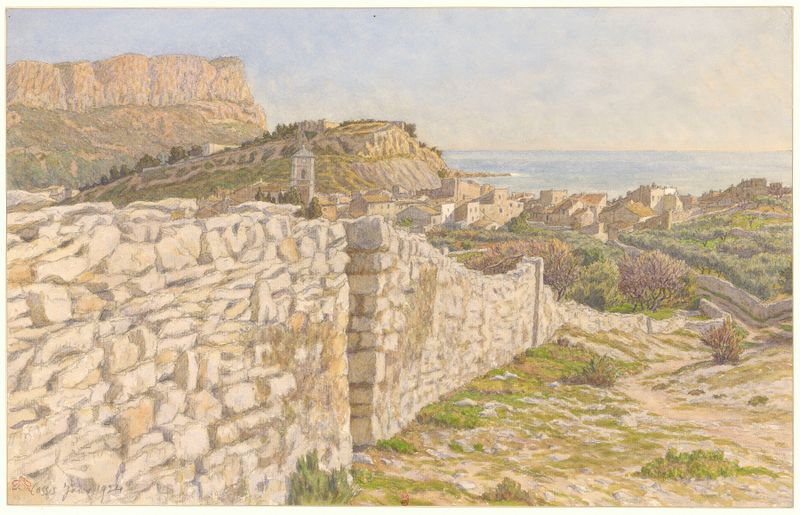
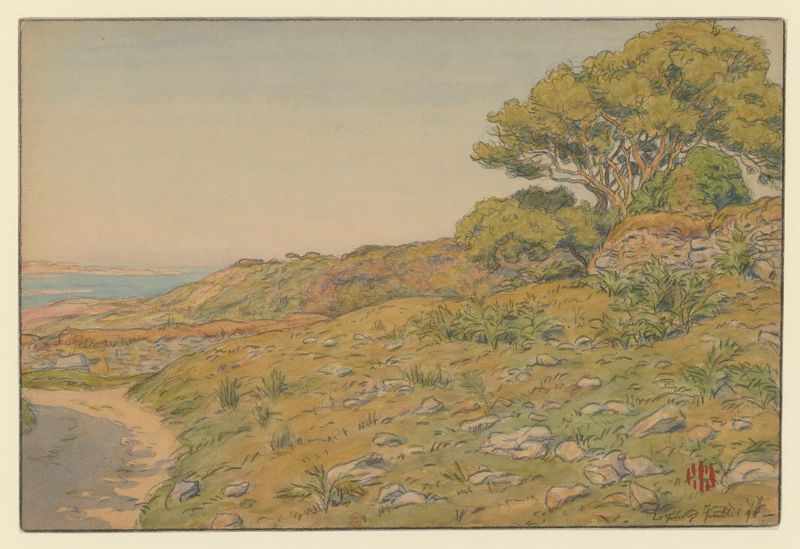
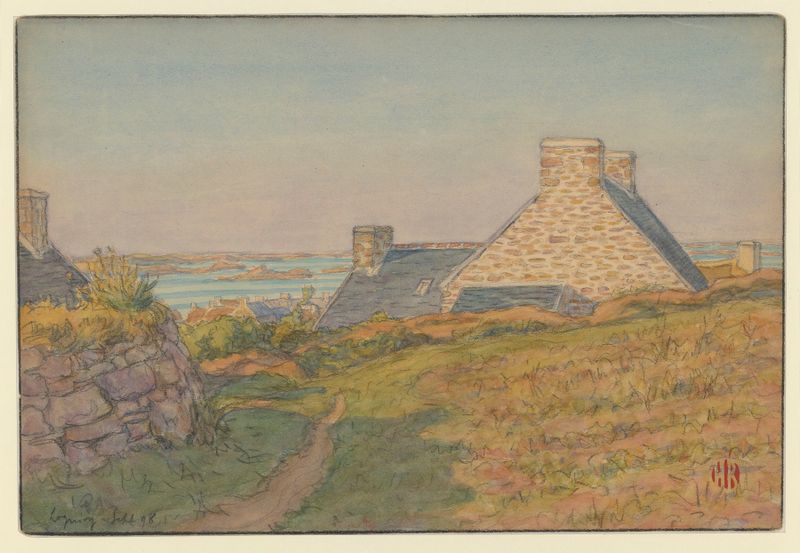
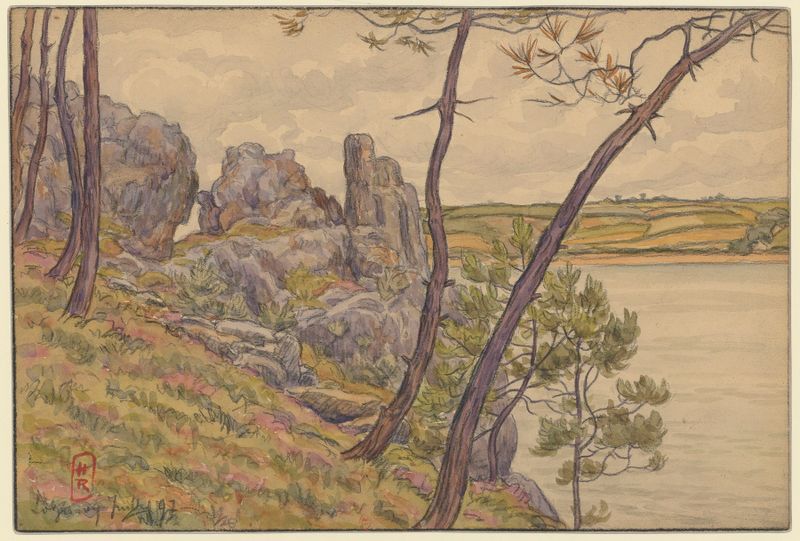
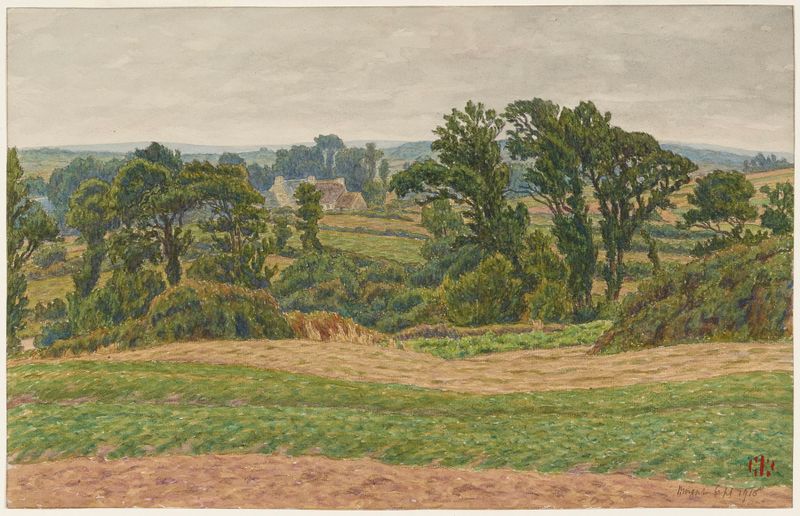
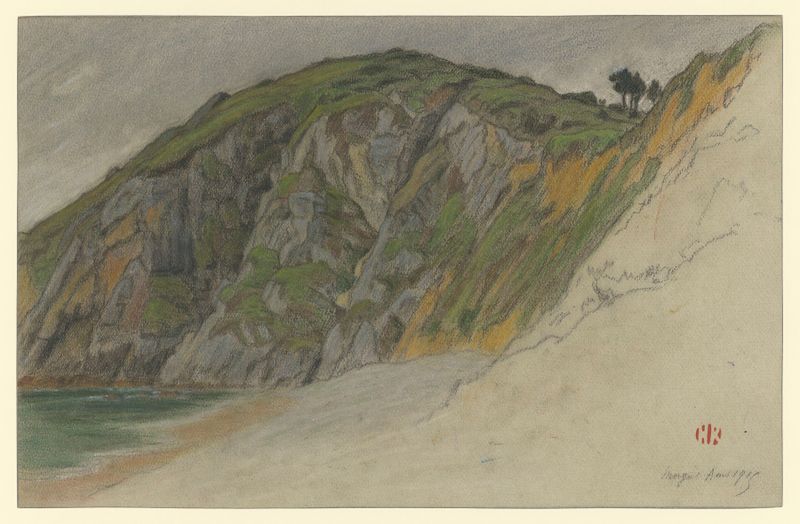
Can paint confess what words never could? In St-Efflam, a haunting landscape captures the melancholy of loss, speaking to the quiet ache that lingers in the heart long after words have faded. Look to the horizon, where the muted blues of the ocean meet the grayed sky, blending seamlessly into one another. The gentle brushstrokes create a soft, dreamlike quality, drawing you into the stillness of the scene. Notice how the light glimmers on the water's surface, a stark contrast to the dark, jagged cliffs that loom protectively in the foreground, suggesting a barrier between the viewer and the depths beneath.
The composition invites reflection, evoking a sense of solitude that resonates with the deeply personal nature of the experience. Delve deeper into the painting, and you’ll find an emotional tension between serenity and foreboding. The tranquil water offers a sense of peace, yet the overcast sky hints at an impending storm, symbolizing the weight of memory that can suddenly overwhelm. Small details, such as the faint outline of a boat in the distance, evoke thoughts of journeys taken and lost connections, adding layers of meaning to the coastal expanse.
Each element serves as a reminder of the transient beauty of life and the indelible marks left by those we have loved and lost. Henri Rivière created St-Efflam in 1914, during a period when he sought solace in the natural world amidst the chaos of the approaching World War I. Living in France, he was deeply influenced by his surroundings and the Symbolist movement, which emphasized emotion and the beauty of the ephemeral. This artwork reflects his personal struggles and the collective grief of a society on the brink of profound change.