St-Efflam — History & Facts
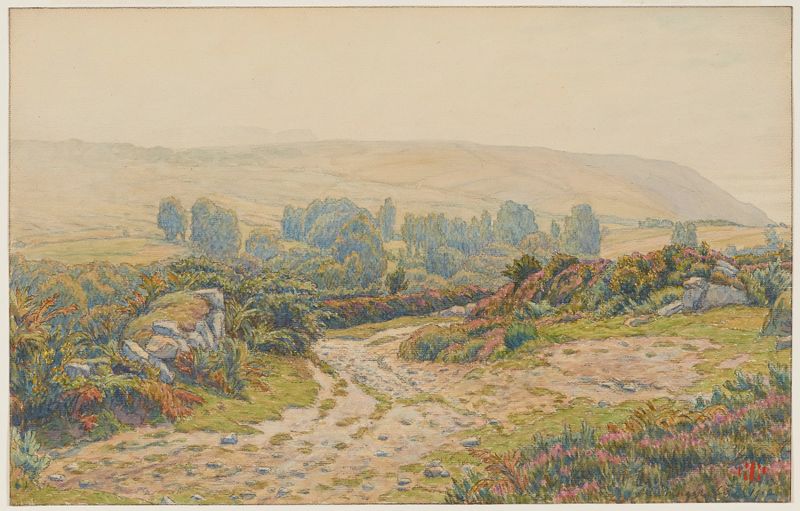
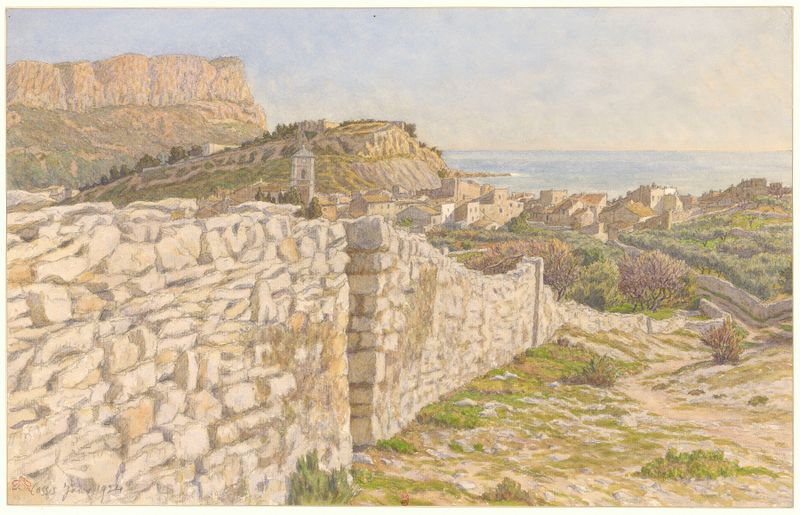
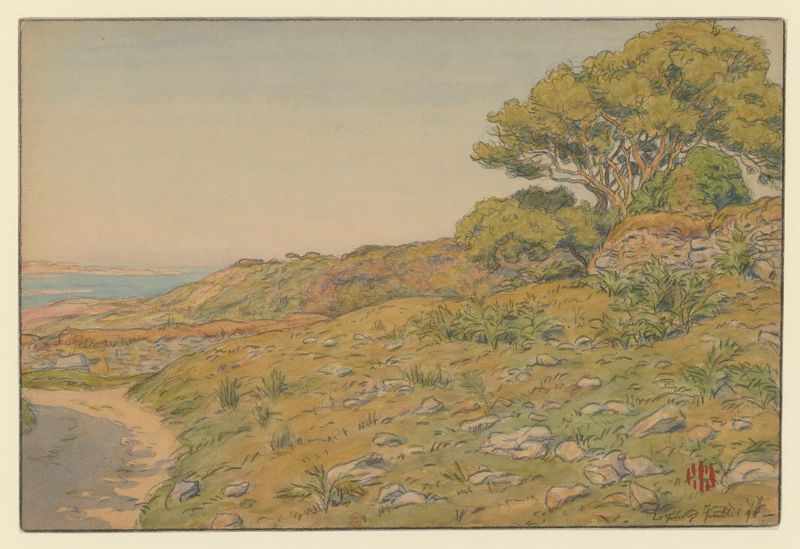
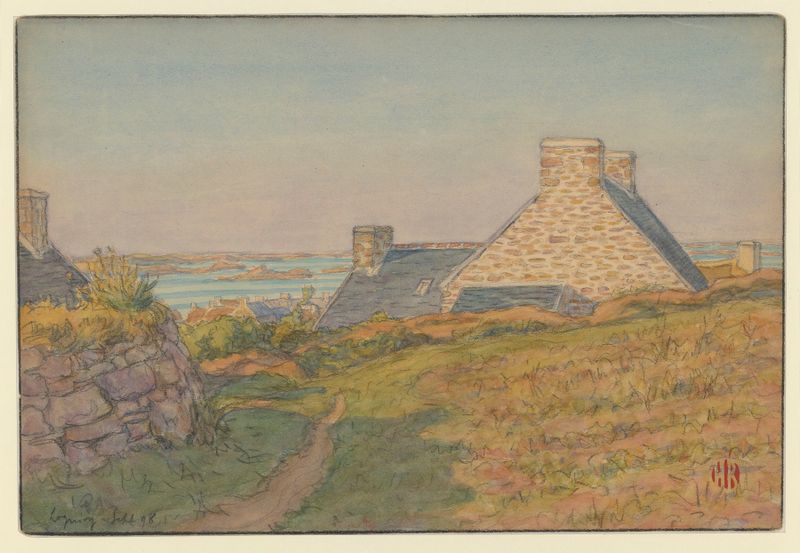
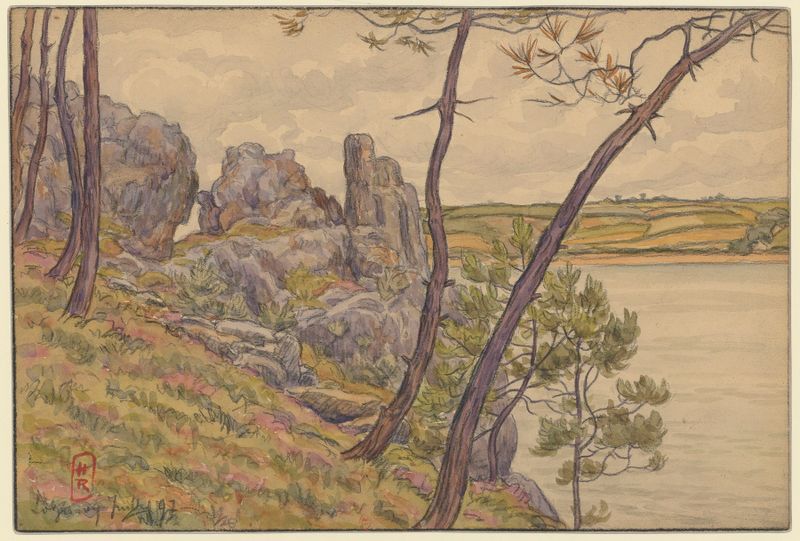
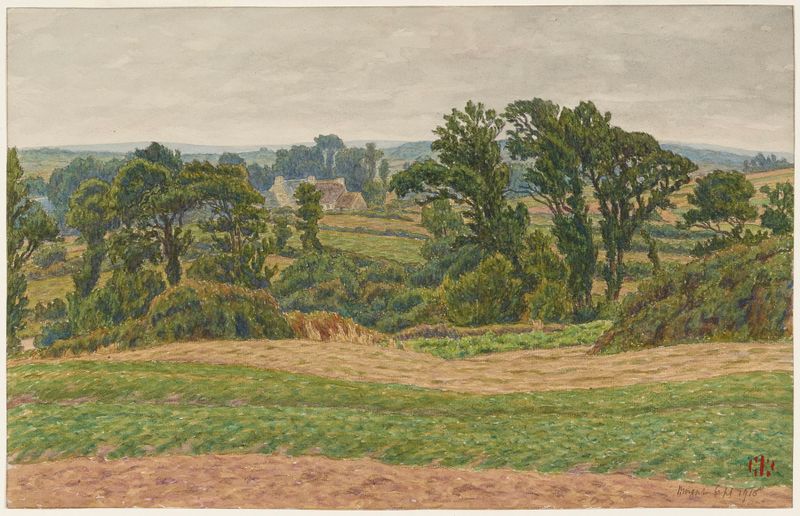
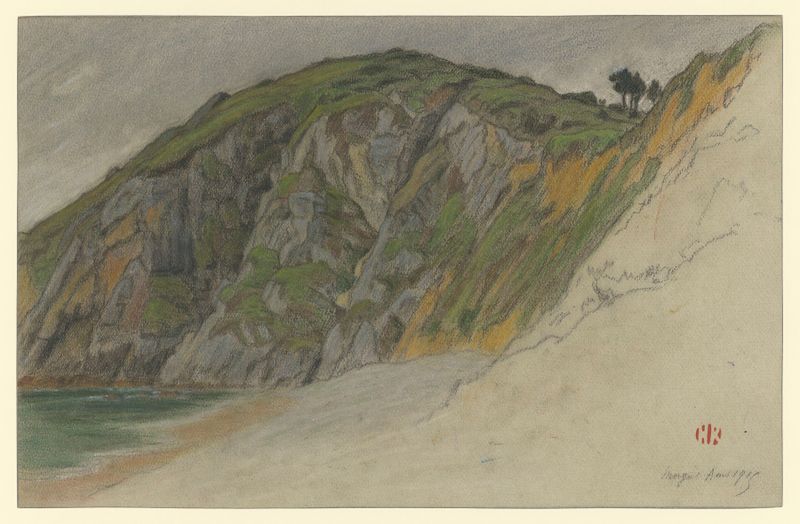
Can paint confess what words never could? In St-Efflam, the weight of melancholy hangs heavy in the air, inviting viewers to explore the depths of emotion that silence often conceals. Look to the left of the canvas, where the gentle undulation of the coastline meets the restless sea. The muted palette of blues and grays envelops the viewer, evoking a sense of introspection. Notice how the soft strokes capture the dynamic movement of water, as if it breathes with the rhythm of unspoken thoughts.
The sky looms overhead, heavy with clouds, while a solitary figure stands on the shore—vulnerable yet resolute, embodying the tension between nature and human existence. In this poignant tableau, contrasts emerge between the serenity of the landscape and the turmoil within the solitary figure. The vastness of the ocean suggests both isolation and freedom, reflecting the complexity of human emotions. The figure’s posture hints at contemplation or perhaps longing, drawing attention to the delicate balance of hope and despair.
Each brushstroke resonates with a subtle yet profound narrative, elevating the painting beyond mere representation. Henri Rivière painted St-Efflam in 1914, during a period marked by personal and political upheaval in Europe. At this time, he was exploring his unique approach to landscape painting, blending impressionistic techniques with elements of symbolism. As the world prepared to plunge into war, Rivière sought refuge in nature, channeling his feelings of uncertainty and melancholy into his work.