St. John — History & Facts
When El Greco painted St. John in 1592, he was at the height of his reputation in Toledo, and this work is one of several versions he created of the beloved apostle. What sets this particular painting apart is its striking departure from traditional representations: El Greco renders St.
John not as a bearded elder, but as a youthful visionary, his features elongated and his gaze uplifted, as if caught in a moment of revelation. The exact commission for this work remains uncertain, but its style and format suggest it may have been intended for private devotion, rather than a grand altarpiece. The painting captures St. John the Evangelist at the moment of divine inspiration, his right hand gesturing upward as if receiving the Word.
In his left hand, he holds a chalice from which a serpent emerges—a symbol drawn from the legend in which John, challenged to drink poisoned wine, survives unharmed, affirming his faith. The swirling, almost unreal landscape behind him, painted in cool blues and greens, heightens the sense of spiritual drama. Unlike the solid, grounded figures of Titian or Raphael, El Greco’s John seems to hover between earth and heaven, his body stretched by inner vision.
The light, falling from above, bathes his face and hands, focusing our attention on the intensity of his spiritual experience. The physical history of this particular St. John is less documented than some of El Greco’s larger commissions, but its style aligns with works produced during his prolific Toledo period, when he was sought after by both religious institutions and private patrons. Over the centuries, the painting has been admired for its bold color and expressive form, hallmarks of El Greco’s late style.
Today, it is recognized as a key example of the artist’s unique approach to religious subjects, bridging the traditions of the Renaissance and the emerging Mannerist movement. Its current home in the Museo del Prado places it alongside other masterpieces by El Greco, allowing visitors to trace the evolution of his vision and the enduring fascination of his saints.
More Artworks by El Greco
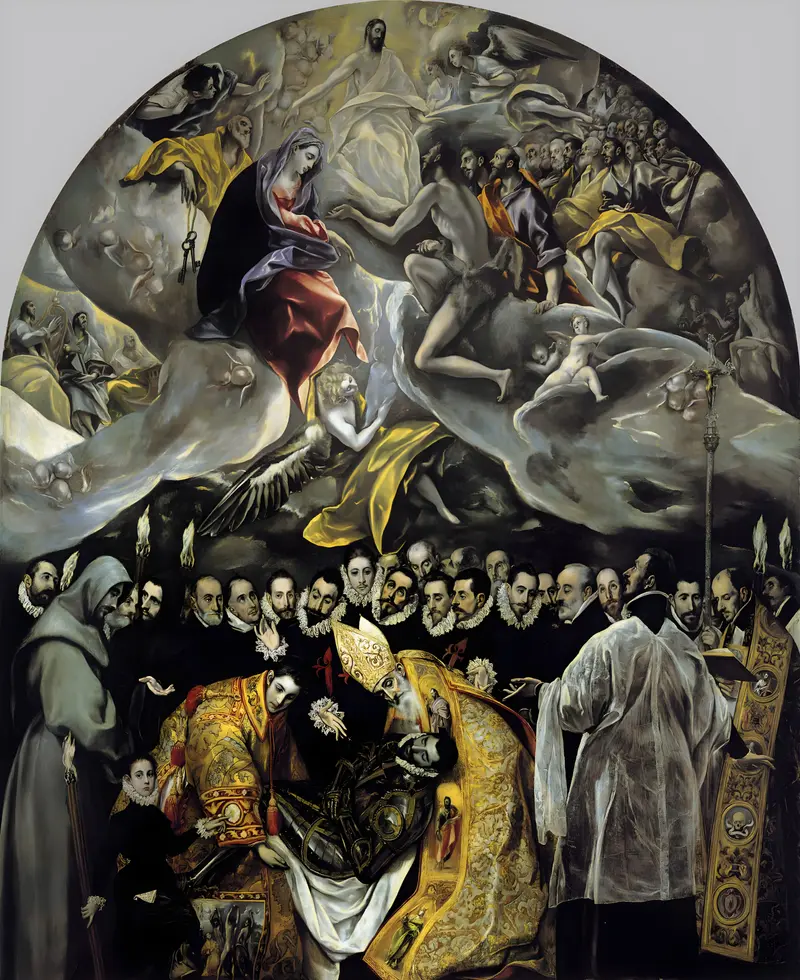
The Burial of the Count of Orgaz
El Greco
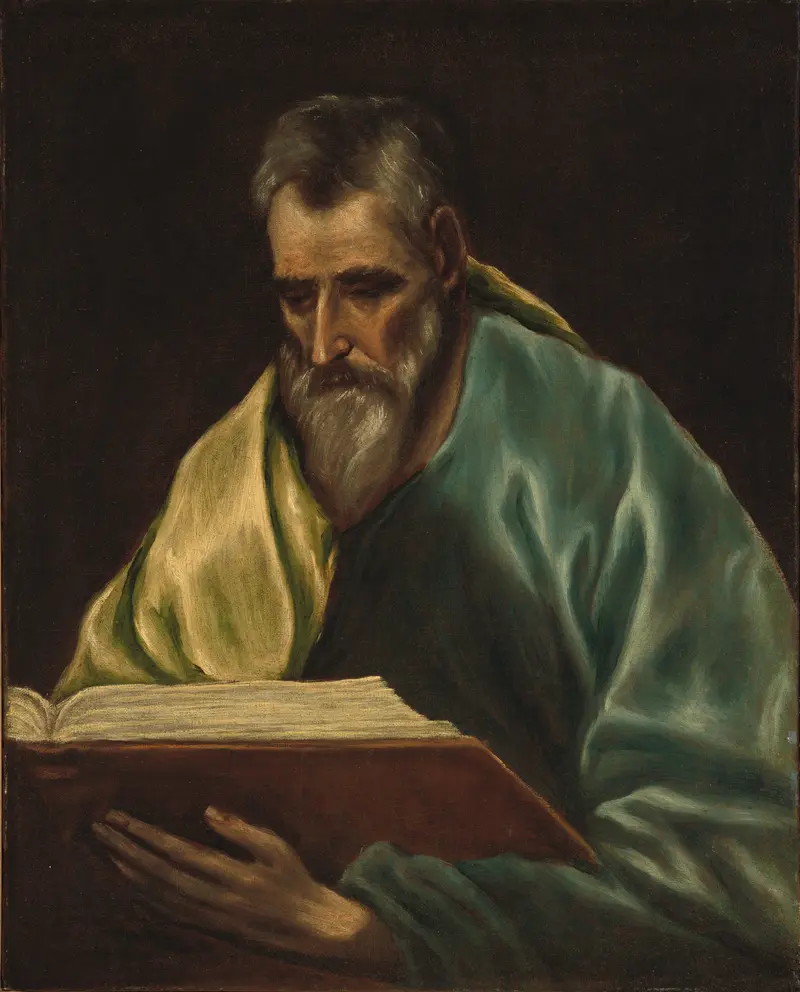
Portrait of an Apostle (Saint Philip)
El Greco
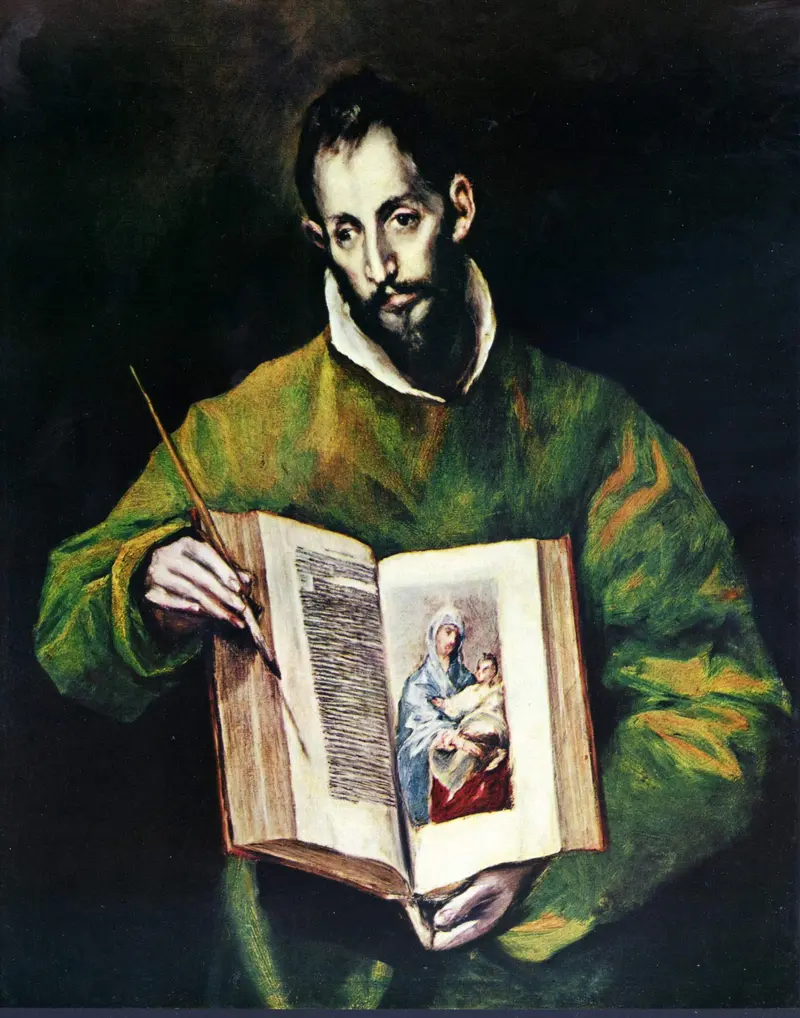
Saint Luke the Evangelist
El Greco
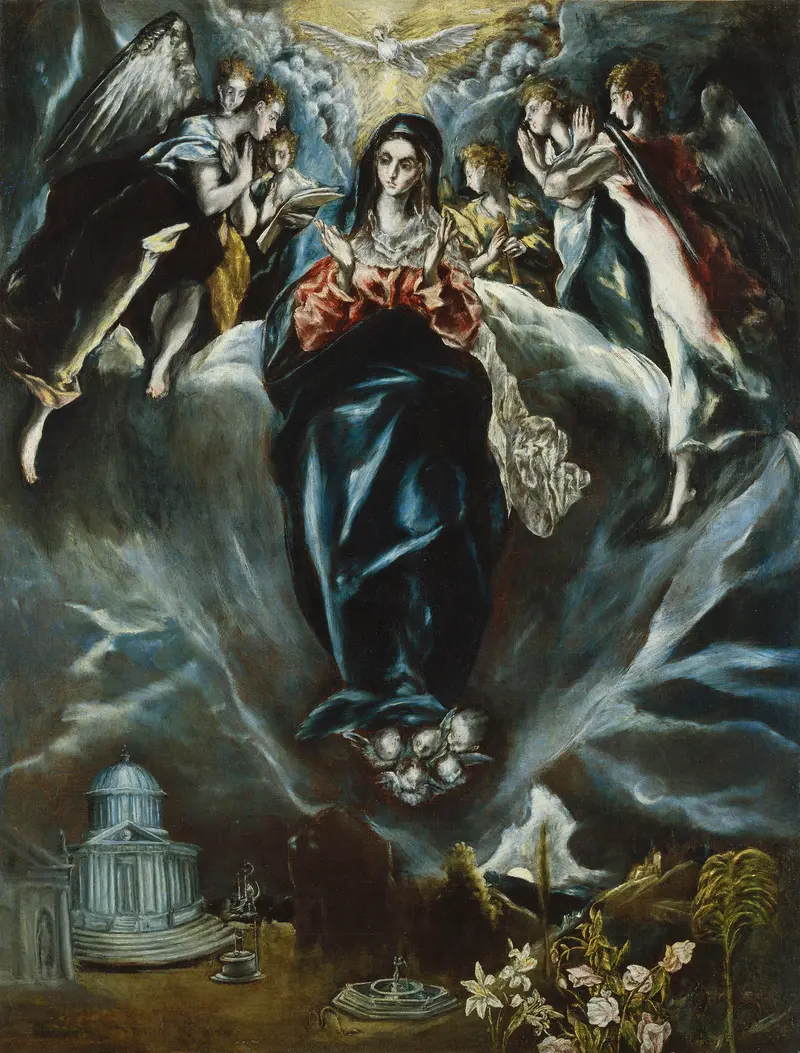
The Immaculate Conception
El Greco
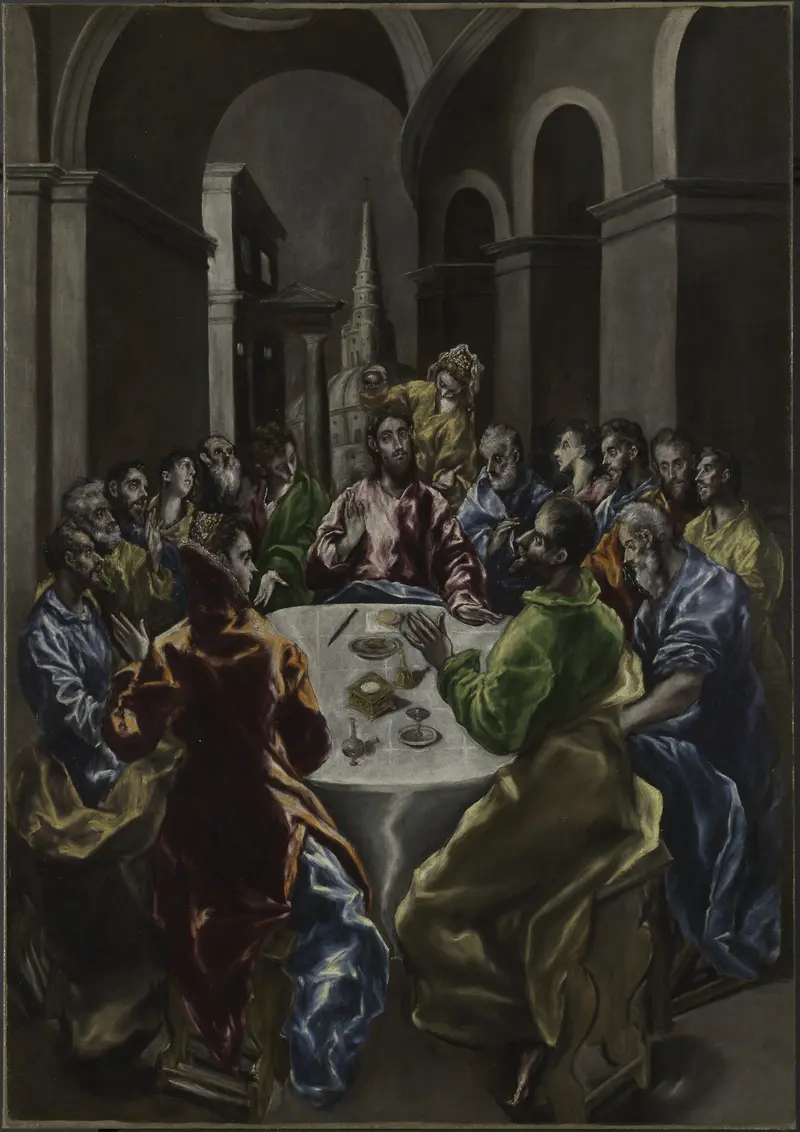
The Feast in the House of Simon
El Greco
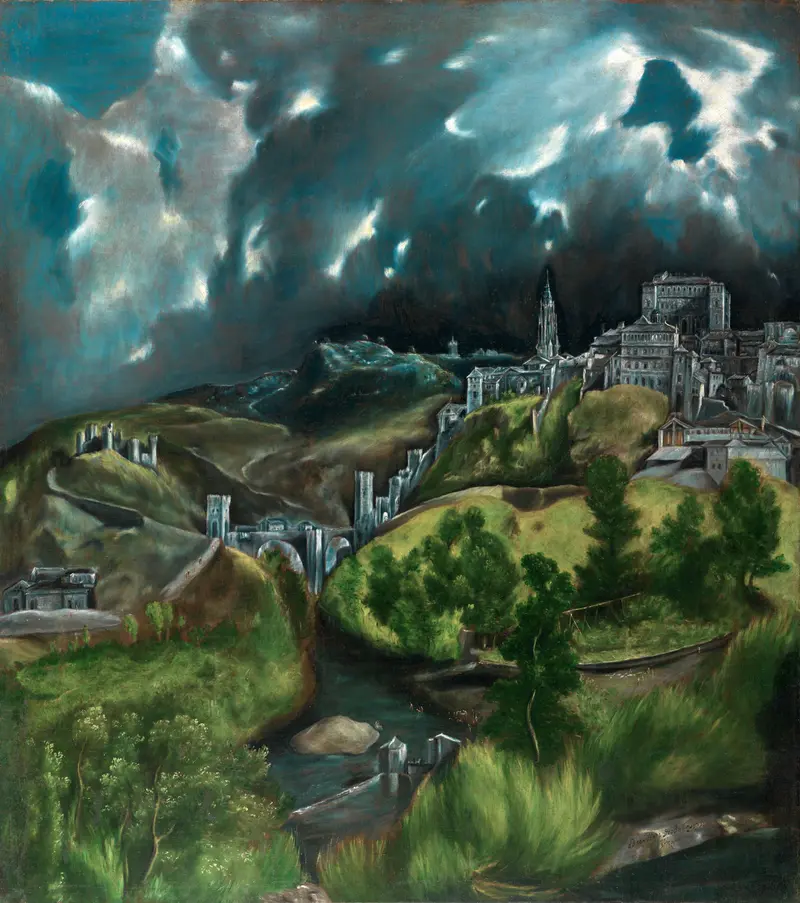
View of Toledo
El Greco
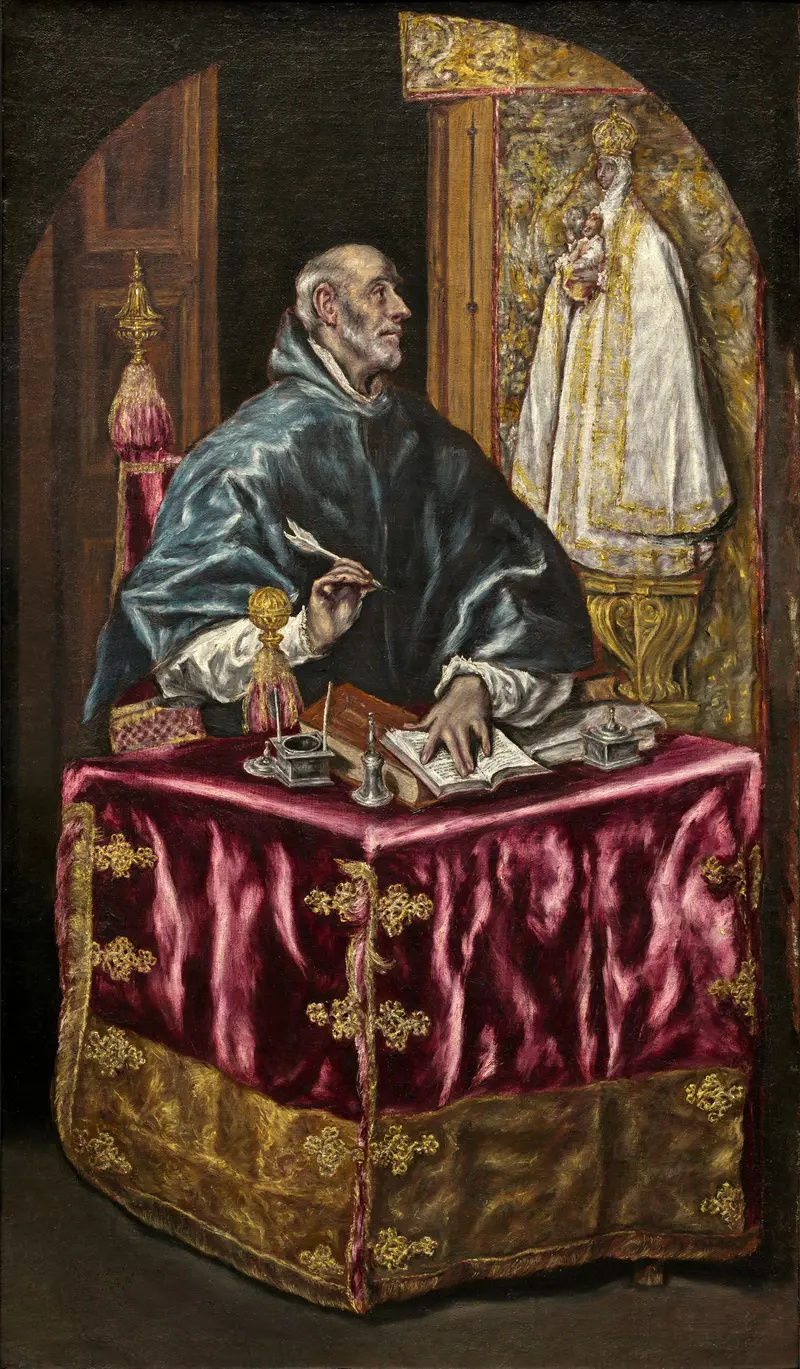
Saint Ildefonso
El Greco
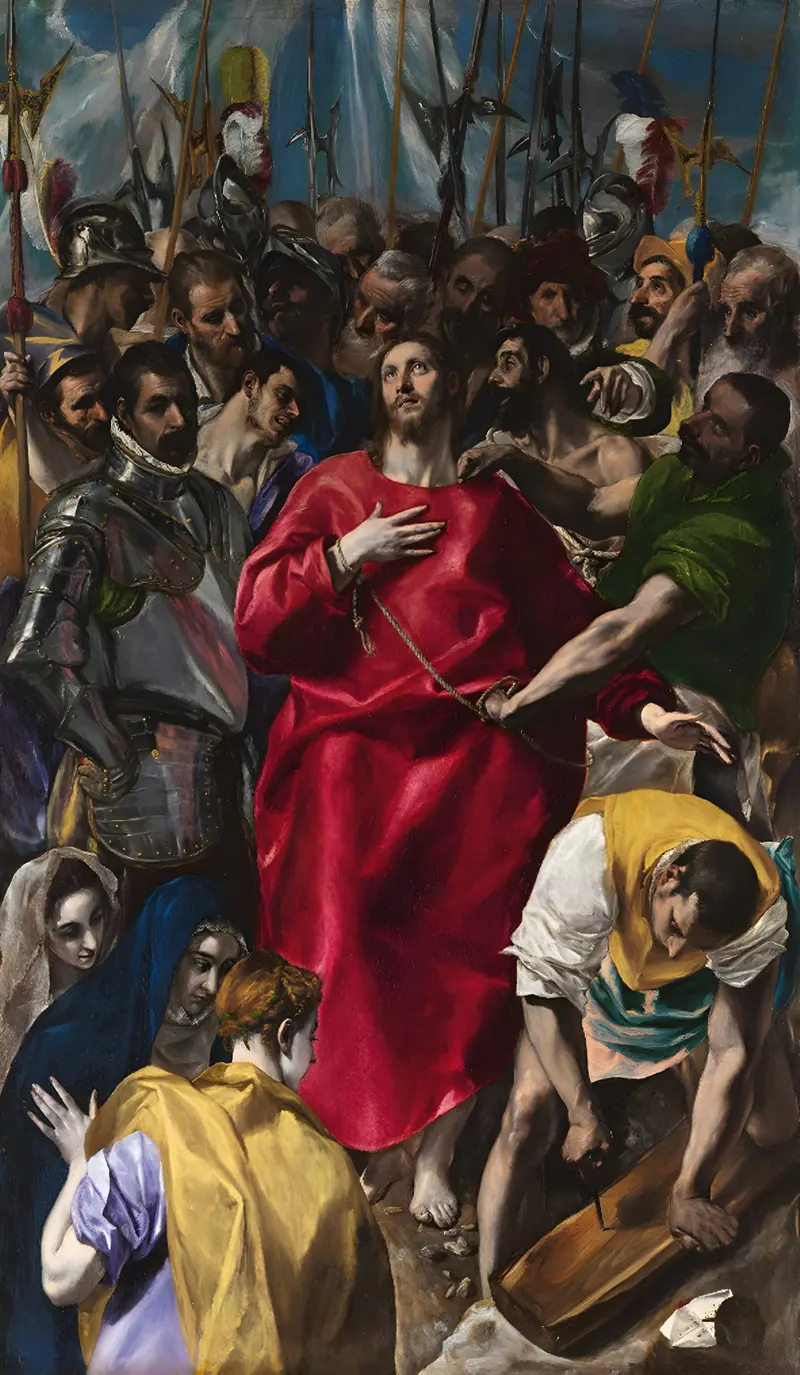
The Disrobing of Christ
El Greco
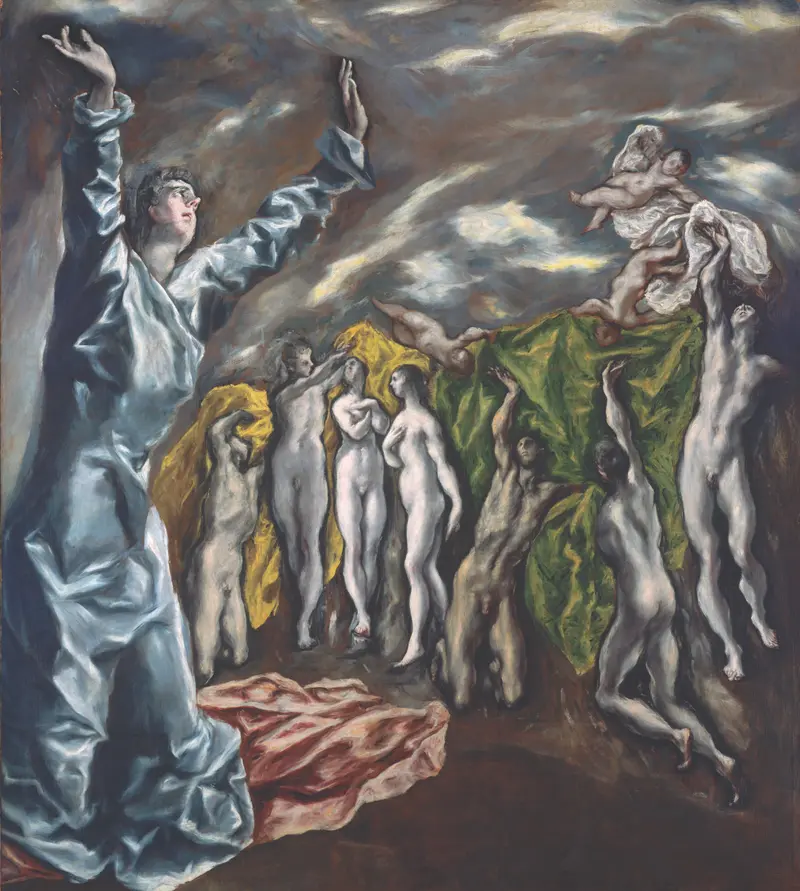
The Vision of Saint John
El Greco
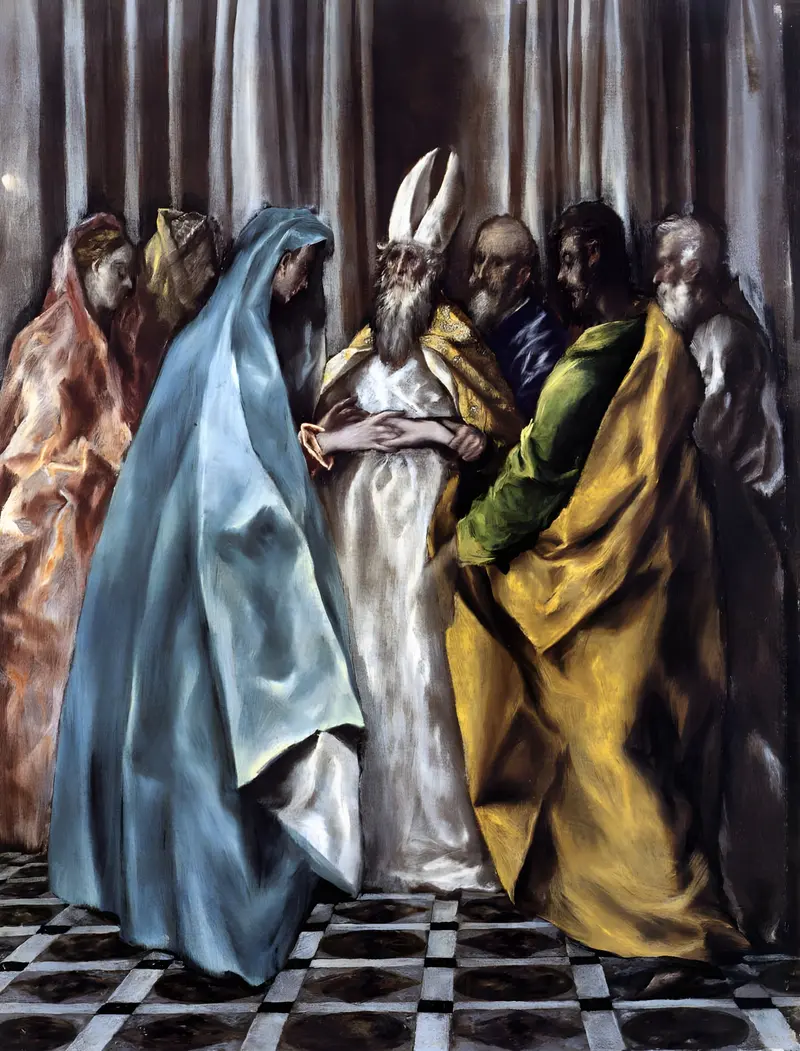
The Marriage of the Virgin
El Greco