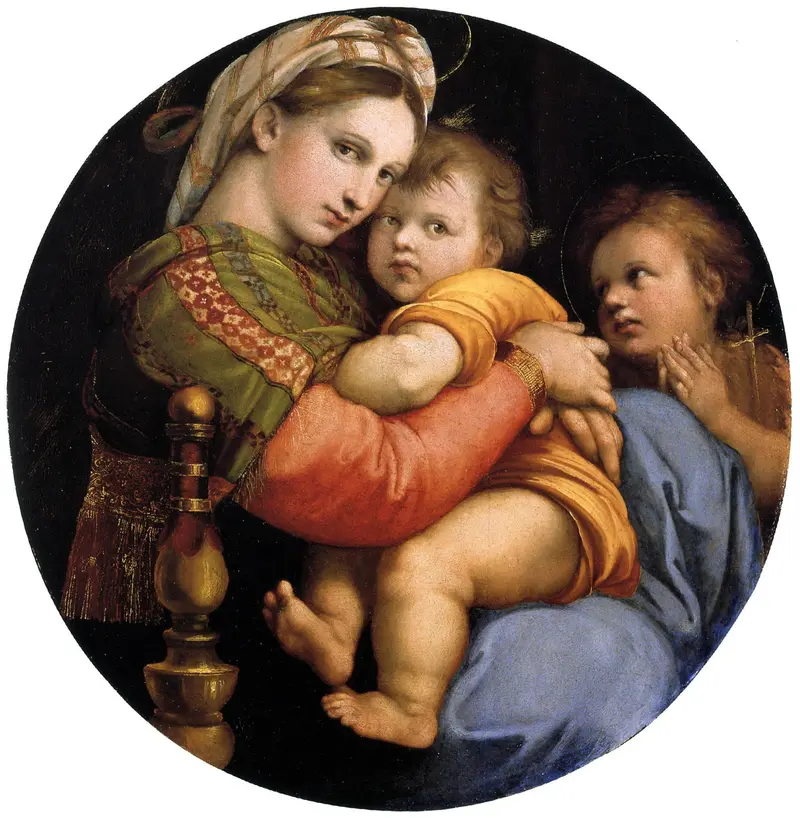
The Immaculate Conception — History & Facts
In 1611, El Greco painted his final version of The Immaculate Conception, a subject he returned to again and again throughout his career. This particular canvas, now in the Museo del Prado, stands as the largest and most ambitious of his treatments, measuring over three meters high. It was commissioned for the church of the Colegio de Doña María de Aragón in Madrid, a prestigious institution that sought to display both theological devotion and artistic innovation.
The painting’s scale and complexity reflect the heated debates of the Counter-Reformation, when Spain’s Catholic rulers promoted the doctrine of Mary’s sinless conception as a point of national pride. The moment El Greco captures is one of celestial revelation: the Virgin Mary, robed in blue and white, rises weightless above a crescent moon, hands folded in humility. Angels swirl around her in a whirling column of light, bearing lilies and roses—symbols of purity. Below, a garden blooms with palm, olive, and cypress, each plant chosen for its Marian associations.
The dramatic elongation of Mary’s figure, her almond-shaped eyes lifted heavenward, and the turbulent, flame-like clouds are hallmarks of El Greco’s late style, pushing the boundaries of form and color. Unlike the serene, earthbound Virgins of Murillo or Zurbarán, here the Immaculate Conception is a vision on the edge of the miraculous, suspended between heaven and earth. After the dissolution of the Colegio in the 19th century, The Immaculate Conception entered the royal collections and eventually found its home in the Prado. Over the centuries, the painting has sparked both admiration and debate: some early critics were unsettled by its daring distortions, while others praised its spiritual intensity.
Today, it is recognized as a crowning achievement of El Greco’s Spanish period, marking the culmination of his lifelong fascination with visionary imagery. The painting remains a centerpiece of the Prado’s collection, a testament to the enduring power of faith and imagination in Spanish art.
Sources: Wikidata Q16615831 · Image source (Wikimedia Commons)
More Artworks by El Greco
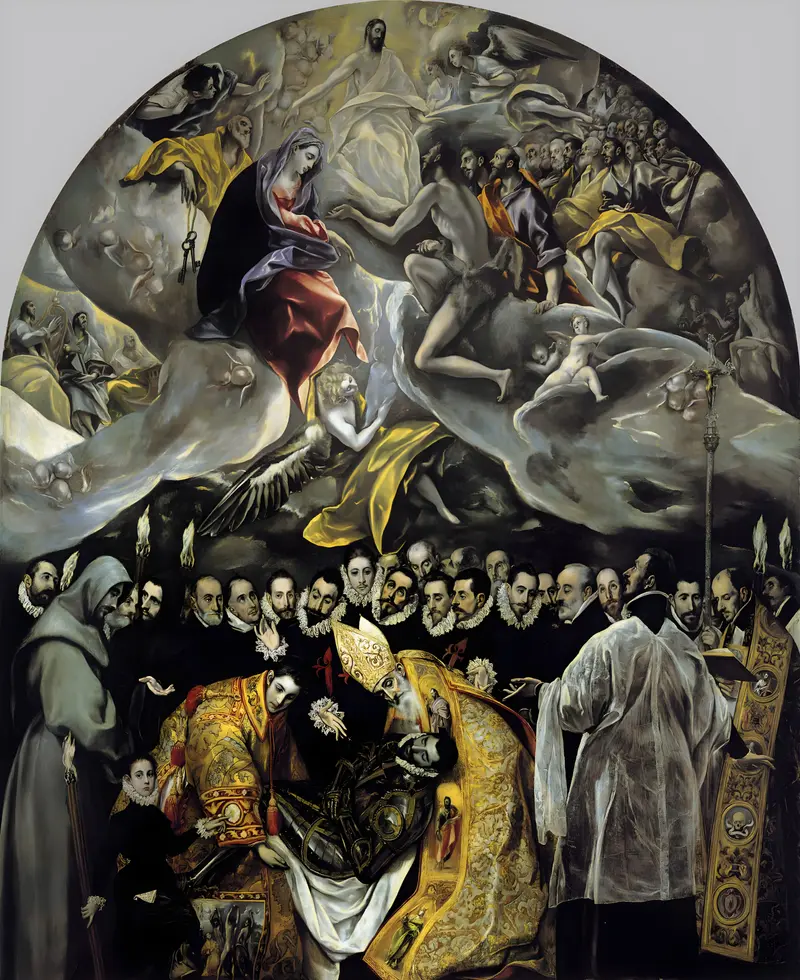
The Burial of the Count of Orgaz
El Greco
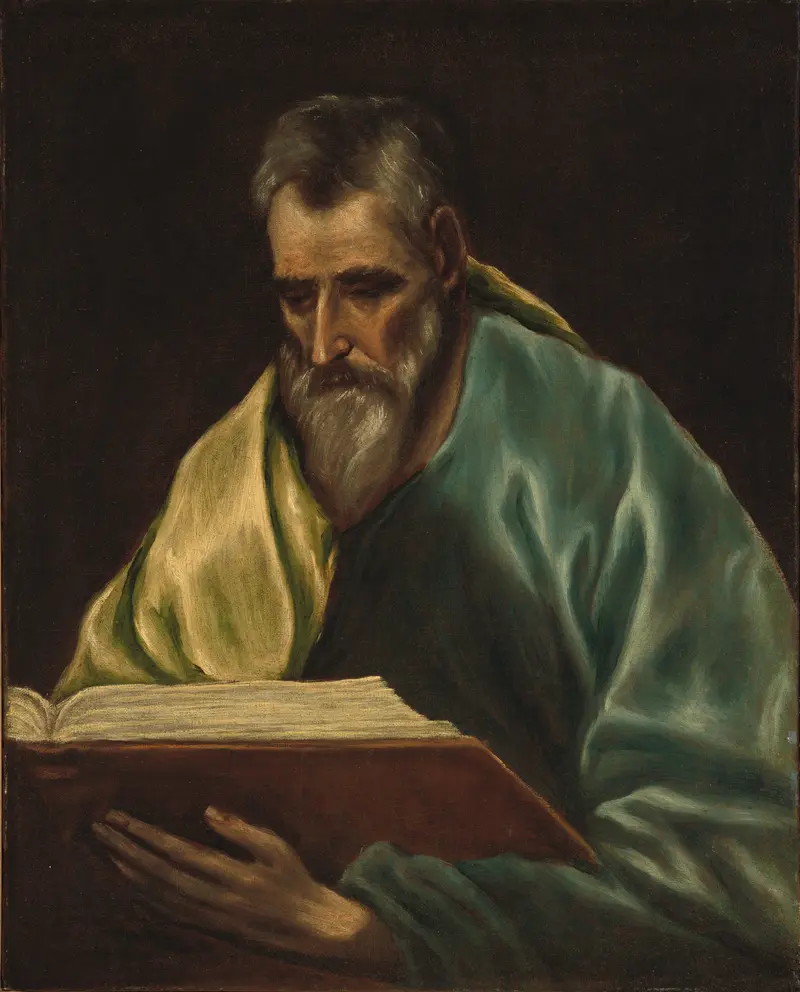
Portrait of an Apostle (Saint Philip)
El Greco
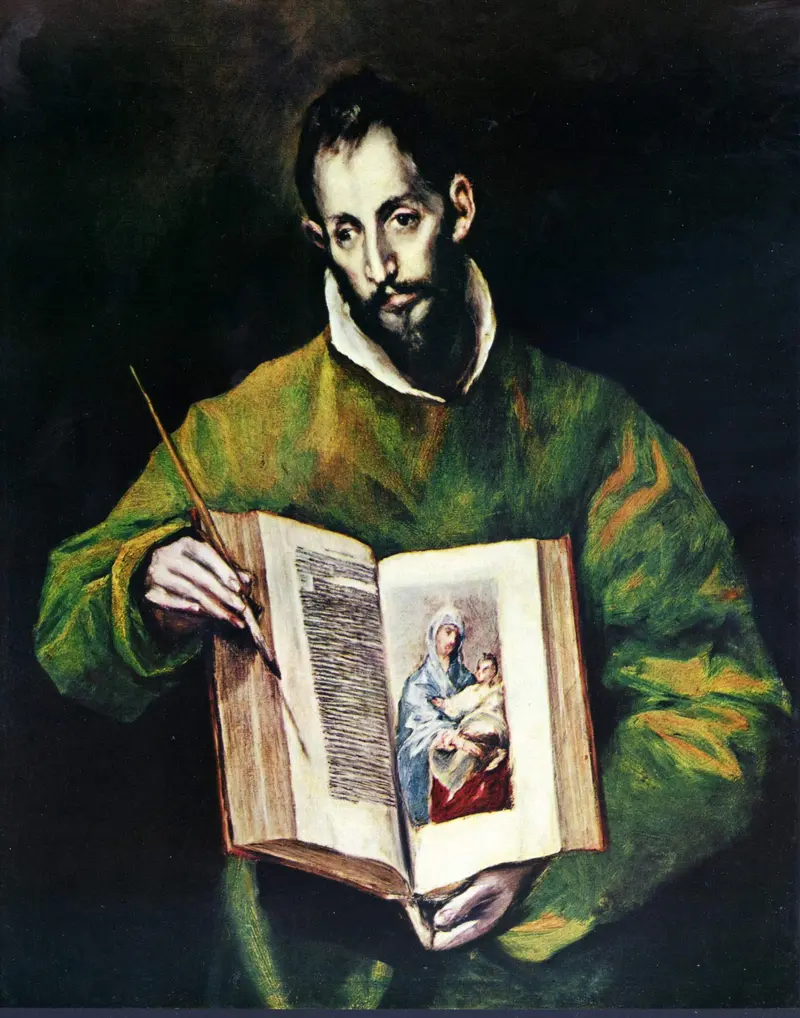
Saint Luke the Evangelist
El Greco
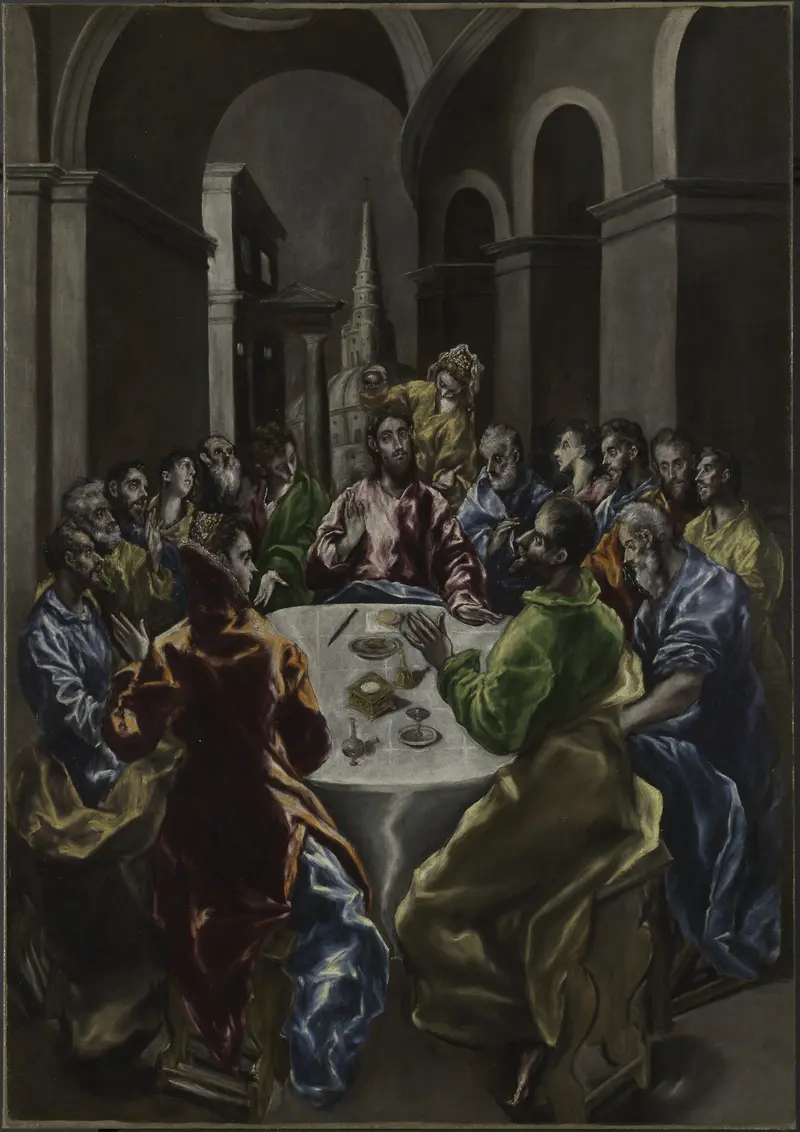
The Feast in the House of Simon
El Greco
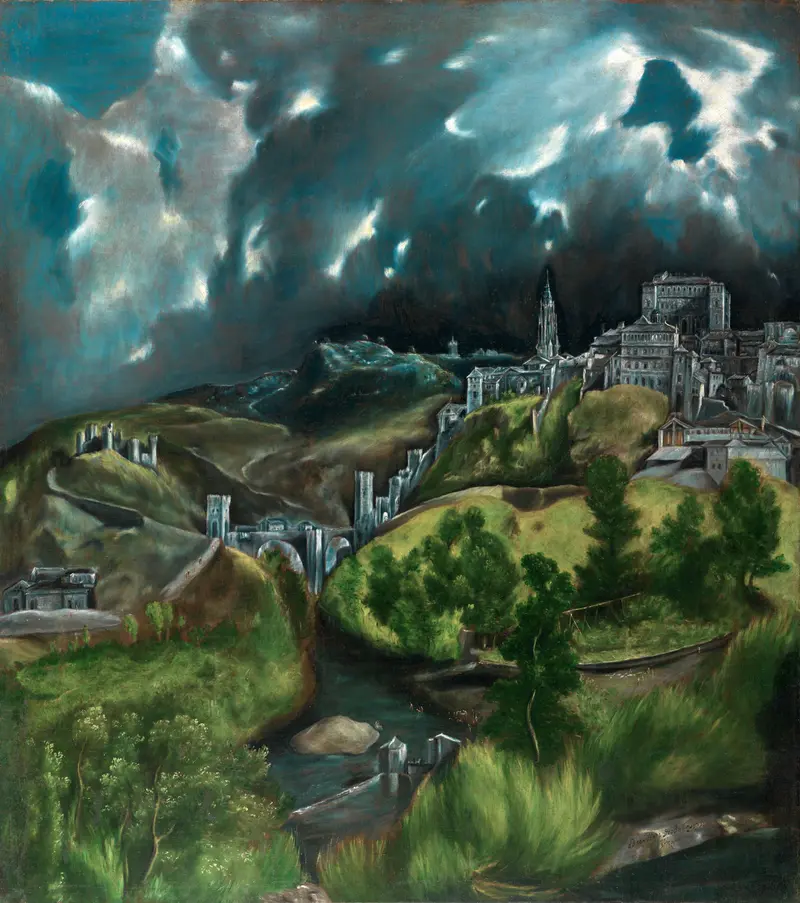
View of Toledo
El Greco
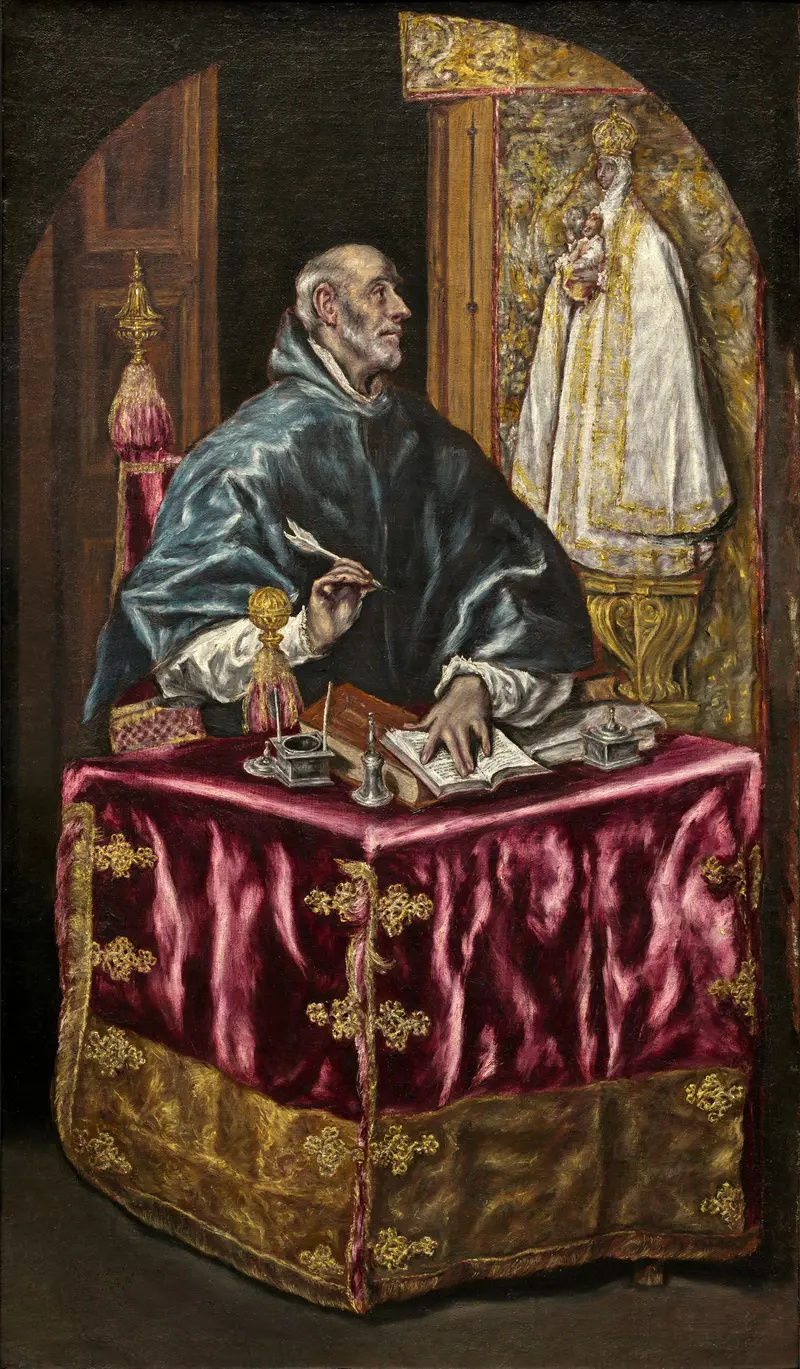
Saint Ildefonso
El Greco
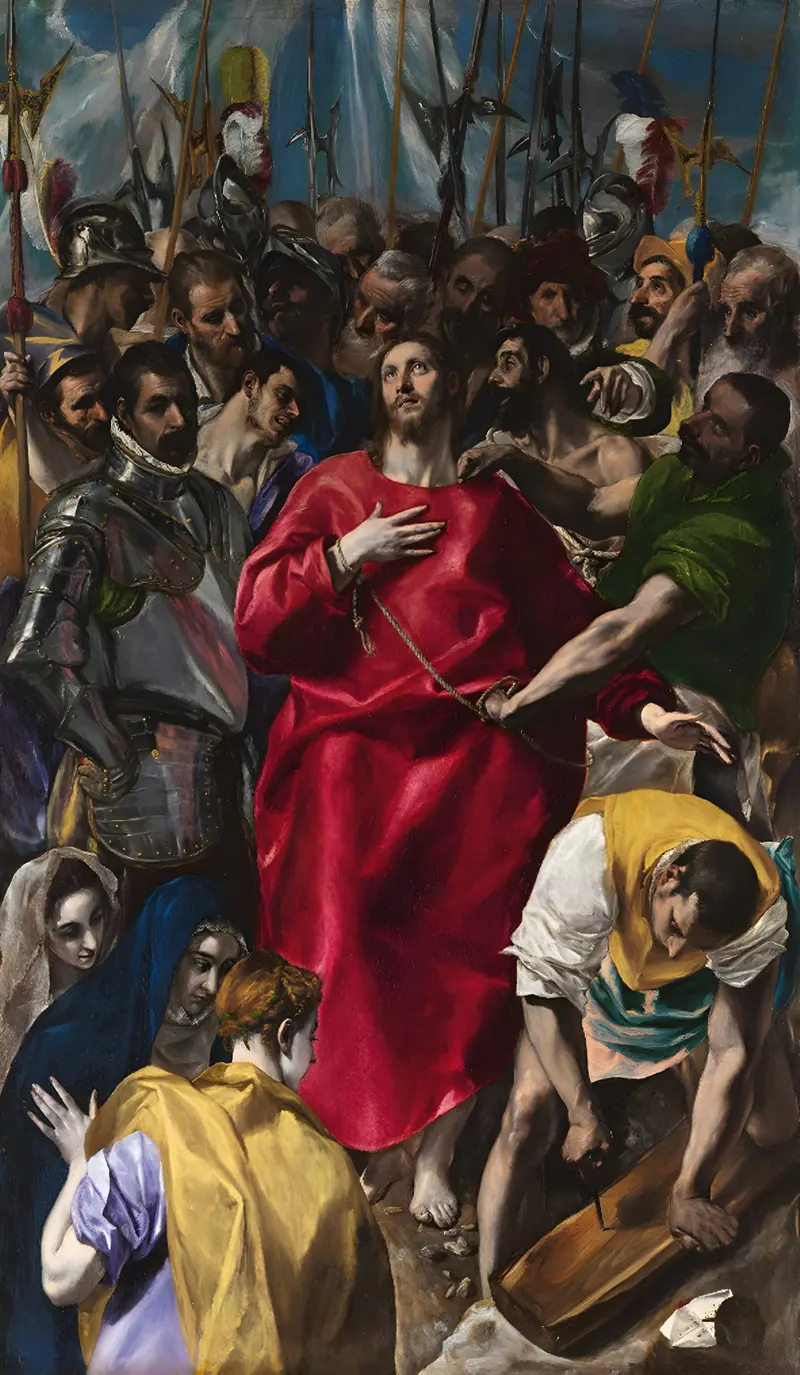
The Disrobing of Christ
El Greco
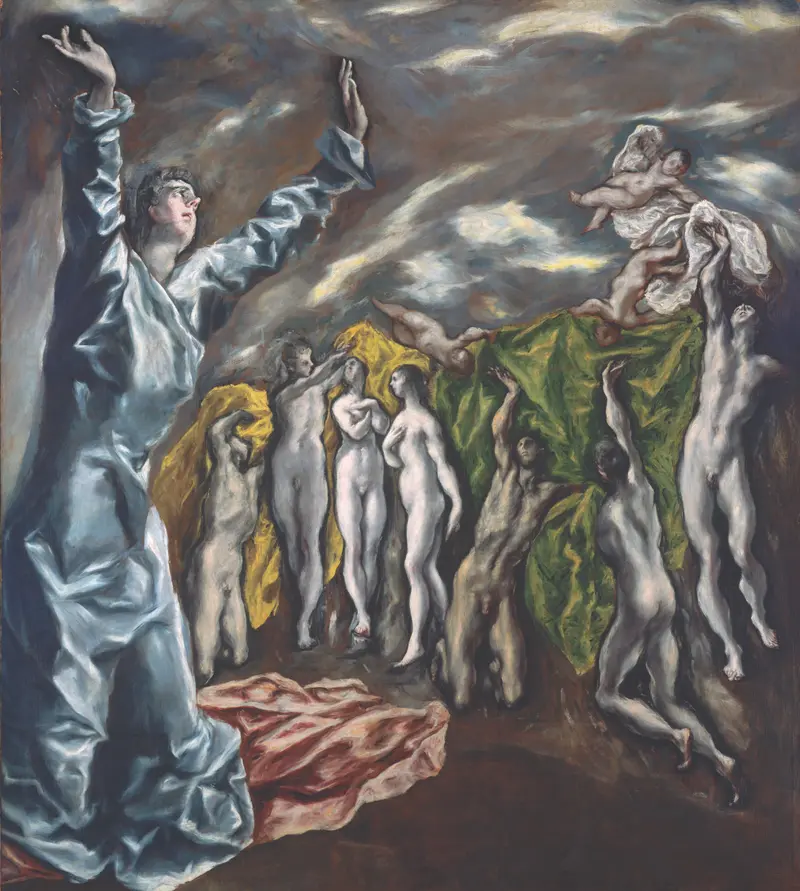
The Vision of Saint John
El Greco
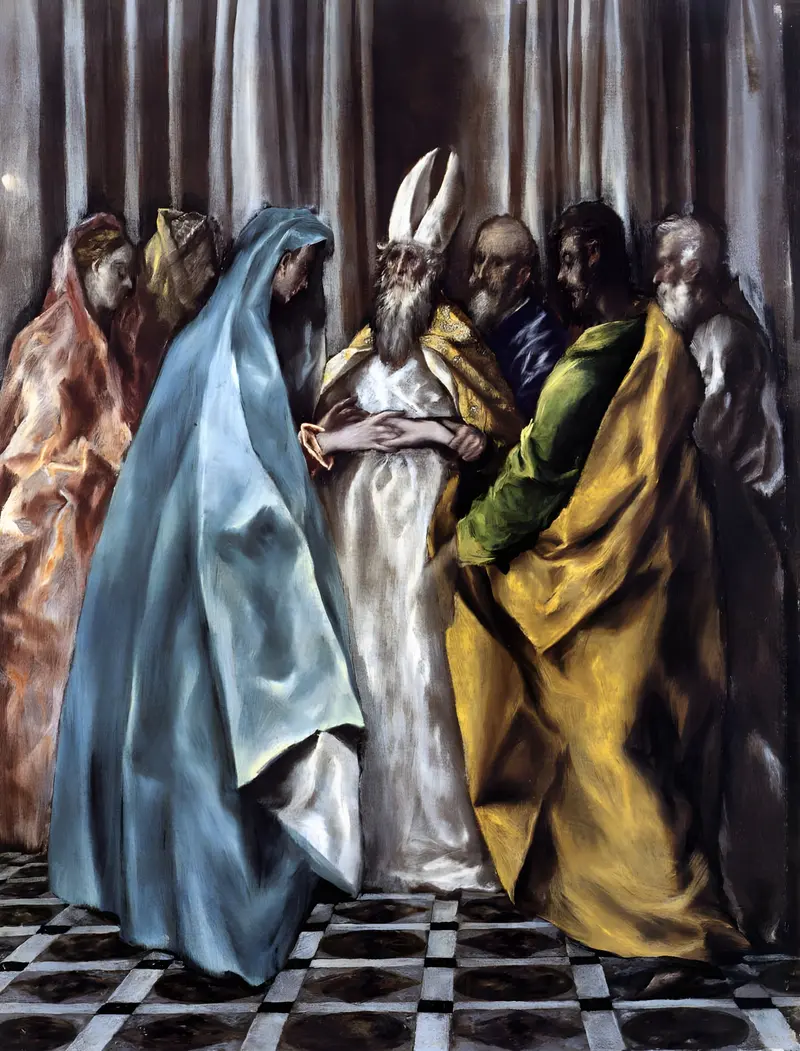
The Marriage of the Virgin
El Greco
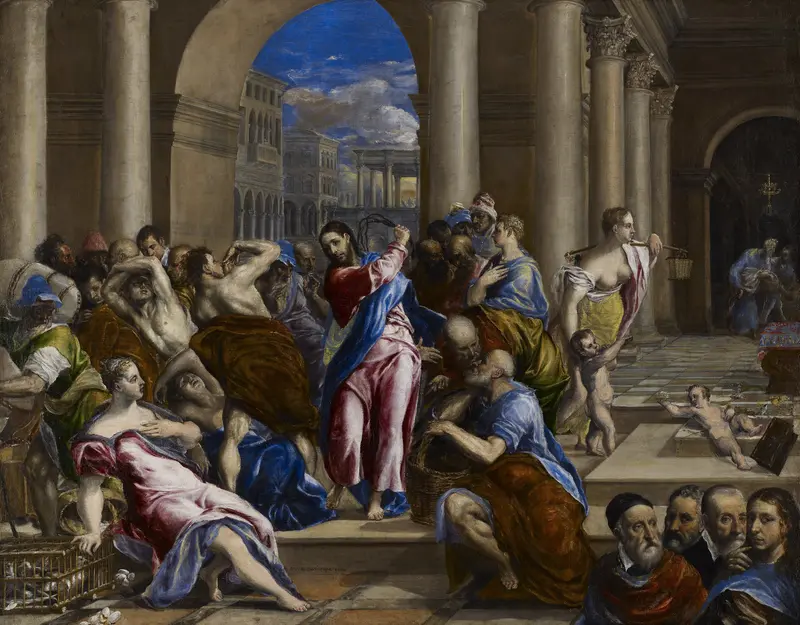
Christ Driving the Money Changers from the Temple
El Greco