Discover insights about this artwork
St. John the Baptist — History & Facts
In St. John the Baptist, Guercino presents a striking figure of the saint, depicted in a dramatic pose. The use of deep, rich colors, particularly the earthy browns and vibrant reds, enhances the emotional intensity of the scene.
The background is dark, which serves to highlight the figure of St. John, who is often associated with wilderness and asceticism. His expression is contemplative, reflecting his role as a prophet. This painting is executed in oil on canvas, a common medium for Baroque artists, allowing for rich textures and depth.
The dimensions are approximately 100 x 130 cm, making it a significant work that draws the viewer's attention. The brushwork is dynamic, with visible strokes that add to the liveliness of the composition. The chiaroscuro technique is evident, creating a strong contrast between light and shadow. Guercino, born Giovanni Francesco Barbieri, was a prominent Italian Baroque painter known for his dramatic use of light and shadow.
This work, created around 1615, showcases his ability to convey emotion through expressive figures. An interesting fact about this painting is that it was once part of a larger altarpiece, which reflects the importance of St. John in Christian iconography.
Today, it resides in the Museo di Capodimonte, where it continues to captivate audiences.
More Artworks by Guercino

The Entombment
Guercino
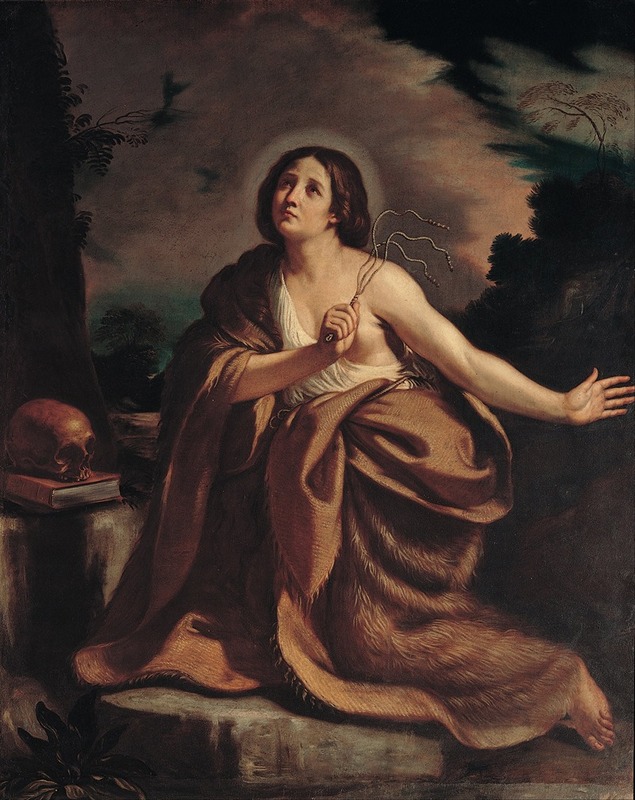
Penitent Magdalene
Guercino
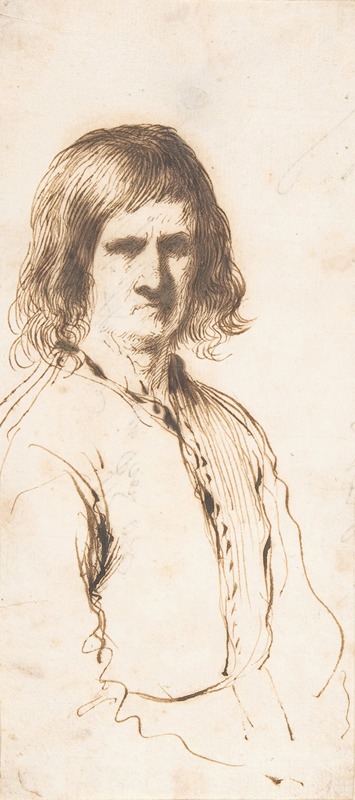
Portrait of Morose Man in Half-Length
Guercino
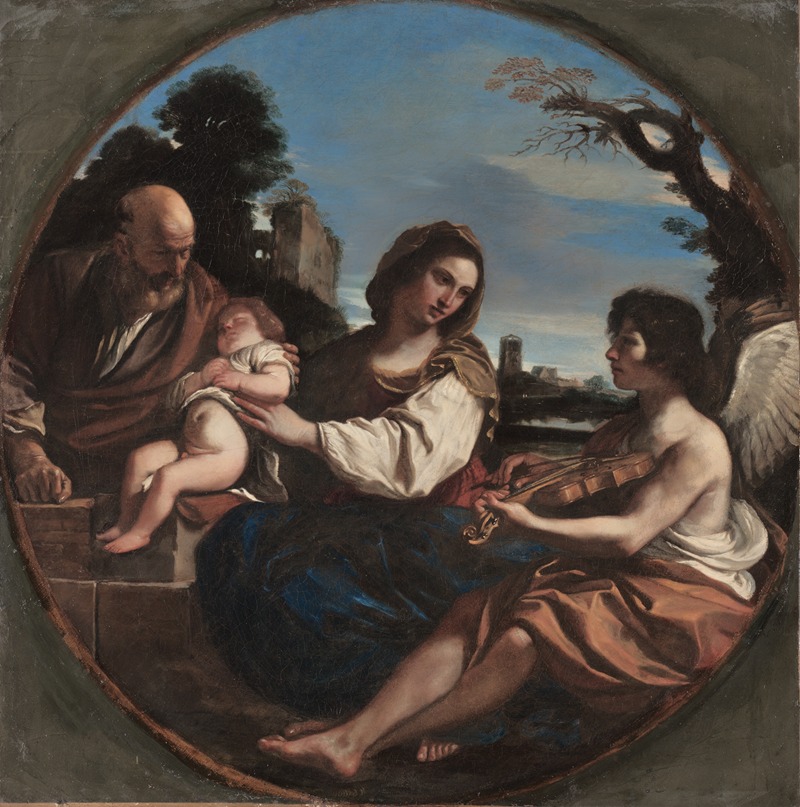
Rest on the Flight into Egypt
Guercino
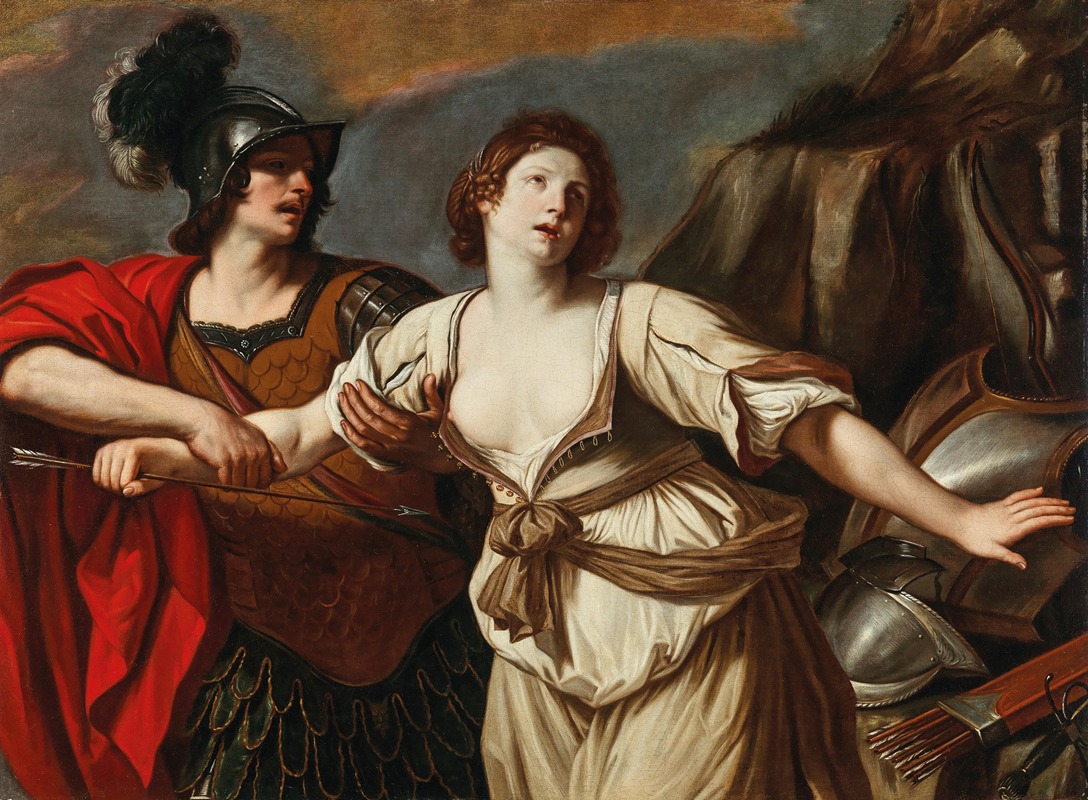
Rinaldo ed Armida
Guercino
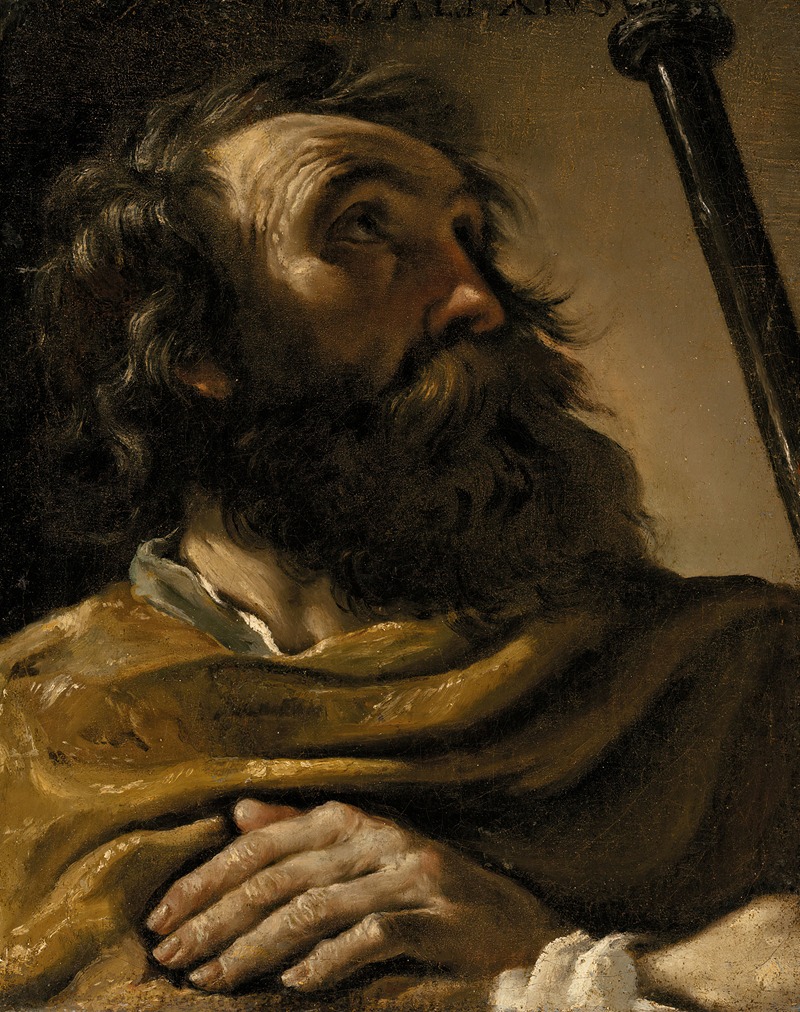
Saint Alexius In A Brown Wrap, Holding A Staff
Guercino
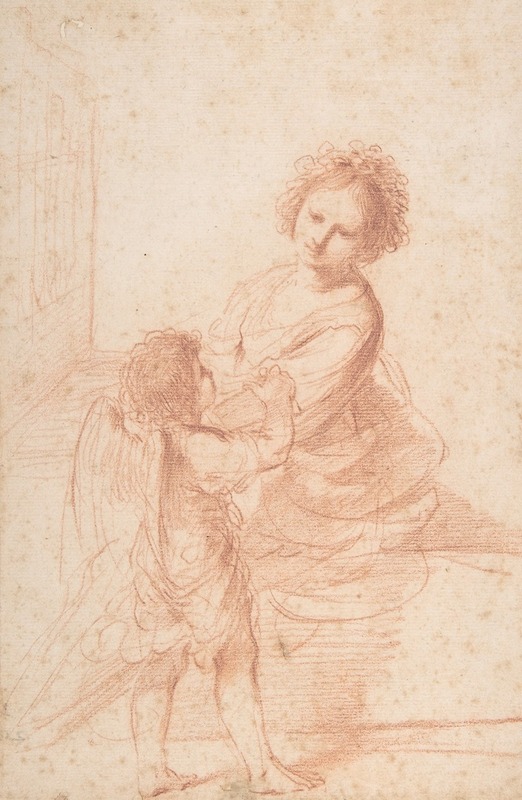
Saint Cecilia Playing the Organ
Guercino
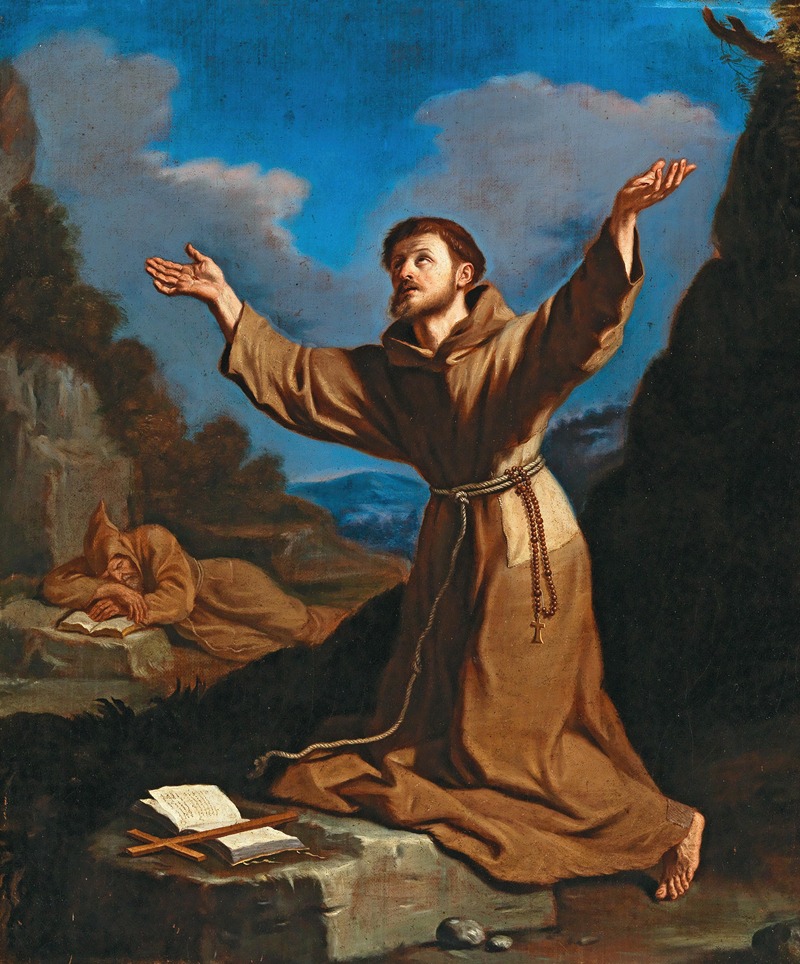
Saint Francis receiving the Stigmata
Guercino
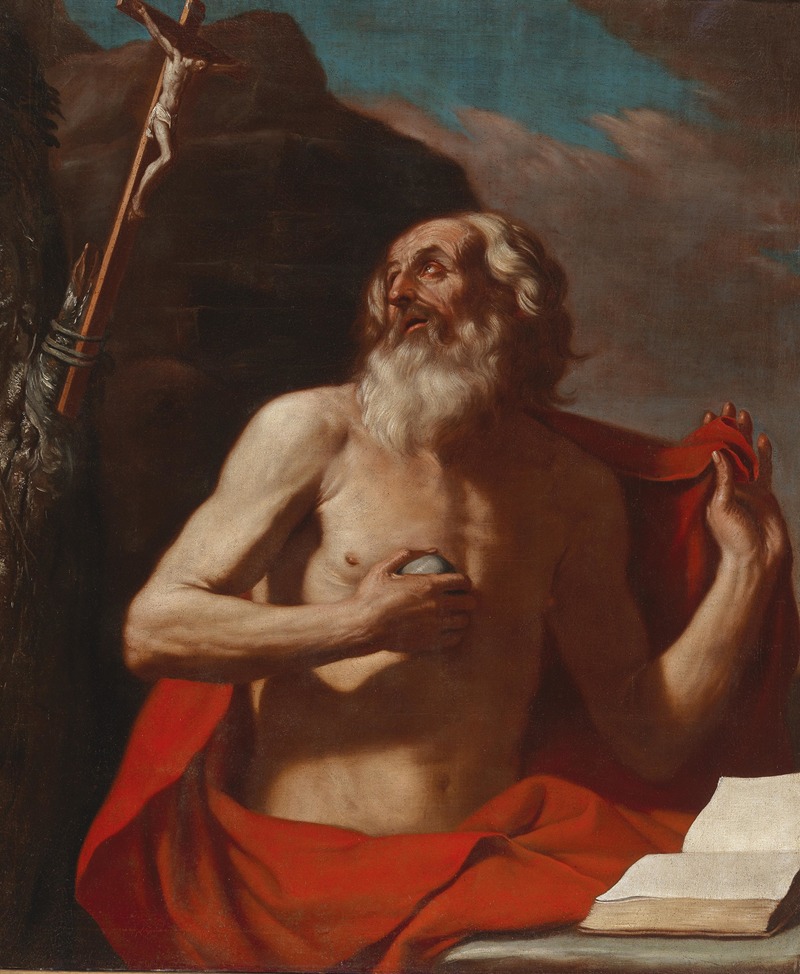
Saint Jerome
Guercino
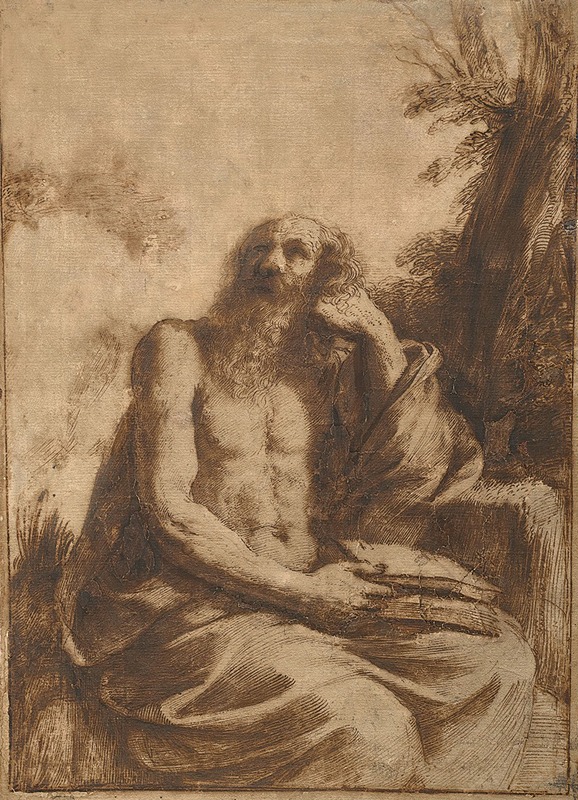
Saint Jérôme
Guercino