
St. John’s Chapel — History & Facts
Can paint confess what words never could? In St. John’s Chapel, a quiet reverence washes over the viewer, whispering secrets of solitude and reflection through the play of light and shadow. Look to the left at the delicate arches that cradle the chapel’s interior; the intricate details of the stonework draw the eye into a world of craftsmanship and devotion. Notice how the dappled sunlight filters through the stained glass, casting a kaleidoscope of muted colors onto the cool stone floor.
Mielatz's skillful use of soft, watercolor-like hues enhances the atmosphere, inviting a sense of calm and contemplation, while the composition leads the viewer’s gaze upward, embracing the celestial. There is a palpable tension between the warmth of the colors and the somber architecture, evoking a complex blend of melancholy and hope. Small figures, almost lost within the grandeur of the space, embody the human search for solace in sanctity. The chapel feels both a sacred refuge and an echo of solitude—where whispers of prayer mingle with the weight of silence, suggesting a deep yearning that transcends the physical realm. In 1904, Mielatz was immersed in an exploration of American landscapes and architecture, painting predominantly in a time of transition for the art world, as he navigated between traditional and modern influences.
This piece reflects his commitment to capturing the emotional resonance of place, amidst a society grappling with rapid change, making St. John’s Chapel not just a representation of a space but a portal into the introspective silence of the soul.
More Artworks by Charles Frederick William Mielatz
Browse all →
View of Rockwood Tarrytown on the Hudson, residence of William Rockefeller, no. 1
Charles Frederick William Mielatz
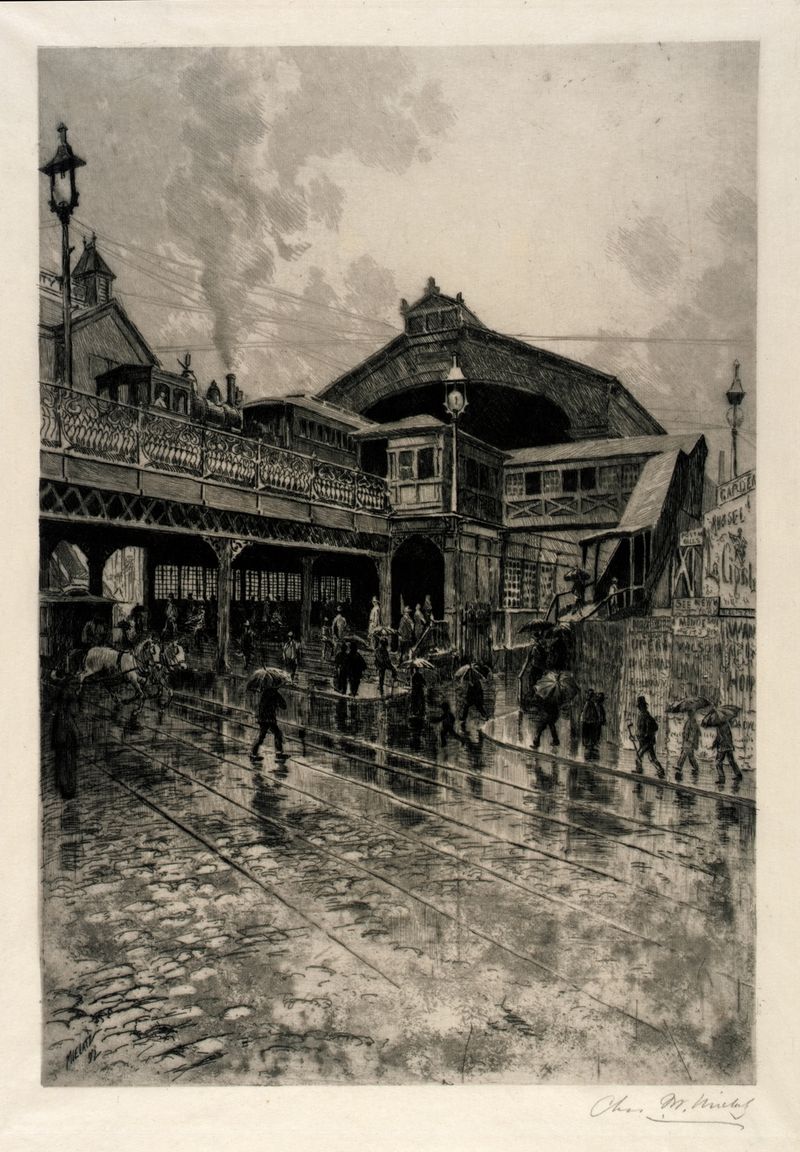
Entrance to Brooklyn Bridge
Charles Frederick William Mielatz
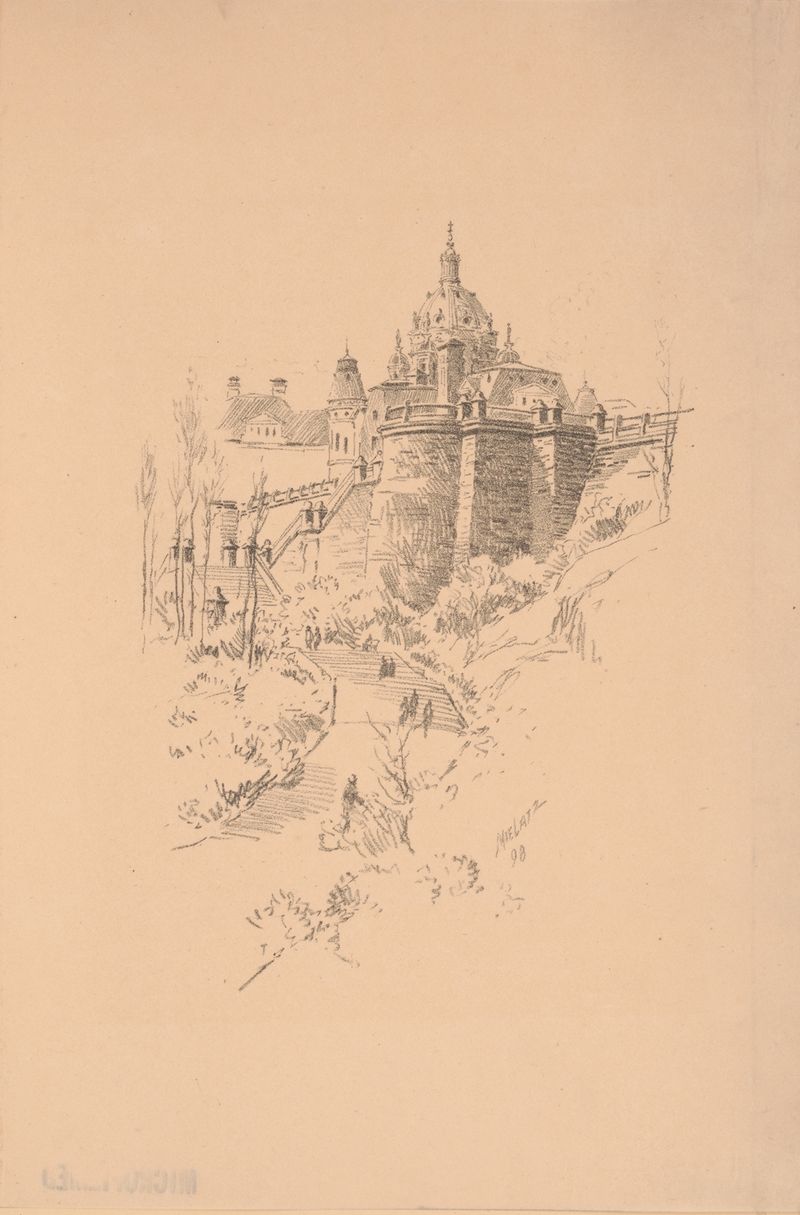
Morningside Park and St. Luke’s Hospital
Charles Frederick William Mielatz

Street Scene under Steel Bridge
Charles Frederick William Mielatz
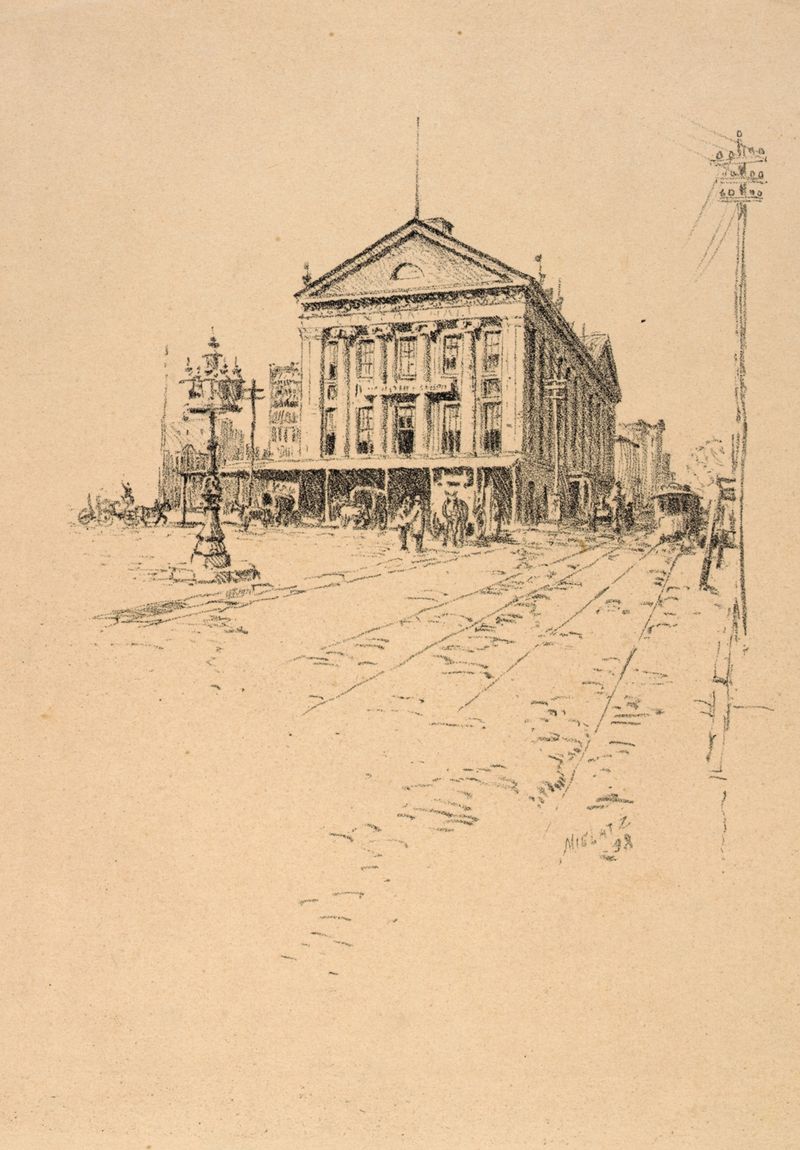
Clinton Hall
Charles Frederick William Mielatz
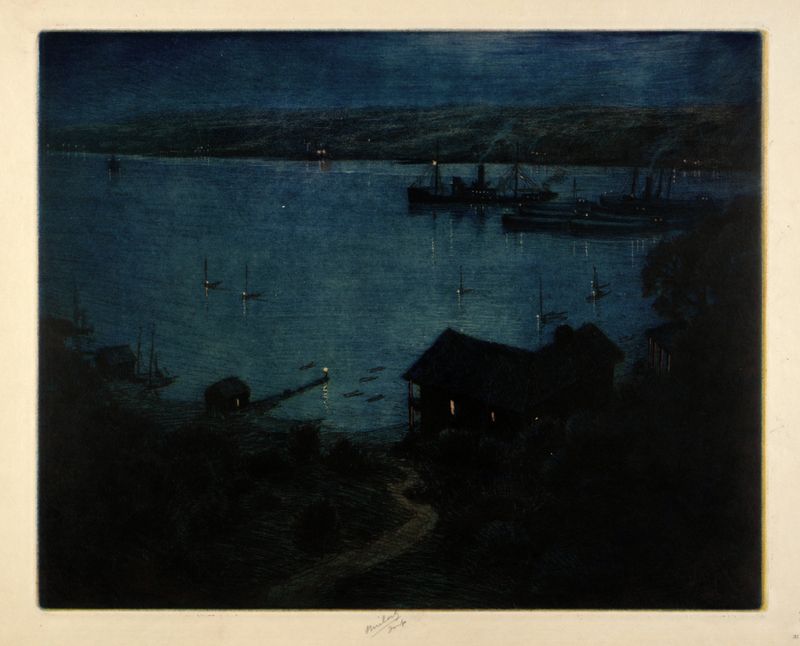
Moonlight–Hudson River
Charles Frederick William Mielatz
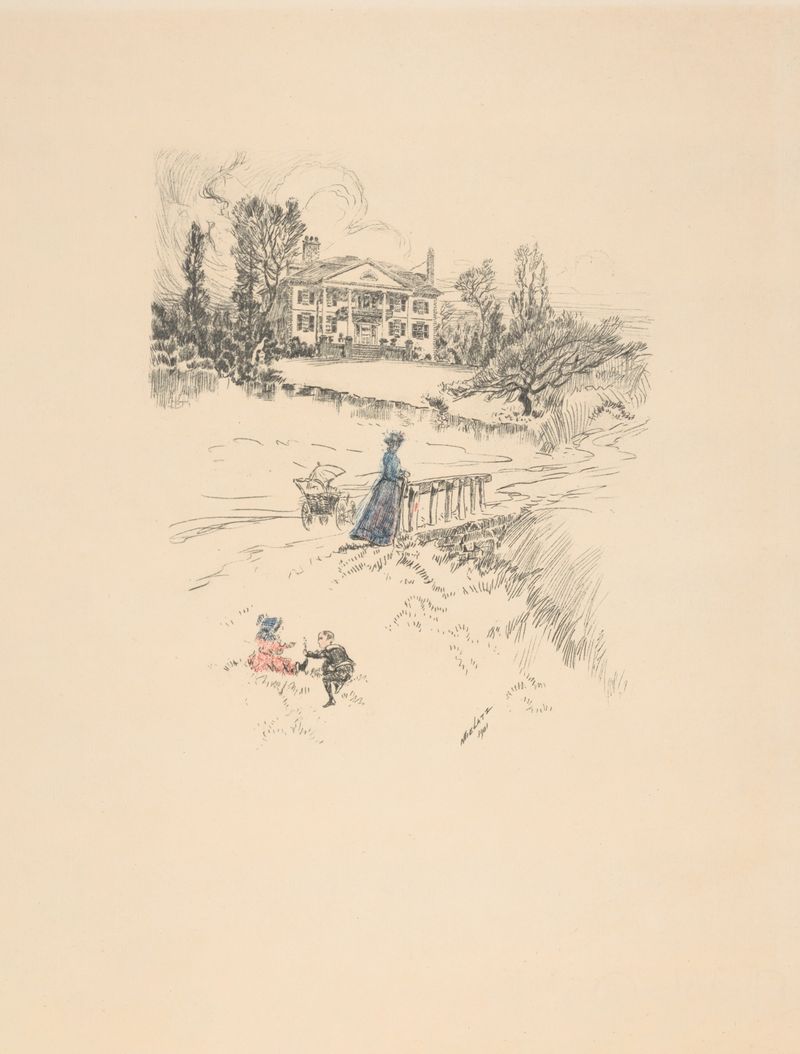
Jumel mansion
Charles Frederick William Mielatz
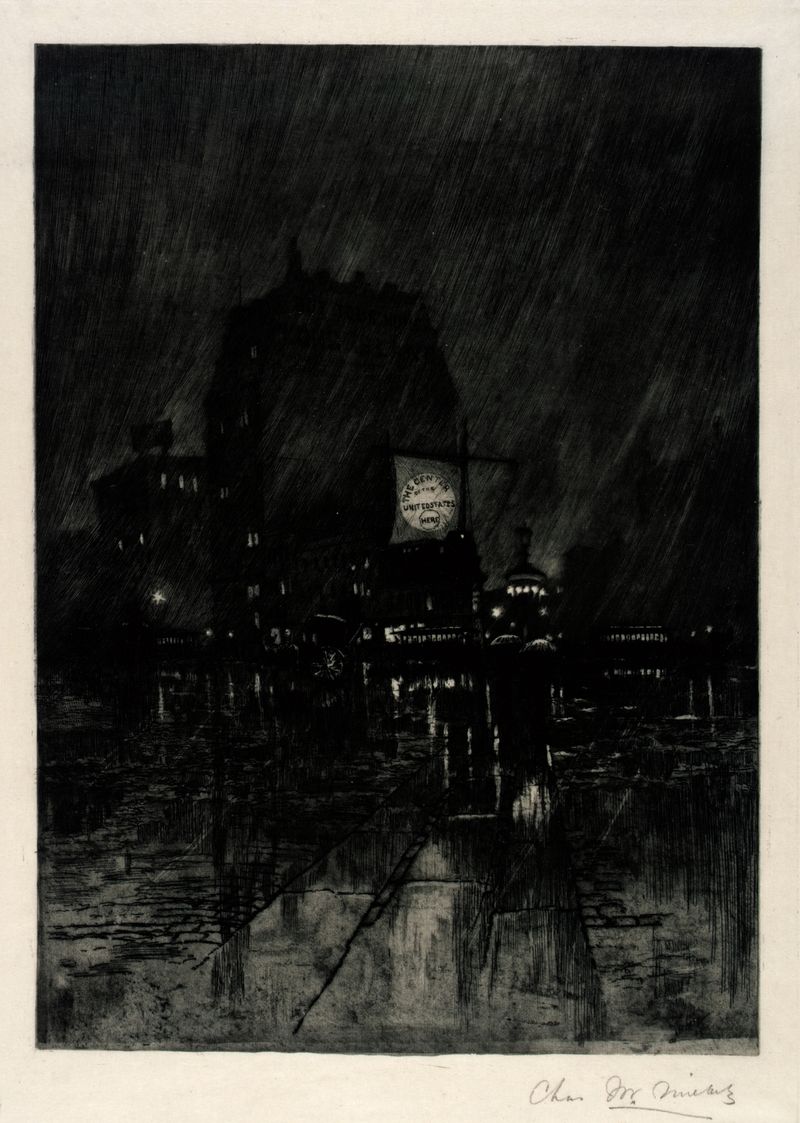
Rainy Night, Madison Square
Charles Frederick William Mielatz
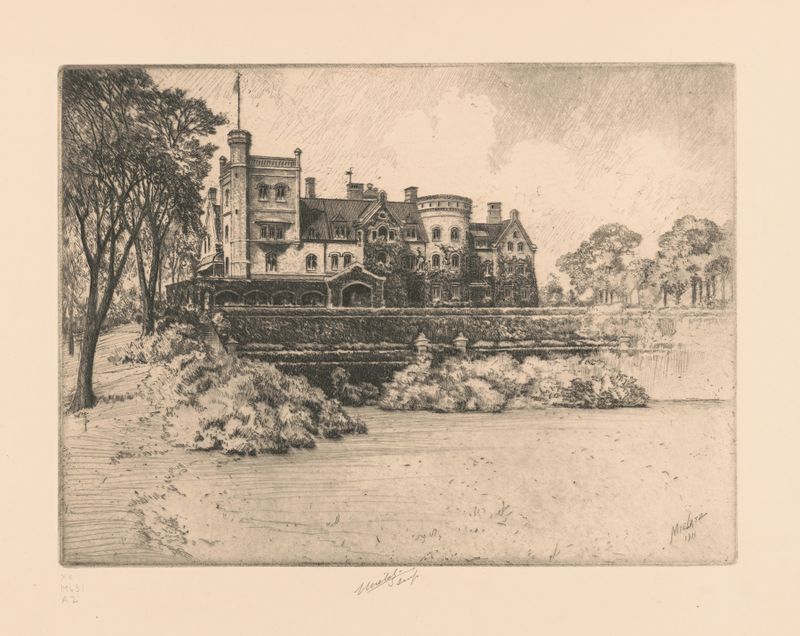
View of Rockwood, Tarrytown on the Hudson, residence of William Rockefeller, no. 3
Charles Frederick William Mielatz

View of Rockwood, Tarrytown on the Hudson, residence of William Rockefeller, no. 5
Charles Frederick William Mielatz
More Architecture Art
Browse all →
The statue of Liberty
Frédéric Auguste Bartholdi

View of Houses in Delft, Known as ‘The Little Street’
Johannes Vermeer

View of Houses in Delft, Known as ‘The Little Street’
Johannes Vermeer

The Cathedral in Rouen. The portal, Grey Weather
Claude Monet

The yellow house
Vincent van Gogh

The Church in Auvers-sur-Oise, View from the Chevet
Vincent van Gogh