
St. Paul’s and Blackfriars Bridge — History & Facts
What if silence could speak through light? In the stillness of dusk, a city breathes in muted hues, where the very air vibrates with the promise of movement yet to come. Look to the left at the sweeping arches of Blackfriars Bridge, their robust forms anchored against the delicate glow of twilight. Notice how the subtle interplay of warm and cool tones enhances the architectural elegance, as the fading sun casts long shadows that stretch across the river’s surface. The painter's brushwork captures the gentle ripples in the water, suggesting life beneath its tranquil façade and leading the eye toward the grand silhouette of St.
Paul’s Cathedral, which rises majestically in the background. The contrasting elements within the composition evoke a sense of anticipation. The solidity of the stone structures juxtaposes with the ephemeral light, creating a dynamic tension that invites contemplation. Here, the stillness of the scene is punctuated by the lingering echoes of the bustling city that once filled the air, revealing a moment caught between day and night.
The work serves as a reminder of the constant dance between permanence and transience, where every stroke reiterates the delicate balance of existence. During an undetermined period in his career, the artist immersed himself in the essence of London's landmarks, capturing their grandeur with a palpable sense of emotion. This era saw a burgeoning fascination with landscape painting, as artists sought to represent not just the physical space, but the spirit of the urban experience. It was a time when the Industrial Revolution began to reshape the city, and Marlow's work reflects both the beauty and the transient nature of that evolving environment.
More Artworks by William Marlow
Browse all →
Whitehall
William Marlow
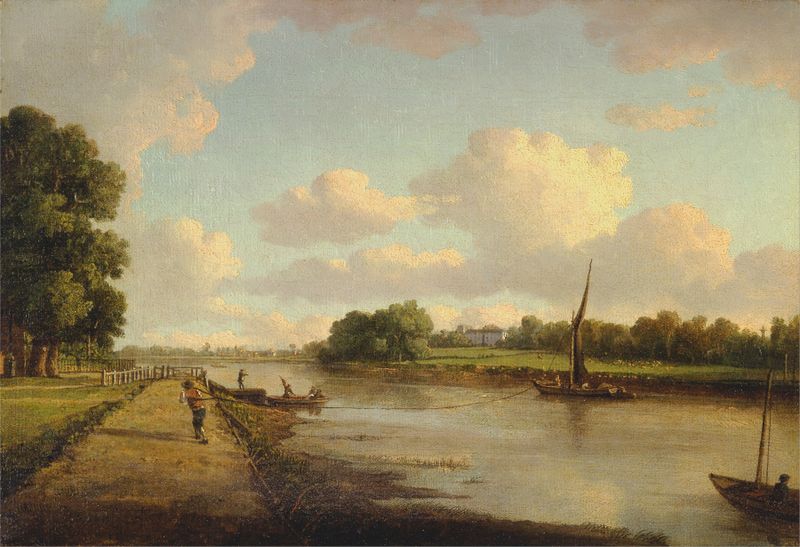
View on the River Thames at Richmond
William Marlow
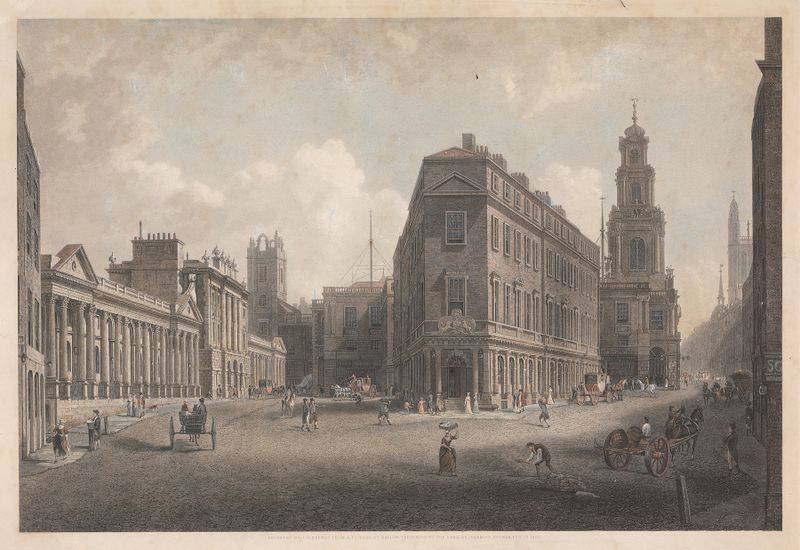
Bank of England Royal Exchange
William Marlow

The Thames At Richmond
William Marlow

The Arno towards the Ponte alle Grigio
William Marlow
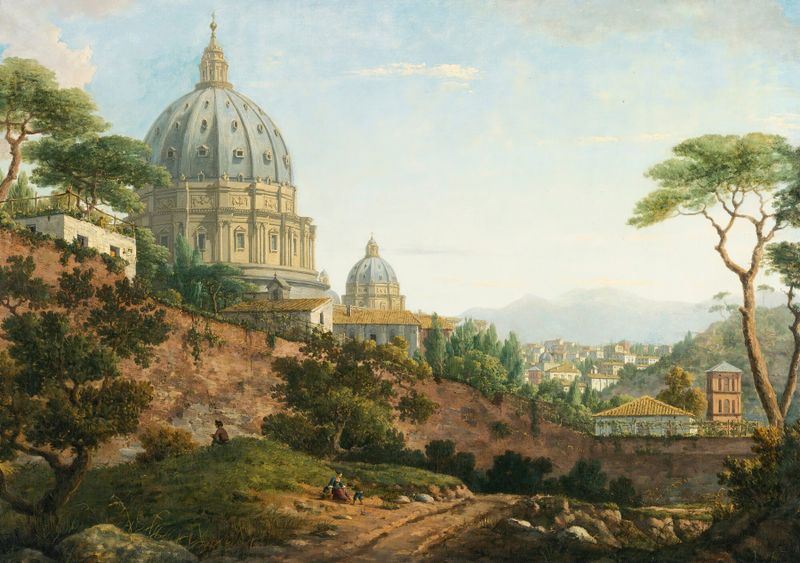
View Of Saint Peter’s, Rome
William Marlow
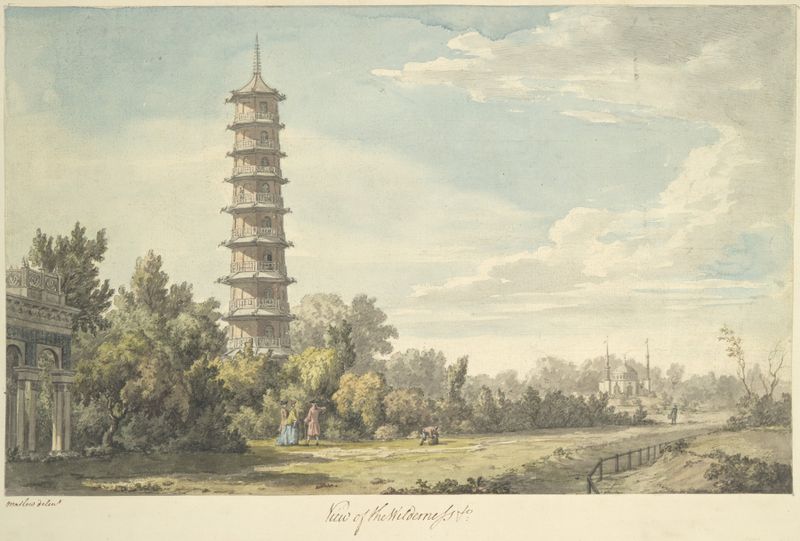
View of the Wilderness at Kew
William Marlow
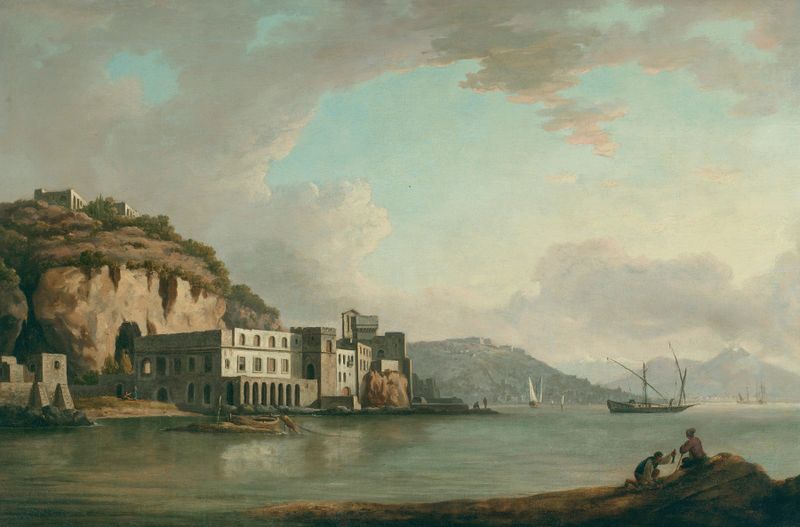
The Bay of Naples with Santa Maria degli Angeli
William Marlow

Nîmes from the Tour Magne
William Marlow
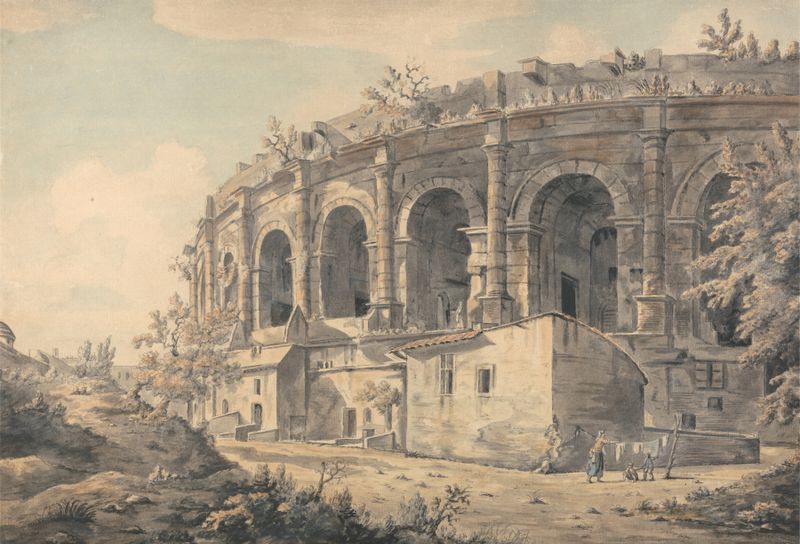
The Amphitheater at Nimes
William Marlow
More Architecture Art
Browse all →
The statue of Liberty
Frédéric Auguste Bartholdi

View of Houses in Delft, Known as ‘The Little Street’
Johannes Vermeer

View of Houses in Delft, Known as ‘The Little Street’
Johannes Vermeer

The Cathedral in Rouen. The portal, Grey Weather
Claude Monet

The yellow house
Vincent van Gogh

The Church in Auvers-sur-Oise, View from the Chevet
Vincent van Gogh