
St. Paul’s chapel and the Rutherford house — History & Facts
In its stillness, St. Paul’s Chapel and the Rutherford House captures the eternal dance of fate and architecture, hinting at narratives woven into the fabric of the past. Look to the left at the resilient chapel, its stone façade bathed in warm sunlight, commanding a sense of timelessness. Notice how the soft shadows play delicately across the weathered bricks, inviting the viewer to consider both the grandeur and the fragility of human creation.
The juxtaposition of the chapel's robust structure against the slender lines of the neighboring Rutherford House reveals an intricate balance between permanence and transience, as if both buildings stand as sentinels of the stories they shelter. In this artwork, the viewer may sense a haunting resonance between the solemnity of the chapel and the quiet vitality of the residential home. The contrast of light cascading down upon the chapel while the house lies partially in shadow evokes themes of destiny—suggesting the choices of those who inhabit these spaces. The painting whispers of lives lived within these walls, intertwining hopes and dreams against the backdrop of an unyielding world beyond. In 1905, Mielatz worked in a time of burgeoning modernity, where traditional architecture faced the pressures of change.
Living in New York, he was influenced by the shifting urban landscape, capturing a moment when historical structures began to find their place amidst contemporary aspirations. This piece reflects not only his artistic vision but also a collective yearning to preserve the stories that architecture holds, marking the intersection of past and future.
More Artworks by Charles Frederick William Mielatz
Browse all →
View of Rockwood Tarrytown on the Hudson, residence of William Rockefeller, no. 1
Charles Frederick William Mielatz
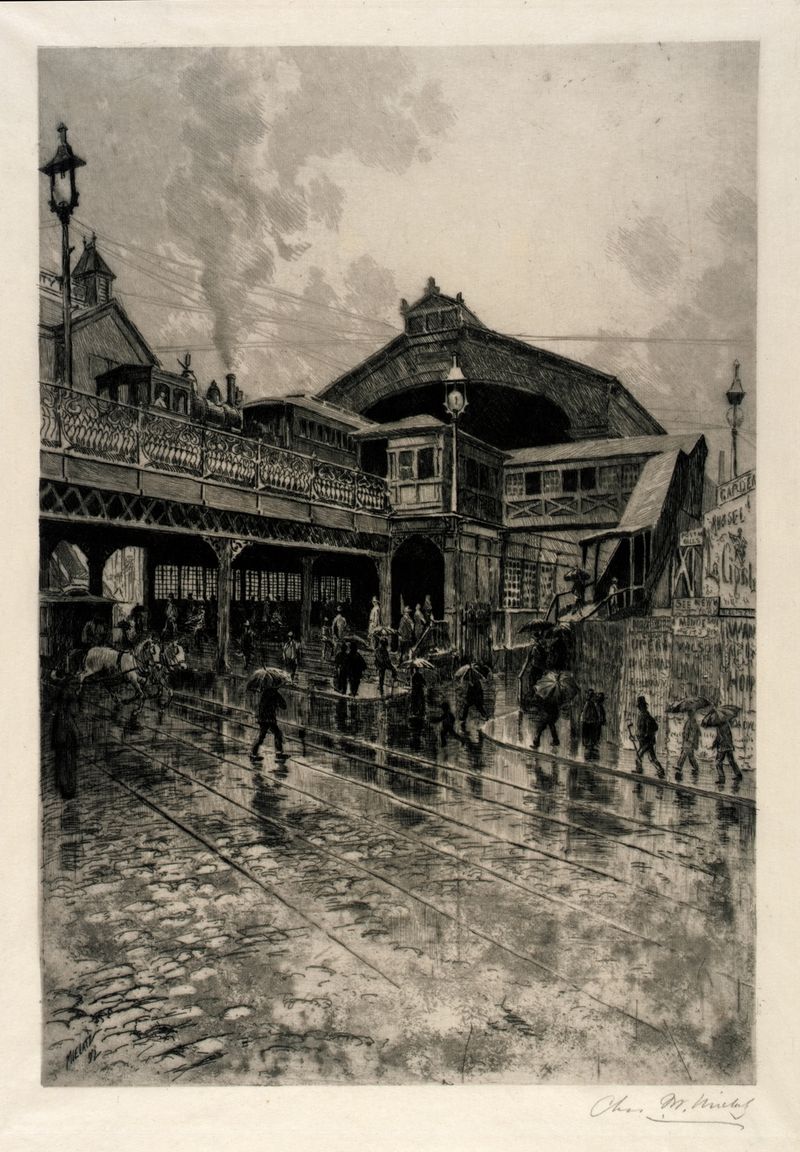
Entrance to Brooklyn Bridge
Charles Frederick William Mielatz
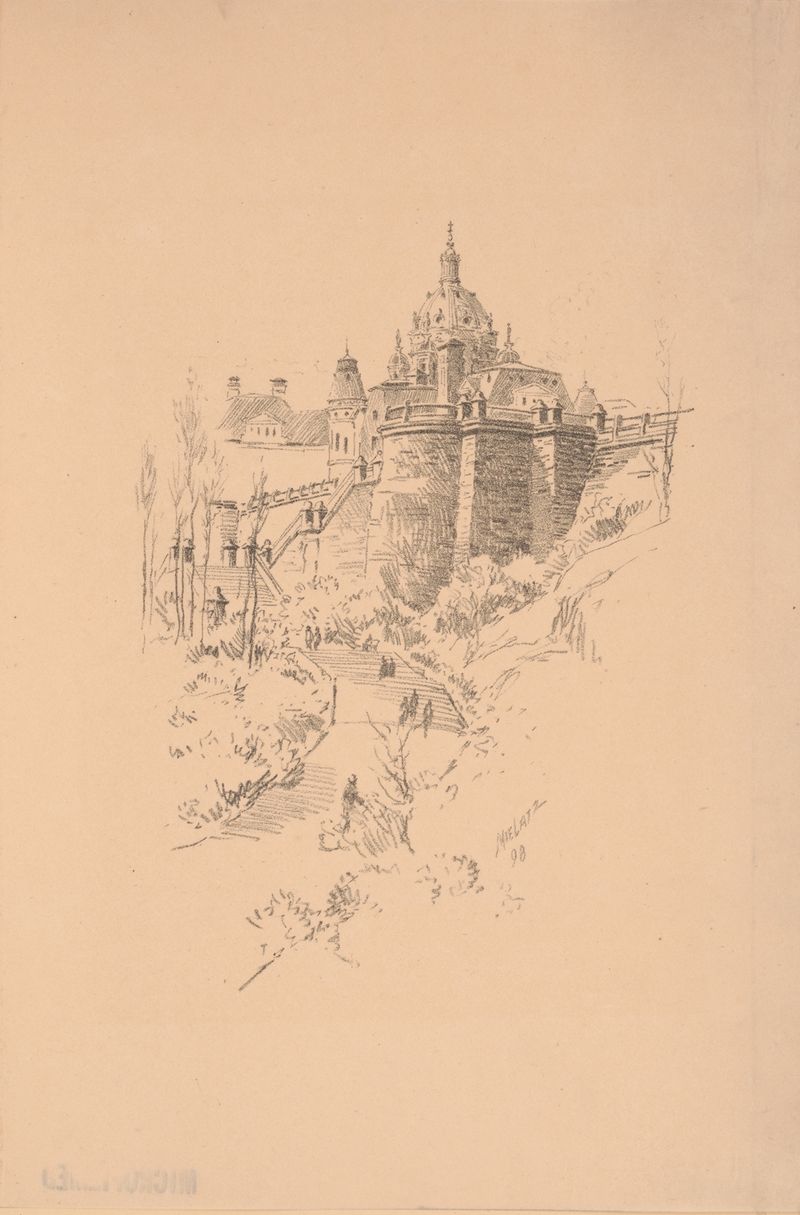
Morningside Park and St. Luke’s Hospital
Charles Frederick William Mielatz

Street Scene under Steel Bridge
Charles Frederick William Mielatz
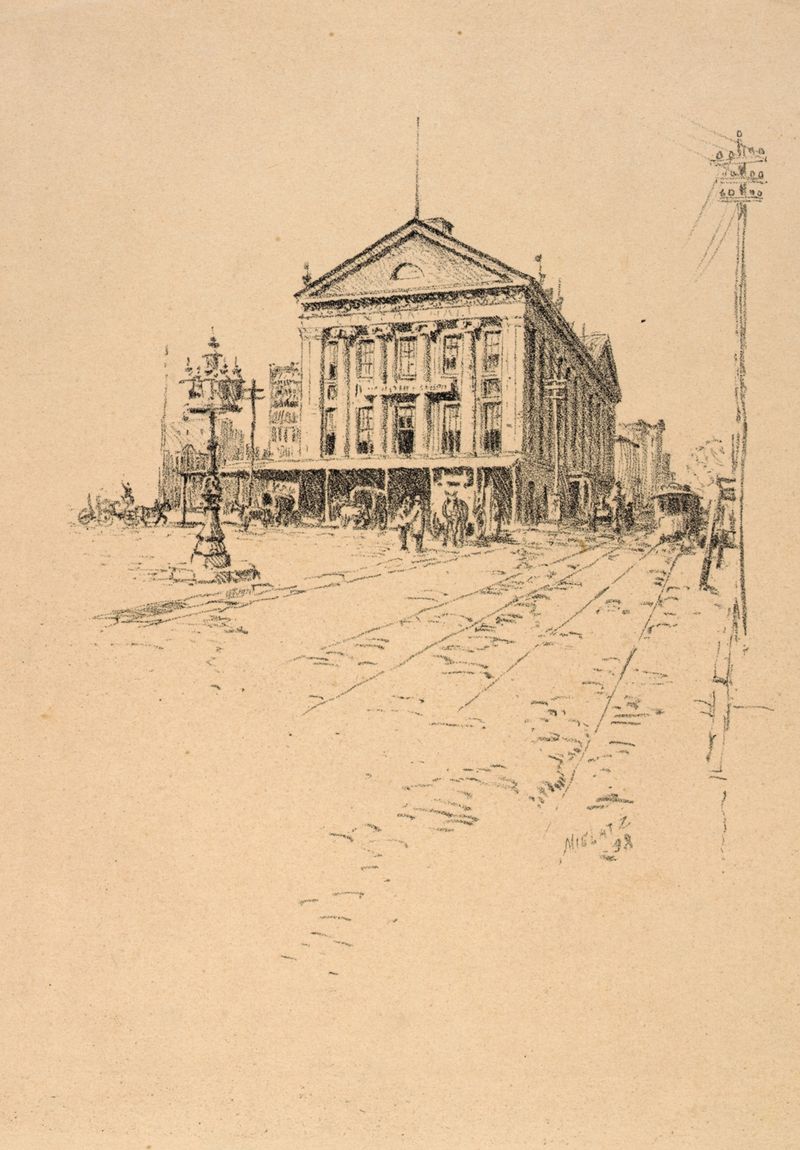
Clinton Hall
Charles Frederick William Mielatz
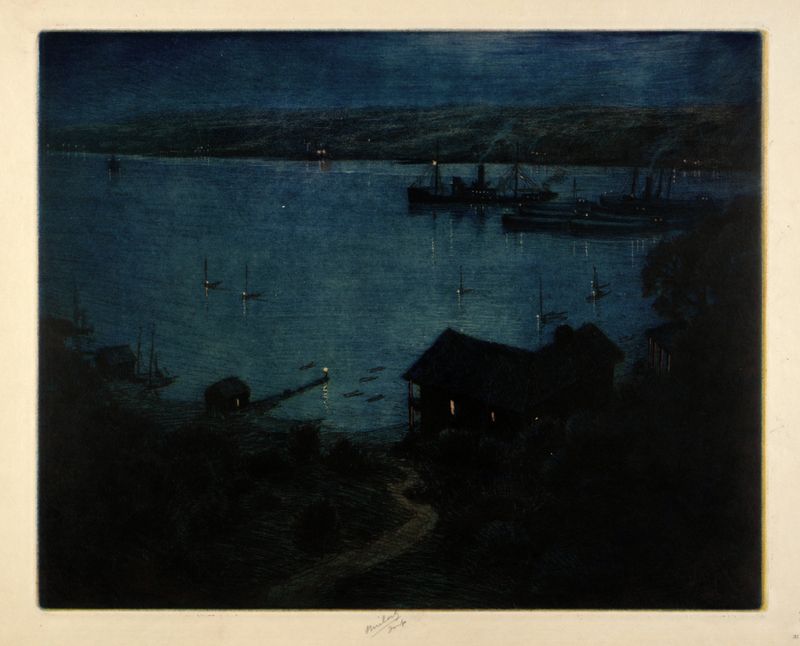
Moonlight–Hudson River
Charles Frederick William Mielatz
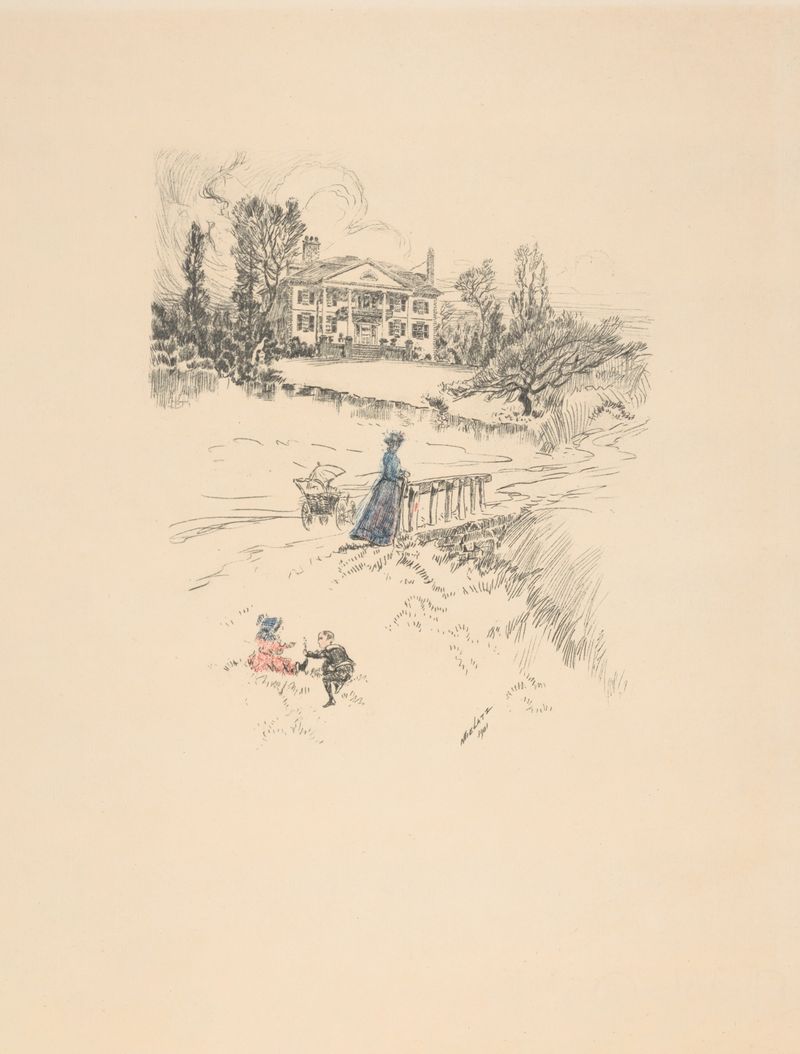
Jumel mansion
Charles Frederick William Mielatz
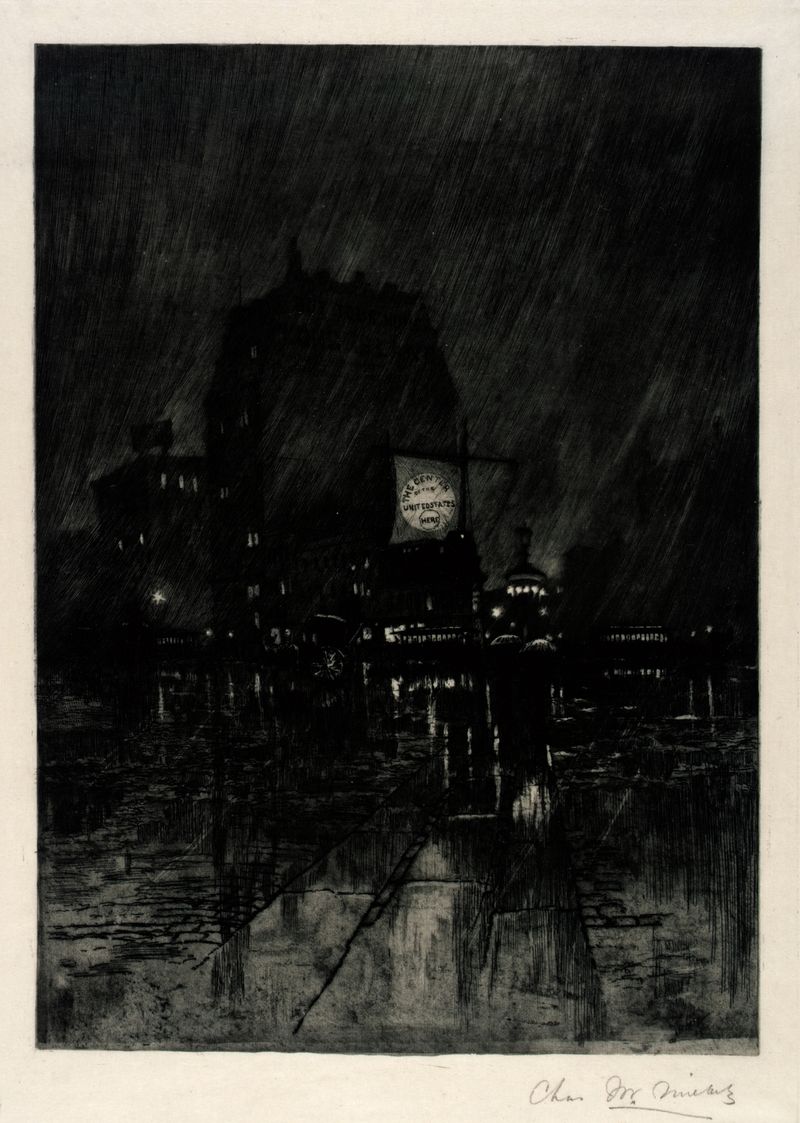
Rainy Night, Madison Square
Charles Frederick William Mielatz
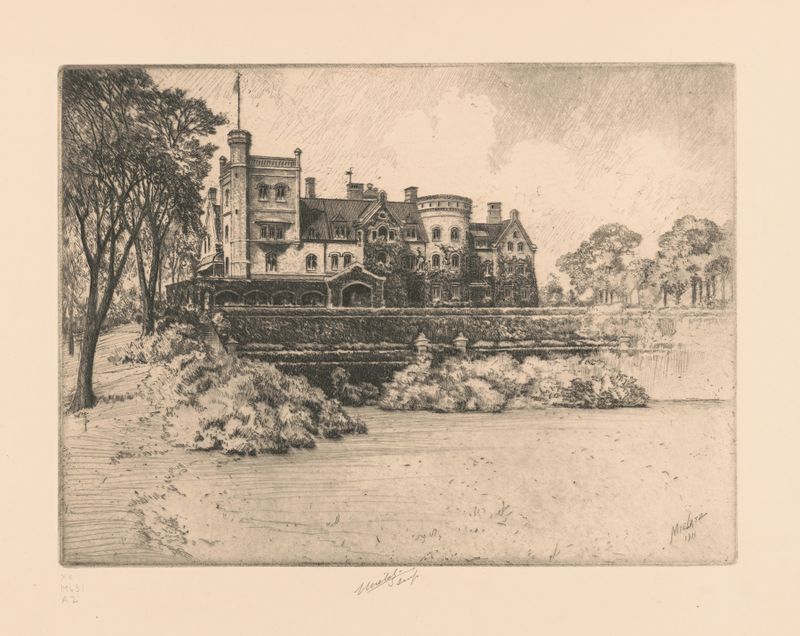
View of Rockwood, Tarrytown on the Hudson, residence of William Rockefeller, no. 3
Charles Frederick William Mielatz

View of Rockwood, Tarrytown on the Hudson, residence of William Rockefeller, no. 5
Charles Frederick William Mielatz
More Architecture Art
Browse all →
The statue of Liberty
Frédéric Auguste Bartholdi

View of Houses in Delft, Known as ‘The Little Street’
Johannes Vermeer

View of Houses in Delft, Known as ‘The Little Street’
Johannes Vermeer

The Cathedral in Rouen. The portal, Grey Weather
Claude Monet

The yellow house
Vincent van Gogh

The Church in Auvers-sur-Oise, View from the Chevet
Vincent van Gogh