
Staande oude vrouw — History & Facts
Could beauty survive in a century of chaos? In Staande oude vrouw, a solitary figure stands poised, embodying both resilience and the weight of solitude. Look closely at the woman; her deep-set eyes reflect a life teeming with unspoken stories. Notice how the soft, muted tones of her garment contrast with the starkness of her surroundings. The gentle light illuminates her face, revealing delicate wrinkles that map the journey of her years, while shadows play around her, underscoring her isolation.
The careful rendering of fabric and facial expression draws you in, inviting a contemplative gaze that lingers on her presence. The emotional tension in this work transcends mere aesthetics. The woman's posture, both strong and vulnerable, speaks to the duality of human experience—strength born from solitude. The interplay of light and shadow hints at the passage of time and the inevitable loneliness that accompanies it.
Each detail, from the texture of her clothing to the soft contours of her features, captures the essence of a life lived amidst the chaos of 17th-century Europe, suggesting that beauty, even in isolation, carries a profound weight. Created between 1642 and 1664, this painting emerges from a period marked by both artistic innovation and societal upheaval. Cornelis Pietersz. Bega, working during the Dutch Golden Age, reflects the prevalent themes of individuality and introspection in his time.
As an artist, he was influenced by the emerging focus on genre painting and the human condition, an exploration that resonates deeply in this poignant portrayal of an aging woman.
More Artworks by Cornelis Pietersz. Bega
Browse all →
Mannen en jonge vrouw in herberg
Cornelis Pietersz. Bega

Twee mannen en vrouw met kind zittend in herberg
Cornelis Pietersz. Bega
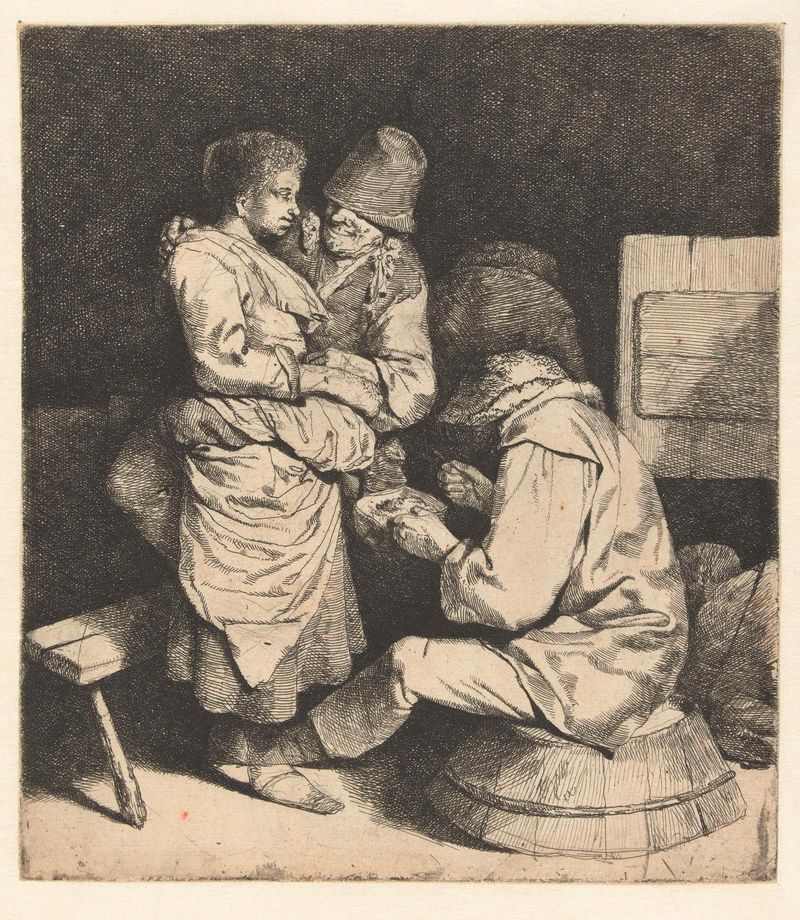
Vrouw vastgepakt door man, andere man zit te eten in herberg
Cornelis Pietersz. Bega

Jonge vrouw zittend met een pijp
Cornelis Pietersz. Bega

Staande vrouw vastgepakt door man, andere man kijkt toe in herberg
Cornelis Pietersz. Bega
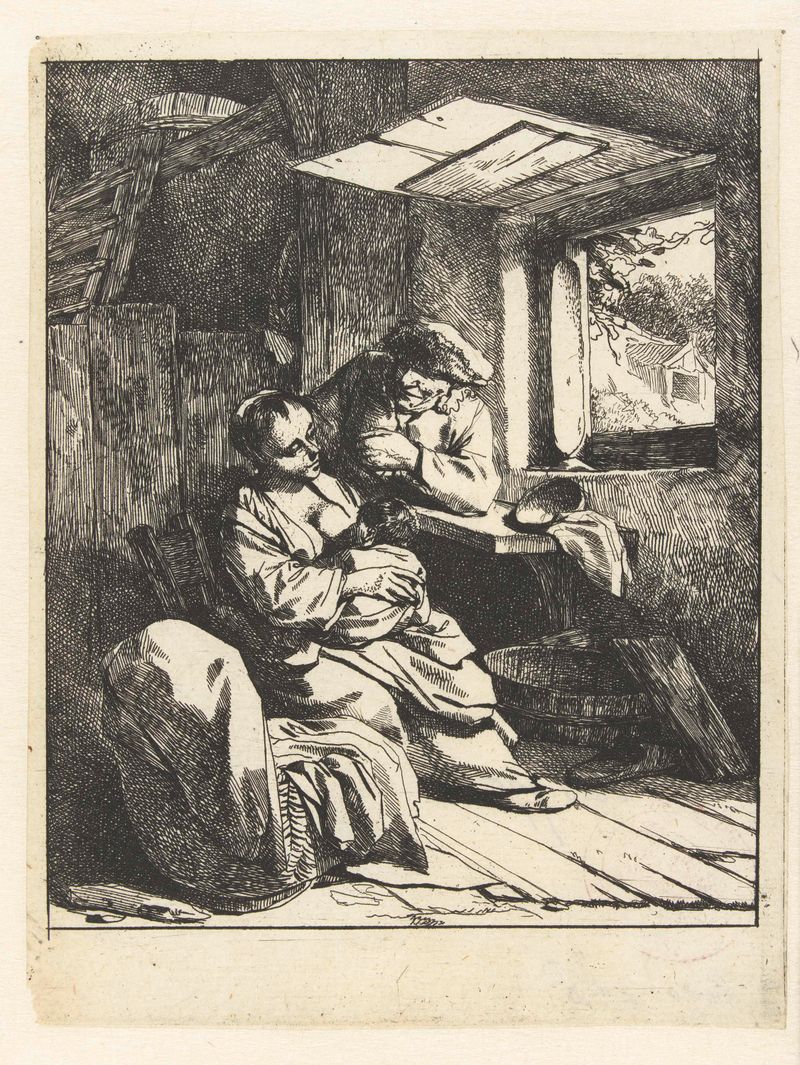
Vrouw met kind en man bij wieg in interieur met open raam
Cornelis Pietersz. Bega
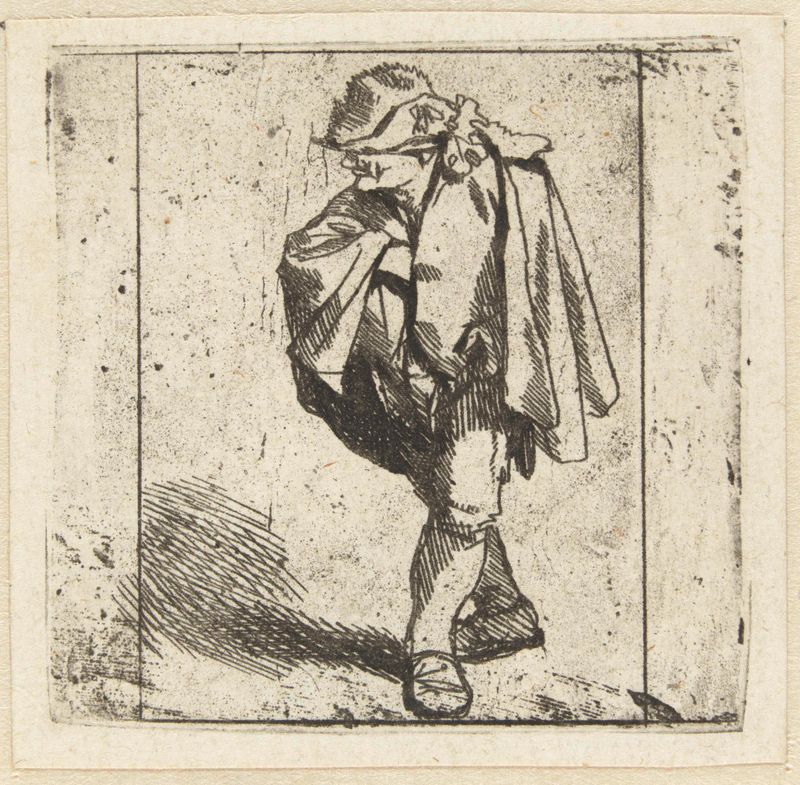
Staande man met de rechterhand op de borst in zijn mantel gestoken
Cornelis Pietersz. Bega
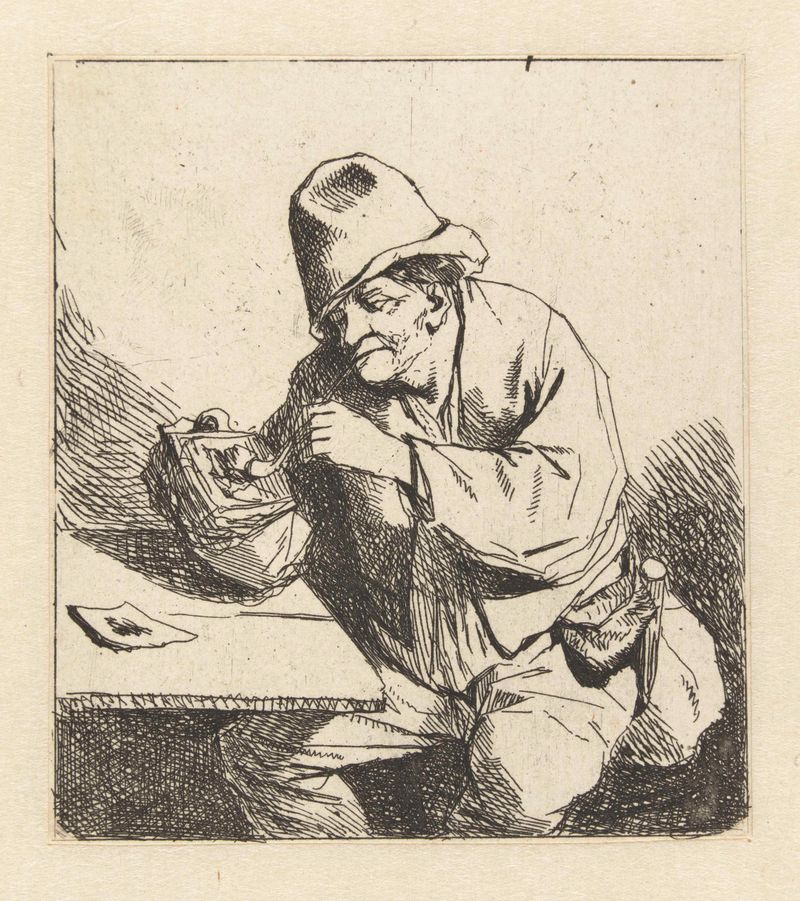
Zittende man steekt pijp aan
Cornelis Pietersz. Bega

Man zittend op ton met kruik in handen
Cornelis Pietersz. Bega

Liefdespaar
Cornelis Pietersz. Bega
More Portrait Art
Browse all →
Las meninas
Diego Velázquez

Self-portrait with a Bandaged Ear and Pipe
Unidentified artist

Girl with a Pearl Earring
Johannes Vermeer

The Sampling Officials of the Amsterdam Drapers’ Guild, Known as ‘The Syndics’
Rembrandt van Rijn

The Hundred Guilder Print: the man seen on the back in the lower left corner
Rembrandt van Rijn

Portrait of Dr Gachet
Vincent van Gogh