Stadt der Kirchen — History & Facts
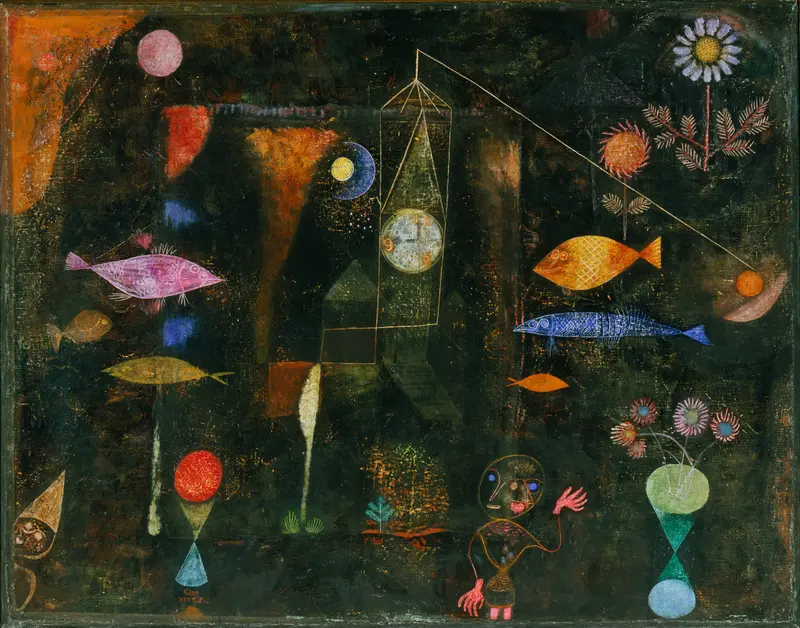
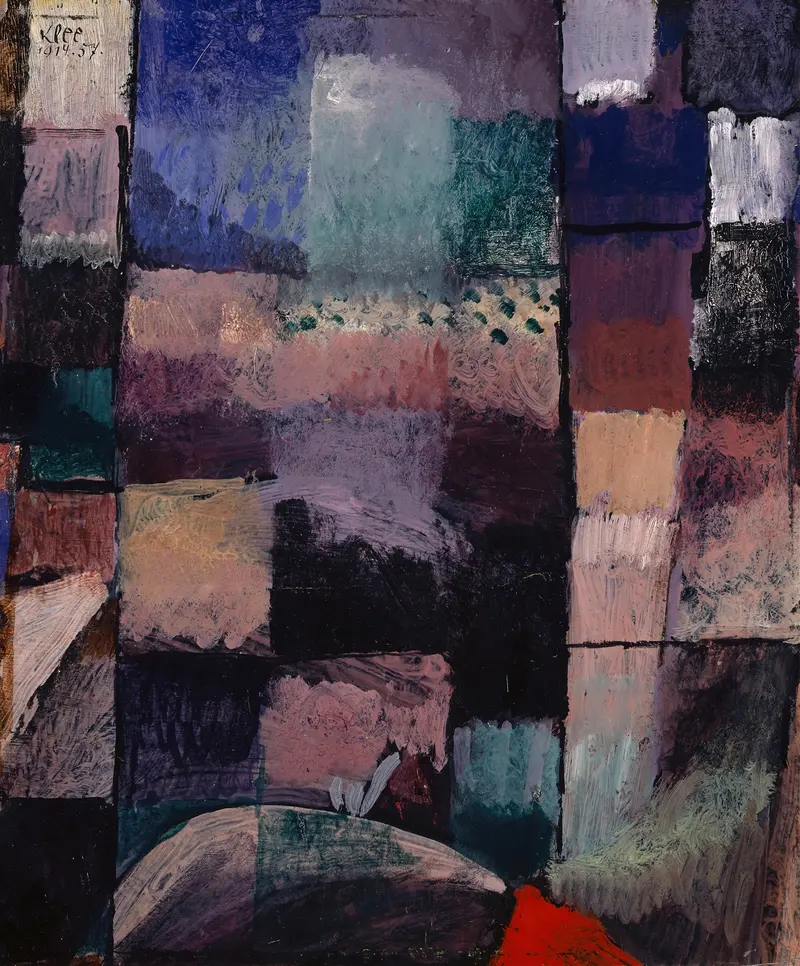
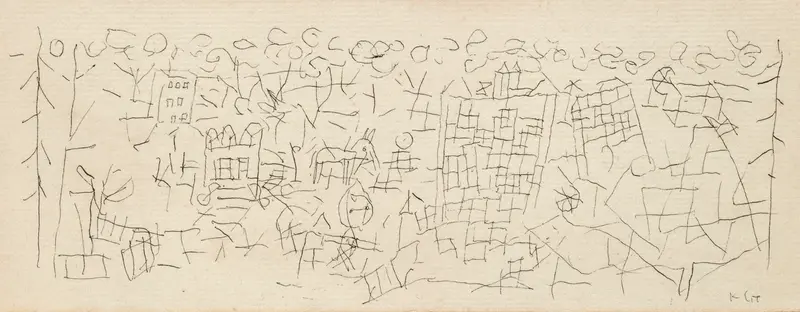
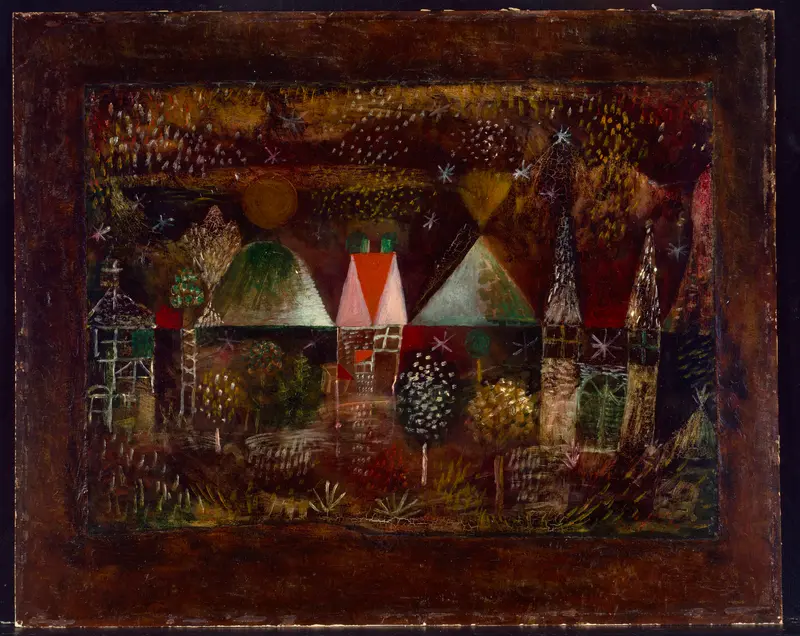
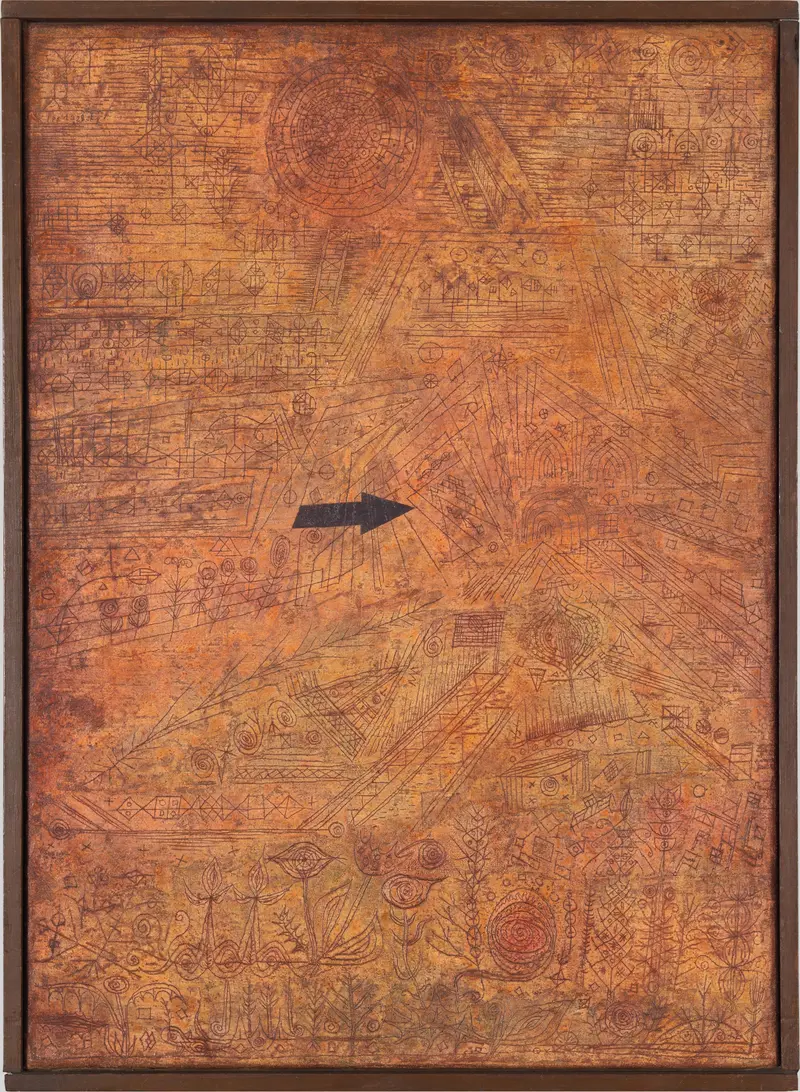
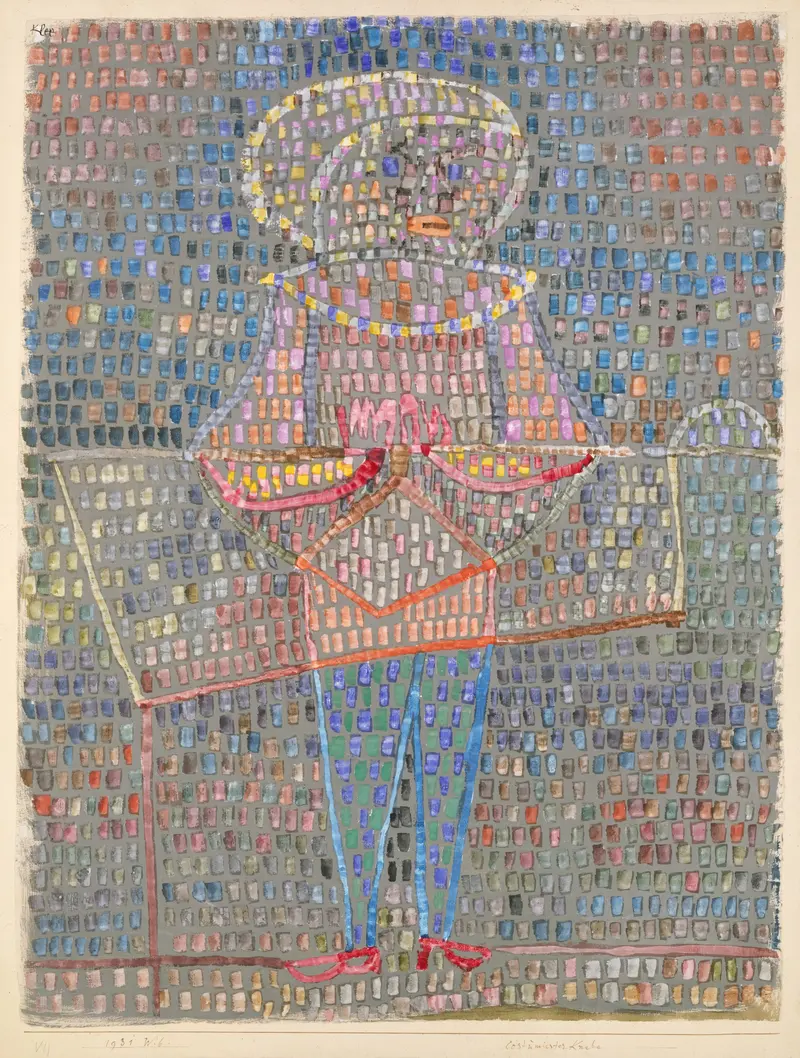
Stadt der Kirchen by Paul Klee showcases a whimsical cityscape filled with stylized church structures. The painting features a vibrant palette of colors, including blues, reds, and yellows. The buildings are depicted in a playful manner, with exaggerated shapes and forms that create a sense of movement.
The overall composition feels dynamic and inviting, drawing the viewer into this imaginative urban environment. The painting is characterized by Klee's unique use of line and color, typical of his Modernism style. The architectural elements are simplified and abstracted, reflecting Klee's interest in geometry and form. The medium is likely oil on canvas, a common choice for Klee's works, allowing for rich color application.
Viewers can appreciate the intricate details and the way Klee balances complexity with simplicity. Paul Klee was a Swiss painter known for his innovative approach to color and form. Stadt der Kirchen was created during a period when Klee was exploring the relationship between abstraction and representation. An interesting fact about this work is that it reflects Klee's fascination with the spiritual and the architectural, merging these themes into a playful yet thoughtful composition.
This piece exemplifies Klee's ability to convey deeper meanings through seemingly simple forms.