
Stadttor Hirschhorn — History & Facts
In the vibrant palette of hues, the artist beckons us to explore deeper realms of perception and emotion. Focus on the interplay of warm ochres and cool blues that stretch across the canvas, reminiscent of a quiet twilight. Notice how the bold strokes define the structure of the gate, standing resolute against a backdrop of softly blended colors. The delicate balance of light and shadow captures the essence of a moment suspended between day and night, inviting you to linger within its layers. Beneath the surface, one can sense a tension between the material and the ethereal.
The robust archway juxtaposes the softness of the fading light; it signifies both a barrier and a passage. Intriguingly, hints of green peek through the foreground, suggesting the vitality of nature that coexists with the manmade. This subtle contrast evokes a feeling of yearning — a desire to bridge the divide between what is known and the unknown that lies beyond. Eduard Zetsche created this piece during an era when artists were beginning to explore the emotional power of color beyond mere representation.
Active in the late 19th and early 20th centuries, he was influenced by the burgeoning movements of Impressionism and Post-Impressionism, where color became a tool for expression rather than mere description. In this context, Stadttor Hirschhorn emerges as a reflection of Zetsche's own evolving vision, capturing a moment that balances both personal and universal truths.
More Artworks by Eduard Zetsche
Browse all →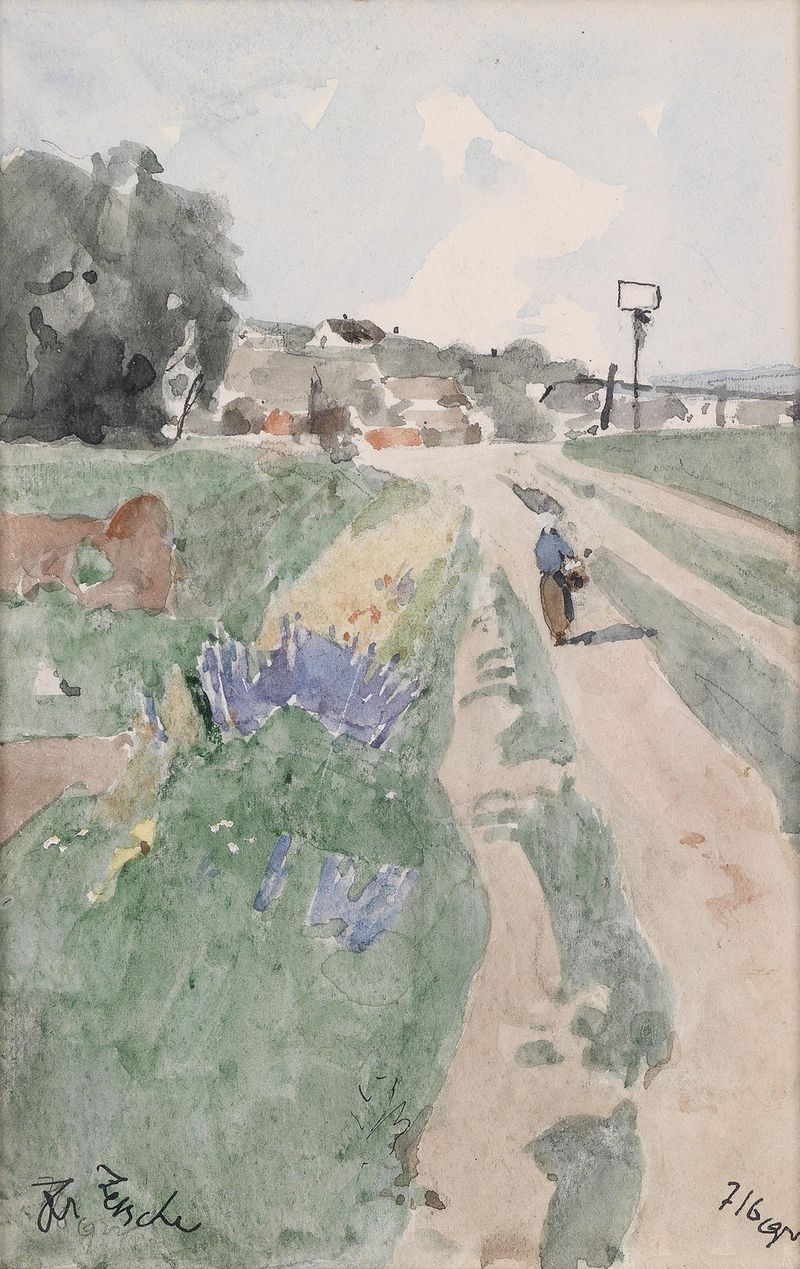
Weg bei Hadersdorf
Eduard Zetsche
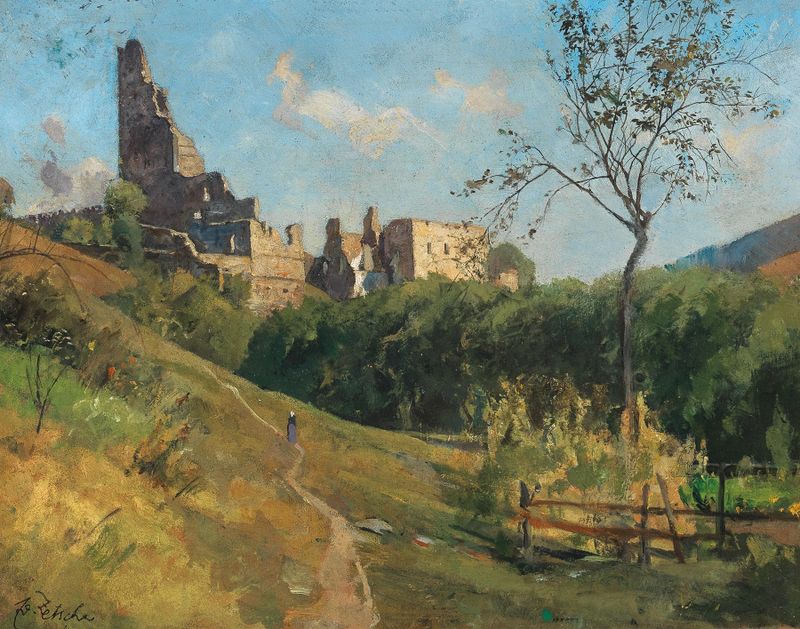
Ruins in the Wachau region
Eduard Zetsche
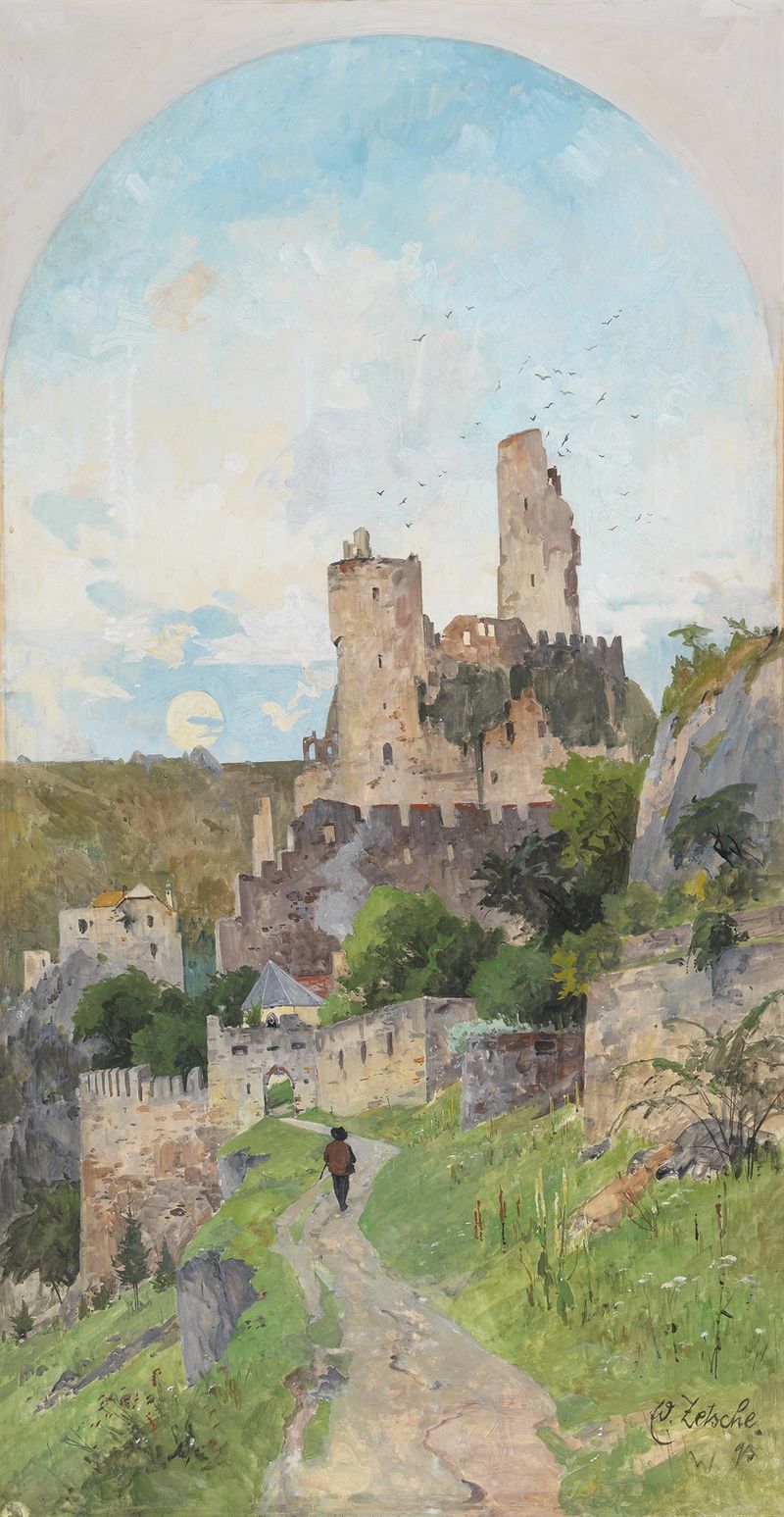
Blick auf die Ruine Dürnstein
Eduard Zetsche
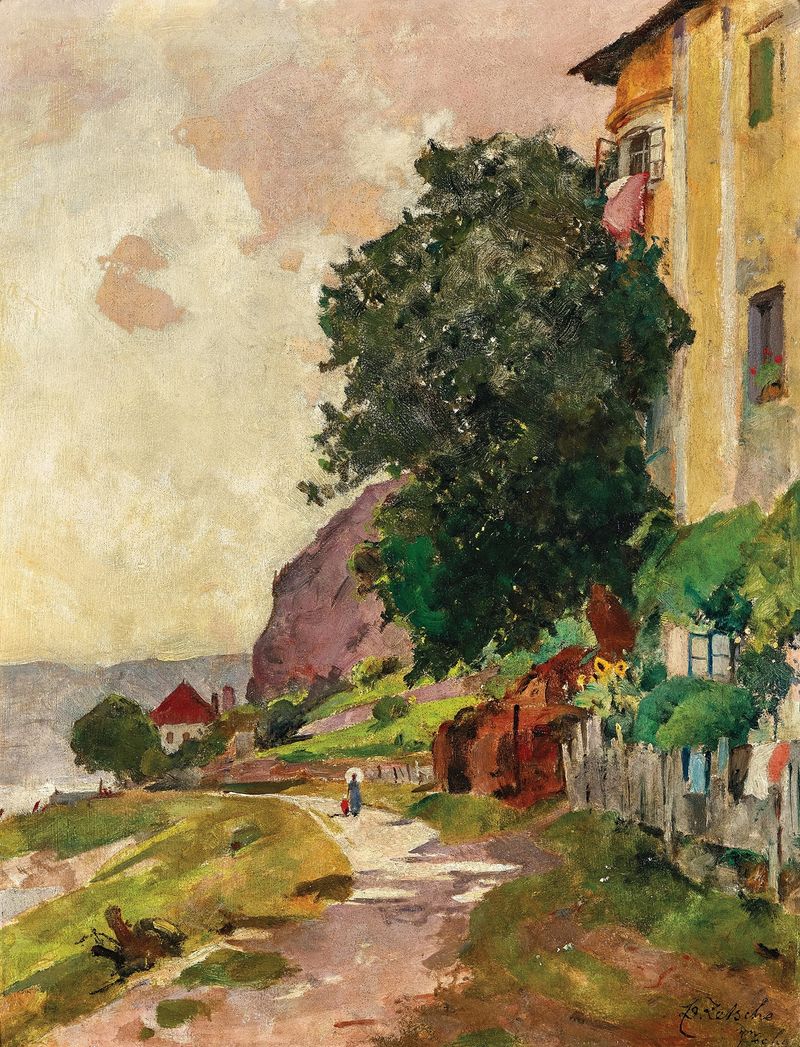
Beim Förthof, Ramsau
Eduard Zetsche
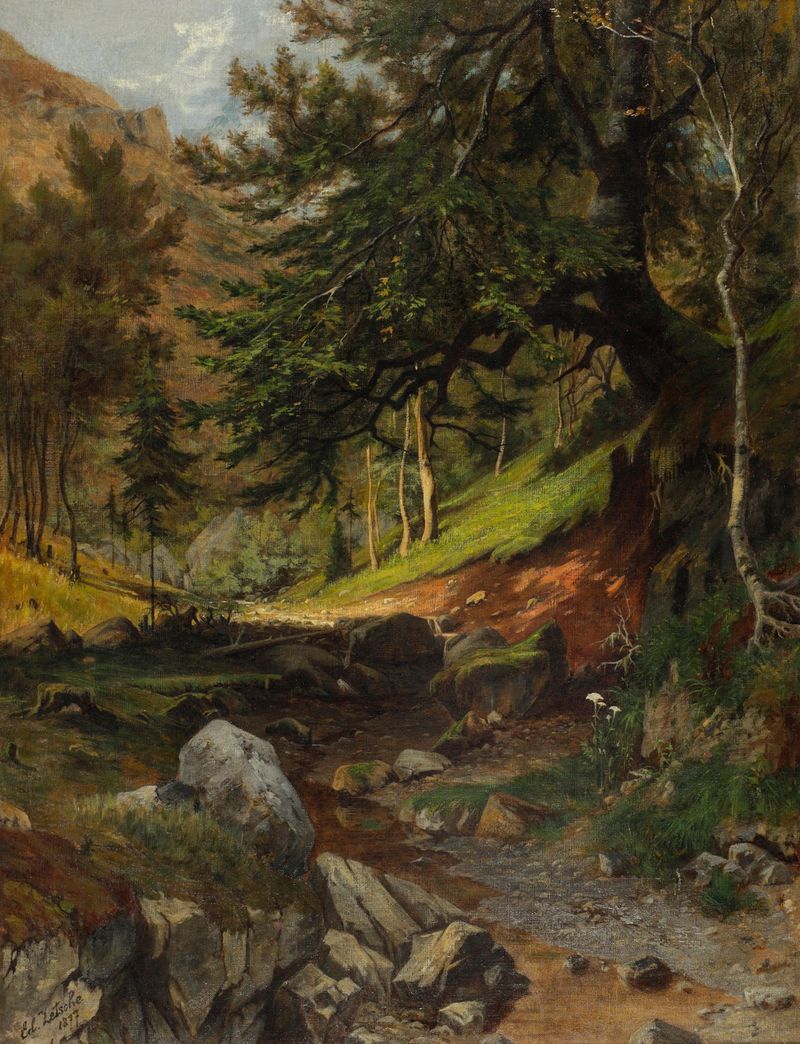
Waldpartie mit Bachlauf
Eduard Zetsche
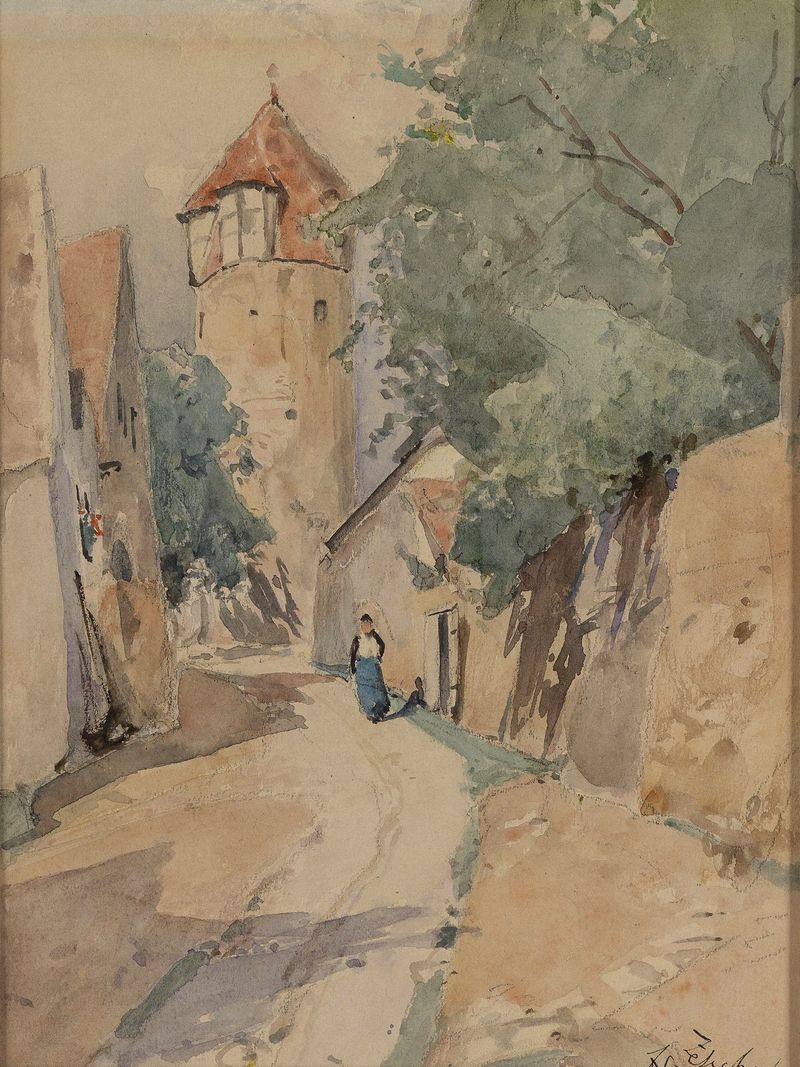
Sulzbach
Eduard Zetsche

Praterpartie
Eduard Zetsche
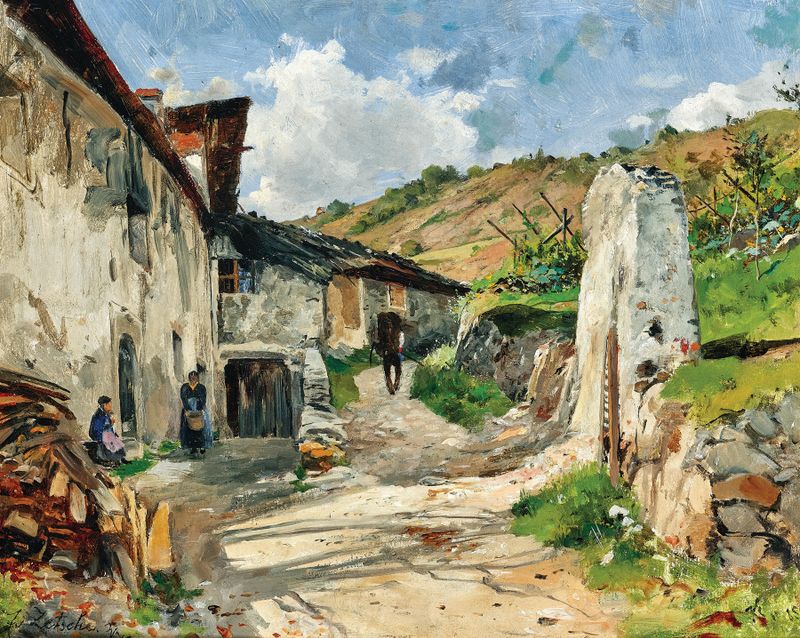
Wachau region, a path to a vineyard near a village
Eduard Zetsche

Motiv bei Lichtenwörth
Eduard Zetsche
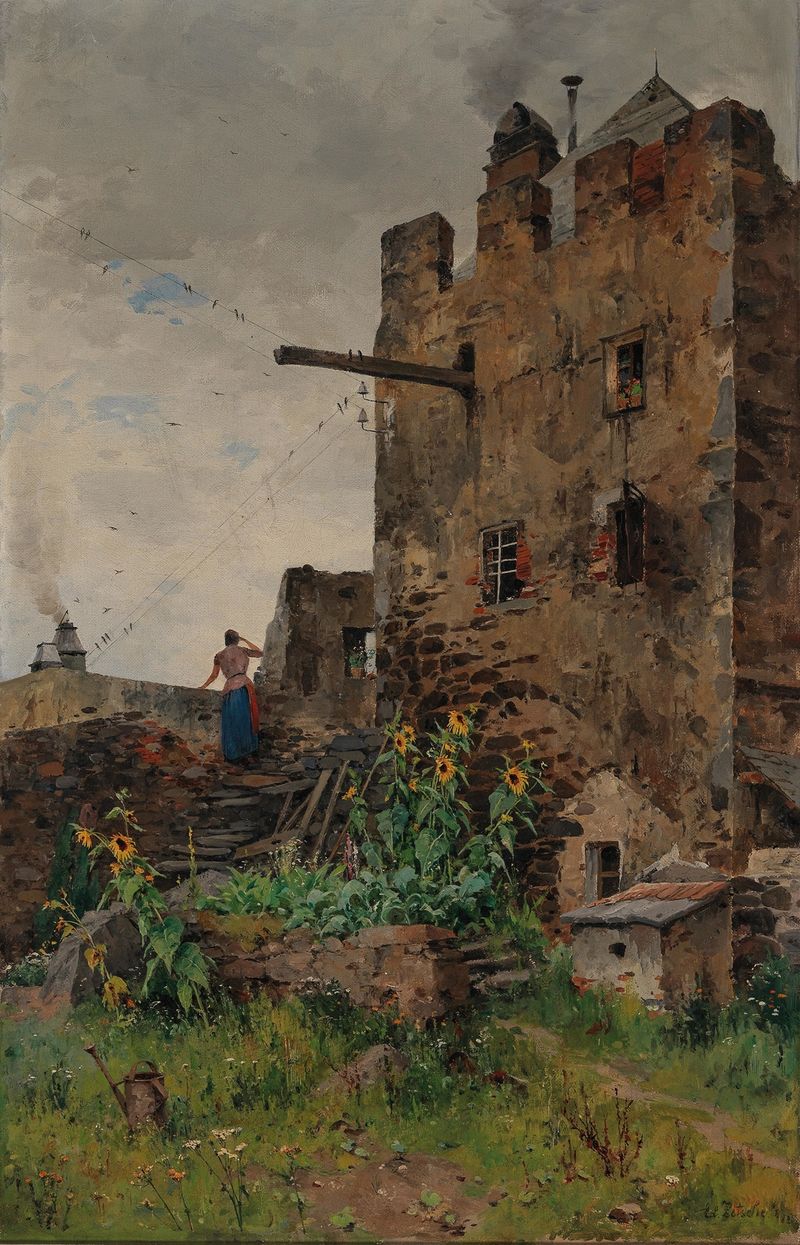
Wachau, Scene of Dürnstein, by the Old Town Wall
Eduard Zetsche





